Kas di Pal'i Maishi: Curaçao’s Past in Everyday Detail
This preserved kunuku house in Dokterstuin explores post-emancipation rural life through domestic objects, traditional practices and lively interpretation.
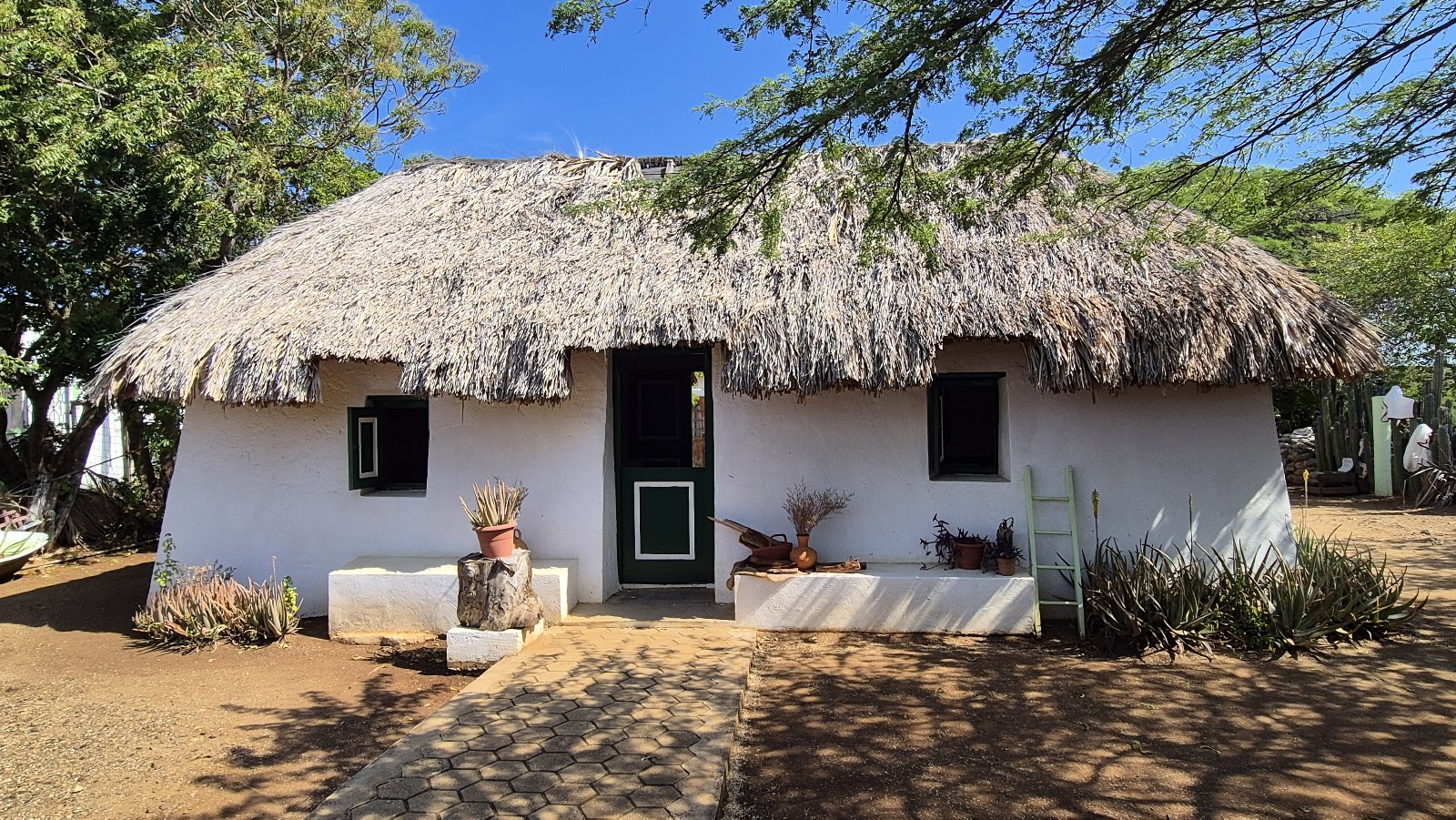
More photos
Photos published by travelers on Google, not AI generated.
What stands out
- Friendly, informative guides
- Well-preserved rural history
- Traditional food and household practices
- Insight into post-emancipation life
Worth knowing
- One reviewer reported an admission price discrepancy
Don't miss
What comes up most in public reviews
- Ask about local food and customs
- See how grain was ground
- Learn about traditional cooking and bread baking
- Examine the huts and handmade fences
- Hear how laundry and cleaning were done
Worth the trip?
Why it stands out
Kas di Pal'i Maishi, also known as Kunuku House, is a small museum in Dokterstuin focused on the everyday lives of Curaçao’s African ancestors after the abolition of slavery. With a Google rating of 4.5 from 194 reviews, it earns particularly strong praise for presenting history through practical, domestic details rather than relying only on display cases or written summaries.
Public reviews repeatedly describe the site as authentic, well preserved and memorable. Its value lies in showing how rural families built homes and fences, raised chickens, washed clothes, prepared food and worked with locally available materials. Visitors interested in Curaçao beyond its beaches are likely to find the museum especially worthwhile.
The guided experience
The guides are the clearest recurring strength in traveller feedback. Reviewers frequently call them friendly, informative and engaging, with several describing the interpretation as the highlight of the visit. Explanations cover local life, food, customs and household work, helping visitors understand how the objects and structures would have been used.
One account also mentions songs accompanying demonstrations or explanations. While this does not appear in every review, it suggests that some visits may include a more performative style of storytelling. The overall impression is not of a detached historical lecture, but of an experience shaped by personal presentation and practical examples.
That human element appears important. Grinding grain, cooking, cleaning and baking bread can seem like simple household tasks, yet the guides connect them to self-sufficiency, survival and continuity after emancipation. Families with older children, cultural travellers and anyone studying Caribbean history should gain the most from listening closely and asking questions.
What visitors see
Reviews highlight the traditional huts, fences and household areas used to illustrate rural kunuku life. Food production is a recurring theme, from growing or raising ingredients to grinding corn or other grains, cooking meals and baking bread. Laundry and cleaning practices also feature, placing attention on work that is often overlooked in broader historical accounts.
The museum’s scale and subject matter make it better suited to a focused cultural stop than an all-day attraction. Its impact comes from accumulated detail: how a fence was made, how grain was processed, how food reached the table and how families lived closely with the natural environment.
Practical verdict
Kas di Pal'i Maishi receives consistently warm feedback for its guides and its clear window into post-emancipation life in Curaçao. It should appeal most to visitors who value oral history, traditional foodways and everyday social history.
There is one practical caution. A reviewer reported that admission was higher than expected based on prior advertising. No reliable current amount is provided here, so visitors may wish to confirm admission terms before arriving. Beyond that isolated concern, the sampled feedback is strongly positive, with several travellers ranking the museum among their favourite stops on the island. It is a compact but substantial cultural experience, made particularly effective by informed, personable interpretation.
Plan the rest of the trip
Ask anything
Looking for somewhere else?
Keep exploring around Dokterstuin
More from Curaçao
Curaçao · Willemstad
Mangrove Beach Corendon Curaçao for Easy Family Stays
Public reviews point to a well-placed all-inclusive resort with a protected beach, attentive staff and plenty to keep families occupied.

Curaçao · Willemstad
Renaissance Wind Creek Curacao: A Welcoming Willemstad Base
Public reviews praise this shorefront resort for warm service, city access, an appealing pool and activities such as Vibes & Paint.

Curaçao · Willemstad
Landhuis San Nicolas: Private Beach Experiences Near Willemstad
Public reviews describe Landhuis San Nicolas as a highly personal setting for sunset picnics, private beach dinners, proposals and intimate weddings.
Curaçao · Sabana Westpunt
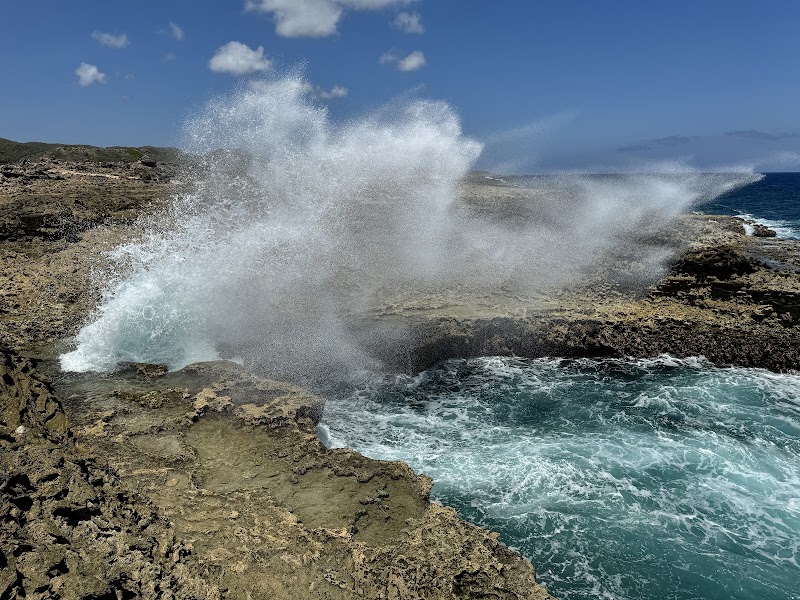
Boka Tabla: Curaçao’s Powerful Atlantic Viewpoint
Boka Tabla delivers a dramatic look at waves striking the cliffs of Shete Boka National Park, with sea caves adding depth to the visit.