Karnak: Monumental Scale and Extraordinary Carvings
Karnak overwhelms with colossal pylons, immense columns and ancient carvings that reward patient exploration.
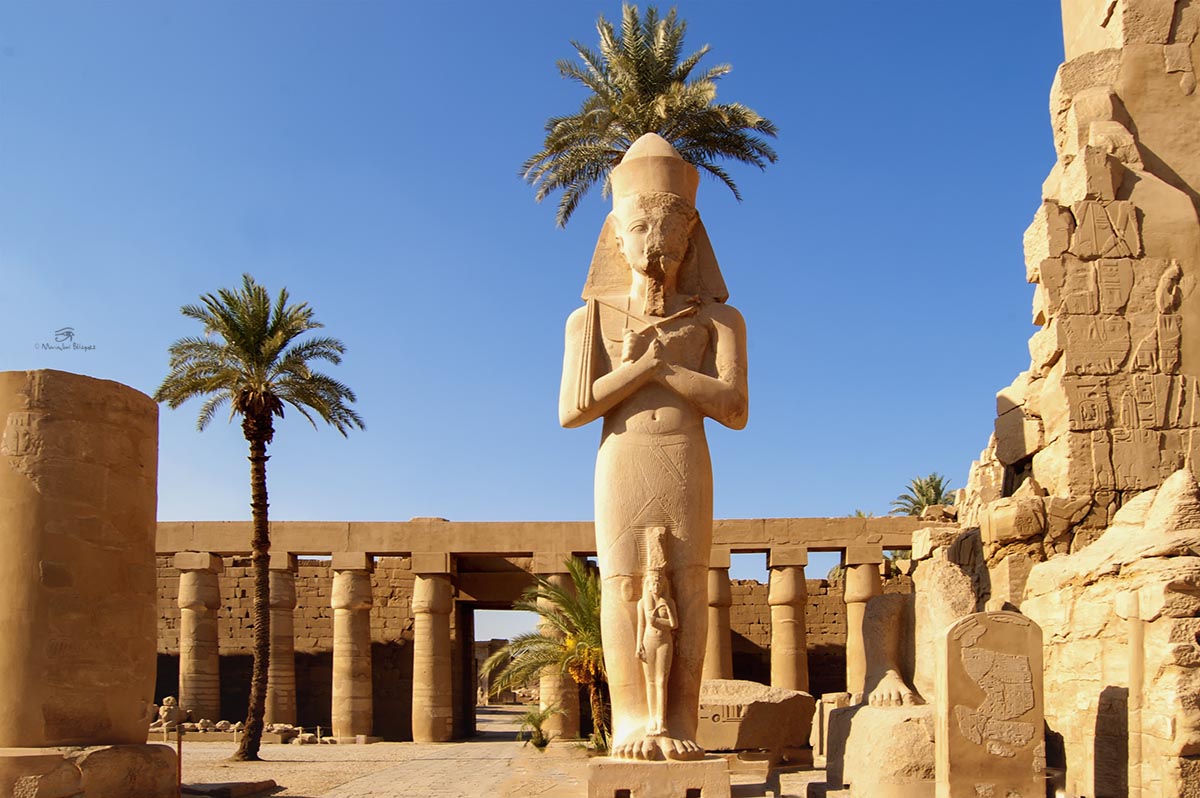
More photos
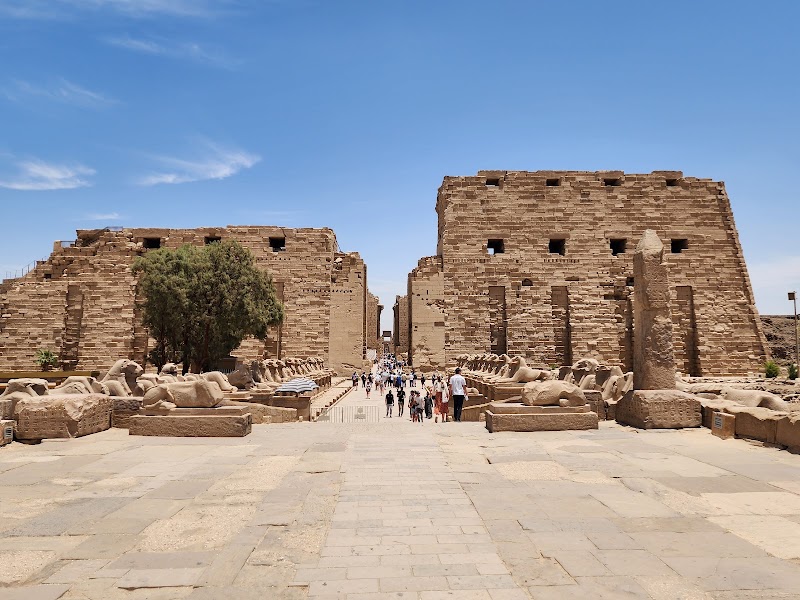
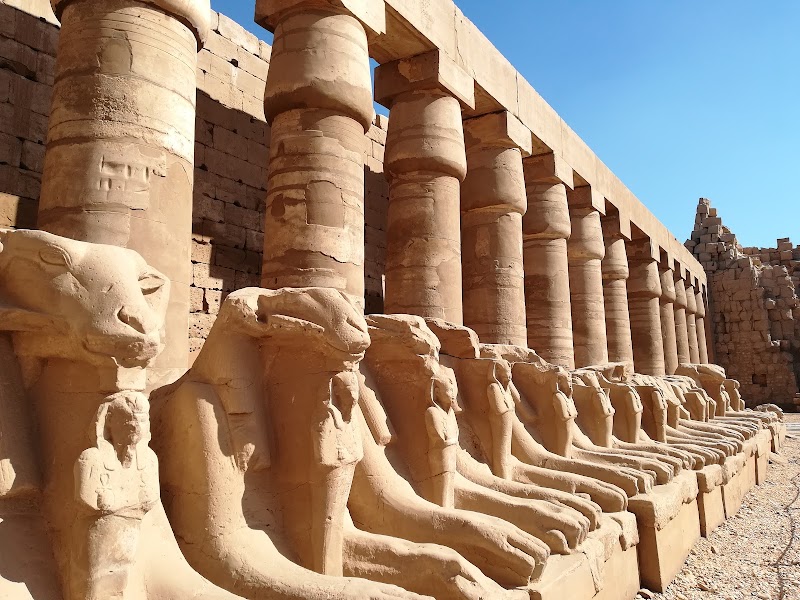

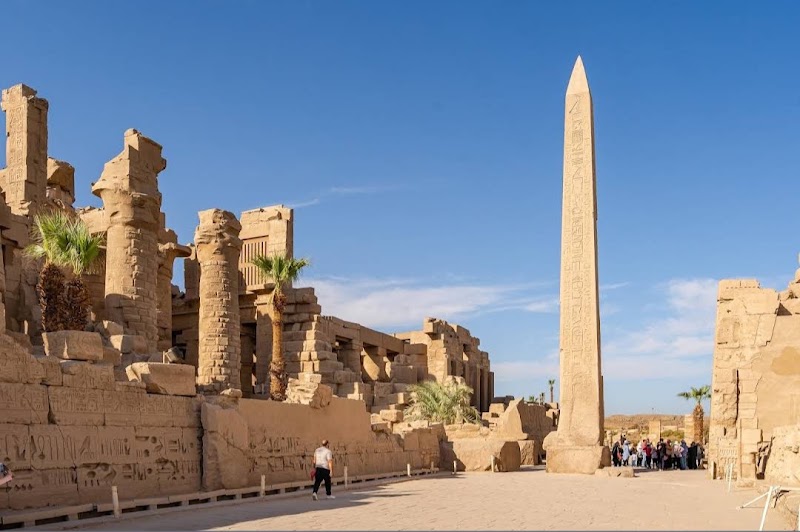
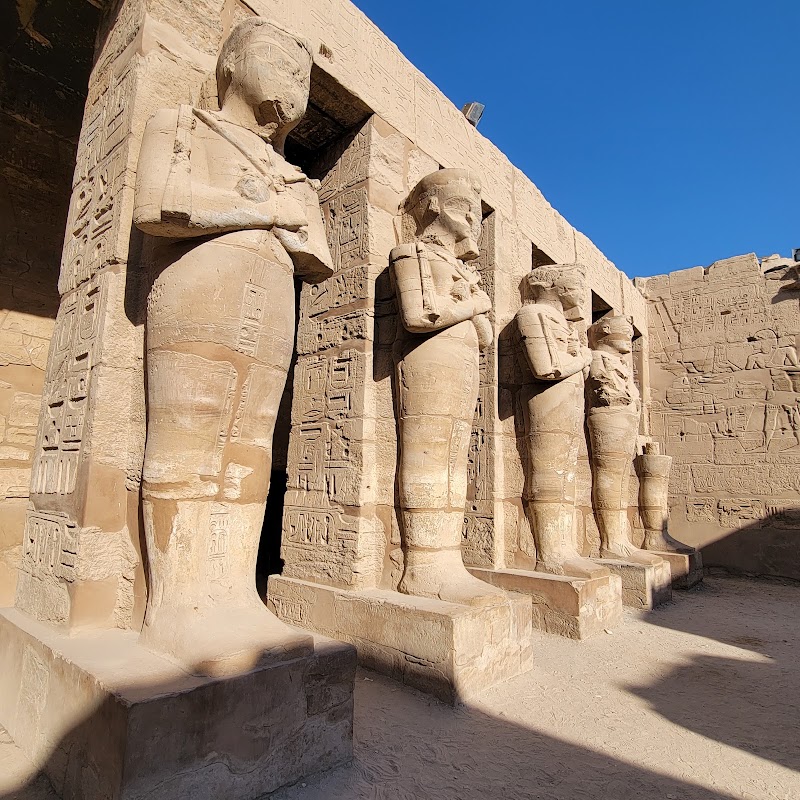
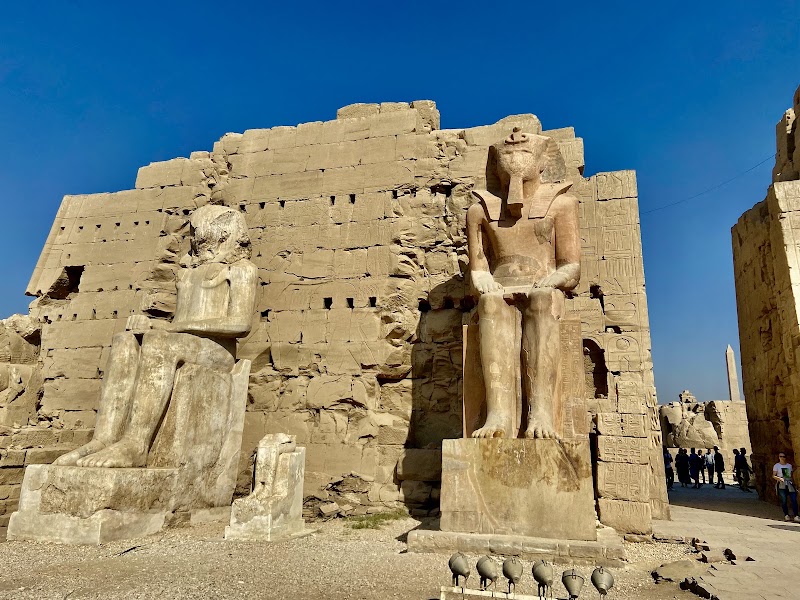
Photos published by travelers on Google, not AI generated.
What stands out
- Enormous carved columns
- Monumental pylons
- Detailed hieroglyphs and figures
- Traces of surviving colour
- Impressive statues
Worth knowing
- Guards may request baksheesh after offering photos
- Avoid informal access behind barriers
Don't miss
What comes up most in public reviews
- Walk among the giant columns
- Study the hieroglyphs and carved scenes
- Look for surviving colour on the stonework
- Admire the monumental pylons
- Ask how the stone blocks were transported
Worth the trip?
Why Karnak stands out
At Karnak, size shapes much of the public reaction. The complex holds a Google rating of 4.8 from 30810 reviews, with travellers repeatedly praising the immense columns, towering pylons and extensive carved decoration. Many describe feeling small among the stone structures. Several add that photographs simply do not convey how large the site is.
Architecture drives the visit. Reviewers linger over columns filled with hieroglyphs, figures, symbols and narrative scenes, then point to the statues and monumental gateways. Once the first impression settles, there is still a great deal to inspect. Some visitors are particularly taken by traces of colour that remain visible on sections of the stonework.
What the visit feels like
Taken together, public reviews present Karnak as visually dramatic and intellectually rewarding. Visitors on organised tours often rank the complex among the highlights of a wider Egypt trip. This is not an experience built around one structure. It comes from moving through a vast ceremonial and administrative landscape, where successive pylons, columns and carvings keep reinforcing the scale.
The giant columned spaces draw the steadiest admiration. Travellers write about walking between the supports, craning upward to take in their height, then studying decoration spread across the surfaces. The pylons deliver an equally forceful first impression. Statues and hieroglyphic scenes offer something closer and more intricate to examine.
Good explanation helps. One reviewer picked out the account of how enormous stone blocks and columns were built and transported as a memorable part of the visit. Based on that response, Karnak works particularly well for travellers who want more than photographs and care about the construction methods and symbolism behind the monuments.
Allow time to look closely
Karnak benefits from time. A rushed circuit can feel superficial because of the complex's vast dimensions, especially when the carvings, hieroglyphs and surviving colour need closer attention. Half a day allows visitors to absorb the main architectural elements, move among the columns and stop at detailed reliefs instead of reducing the site to a quick photo stop.
Comfort with extensive walking is useful. Reviews describe an experience that involves crossing a large complex, not standing before one compact monument. Those visiting with a tour may want to listen closely for explanations covering engineering, stone transport and the historical functions of the different spaces.
Practical caution and verdict
One public review raises a specific concern: guards may offer to take visitors behind barriers or into less accessible areas for photographs, then ask for baksheesh. Travellers should not enter restricted spaces. They should also clarify expectations before accepting help, remain polite but firm and put official access rules ahead of informal offers.
That warning barely changes the overall verdict. Across the reviews, the pattern is unusually consistent. Karnak impresses through sheer physical scale, well-preserved columns, monumental pylons and dense carved detail. Travellers drawn to ancient history, architecture and archaeological sites are the clearest fit, though the visual impact also works for visitors with limited background knowledge. The best visit balances broad views across the complex with time spent looking at the smaller surviving details.
Ask anything
Looking for somewhere else?
Keep exploring around Karnak
More from Egypt
Egypt
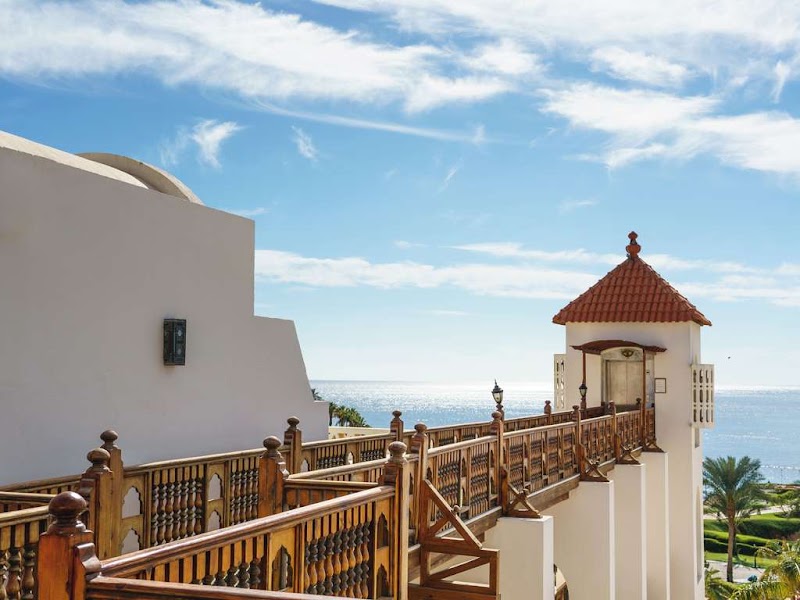
Mövenpick Resort Sharm el Sheikh: Views and Warm Service
Strong public feedback highlights sweeping views, attentive service, varied food and a well-regarded kids club at this Sharm el Sheikh resort.
Egypt
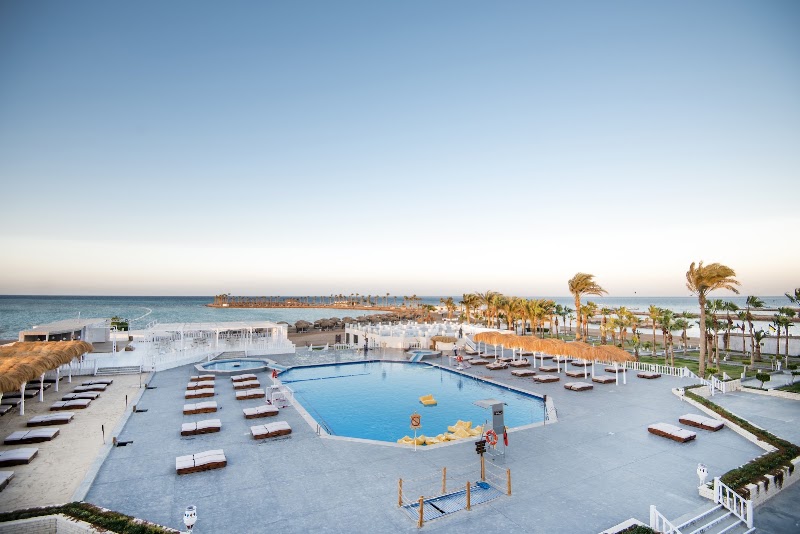
Meraki Resort Adults Only: Lively Beach Time in Hurghada
A sociable adults-only resort where varied dining, clean beaches and nightly entertainment earn consistently enthusiastic feedback.

Egypt
Novotel Sharm El Sheikh: Sociable beachside stays
Strong public feedback for friendly staff, lively activities and clear-water beach time makes this Sharm El Sheikh hotel especially appealing to families.

Egypt
JAZ Aquaviva review: family-focused fun in Egypt
Strong service, a large aquapark and energetic entertainment make JAZ Aquaviva a compelling family resort, though it lacks direct sea access.