Karen Blixen Museum: History, House and Garden
Public reviews praise this former home for its guided storytelling, preserved interiors, peaceful grounds and insight into Karen Blixen’s life.
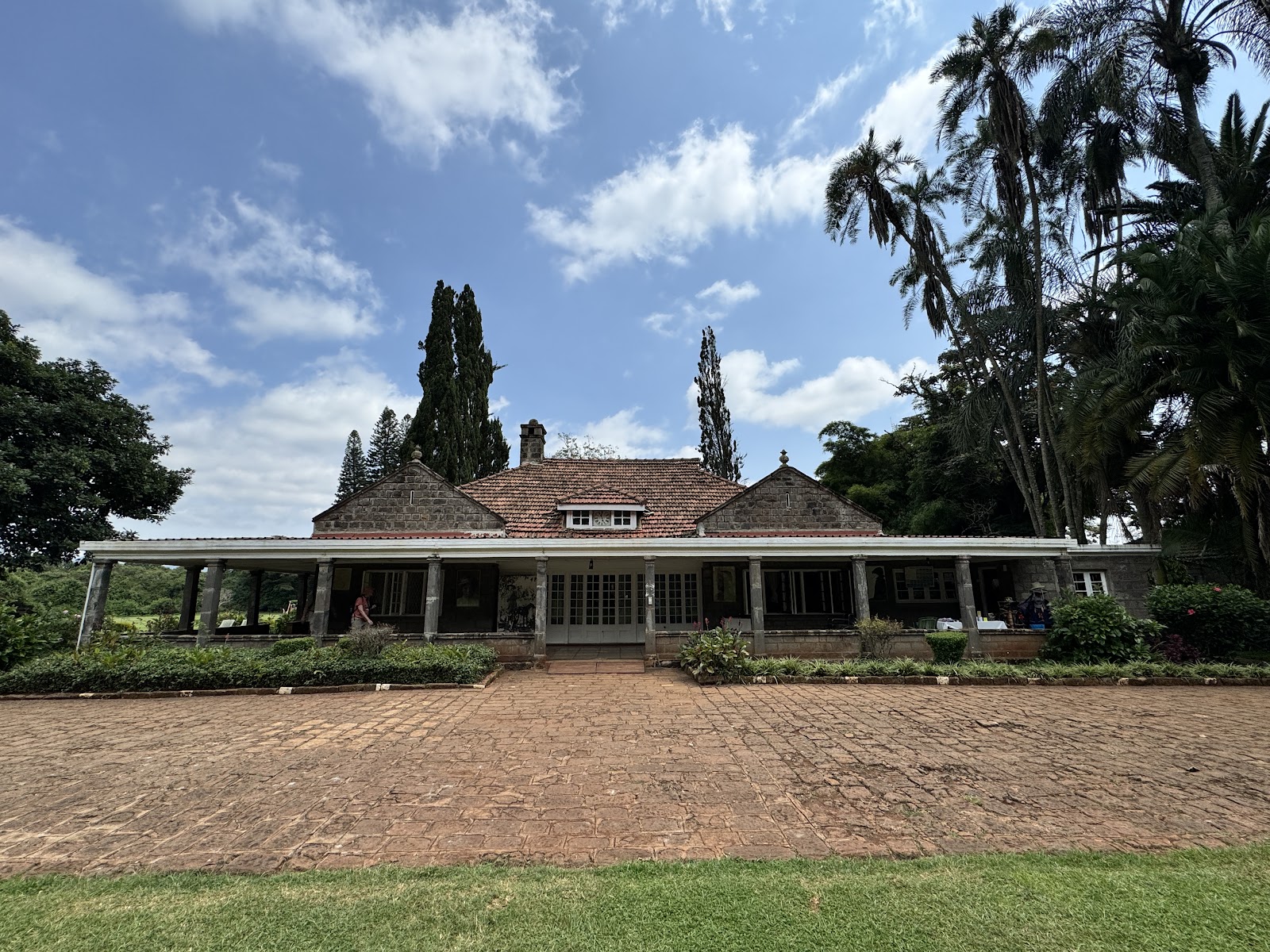
More photos
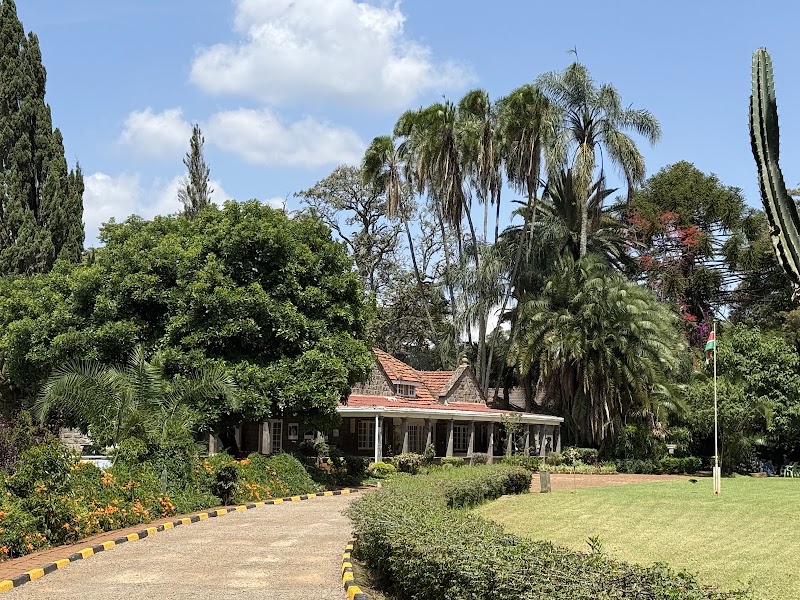
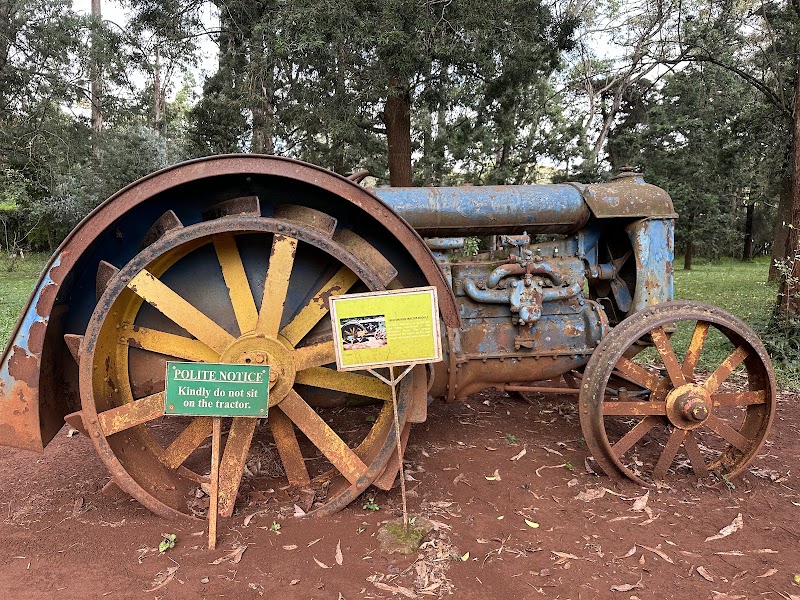
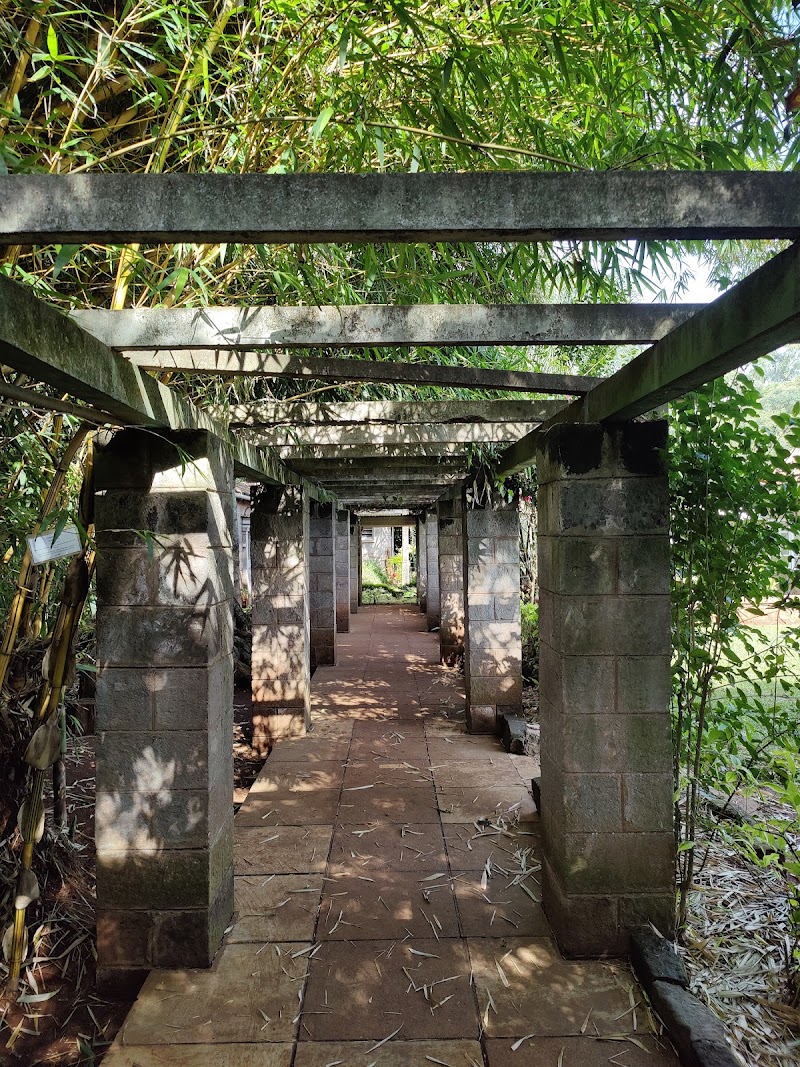
Photos published by travelers on Google, not AI generated.
What stands out
- Guided tour of Blixen’s former home
- Original furnishings and historical photographs
- Peaceful, well-maintained gardens
- Coffee roaster display
- Local paintings and crafts near the exit
Worth knowing
- No photography inside the house
- Guide delivery can sometimes feel memorized
Don't miss
What comes up most in public reviews
- Tour the house with a guide
- See the original furnishings and photographs
- Ask about the coffee roaster
- Walk through the gardens
- Browse the paintings and crafts near the exit
Worth the trip?
A literary landmark in Karen
The Karen Blixen Museum receives a strong 4.5 Google rating from 3658 reviews, with visitors most often praising its combination of personal history, preserved rooms and calm grounds. The museum occupies the former home associated with Danish author Karen Blixen, whose years in Kenya inspired her writing and the film adaptation of *Out of Africa*.
Reviews suggest that the experience works for both committed Blixen readers and visitors arriving with only a passing knowledge of the film. Those already familiar with her books tend to appreciate seeing the setting and objects connected to her life. Others report that the guided account provides enough context to make the house interesting without prior reading or viewing.
Inside the house
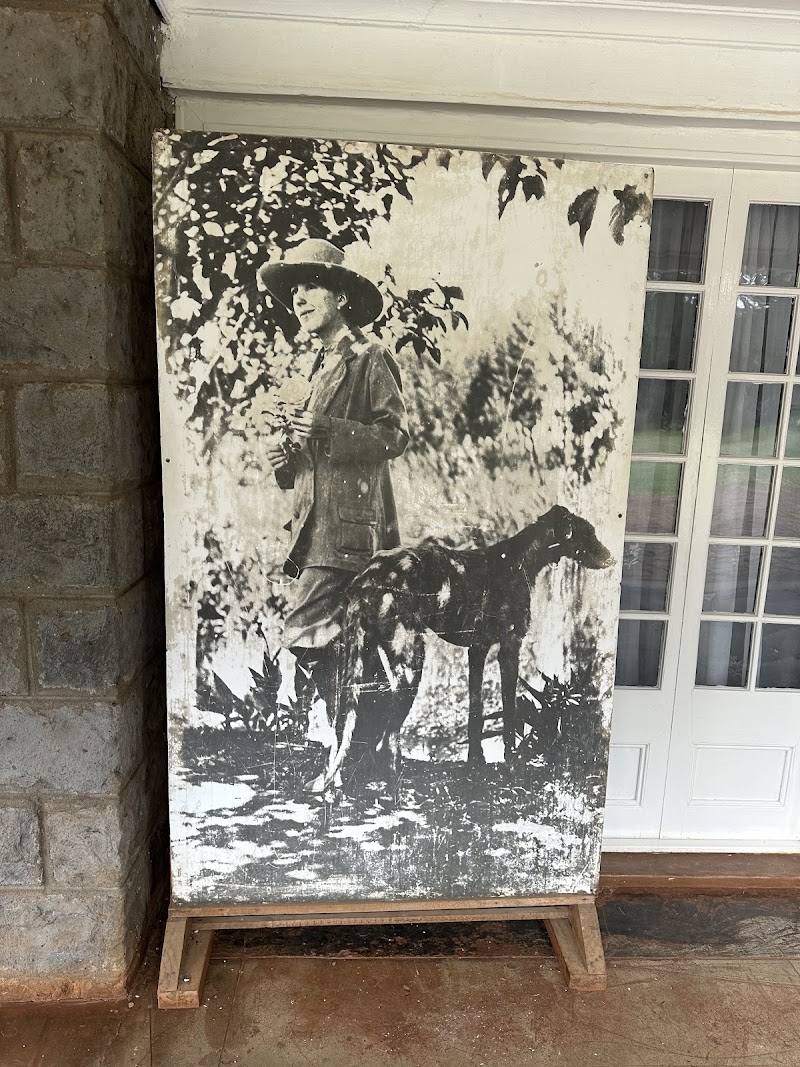
The house is the main focus. Reviewers frequently mention the furnishings, many of which are described as original, along with photographs and other personal details that help build a picture of Blixen’s time in Kenya. Several visitors say the interiors make her story feel immediate, while the rooms and displayed images provide a clearer sense of her interests and daily surroundings.
Guides accompany visitors around the property. Feedback is generally positive, with reviewers describing tours as informative and useful for understanding Blixen’s life and the wider Karen area. The delivery can vary. One reviewer felt that the commentary sounded memorized, although the tour still covered the essential history. Visitors with a deeper interest may benefit from asking follow-up questions rather than relying solely on the standard presentation.
Photography is not permitted inside the house, a restriction mentioned repeatedly and often with disappointment. Anyone hoping to document the interiors should plan instead to concentrate on the guide’s explanation and the objects on display. Reviewers note that the house appeared in the film, offering another way to revisit parts of the interior later.
Grounds and additional displays
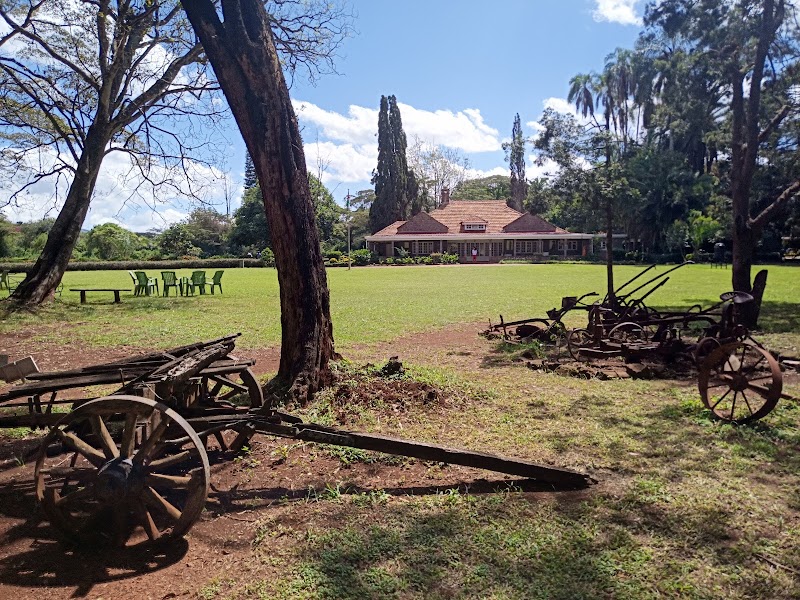
The surrounding gardens are a significant part of the appeal. Public feedback repeatedly describes them as beautiful, peaceful and well maintained, making the museum feel less hurried than some central Nairobi attractions. A relaxed walk around the property complements the indoor tour and gives visitors time to absorb the setting.
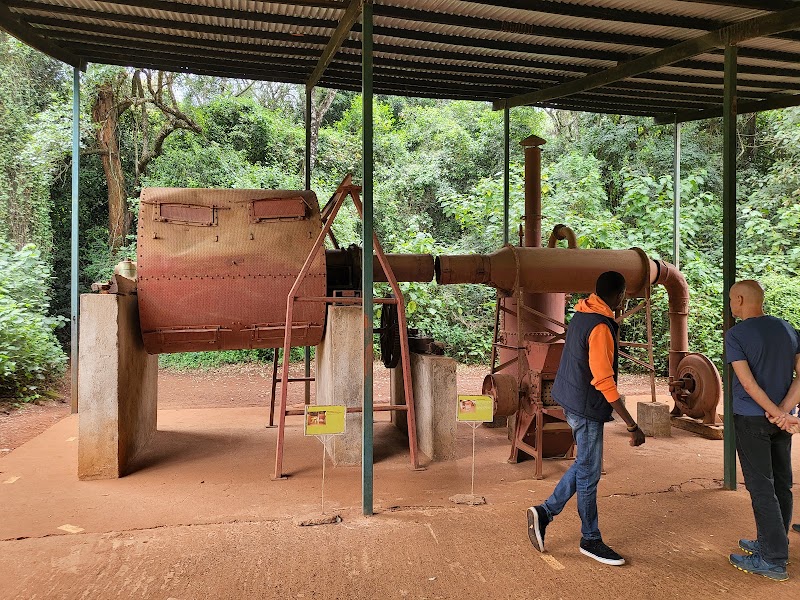
The coffee roaster is another specific feature singled out in reviews. It adds practical context to the story of the former coffee farm and is worth asking the guide about during the visit. Photographs displayed around the museum also help connect Blixen’s biography with the house and its period.
Near the exit, reviewers mention two small market or shop areas selling local paintings and crafts. They are secondary to the museum itself but provide a final browsing stop after the tour.
Overall verdict
Synthesized public feedback presents the Karen Blixen Museum as a rewarding historical and literary attraction rather than a large, object-heavy museum. Its strengths are the house, guided narrative, original furnishings and restful garden setting. The indoor photography ban is the clearest recurring frustration, and the quality of presentation may depend somewhat on the guide. Even so, the museum appears well suited to travellers interested in Kenyan colonial-era history, literature, film locations or the development of the Karen district.
Ask anything
Looking for somewhere else?
Keep exploring around Nairobi
More from Kenya

Kenya · Mombasa
Sarova Whitesands Beach Resort & Spa review
A large Mombasa beach resort praised for attentive service, varied dining, spacious rooms and family-friendly pools.
Kenya · Mombasa
PrideInn Paradise Beach Resort & Spa Mombasa Review
Strong service, varied dining and evening entertainment make this beachfront Mombasa resort appealing to families and solo travellers.
Kenya
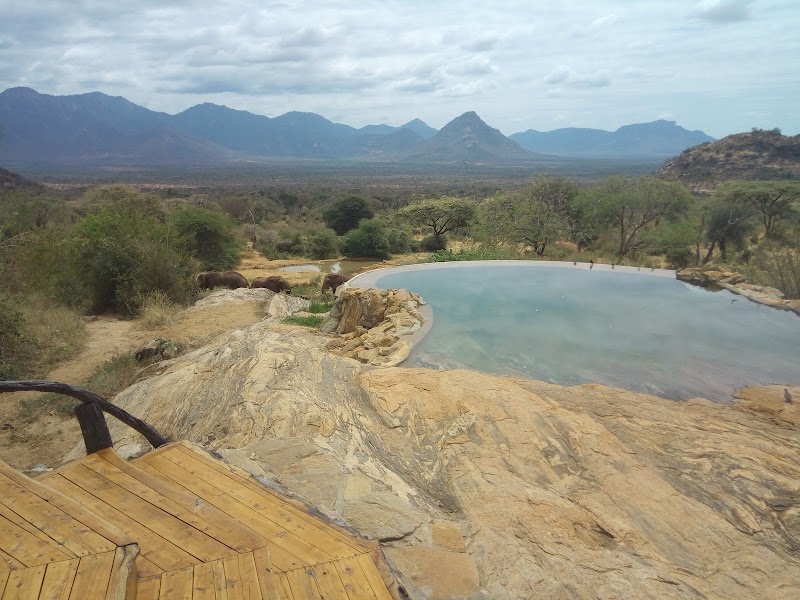
Namunyak Wildlife Conservation Trust: Landscapes and Rescue
Public reviews praise Namunyak’s hills, valleys, bush scenery, sunsets and community-led wildlife rescue work in Samburu County.
Kenya · Lamu
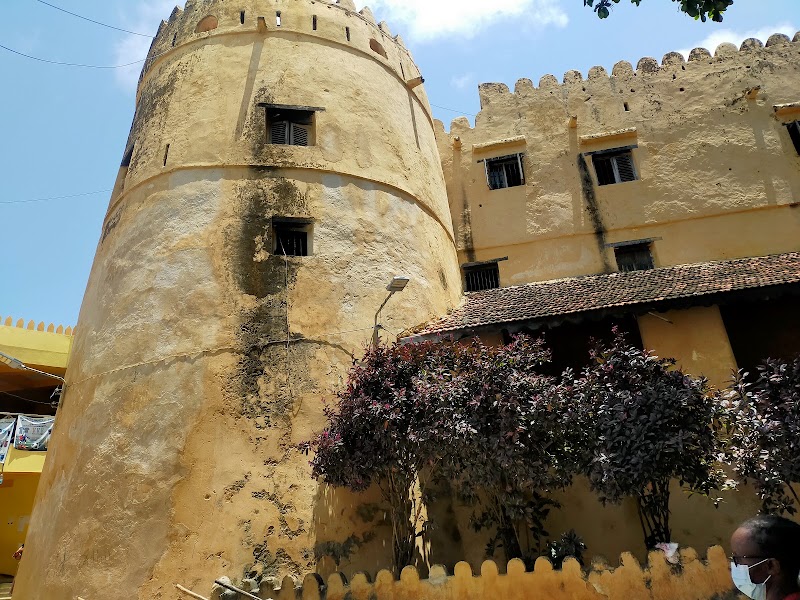
Lamu Fort: History and Rooftop Views in the Old Town
Lamu Fort offers a compact introduction to the island’s history, though dated displays and ticketing difficulties temper its appeal.