Kanheri Caves: Ancient Stonework in Mumbai’s Green Belt
Kanheri Caves pairs Buddhist-era history, carved architecture and a peaceful forest setting inside Sanjay Gandhi National Park.
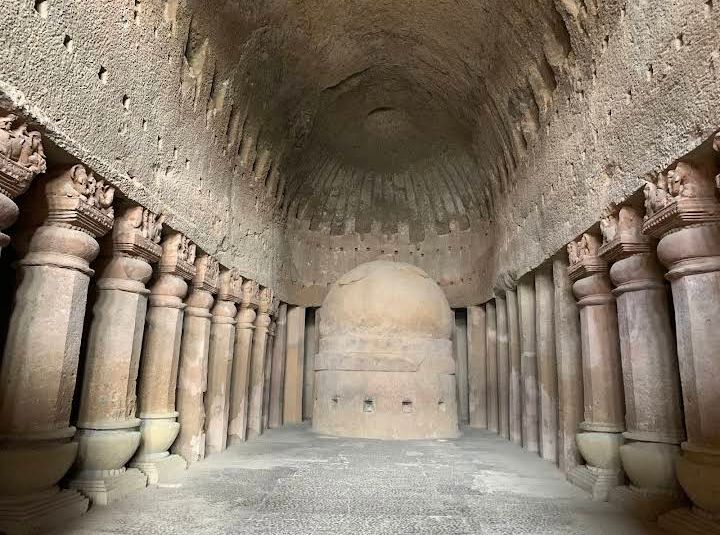
More photos
Photos published by travelers on Google, not AI generated.
What stands out
- Ancient cave history and architecture
- Peaceful greenery inside Sanjay Gandhi National Park
- Photography opportunities
- Walking and hiking around the caves
- Nearby cycling and jungle safari options
Worth knowing
- Scorching heat around late morning in summer
- The caves are about 5 kilometres from the park gate
- Comfortable shoes and drinking water are important
Don't miss
What comes up most in public reviews
- Take the shuttle van from the main gate
- Explore the carved caves and architecture
- Visit the trail canteen
- Ask about cycling or the jungle safari
Worth the trip?
Kanheri Caves gives visitors a rare change of pace within Mumbai. Public ratings place the landmark at 4.5 from 9064 reviews, with recurring praise for its ancient history, carved architecture and quiet setting. The caves sit inside Sanjay Gandhi National Park, where greenery and open space shape much of the visit.
What the visit feels like
Reviews describe Kanheri Caves as unexpectedly peaceful. The fresh air, trees and calm surroundings make the approach feel far removed from the city, even though the attraction remains within Mumbai. Visitors come for the history, yet many also value the chance to walk outdoors and pause in a natural setting.
The site is often recommended to people interested in photography. Stone surfaces, cave entrances, ancient details and surrounding scenery give the visit visual variety. The atmosphere is another draw. Several reviews mention a sense of quiet and connection with the past, rather than a quick stop focused only on taking photographs.
Getting there and moving around
Kanheri Caves uses the same entrance as Sanjay Gandhi National Park. From the main gate, the cave area is about 5 kilometres away. One public review says shuttle vans operate between the gate and the caves, with the ride taking roughly 15 minutes. Visitors should allow time for this transfer when planning the day.
The visit includes walking and some hiking. Comfortable shoes are repeatedly relevant in the reviews, especially for anyone intending to explore beyond the easiest sections. Water is also worth carrying. A review from a summer visit at around 11am describes the heat as scorching, with conditions made more demanding when travelling with a young child.
Food and nearby activities
A small canteen at the beginning of the trail serves tea, Maggi, pav bhaji, vada pav, samosa pav and biscuits. It may be useful for a simple break, though visitors should not treat it as a substitute for carrying water.
Sanjay Gandhi National Park adds options for a longer outing. Public reviews mention cycling, scenic spots and a jungle safari, alongside the general appeal of spending time among greenery. Someone interested mainly in the caves can focus on the historic site. Visitors planning a full day can build in more time for the park.
Who should go
Kanheri Caves suits history lovers, photographers and travellers who want an outdoor attraction with a slower pace. Families can visit, but the walking, heat and distance from the main gate require practical planning. The site is best approached as a half-day visit, with extra time if the park’s other activities are included.
The public feedback is consistently enthusiastic about the combination of history and nature. Kanheri Caves is not simply an urban landmark viewed in isolation. It is a walk through carved stone and forested surroundings, with enough room for visitors to explore at their own pace.
Plan the rest of the trip
Ask anything
Looking for somewhere else?
Keep exploring around Mumbai
More from India
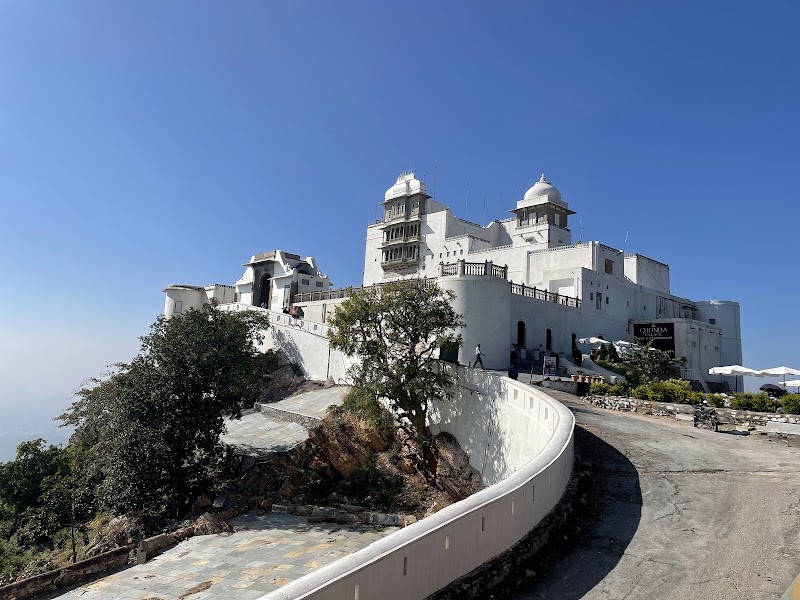
India · Udaipur
Monsoon Palace: Udaipur Views Above the Aravalli Hills
Monsoon Palace is a hilltop landmark where sweeping views, cool breezes and sunset scenery often matter more than the palace interiors.
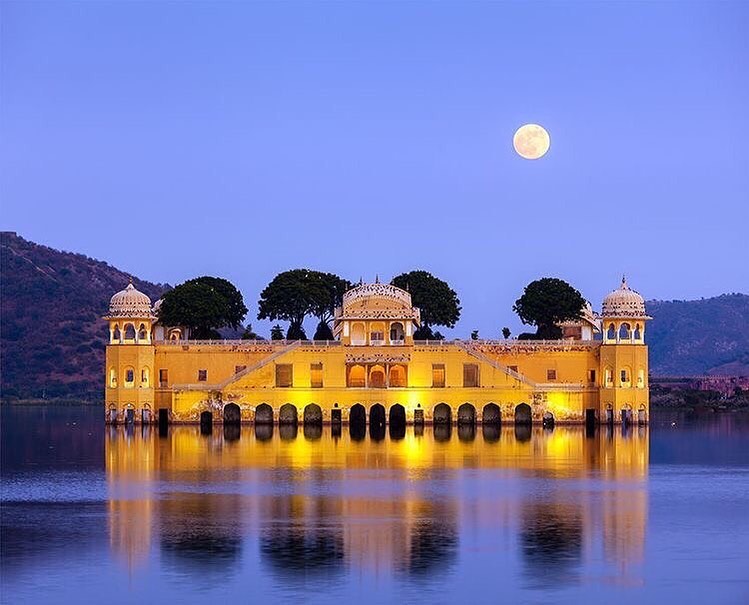
India · Jaipur
Jal Mahal, Jaipur’s Striking Water Palace
Jal Mahal draws visitors for its palace views, lake setting, evening atmosphere and easy photography from the road beside Man Sagar Lake.
India · Jaipur
The City Palace: Jaipur’s Royal Heritage in Detail
Public reviews praise Jaipur’s City Palace for its preserved architecture, varied exhibits and the sense that royal life continues within the complex.
India · Udaipur
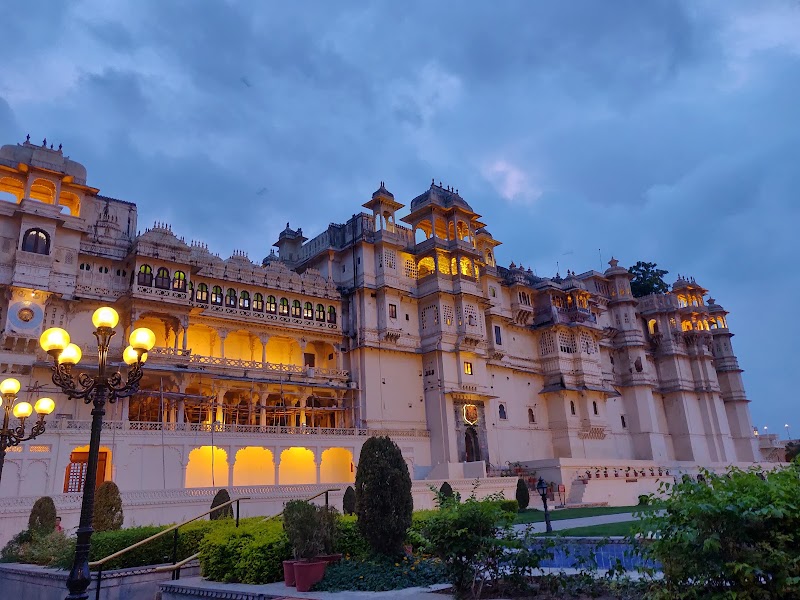
City Palace Udaipur: Mewar History Above Lake Pichola
Public reviews rate City Palace highly for its architecture, museum, royal history and sweeping views across Lake Pichola.