Kandt House Museum: Kigali’s early history in focus
A compact Kigali museum tracing Rwanda’s pre-colonial society and the changes brought by German colonial rule.

More photos

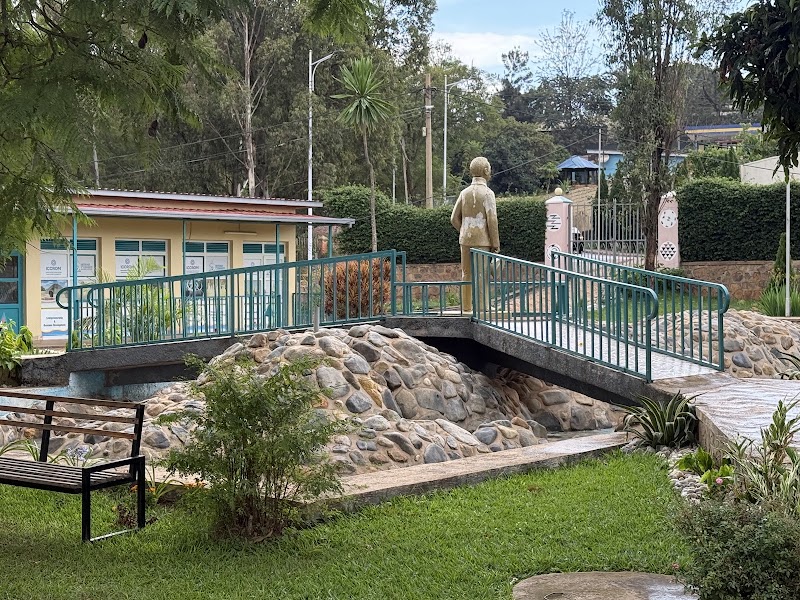
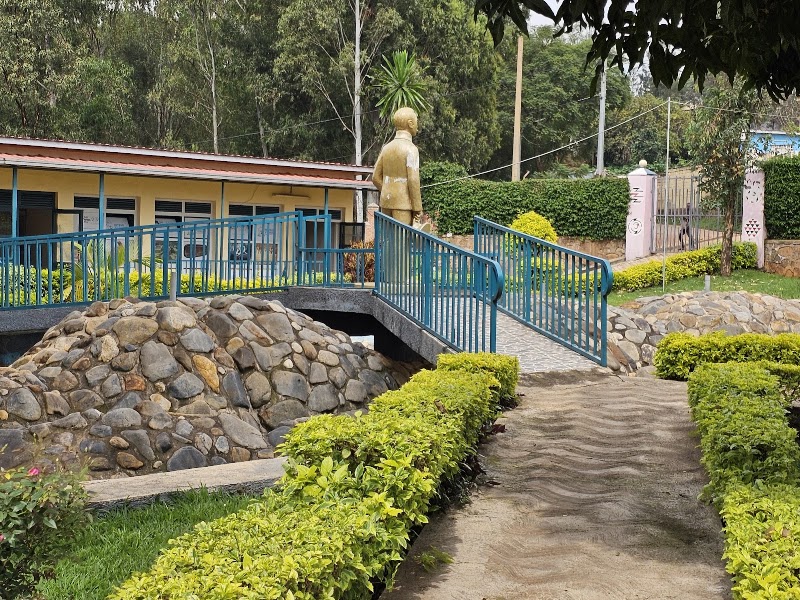
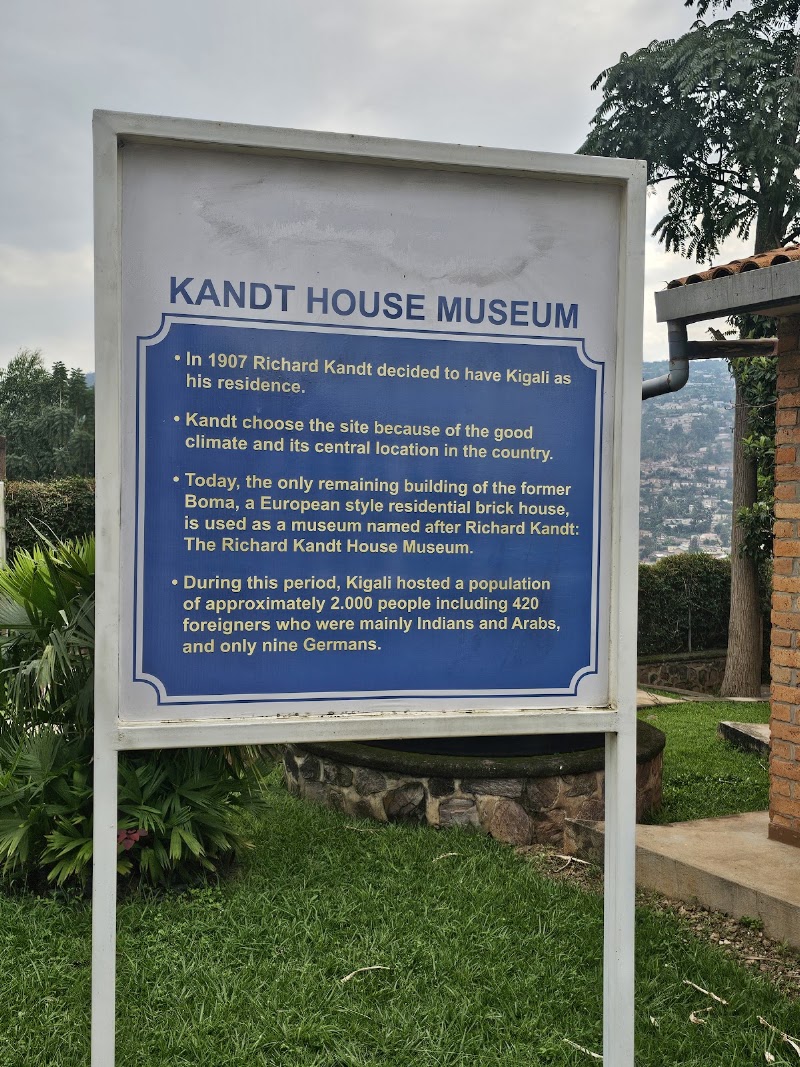
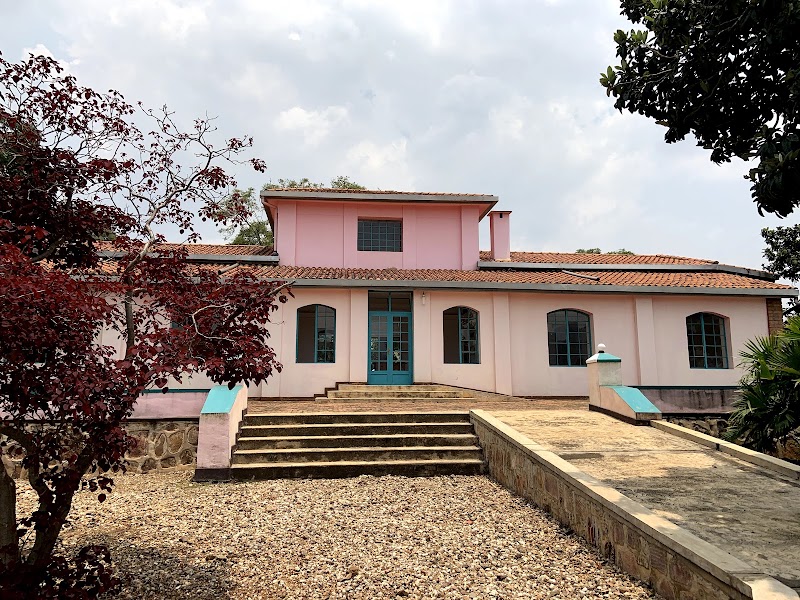

Photos published by travelers on Google, not AI generated.
What stands out
- Pre-colonial Rwandan history
- The German colonial period
- Clear historical photographs and displays
- Helpful staff explanations
Worth knowing
- Compact collection
- Many displays are text-heavy
Don't miss
What comes up most in public reviews
- The pre-colonial history displays
- The section on German colonial rule
- Asking staff for historical context
Worth the trip?
What the museum covers
Kandt House Museum offers a focused introduction to Rwanda before and during the colonial period. Based on its 4.2 Google rating from 531 reviews, visitors particularly value the museum as a starting point for understanding the country beyond its landscapes and wildlife.
Public reviews repeatedly mention coverage of pre-colonial kingdoms and the period of German rule. Displays also address wider aspects of Rwandan life, including culture, religion, politics, agriculture and family structures. The central thread is how colonialism altered established institutions and ways of life, giving the museum a relatively specific historical remit rather than attempting to tell every chapter of Rwanda’s past.
That focus makes it especially relevant for first-time visitors to Kigali or Rwanda. Several reviewers describe leaving with a clearer appreciation of the country’s history and the social changes that shaped modern Rwanda.
Displays and interpretation
The museum appears to rely heavily on written panels, photographs and images. Some reviewers find the material well presented and informative, particularly its comparison of life before colonisation with the changes that followed. Others note that the collection is not large and that much of the experience involves reading text rather than viewing extensive groups of objects.
This is therefore likely to work best for visitors who are prepared to slow down and engage with historical interpretation. Travellers expecting a large museum, highly interactive galleries or a broad survey of every period may find it more limited. Its strength lies in providing an accessible framework for a particular era.
Staff interactions are another positive theme in the available feedback. Reviewers describe staff as kind and helpful, while one visitor singled out a brief explanation of the effects, benefits and disadvantages associated with colonisation. Where available, asking staff to clarify the timeline or add context could make the displays easier to follow.
An unexpected natural-history element
One review mentions a crocodile and snakes as an enjoyable bonus. This feature is not discussed consistently enough across the sample to define the museum experience, but it suggests that the visit may contain an unexpected natural-history component alongside the historical material. Visitors should treat it as secondary rather than the main reason to attend.
The historical galleries remain the core attraction. In particular, the transition from pre-colonial society to German colonial administration is the subject most consistently highlighted in public feedback.
TopTravel.Reviews verdict
Kandt House Museum is a worthwhile, compact stop for travellers seeking context at the beginning of a Kigali stay. Its strongest appeal is educational: it introduces Rwanda’s kingdoms, society and colonial encounter in a format that reviewers generally find clear and thought-provoking.
The limited scale and text-heavy presentation are the main caveats. It is better approached as a concise history lesson than as a major museum requiring most of a day. Visitors with a serious interest in Rwanda’s past may want to allow time for careful reading and conversation with staff, while casual sightseers can cover the principal displays more quickly.
Ask anything
Looking for somewhere else?
Keep exploring around Kigali
More from Rwanda
Rwanda · Kibuye
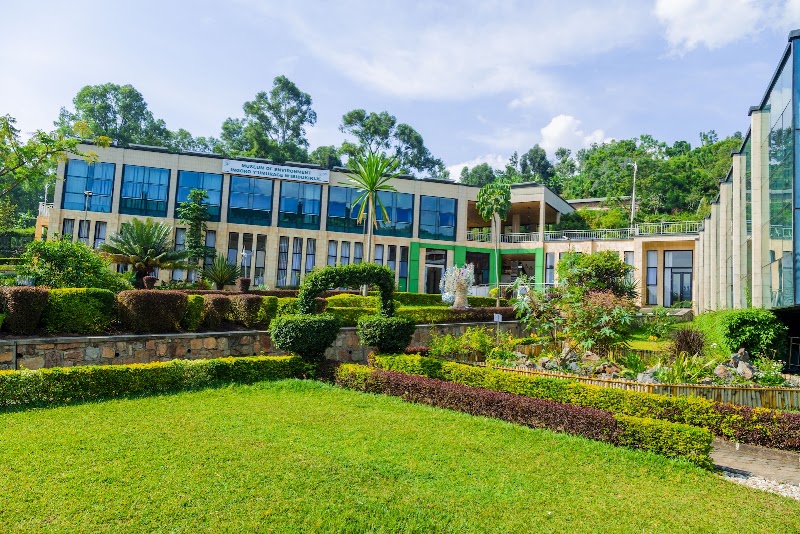
Museum of Environment: Rwanda’s landscape explained
Kibuye’s specialist museum explores Rwanda’s geography, energy production, native plants and environmental future through accessible displays and guided visits.
Rwanda · Kigali
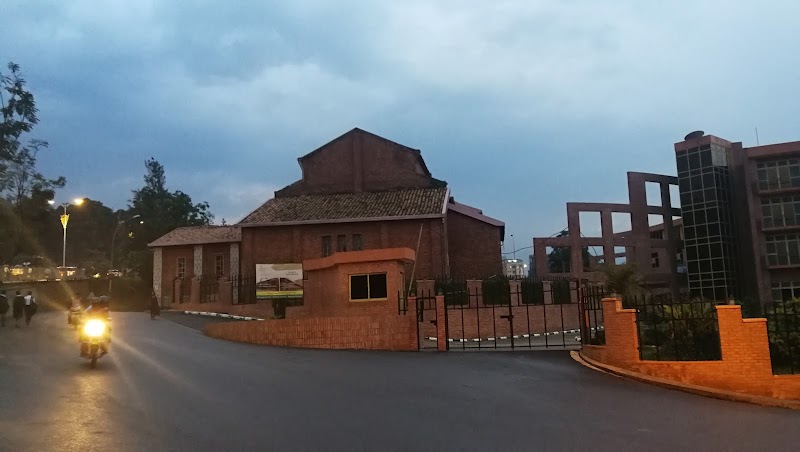
St Famille Church: Historic Catholic Life in Kigali
A large, active Catholic church in Kigali, noted by reviewers for its history, emotional resonance, cleanliness and busy Sunday services.
Rwanda · Kigali
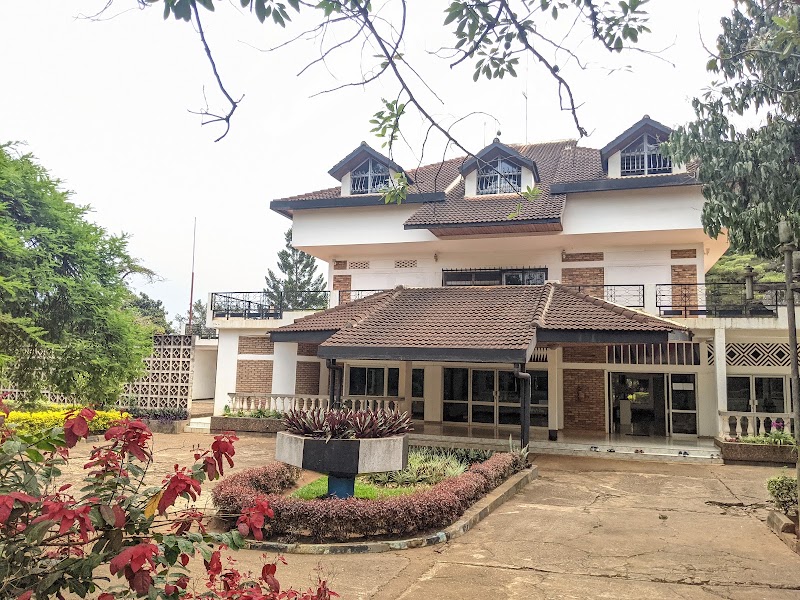
Rwanda Art Museum: Contemporary art meets political history
Set in a former presidential residence, this Kigali museum combines work by local artists with a consequential piece of Rwanda’s past.
Rwanda · Kigali
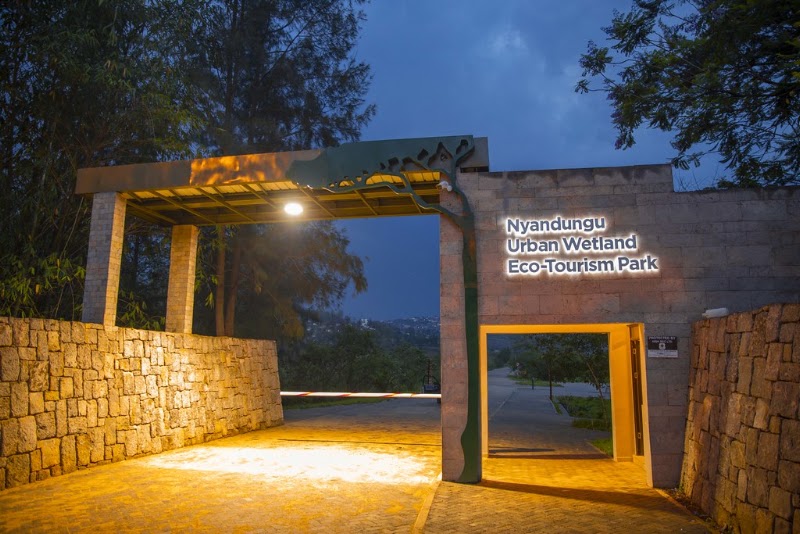
Nyandungu Eco-Park: Quiet Trails and Kigali Hill Views
This landscaped Kigali park suits unhurried walks, cycling and quiet breaks, though some visitors question its scale, biodiversity and entry cost.