Kalevipoeg Monument, Tartu’s Restored War Memorial
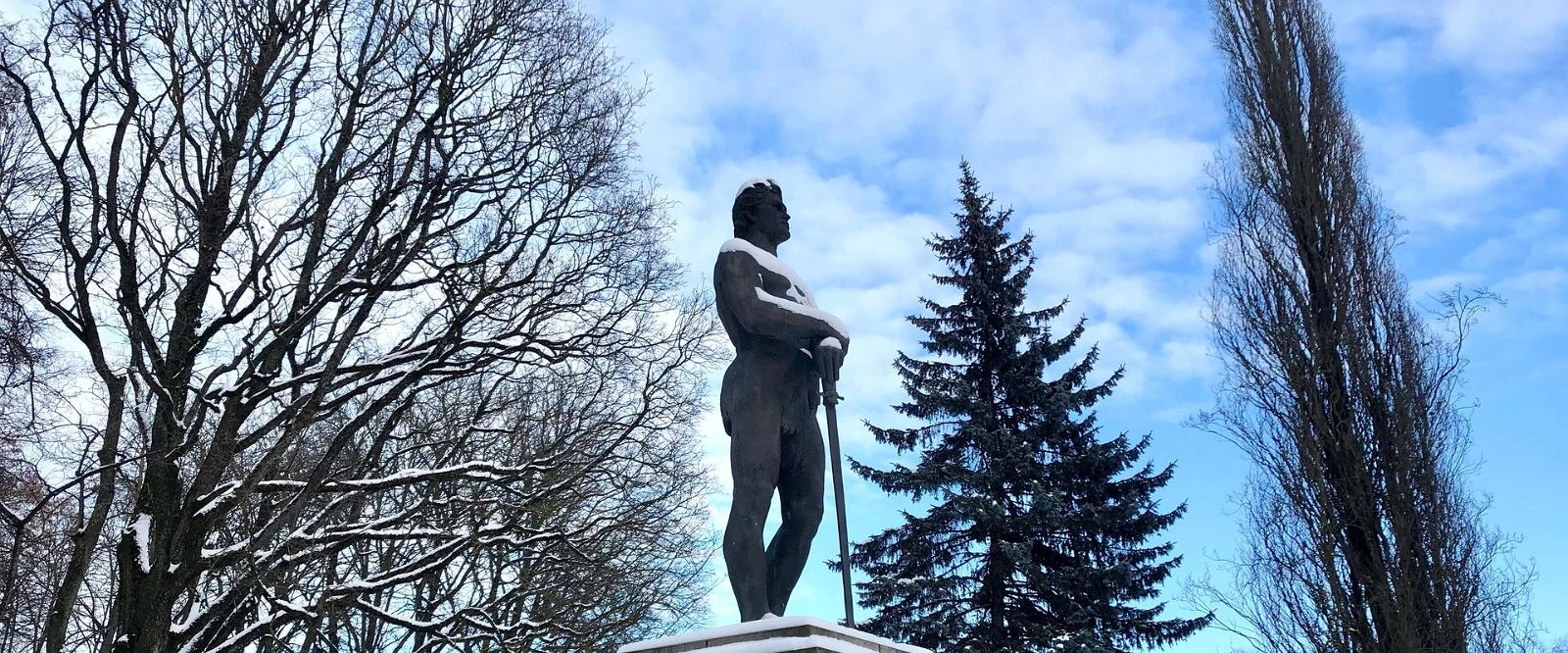
A striking bronze Kalevipoeg stands in a peaceful riverside park, commemorating Estonia’s War of Independence and those who fell.
More photos
Photos published by travelers on Google, not AI generated.
What stands out
- Striking bronze Kalevipoeg statue
- Peaceful tree-lined park
- Riverside setting
- Pedestal marked 1918–1920
- Well-maintained open-air landmark
Worth knowing
- No price information supplied
- Late-day café food selection may be limited
Don't miss
What comes up most in public reviews
- See Kalevipoeg leaning on his sword
- Read the 1918–1920 dates on the pedestal
- Walk through the small park by the river
- Note the monument’s 2003 restoration
Worth the trip?
Why visit
The Kalevipoeg – War of Independence Monument gives Tartu a compact historical stop with a strong visual centre. In public Google reviews, it holds a 4.7 rating from 84 reviews. Visitors repeatedly describe the statue as impressive, striking and well maintained. Its setting matters too: the monument stands in a small, tree-lined park along Vabaduse puiestee, close to the river.
The bronze figure shows Kalevipoeg, the hero of Estonia’s national epic, leaning on his sword. He stands on a large stone pedestal marked with the years 1918–1920. That detail makes the memorial’s purpose clear. This is not simply a statue of a legendary figure. It commemorates the Estonian War of Independence and the people who died in it.
A monument with a complicated history
The original monument was erected in 1933 as a memorial to the War of Independence. Soviet authorities destroyed it in 1950. The statue was restored in 2003, 53 years later, with the sculpture credited to E. Väli. That history gives the site more weight than its modest footprint might suggest.
The restored monument also connects national memory with Estonian folklore. Kalevipoeg is the central hero of the epic that bears his name, so the figure carries both cultural and commemorative meaning. Visitors interested in Tartu’s public history can read the monument as a meeting point between legend, independence and remembrance.
What the visit feels like
Reviews present the location as calm and open-air rather than busy or heavily programmed. The small park offers room to pause around the statue, and the nearby river adds to the sense of space. This is a straightforward place to visit on foot while exploring central Tartu. It does not require a long block of sightseeing time.
The monument’s scale and condition are the main attractions. A short visit is enough to see the bronze figure, inspect the pedestal and take in the park setting. The location is also easy to identify at Vabaduse puiestee 5. Public listing data places it at 58.382661, 26.724447.
Practical take
This landmark suits travellers who want a brief historical stop with clear local significance. It works especially well for visitors already walking near the river or looking for Tartu’s memorials and public sculptures. There is no price information in the supplied listing, so the cost level is unknown.
One review mentions a basic café with good service, clean surroundings and a shorter food selection late in the day. The review does not establish that the café is part of the monument site, so it is best treated as nearby context rather than a guaranteed facility. For the monument itself, visitors should plan around the statue, the commemorative dates and the quiet park.
Plan the rest of the trip
Ask anything
Looking for somewhere else?
Keep exploring around Tartu
More from Estonia
Estonia · Tallinn
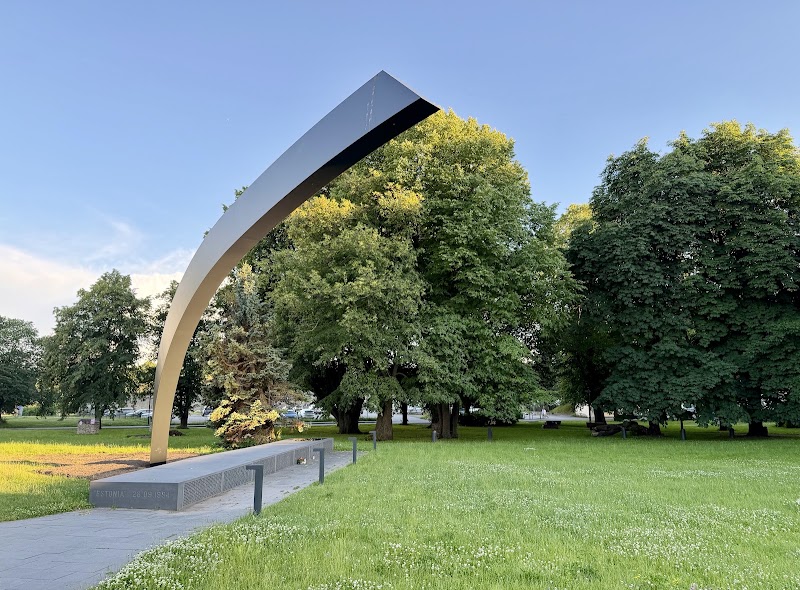
The Broken Line: A Quiet Memorial by Tallinn’s Harbour
This spare memorial near Fat Margaret honours the 852 people lost in the 1994 MS Estonia disaster with a powerful, fractured form.
Estonia · Pärnu
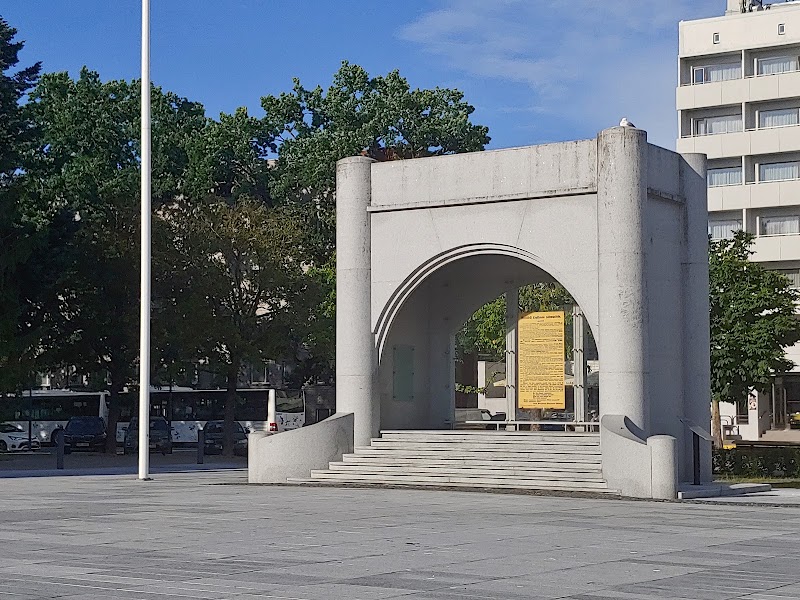
A Reflective Landmark in Central Pärnu
Public reviews describe this Pärnu monument as a clean, beautiful place with a clear connection to Estonia’s history.
Estonia · Haapsalu
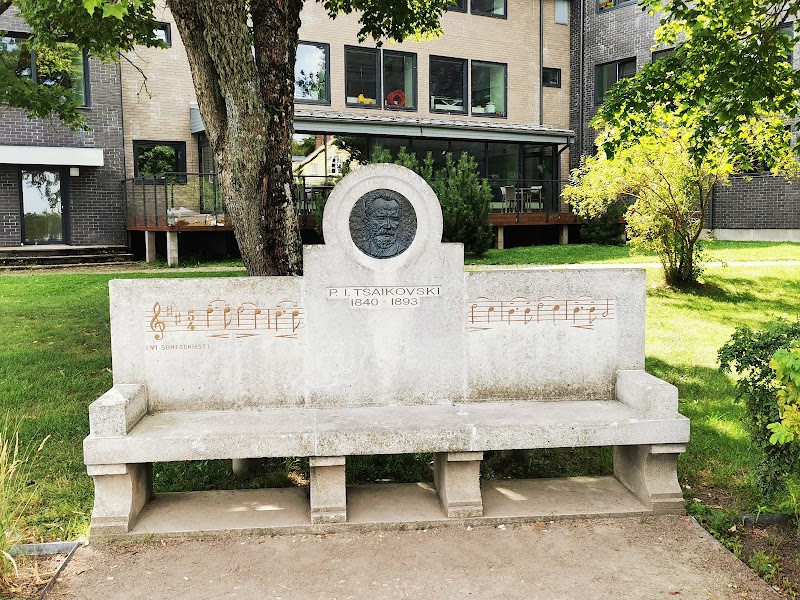
Tšaikovski Pink: A Musical Seafront Pause in Haapsalu
This small Haapsalu memorial combines a seafront bench, views of the surroundings and recorded Tchaikovsky music when the speakers are working.
Estonia · Tallinn
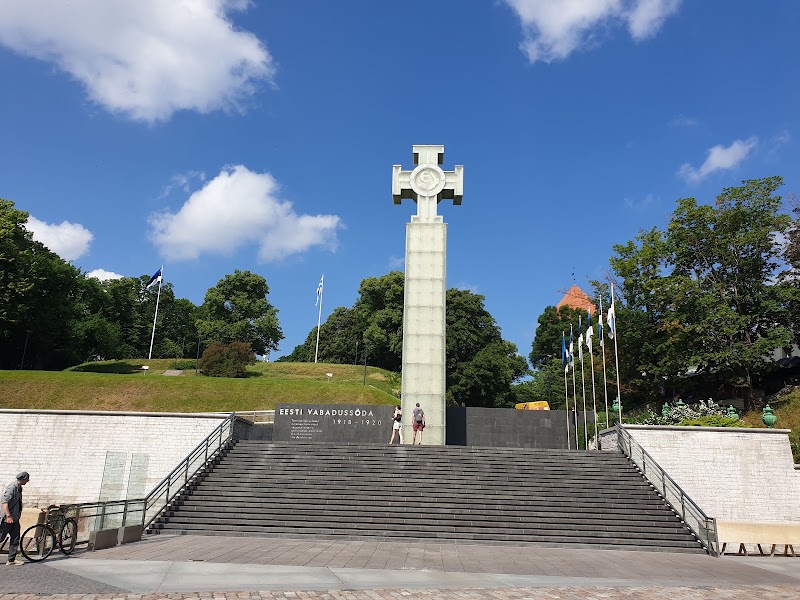
The War of Independence Victory Column in Tallinn
A striking glass and concrete monument in Freedom Square, the column commemorates Estonia’s War of Independence and is especially atmospheric after dark.