Jigme Dorji National Park: Big Scenery, Limited Facilities
Public reviews praise this Gasa national park for green forests, mountain rivers and approachable hiking, while warning that access requires planning.
More photos


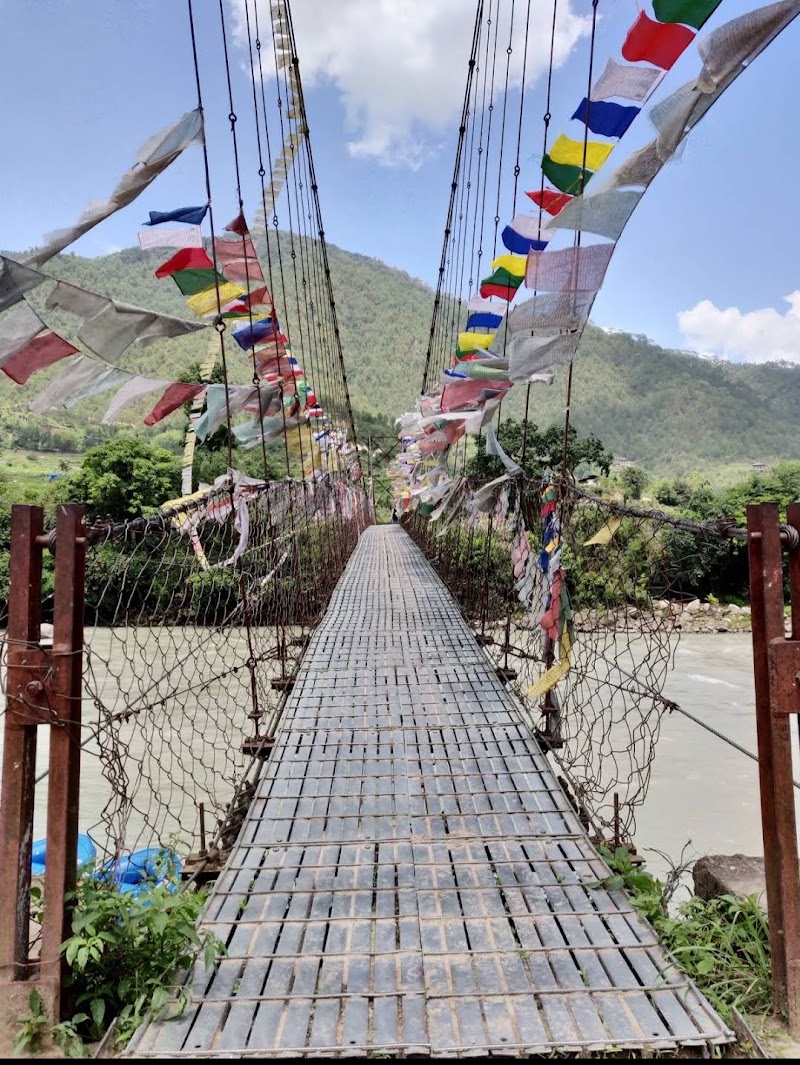

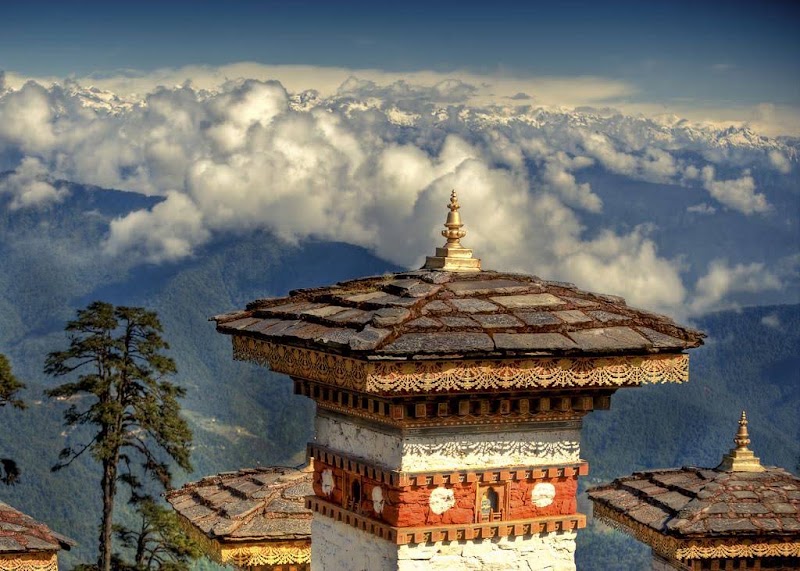
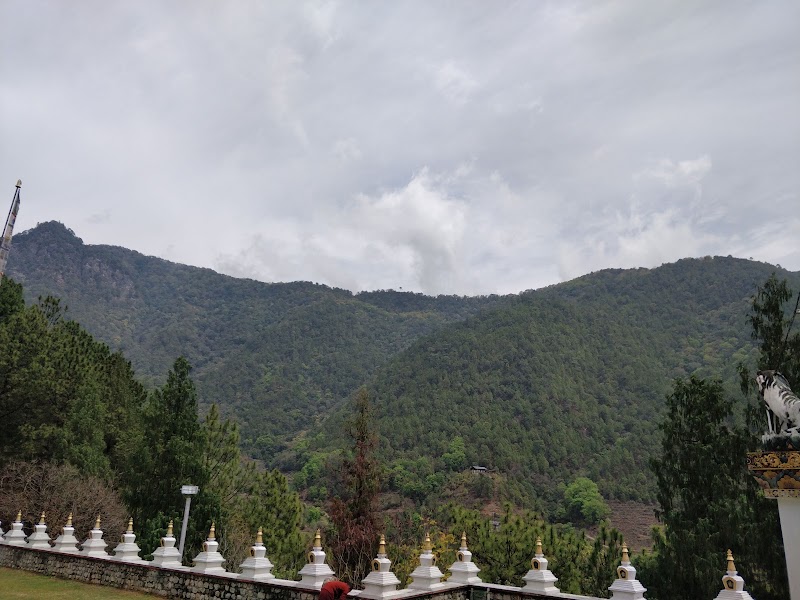
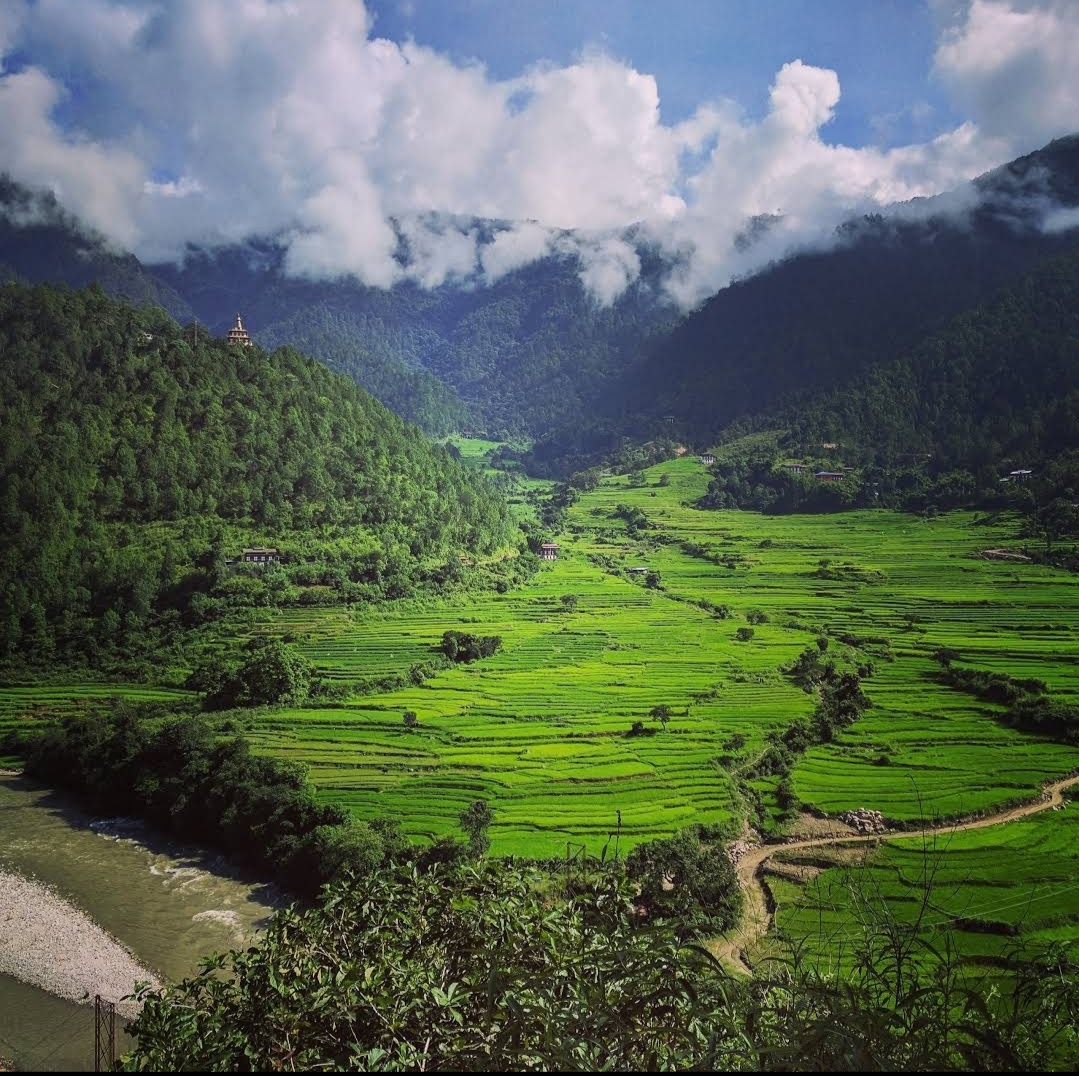
Photos published by travelers on Google, not AI generated.
What stands out
- Lush pine forest
- Green mountain slopes
- Clean river with mountain water
- Easy walk towards Laya
- Dzong and Buddha statue
Worth knowing
- Poor road conditions from Punakha
- Limited tourism infrastructure
- Advance tour planning recommended
Don't miss
What comes up most in public reviews
- Walk from Tasimakha towards Laya gewog
- See the clean mountain-fed river
- Ask a local agency about the dzong
- Ask about access to the Buddha statue
Worth the trip?
Review snapshot
Jigme Dorji National Park earns a Google rating of 4.2 from 345 reviews. Public feedback presents it as a nature-first destination where broad mountain scenery matters more than polished visitor facilities. Travellers repeatedly focus on greenery, pine forest, mountain slopes and clear river water, using words such as beautiful, refreshing and calming.
Several reviewers also identify it as Bhutan’s second-largest national park. That scale is part of the attraction, but the available comments offer more impressions of scenery than practical detail about specific routes, entry points or services. It suits visitors comfortable arranging logistics in advance rather than expecting an easy, self-contained sightseeing stop.
Landscape and sights
The strongest theme is natural beauty. Reviews describe lush pine forest around the park, green landscapes and mountain slopes that create a peaceful atmosphere. Clean rivers carrying mountain water also receive praise, giving the park’s scenery a crisp, unspoiled quality in traveller accounts.
One review pairs the landscape with a dzong and Buddha statue. These are among the few named cultural sights in the supplied feedback, although the comments do not provide enough detail to establish their precise locations, opening arrangements or how they fit into a typical park itinerary. They are best treated as points to ask a local operator about when planning the visit.
The park appears most rewarding for travellers who value quiet surroundings, forest views and the experience of moving through a large protected landscape. Reviews do not describe organised activities, visitor centres or extensive roadside facilities. The appeal rests primarily on the setting itself.
Hiking towards Laya
The clearest activity mentioned is the hike from Tasimakha, described as the base, to Laya gewog. One traveller reports completing the walk in about two hours and found the terrain unusually easy. That makes the route sound approachable compared with the park’s rugged mountain image.
However, this is a single account rather than a consistent pattern across many supplied reviews. Walking time and difficulty can vary with fitness, route conditions and the exact start or finish point. A guide or tour organiser should confirm the current trail, transport arrangements and whether the described section represents the full journey intended.
Access and planning
The main drawback is logistics. One reviewer warns that the road from Punakha is not in good condition and says tourism infrastructure around the national park is limited. The same review strongly recommends contacting a capable agency before travelling. No supplied feedback gives enough information about public transport, accommodation, food stops or on-site services.
That lack of detail makes advance organisation important. Travellers should confirm road conditions, suitable vehicles, local access requirements and hiking arrangements before departure. Extra time in the schedule would also reduce pressure if the approach is slow.
Overall, the review pattern supports Jigme Dorji National Park as a strong choice for scenery and calm rather than convenience. Its forests, rivers and mountain views attract consistent praise, while road quality and limited infrastructure keep it better suited to prepared travellers than spontaneous day-trippers.
Ask anything
Looking for somewhere else?
Keep exploring around Gasa
More from Bhutan

Bhutan · ཐིམ་ཕུུུུ
Ludrong Memorial Garden: A Calm Green Break in Thimphu
Riverside paths, lawns, ponds and Dzong views make this well-liked garden a restorative break from central Thimphu.
Bhutan · Dochula
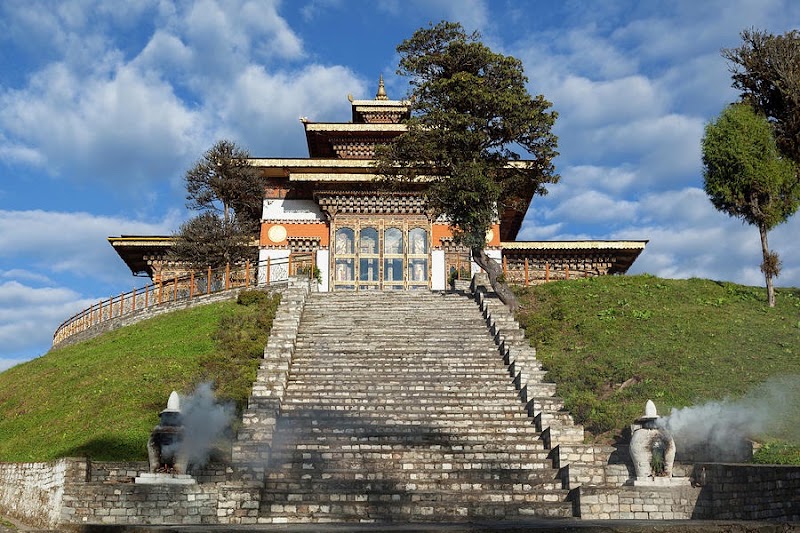
Druk Wangyal Lhakhang: Sacred Art at Dochula Pass
Facing Dochula’s 108 stupas, this serene Buddhist temple pairs richly painted interiors with expansive mountain-pass scenery.
Bhutan · Trongsa
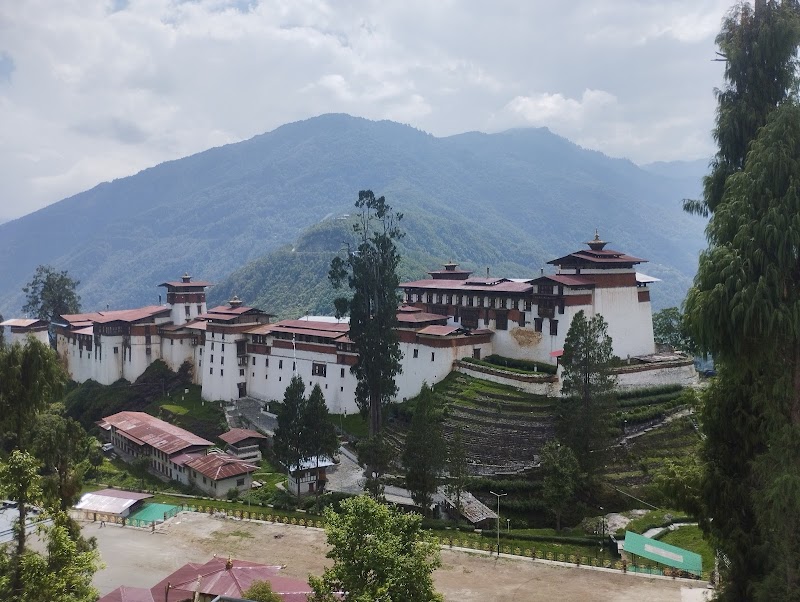
Trongsa Dzong: Bhutan’s Dramatic Ridge-Top Fortress
Public reviews praise this vast fortress complex for its intricate interiors, spiritual atmosphere and commanding views across the Trongsa valleys.
Bhutan · Jakar
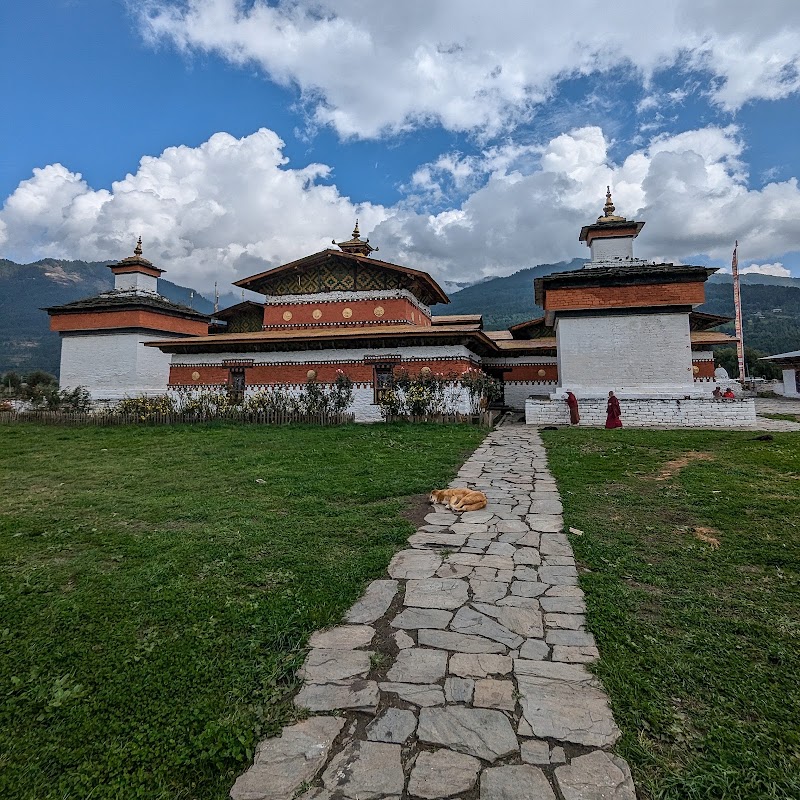
Jambay Lhakhang: ancient spirituality in Bumthang
This compact, active temple near Jakar combines deep religious significance with a quiet valley setting and centuries of Bhutanese history.