Jerónimos Monastery: Grand Stonework, Busy Entry
Belém’s celebrated monastery earns praise for its ornate cloister and maritime carvings, though advance booking does not always prevent a queue.
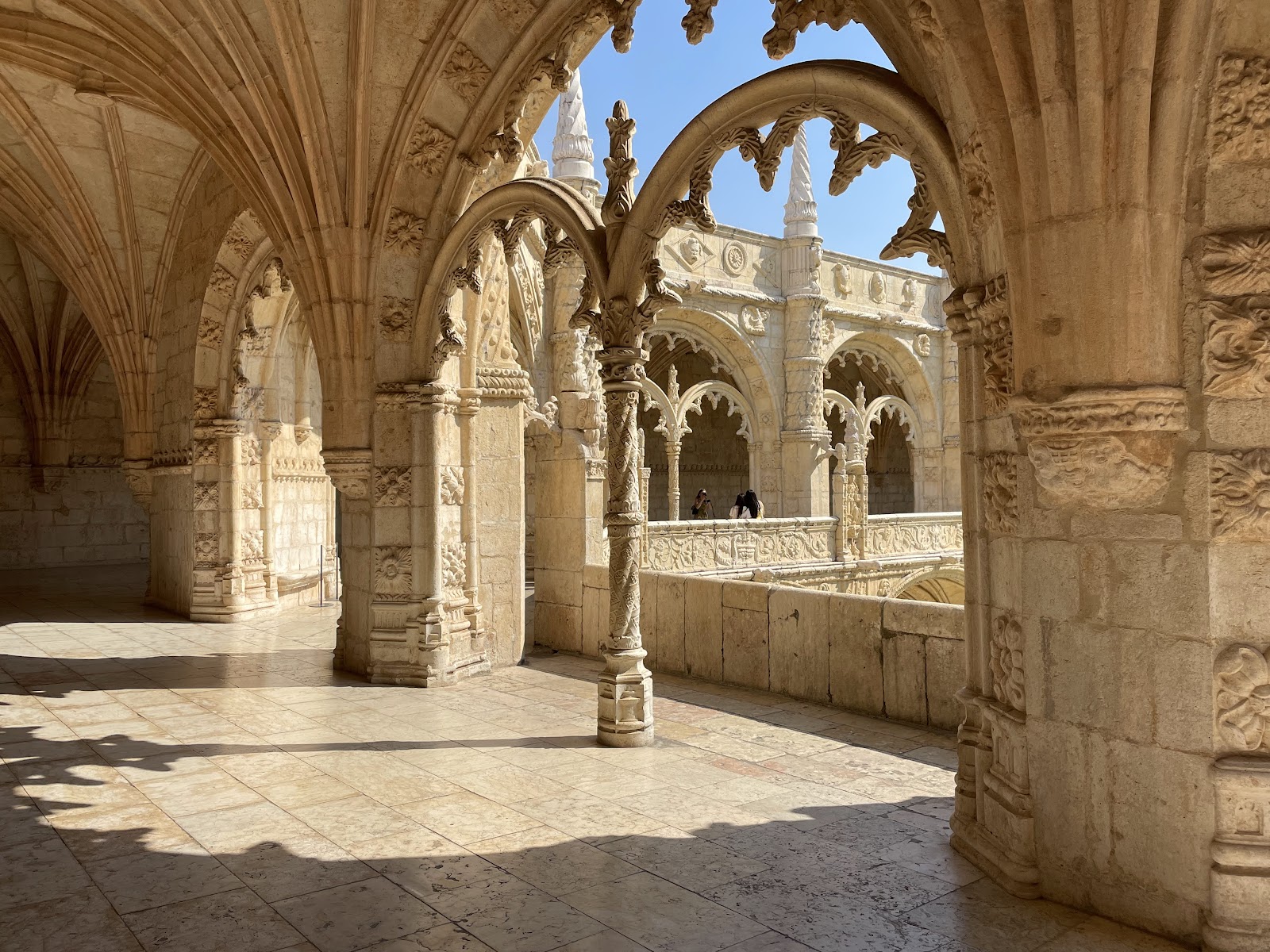
More photos


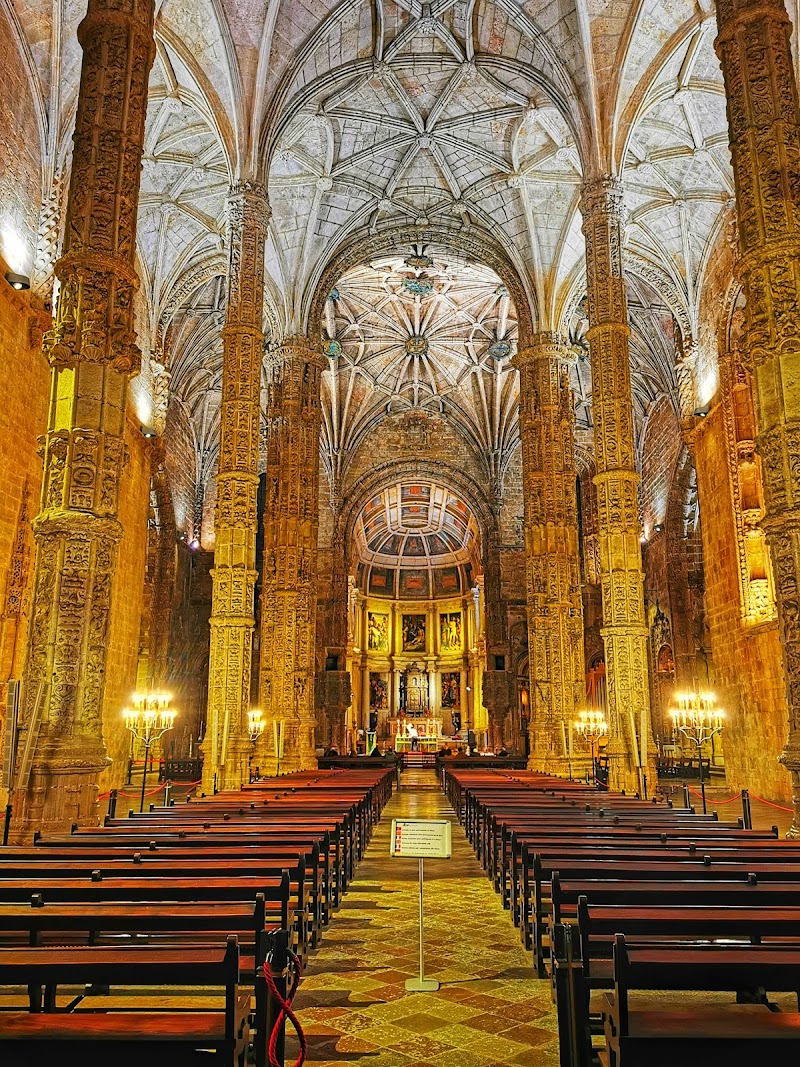
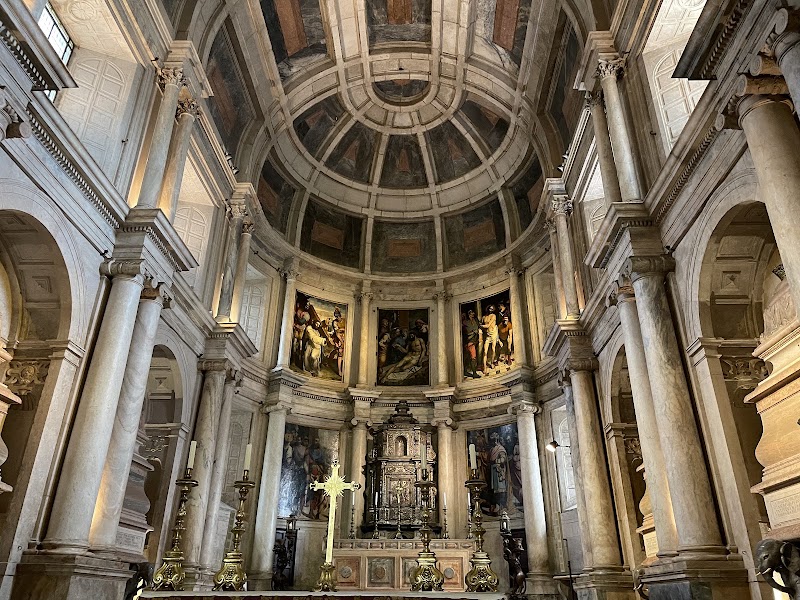
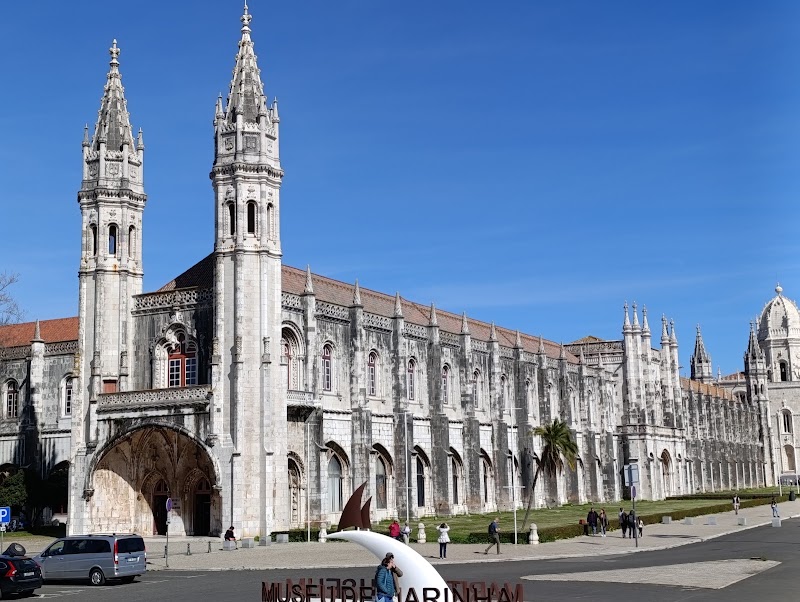

Photos published by travelers on Google, not AI generated.
What stands out
- Ornate Manueline stonework
- Maritime motifs and elegant arches
- Photogenic main cloister
- Detailed carved columns and walls
Worth knowing
- Timed tickets can still involve queues
- Peak summer brings heavier crowds
- Exterior restoration may restrict views
Don't miss
What comes up most in public reviews
- Walk through the main cloister
- Study the maritime carvings up close
- Photograph the cloister arches and columns
Worth the trip?
The verdict
Jerónimos Monastery is one of Belém’s essential landmarks, particularly for travellers interested in architecture, craftsmanship and Portuguese history. Its Google rating of 4.4 from 62355 reviews reflects broad admiration, and the supplied public reviews repeatedly focus on the quality of the stonework rather than the scale of the visit.
The monastery’s strongest feature is its cloister. Reviewers describe elegant arches, richly carved columns and walls covered in fine details. Maritime motifs are singled out as a distinctive part of the Manueline decoration, linking the building visually with Portugal’s past. Several visitors also note that the workmanship becomes more impressive at close range, when individual carvings are easier to appreciate.
What the experience is like
The cloister is widely considered beautiful and photogenic, with detailed stonework around almost every corner. Despite the visitor numbers, one reviewer found it peaceful to walk through. That balance between architectural drama and a relatively contemplative atmosphere appears to be a major part of the appeal.
Expect a focused landmark visit rather than an enormous complex. One reviewer found the main cloister area smaller than anticipated, although that did not diminish its visual impact. The experience is therefore likely to suit travellers who value intricate details and careful observation more than sheer size. Allowing time to look closely at the arches, columns and maritime carvings should be more rewarding than rushing around the circuit.
Tickets, timing and crowds
Advance online booking is strongly recommended in the reviews. Entry is managed through timed slots, but a reservation does not necessarily mean immediate admission. Visitors report waiting for their turn while staff control numbers, including during the busy first week of July. One traveller with a later reservation was admitted early after arriving well ahead of the allocated time, but that should be treated as an exception rather than a dependable policy.
An early visit is the clearest recurring strategy for reducing crowd pressure. Arriving before the assigned slot also provides a buffer for finding the queue and dealing with controlled entry. Those visiting in peak summer should be especially prepared for other tour groups and a wait outside.
Practical drawbacks
Crowding and queue management are the main concerns raised. The timed system can make the visit feel less spontaneous, while advance ticket holders may still need patience. Some public feedback also reports fencing around part of the exterior because of restoration work, limiting complete views of the building. As restoration conditions can change, checking the latest access information before travelling is sensible.
Even with those caveats, the review pattern is emphatically positive. Jerónimos Monastery works best as a half-day Belém stop centred on the cloister’s craftsmanship. Visitors who book ahead, arrive early and set realistic expectations about its size are most likely to understand why the architecture receives such consistent praise.
Ask anything
Looking for somewhere else?
Keep exploring around Lisboa
More from Portugal
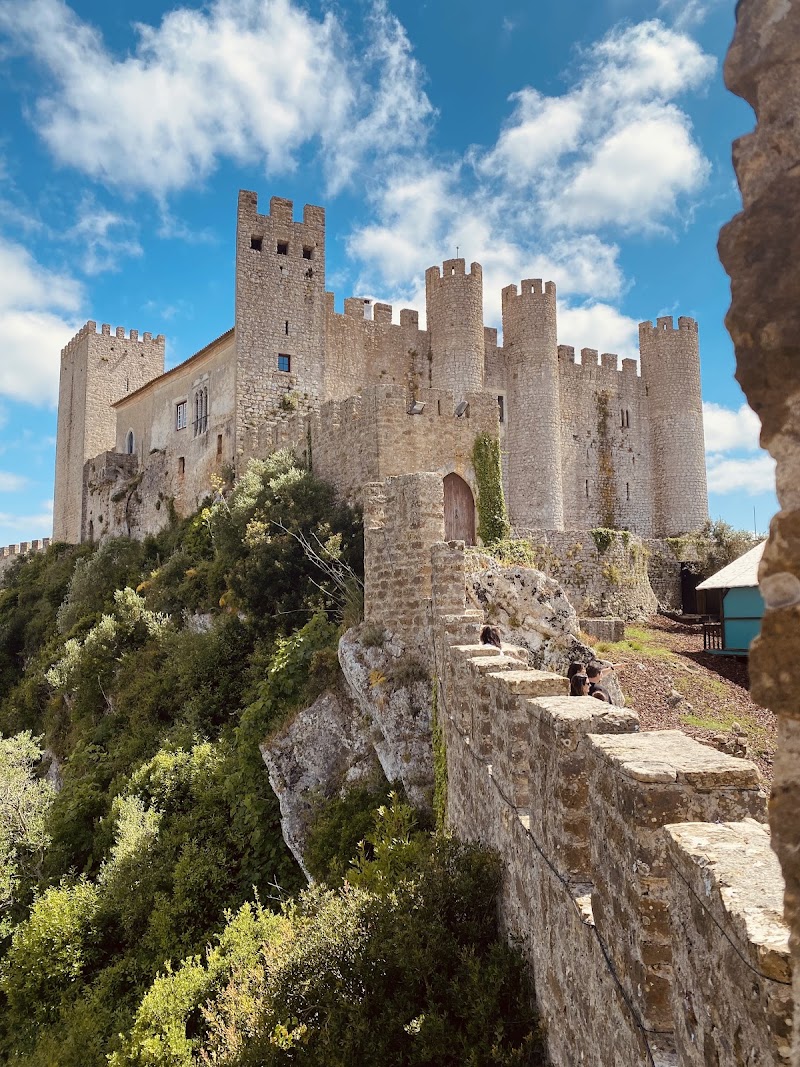
Portugal · Óbidos
Castelo de Óbidos: Medieval Walls and Old-Town Views
Óbidos rewards visitors with preserved walls, tiled gateways, cobbled lanes and broad views, even when the castle building itself is inaccessible.

Portugal · Sintra
National Palace of Sintra: Royal History in the Old Town
Sintra’s distinctive white palace earns praise for its twin chimneys, decorative interiors and layered Iberian and Moorish character.
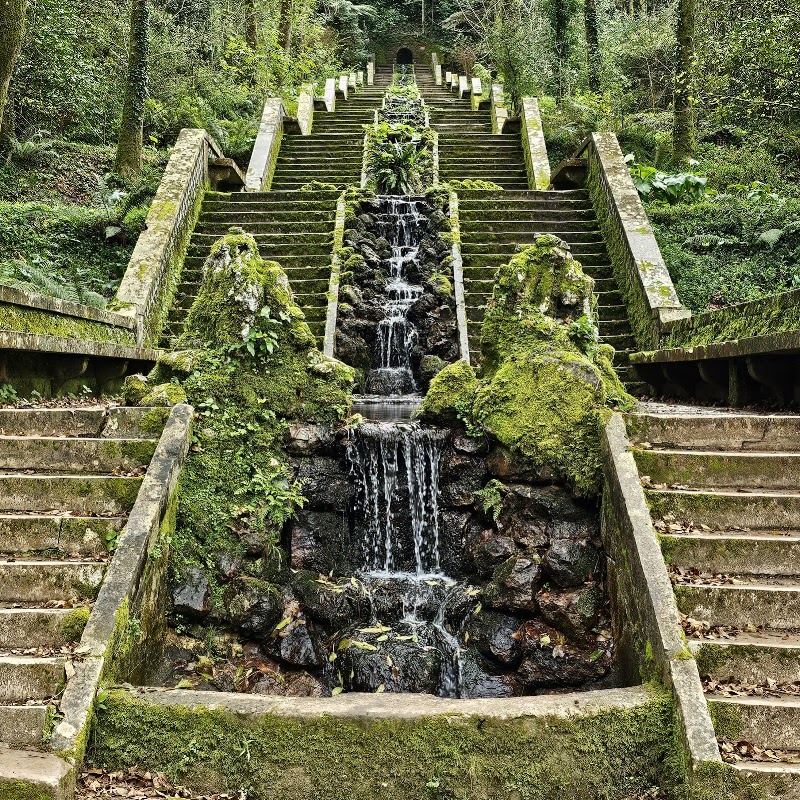
Portugal · Luso
Buçaco National Forest: Peaceful Trails and Palace Views
Near Luso, Buçaco pairs quiet woodland walks with ornate architecture, landscaped gardens, springs and viewpoints higher on the mountain.
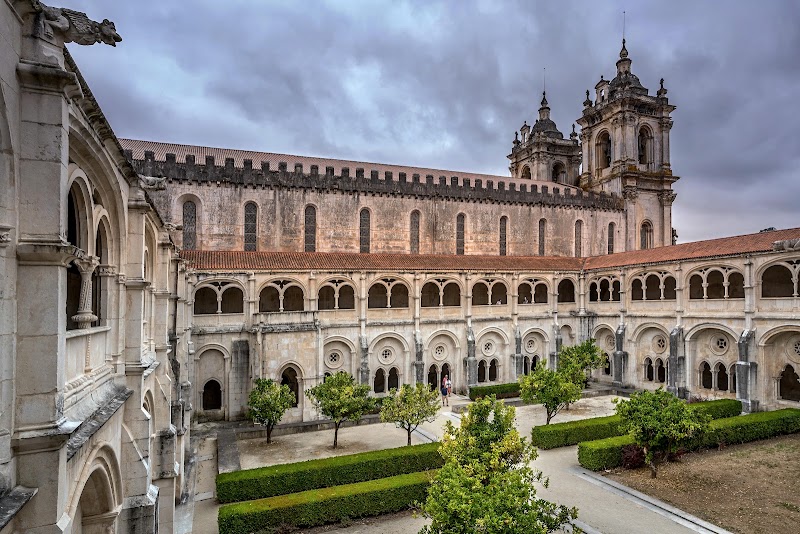
Portugal · Alcobaça
Monastery of Alcobaça: Gothic Scale and Quiet Cloisters
A vast Gothic church, atmospheric cloisters and elaborate medieval details make this UNESCO-listed monastery a rewarding cultural stop.