Jarrell Plantation offers a self-guided walk into the past
Historic buildings, period furnishings and informative signs make this Juliette site engaging, though access and interpretation have limitations.
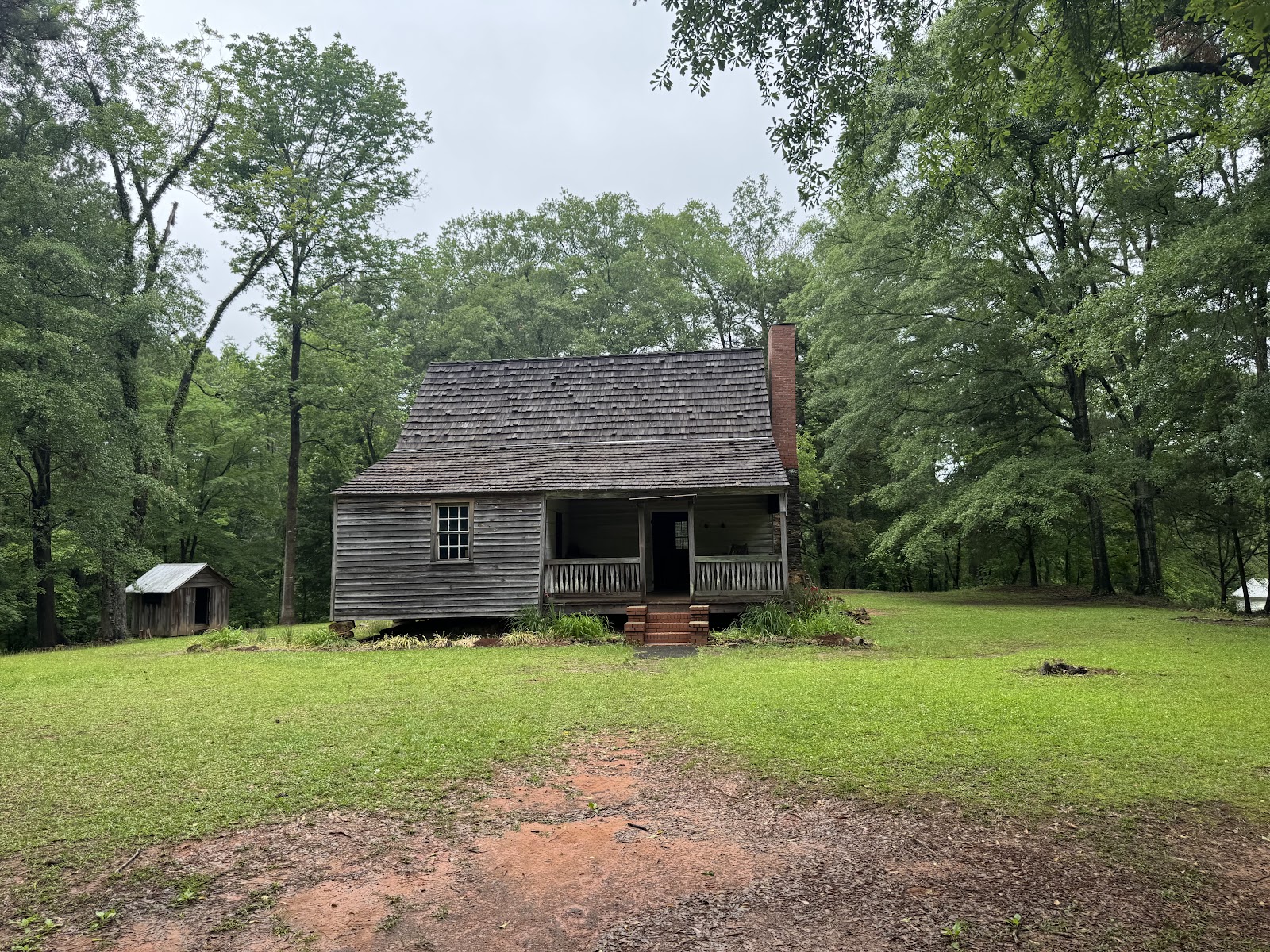
More photos

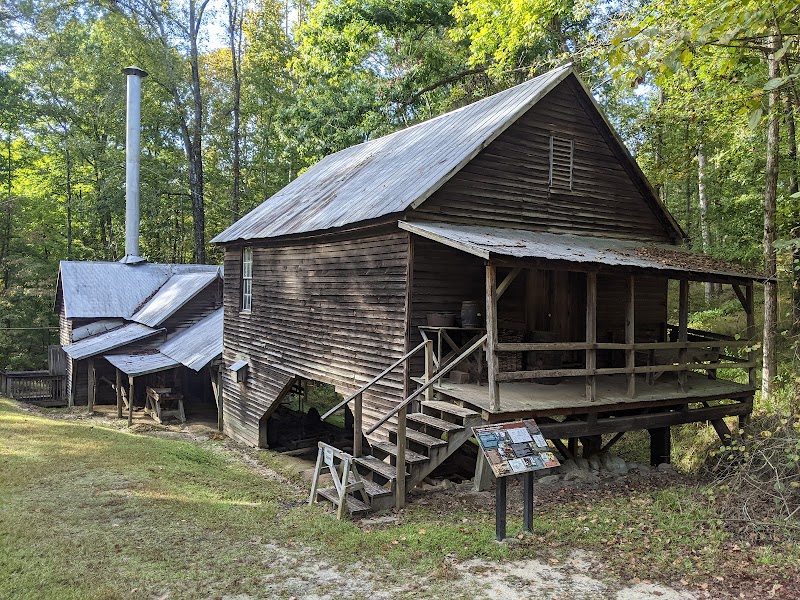
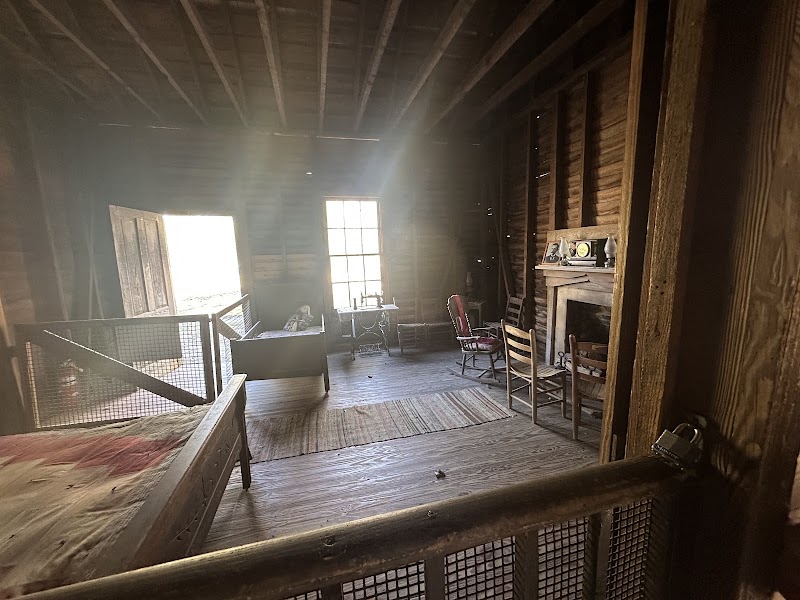
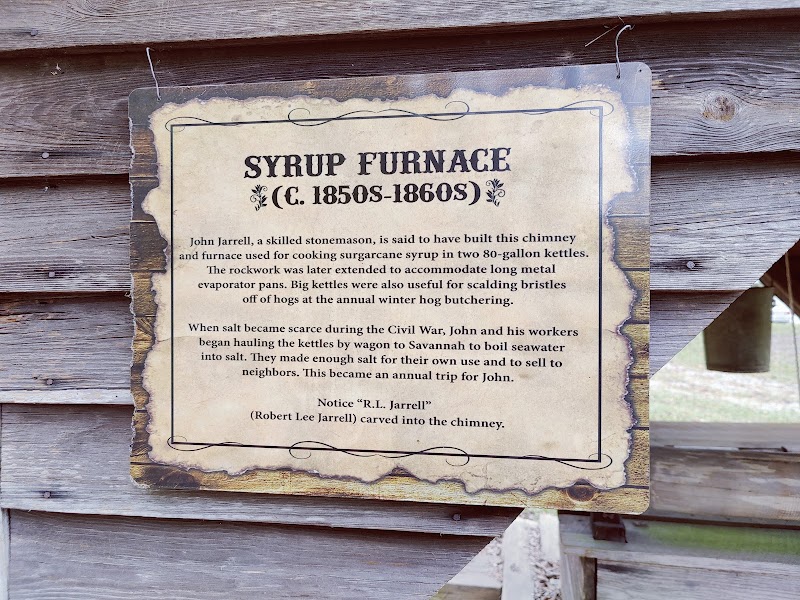

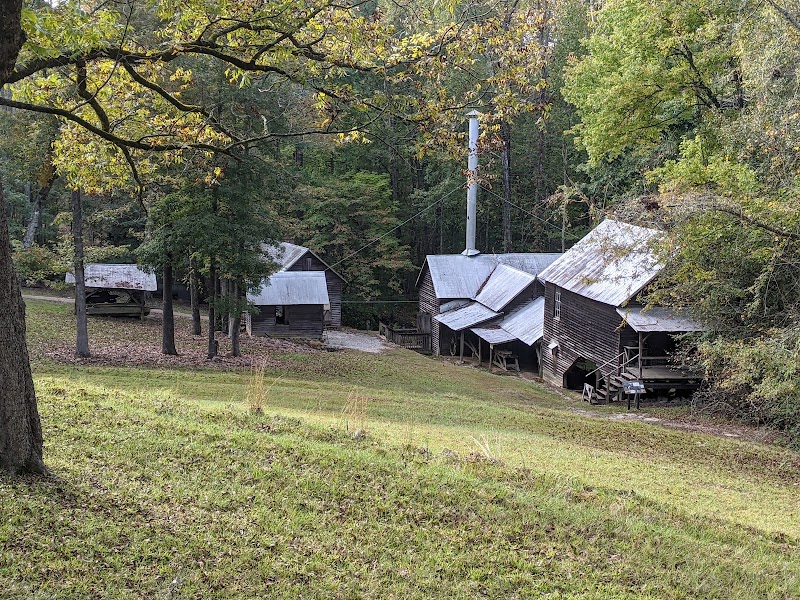
Photos published by travelers on Google, not AI generated.
What stands out
- Historic houses and barns
- Period furnishings and old tools
- Visitor center overview film
- Informative maps and building plaques
- Helpful ranger interactions
Worth knowing
- Lower trails may not suit mobility scooters
- Demonstration schedules may be unclear online
- Slavery interpretation may feel incomplete
Don't miss
What comes up most in public reviews
- Watch the visitor center overview film
- Follow the mapped walking tour
- Read the plaques beside the buildings
- Ask a ranger about houses and barns
- Check ahead for demonstration days
Worth the trip?
What public reviews say
Jarrell Plantation State Historic Site holds a Google rating of 4.6 from 365 reviews, with visitors frequently praising its preserved buildings, period furnishings and educational value. The experience centers on a self-guided walking route through the property, where maps and plaques explain the old houses, barns, tools and working life of the cotton farm.
Reviewers often describe the site as a worthwhile step back in time. Families report that children and grandchildren learned from the visit, while adults appreciated being able to examine the structures and equipment at their own pace. A few accounts also mention goats and chickens, small details that help make the grounds more engaging for younger visitors.
Start at the visitor center
The visitor center appears to be the strongest introduction to the site. Public feedback highlights an overview film covering the property and the Jarrell family’s history, giving visitors useful context before they begin the walking tour. Reviewers also note a gift shop and clean restrooms.
From there, the mapped paths lead between historic buildings and displays. Informational plaques add detail, and visitors consistently mention seeing old furnishings and tools. Ranger interactions can make a noticeable difference. Several reviewers found staff polite and informative, particularly when a ranger was available to explain a structure or provide closer access to a house or barn. That additional interpretation does not seem guaranteed, so the site works best for visitors who are comfortable following signs and written material independently.
Access and planning limitations
Mobility is the clearest practical concern in the reviews. Some paths are paved, but routes to lower buildings may be unpaved and unsuitable for a mobility scooter. As a result, visitors with limited mobility might not be able to reach every part of the property. The visitor center, film and accessible sections can still provide context, but the full tour involves walking over less accommodating ground.
Reviewers also raise concerns about event information. One account specifically says the website should be updated with demonstration days. Anyone hoping to see a scheduled demonstration should verify the current program directly with the site rather than relying on older online details.
Historical interpretation and verdict
The historic setting and agricultural displays earn strong marks, but at least one reviewer felt that the interpretation glossed over slavery and should acknowledge it more fully. That criticism is important at a former cotton plantation. Visitors seeking a comprehensive account of the people whose labor sustained the property may find the family-focused presentation incomplete.
Overall, the synthesized feedback points to an informative half-day attraction for history-minded families, heritage travelers and visitors who enjoy self-guided outdoor sites. The preserved buildings, introductory film and helpful rangers are the main strengths. Uneven accessibility, uncertain demonstration scheduling and concerns about the depth of slavery interpretation keep it from feeling fully rounded, but most reviewers still regard the visit as worthwhile.
Ask anything
Looking for somewhere else?
Keep exploring around Juliette
More from Georgia
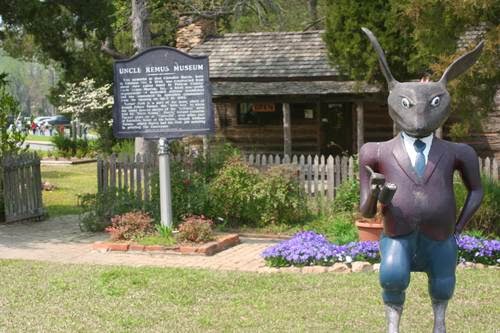
Georgia · Eatonton
Historic Uncle Remus Museum: Stories in a Sobering Setting
Eatonton’s compact museum pairs Uncle Remus memorabilia with informed interpretation inside three relocated former slave cabins.
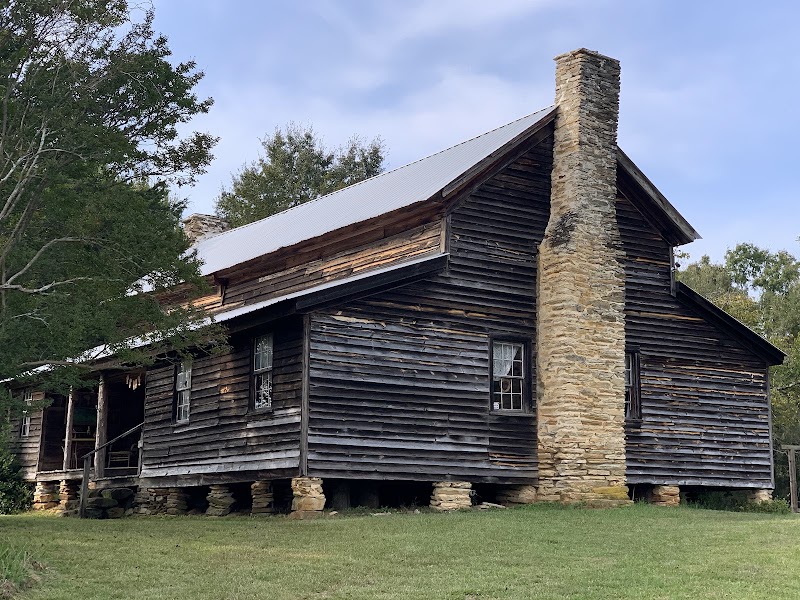
Georgia · Alto
Fort Hollingsworth–White House: A Peaceful Historic Stop
Public reviews describe a beautifully kept collection of old buildings where local history and personal ancestry feel unusually close.
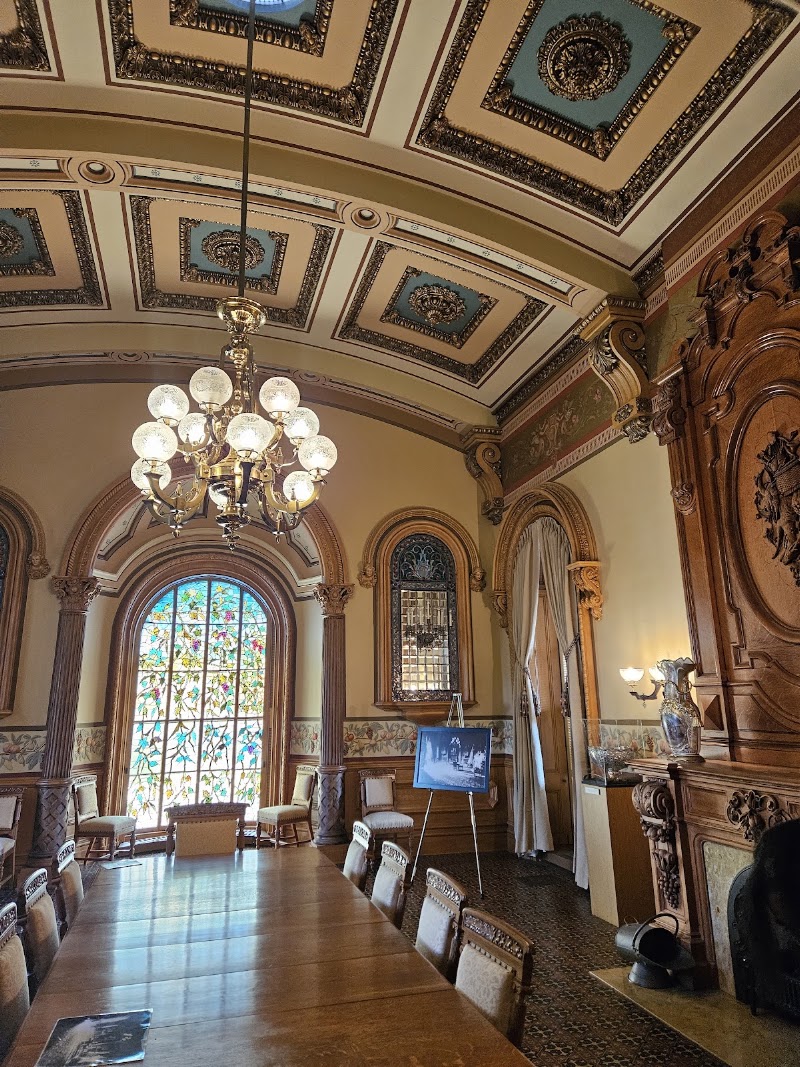
Georgia · Macon
Hay House: Grand Interiors and Standout Guided Tours
Macon’s Hay House earns strong praise for its ornate rooms, thoughtful restoration and guides who bring the property’s history to life.
Georgia · Waycross
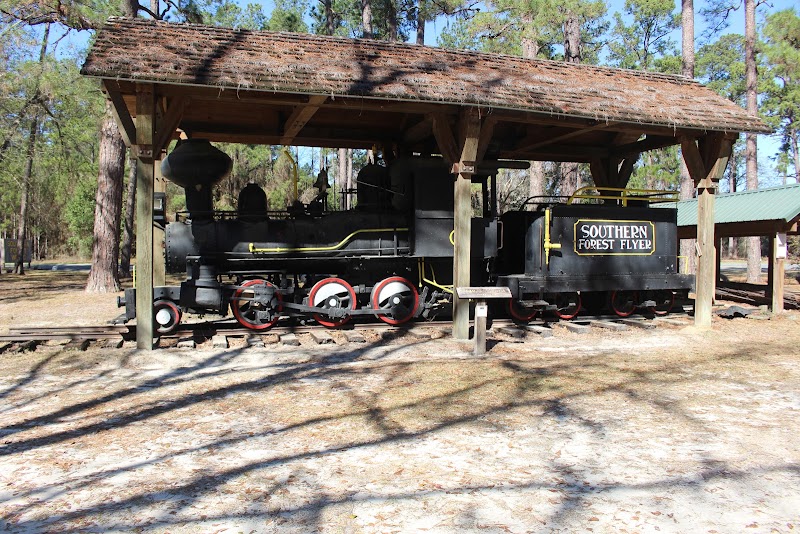
Southern Forest World: Forestry, Wildlife and Family Fun
Waycross’s forestry museum combines regional history, wildlife displays, interactive exhibits and outdoor space suited to families.