Jambay Lhakhang: ancient spirituality in Bumthang
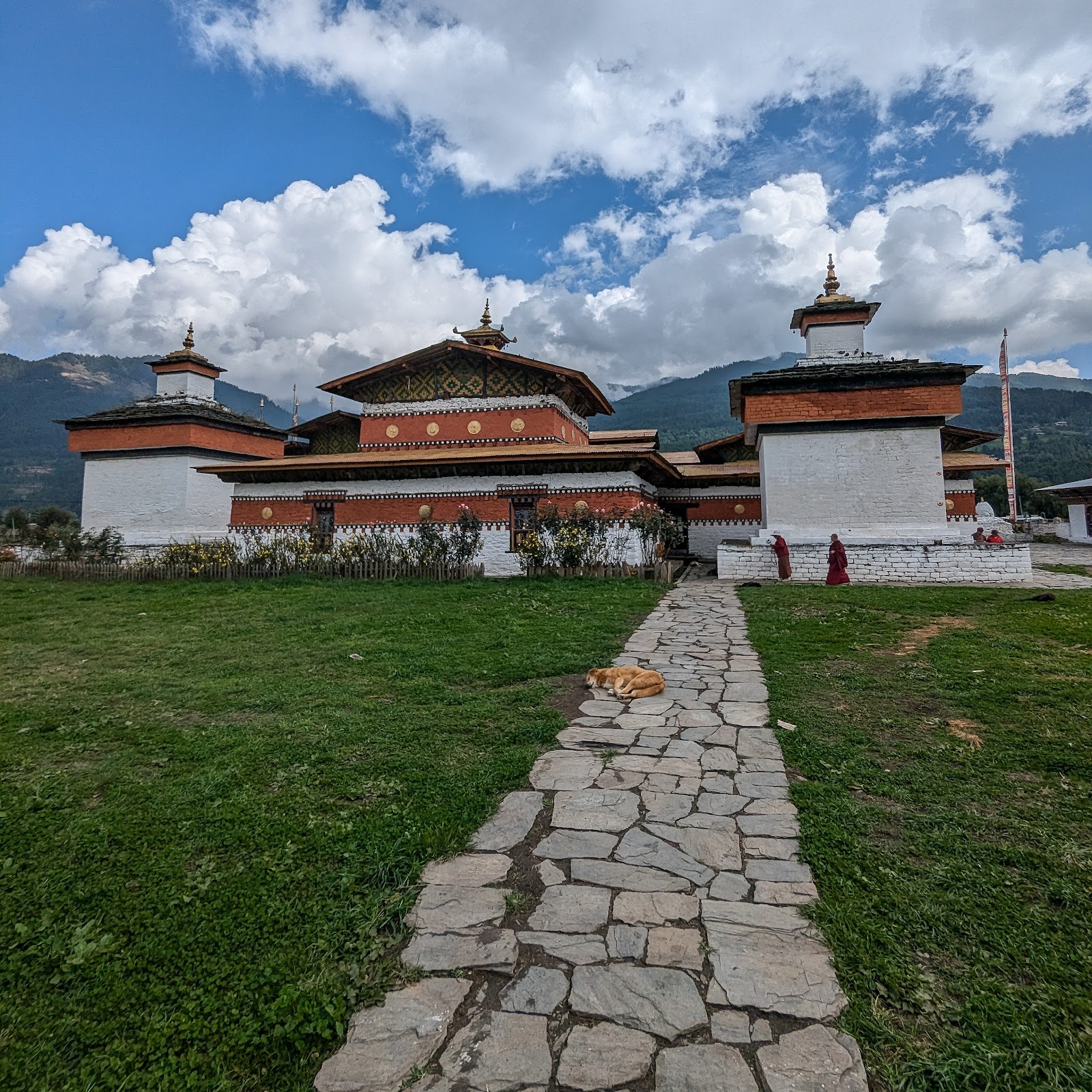
This compact, active temple near Jakar combines deep religious significance with a quiet valley setting and centuries of Bhutanese history.
More photos
Photos published by travelers on Google, not AI generated.
What stands out
- One of Bumthang’s oldest temples
- Living local worship and prayer wheels
- Legend of the 108 Himalayan temples
- Quiet Bumthang valley setting
- Compact site rich in symbolism
Worth knowing
- Public accounts give conflicting foundation dates
- Barking dogs may be heard on the walk
Don't miss
What comes up most in public reviews
- The 108-temple demoness legend
- The temple’s Maitreya association
- Locals turning the prayer wheels
- A walk through the surrounding valley
Worth the trip?
Why it stands out
Jambay Lhakhang, also written as Jampa Lhakhang, is frequently described in public reviews as one of Bumthang’s oldest temples and one of its most spiritually important. It has a Google rating of 4.7 from 113 reviews. Grand architecture is rarely the focus. Instead, visitors write about the atmosphere, the symbolism and the sense of worship carried on across centuries.
The temple is small. For reviewers, that hardly lessens its effect. The words mystical and sacred appear repeatedly, as do mentions of a strong energy at the site. Its power seems to come from its age, its continuing religious use and its prominent place in Himalayan Buddhist tradition.
History and symbolism
Public reviews identify Jambay Lhakhang as the Temple of Maitreya, founded by the Tibetan king Songtsen Gampo. Most give the date as the 7th century, although one review puts it in the early 6th century. Informal accounts therefore leave anyone checking the chronology with conflicting dates.
The best-known story says that Jambay Lhakhang was one of 108 sanctuaries built across the Himalayas to subdue a giant demoness or ogress. Many visitors see that legend as the key to understanding the temple’s place in Bhutan’s sacred geography. Reviews place considerable weight on both its symbolism and ancient history. Several also note that a short explanation from a guide can give the visit more meaning.
A living place of worship
Jambay Lhakhang is not kept solely as a tourist attraction, something the reviews make plain. Locals quietly turn prayer wheels. Children play nearby, while everyday life continues around the grounds. This active devotional life accounts for much of the temple’s appeal. It remains reverent without feeling separated from the community around it.
Some visitors combine the temple with a walk through the Bumthang valley, while others arrive after a short drive from Jakar. One account describes a peaceful approach from a nearby hotel, with pine scents, quiet paths and barking dogs along the way. In that review, the journey and surrounding landscape are part of the experience, rather than simply the route in.
Planning the stop
The site is compact, so a visit need not take long. Visitors interested in Bhutanese spirituality or early Himalayan Buddhist history may want more time to absorb the setting and hear the temple’s origin story. Public reviews show no consistently preferred season or time of day.
As Jambay Lhakhang remains an active place of worship, it is best treated as a sacred site rather than a conventional sightseeing stop. Reviewers respond most strongly to quiet observation, historical context and the sight of local religious practice continuing around them. Overall, public feedback presents it as a particularly worthwhile stop within a broader temple walk or cultural itinerary around Jakar and the Bumthang valley.
Plan the rest of the trip
Ask anything
Looking for somewhere else?
Keep exploring around Jakar
More from Bhutan

Bhutan · ཐིམ་ཕུུུུ
Ludrong Memorial Garden: A Calm Green Break in Thimphu
Riverside paths, lawns, ponds and Dzong views make this well-liked garden a restorative break from central Thimphu.
Bhutan · Dochula
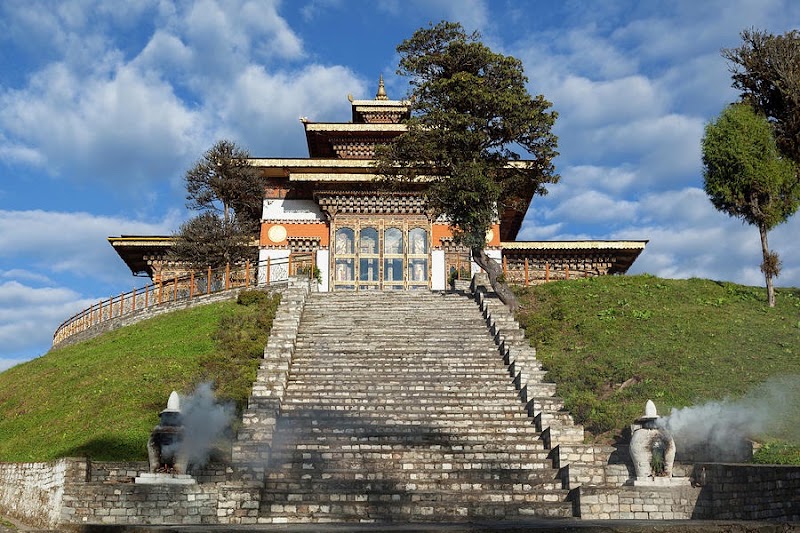
Druk Wangyal Lhakhang: Sacred Art at Dochula Pass
Facing Dochula’s 108 stupas, this serene Buddhist temple pairs richly painted interiors with expansive mountain-pass scenery.
Bhutan · Trongsa
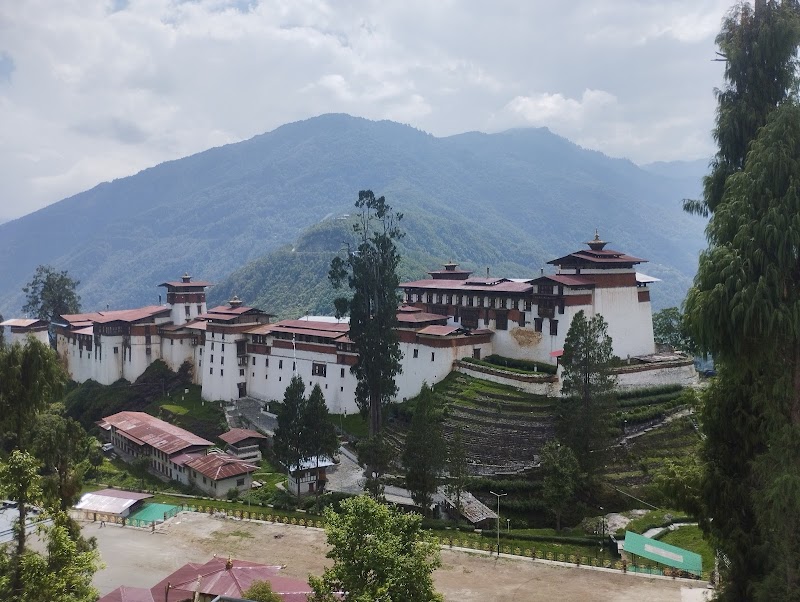
Trongsa Dzong: Bhutan’s Dramatic Ridge-Top Fortress
Public reviews praise this vast fortress complex for its intricate interiors, spiritual atmosphere and commanding views across the Trongsa valleys.
Bhutan · Nubding
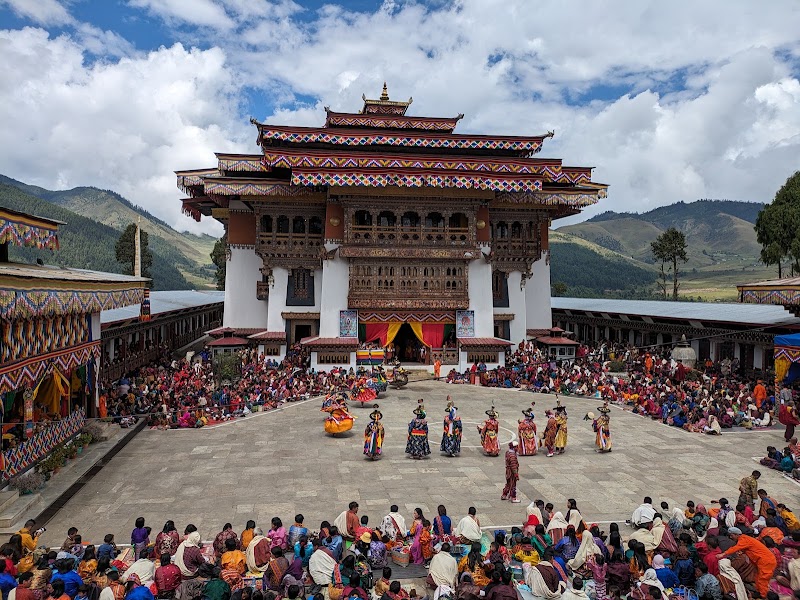
Gangtey Monastery: Spiritual Calm Above Phobjikha Valley
Traditional architecture, a peaceful courtyard and broad Phobjikha Valley views make this monastery a rewarding cultural stop in central Bhutan.