Jabreen Castle: Painted Ceilings and Rooftop Views
This elegant Omani castle pairs intricate residential rooms and painted ceilings with broad views across palms and desert.
More photos


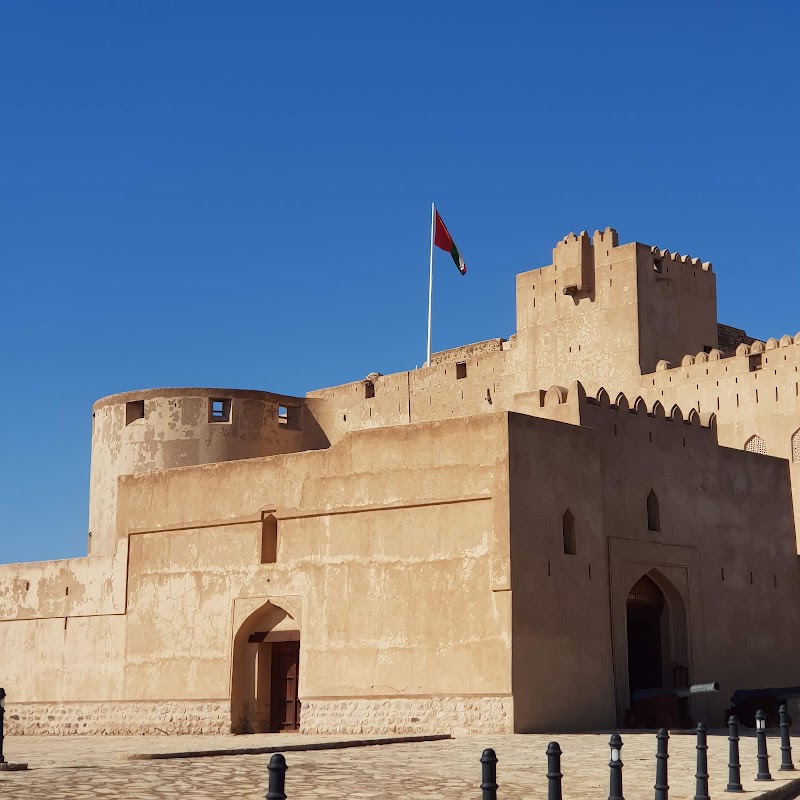
Photos published by travelers on Google, not AI generated.
What stands out
- Painted and carved wooden ceilings
- Intricate rooms and passages
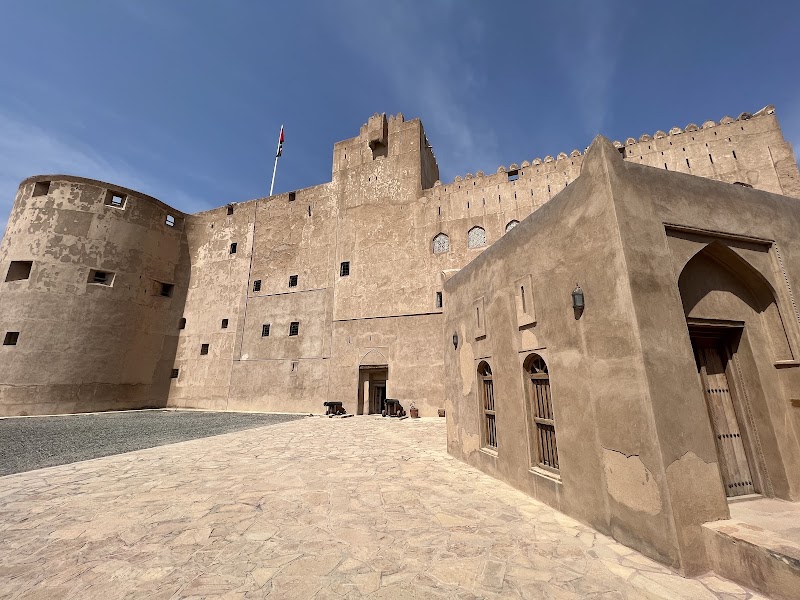
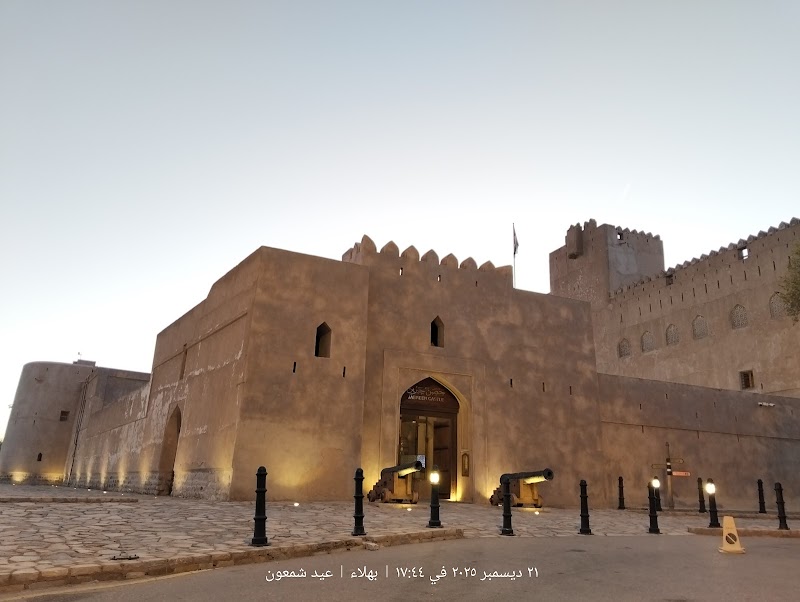
- Residential and defensive architecture
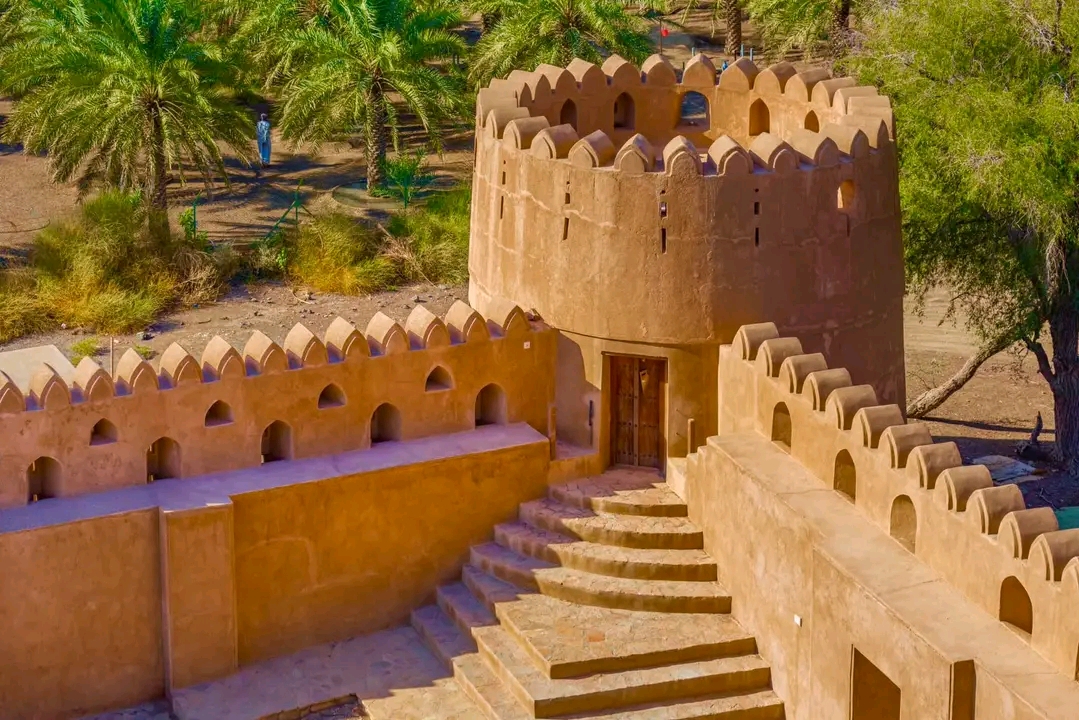
- Rooftop views over palms and desert
Don't miss
What comes up most in public reviews
- Look closely at the decorated ceilings
- Explore the smaller rooms and passages
- Climb to the rooftop terrace
- Take in the surrounding landscape
Worth the trip?
Why Jabreen Castle stands out
Jabreen Castle earns a Google rating of 4.6 from 2032 reviews, with public feedback consistently praising its combination of architecture, decoration and atmosphere. Travellers often distinguish it from more overtly military forts in Oman. Although defensive elements remain part of the design, reviewers describe a building that also feels like a refined residence, with spaces shaped by learning, art and domestic life.
Built in the late 17th century, according to the supplied public feedback, the castle is repeatedly characterised as an excellent introduction to Omani history and architecture. Its appeal lies less in monumental scale than in the detail encountered from room to room. Reviewers frequently mention an intricate plan, small passages and unexpected spaces that reward unhurried exploration.
Interiors worth exploring
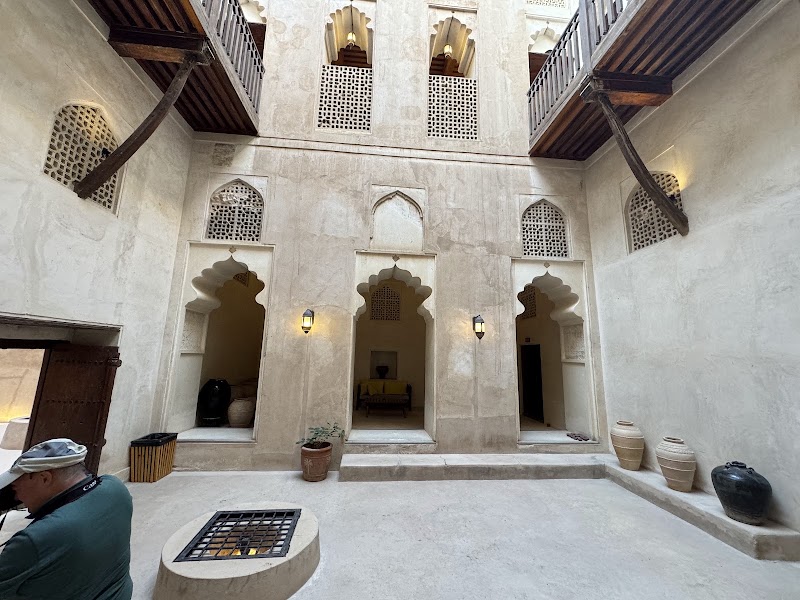
The decorated interiors are the strongest recurring theme in traveller reviews. Painted and carved wooden ceilings attract particular attention, alongside delicate plasterwork, wall paintings and furnished or interpreted rooms containing displayed objects. These elements help visitors picture the castle as an inhabited residence rather than an empty defensive shell.
Several reviews describe the building as well preserved or beautifully restored. The sequence of rooms, courtyards and narrow passages creates a sense of discovery, while the mix of residential and defensive features provides useful context for how the building may have functioned. Public feedback suggests that visitors who usually find forts repetitive may appreciate Jabreen’s more decorative character and complex interior layout.
The castle is also considered highly photogenic. Elegant ceilings and framed views through doorways provide strong interior subjects, while the warm-toned walls and courtyards reflect the architectural style that reviewers associate with Oman’s cultural heritage.
Rooftop views
The rooftop terrace and upper levels are among the most frequently praised parts of the visit. Reviewers highlight broad views over the surrounding landscape, including date palms and desert scenery. The elevated outlook also makes the castle’s setting easier to understand, showing how the structure relates to the open terrain around Bahla.
These views are described as a worthwhile conclusion to the interior route. After the succession of decorated rooms and enclosed passages, the rooftop provides a contrasting sense of space. It is one of the clearest recurring recommendations in public feedback and should not be skipped.
Who should visit
Jabreen Castle suits travellers interested in architecture, Omani history and photography, as well as those who enjoy exploring buildings independently. Reviews suggest it works particularly well as a stop while travelling through Oman’s interior or continuing towards Jabal Shams.
The overall verdict from public ratings and reviews is strongly positive. Visitors repeatedly praise the variety of rooms, decorative ceilings, intricate passages and rooftop panorama. Rather than presenting only fortifications, Jabreen offers a layered look at residential, cultural and defensive design in one well-preserved landmark.
Ask anything
Looking for somewhere else?
Keep exploring around Bahla
More from Oman
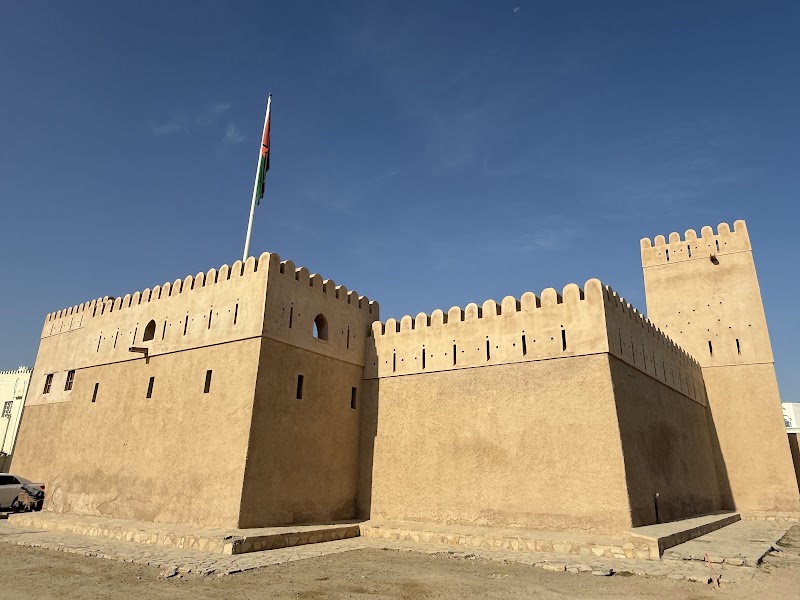
Oman · Sur
Al Ayjah Castle: A Brief Look at Sur’s Fort Architecture
This compact, renovated castle in old Sur offers accessible towers and rooms, but limited interpretation and sparse interiors.
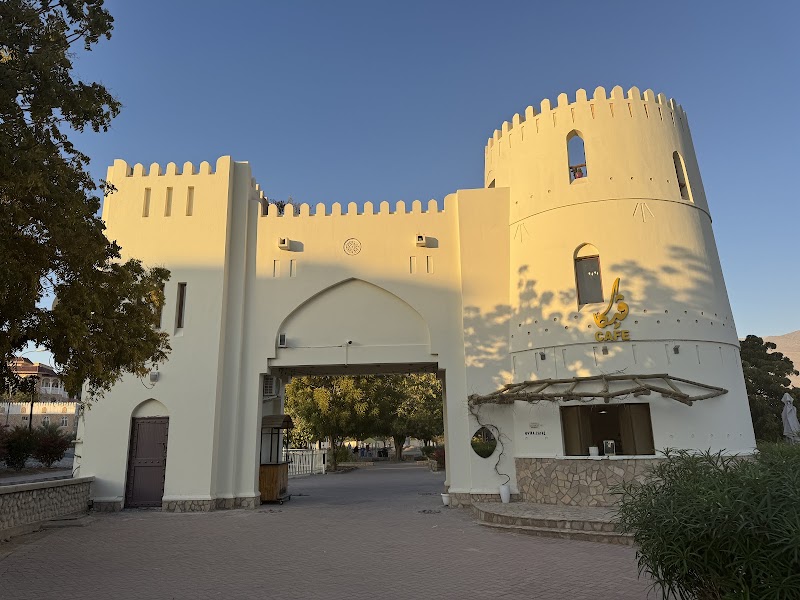
Oman · Nizwa
Falaj Daris Park: Green Space and Irrigation Heritage
This relaxed Nizwa park pairs lawns and family space with flowing water from Oman’s historic Falaj Daris irrigation system.
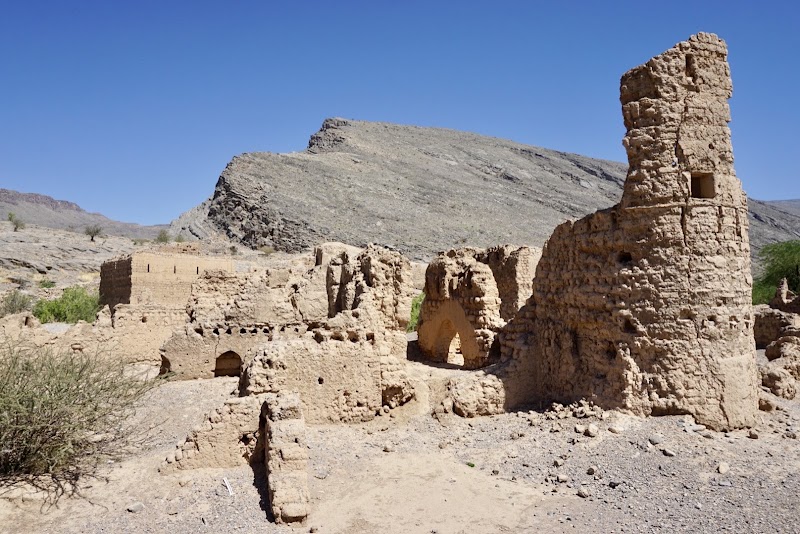
Oman · Tanuf
Tanuf Castle Ruins: A Quiet Window into Old Oman
Near Nizwa, these atmospheric ruins offer traditional architecture, uncrowded exploration and strong photography potential in a compact stop.

Oman · Muscat
The National Museum of Oman: A Clear Guide to the Sultanate
Muscat’s National Museum earns strong marks for thoughtful displays covering Omani history, maritime ties, faith, culture and royal heritage.