Jabal Al Banat, Hegra’s Monumental Tomb Complex
Jabal Al Banat is one of Hegra’s most striking clusters of Nabataean tombs, known for carved facades, inscriptions and a broad sandstone setting.

More photos
Photos published by travelers on Google, not AI generated.
What stands out
- 29 rock-cut tombs
- Intricate sandstone facades
- Ancient inscriptions and motifs
- Wide desert setting
- Nabataean funerary architecture
Worth knowing
- Most tomb interiors are not open to visitors
- Confirm current bus and access arrangements
Don't miss
What comes up most in public reviews
- Tomb number 26
- The carved facades
- The inscriptions and motifs
- Ask about the local legend behind the name
Worth the trip?
What the reviews show
Jabal Al Banat receives a Google rating of 4.7 from 179 reviews. Public feedback is consistent about the site’s visual impact: this is a large group of tombs cut directly into sandstone, with facades that reward a slower look. Visitors describe it as one of the prominent landmarks at Hegra, also known as Mada’in Salih, the archaeological area in Al-‘Ula within Medina Province, Saudi Arabia.
The attraction is not a single tomb or isolated rock face. It is a tomb complex spread around the mountain. One review identifies 29 tombs at Jabal Al Banat, making the cluster substantial even within Hegra’s wider archaeological landscape. The carvings, inscriptions and decorative motifs are the main focus, while the surrounding desert scenery adds scale.
Why it stands out
The architecture carries the visit. Reviewers repeatedly point to the intricacy of the facades and the skill involved in carving them into the rock. Some describe Jabal Al Banat as a citadel of tombs, a useful description for travellers trying to understand the density of the site. The mountain’s name is associated in reviews with tombs owned, commissioned by or intended for women. Other accounts connect the name to carvings depicting women and to a local legend with similarities to the story of Rapunzel.
Those explanations are part of the place’s appeal, but the stonework remains the strongest reason to come. Ancient inscriptions and motifs give the facades detail that is easy to miss when seen only in passing. The public reviews encourage visitors to take their time and examine each tomb rather than treating the stop as a quick photograph.
Planning the visit
Access inside the tombs is limited according to the reviews. Visitors cannot enter every chamber, while tomb number 26 is specifically identified as one that can be entered. That restriction matters: Jabal Al Banat is chiefly an architectural and landscape experience, viewed from the outside, with a particular opportunity to see the interior of tomb 26.
Reviews also mention buses serving the site and suggest that missing one does not end the visit, as another will arrive. The exact transport arrangements are not detailed in the available material, so travellers should confirm the current visitor process before setting out. No public price level is supplied for this listing.
Who should go
Jabal Al Banat suits travellers interested in ancient architecture, Nabataean history and large-scale desert archaeology. It works especially well for visitors who enjoy reading carved details and comparing tomb facades across a single complex. Those expecting broad access to the interiors may find the experience more limited than anticipated.
The strongest visit is unhurried. The reviews favour close attention to the inscriptions, motifs and individual facades, with time also reserved for the sandstone landscape around the mountain. It is a focused stop within Hegra, and one of the clearest places to see how the Nabataeans shaped the rock into memorial architecture.
Plan the rest of the trip
Ask anything
Looking for somewhere else?
Keep exploring around Hegra
More from Saudi Arabia
Saudi Arabia
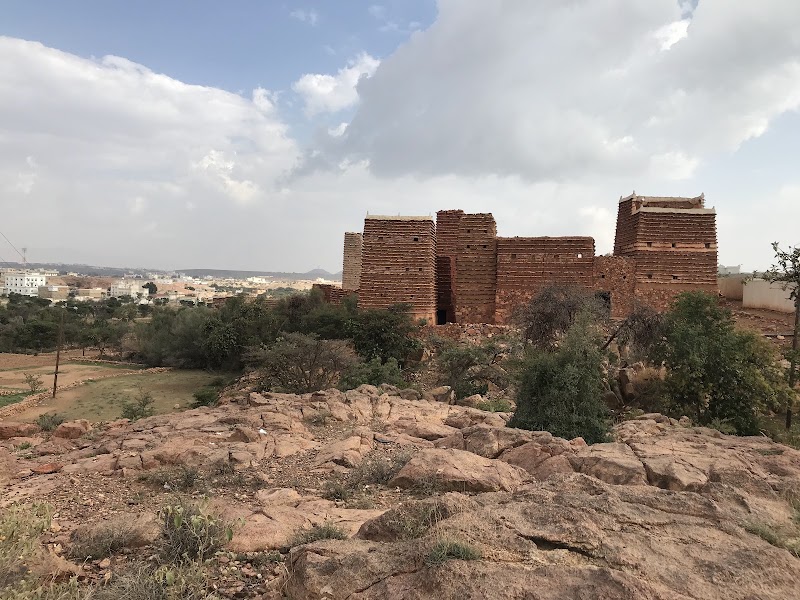
Al-Jahamah Historical Village: A Quiet Red-Hewn Heritage Stop
Public reviews describe a striking but fragile heritage village, best approached as a short, self-guided detour with care around unrestored buildings.
Saudi Arabia · Diriyah
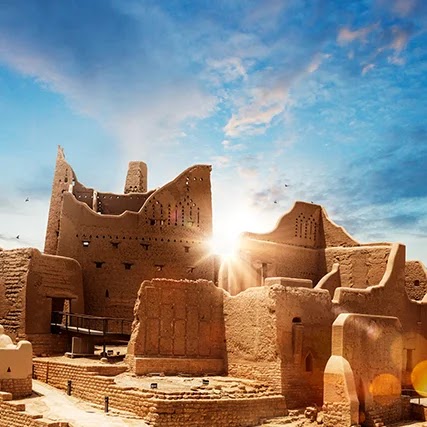
Historic Diriyah Fort: Saudi Arabia’s Mud-Brick Heritage District
Public reviews praise Historic Diriyah Fort for its restored Najdi architecture, museums, walking paths and atmospheric evening visits.
Saudi Arabia · Hegra
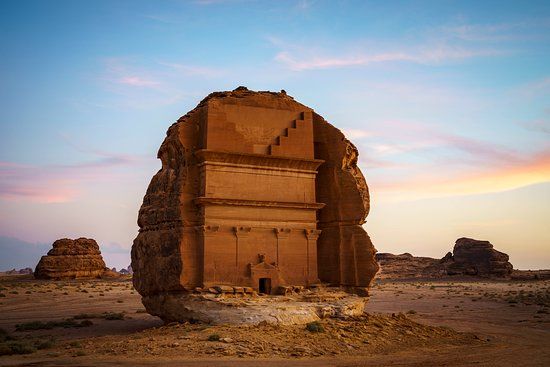
Hegra South Gate: Ancient Tombs in a Desert Landscape
Public reviews praise Hegra’s carved tombs and organised visits, while repeated warnings make advance booking essential.
Saudi Arabia · Alqourhah
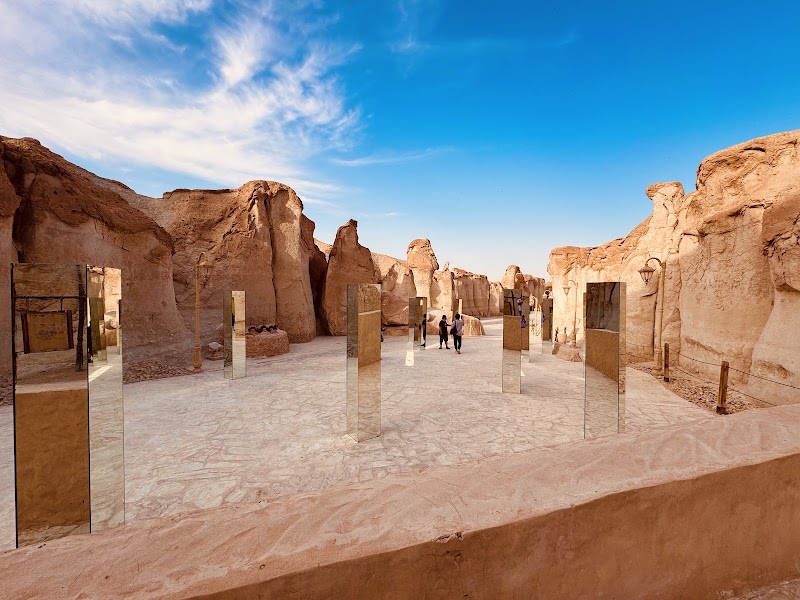
Al Qarah Mountain: Caves, Cool Air and Oasis Views
Al Qarah Mountain gives visitors a close look at unusual rock formations, cave passages and wide views across the Al Ahsa oasis.