Iziko Bo-Kaap Museum: History Beyond the Colourful Streets
Public reviews rate this compact museum highly, while also urging visitors to explore the historic Bo-Kaap neighbourhood around it.
More photos
Photos published by travelers on Google, not AI generated.
What stands out
- Brightly painted historic houses
- Cape Muslim heritage
- Connections to enslaved history
- Cobbled streets on Signal Hill’s slopes
- Street market for keepsakes
Worth knowing
- Daytime crowds and passing cars
- Wind and cold can affect the walk
- The museum is described as small
Don't miss
What comes up most in public reviews
- Walk through several Bo-Kaap streets
- Photograph the colourful houses
- Visit the street market
- Learn about the area’s Cape Muslim history
Worth the trip?
What the reviews show
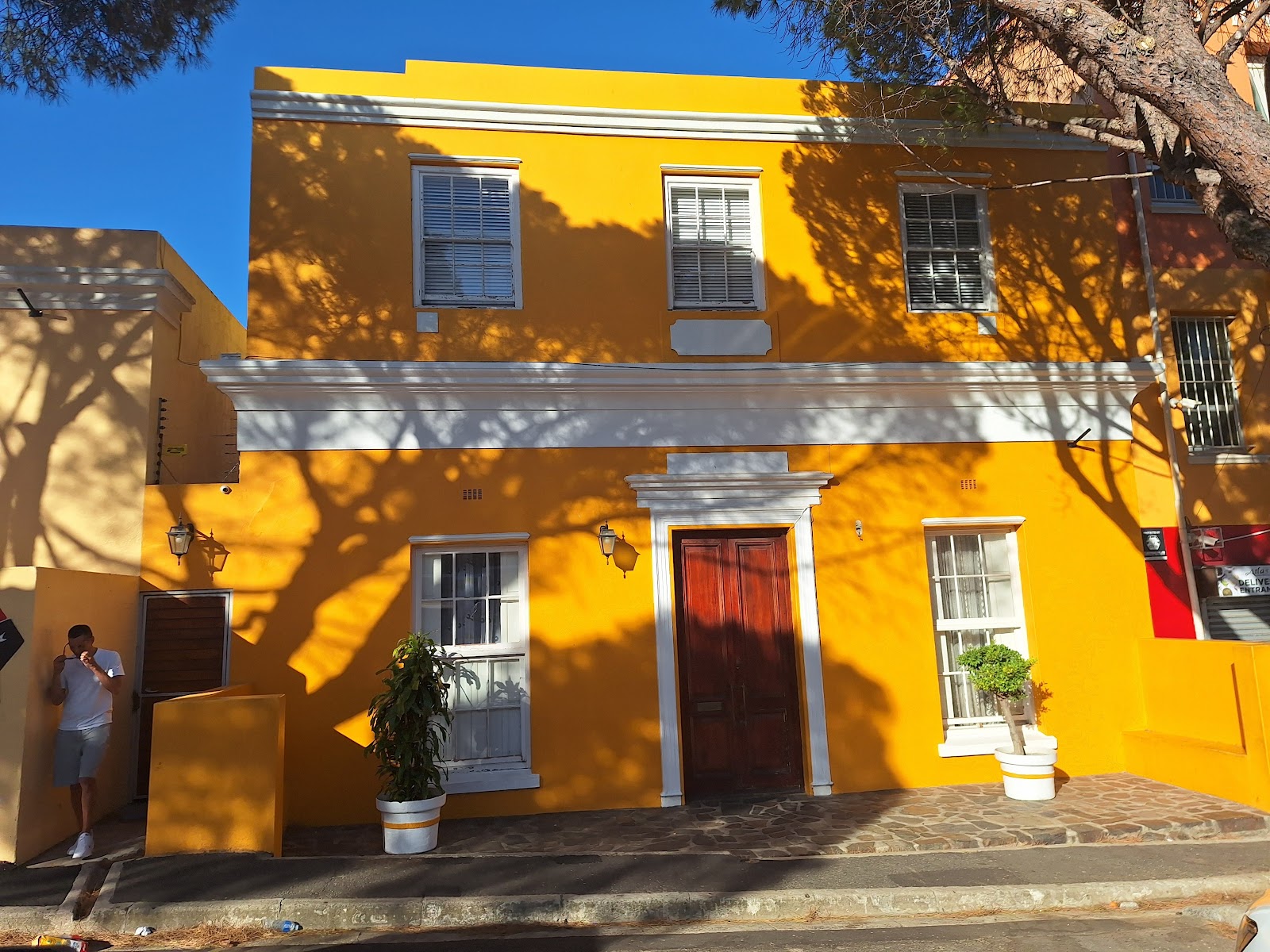
Iziko Bo-Kaap Museum holds a 4.3 rating from 6,816 Google reviews. Public feedback gives the attraction a clear split personality. The museum itself is described as small, with some visitors finding that the surrounding streets provide the stronger experience. The wider Bo-Kaap area draws attention for its brightly painted houses, cobbled roads and position on the slopes of Signal Hill above Cape Town’s city centre.
The colour is the first thing most visitors notice. Green, blue, pink, yellow and orange façades make the neighbourhood immediately recognisable. That visual appeal brings photographers, walking tours and plenty of passing visitors. Several reviews say residents are generally welcoming of photographs, although the streets remain active roads rather than a closed visitor site.
More than a photo stop
The public reviews consistently point to a deeper story behind the architecture. Bo-Kaap is associated with Cape Town’s Cape Muslim communities and with the history of enslaved and freed people. Visitors describe learning that the painted homes are not simply decorative. They form part of the area’s identity and living history.
That context is what gives the museum its purpose. Someone interested only in colourful façades may find the interior underwhelming. Someone willing to spend time with the historical material can use the museum as an introduction before walking through the neighbourhood. The two experiences work best together, with the museum providing background and the streets showing how that history remains part of daily life.
Planning the visit
The reviews suggest allowing time beyond the museum itself. Visitors mention walking through several streets, photographing the houses and browsing a street market for keepsakes. Cars use the roads, so attention is needed while taking pictures. Crowds are also reported during the day, particularly around the most photographed areas.
Weather can affect the experience. One review describes strong wind and cold, while another found the streets especially atmospheric after rain, when wet paving and changing light brought out the colours. Those observations support a flexible plan rather than a rushed photo stop. The public feedback does not establish a reliable best season or hour, but it does point to checking conditions before setting out.
Who should go
Iziko Bo-Kaap Museum suits visitors who want a short historical stop tied to a walk through one of Cape Town’s most distinctive neighbourhoods. It is less convincing as a standalone museum visit for travellers expecting a large collection or a lengthy indoor attraction.
The surrounding streets are freely accessible, according to the reviews, while the museum has separate admission. The listed price level is unknown, so visitors should check current entry details before going. The overall visit works well for photographers, first-time Cape Town visitors and anyone interested in Cape Muslim heritage and the city’s enslaved history.
The strongest approach is simple: see the museum, then walk beyond its entrance. The streets carry much of the visit.
Plan the rest of the trip
Ask anything
Looking for somewhere else?
Keep exploring around Cape Town
More from South Africa

South Africa · Johannesburg South
Apartheid Museum: Johannesburg’s Essential History Visit
Public reviews describe a large, emotionally powerful museum that demands several hours and rewards visitors who take time with its exhibitions.

South Africa
Addo Elephant National Park Delivers on Elephant Sightings
Public reviews consistently praise Addo Elephant National Park for close elephant encounters, well-kept facilities and memorable game drives.

South Africa · Mogwase
Pilanesberg National Park: Strong Big Five Safari Potential
Public reviews praise Pilanesberg for accessible game drives, striking scenery and frequent sightings of major African wildlife.
South Africa · Oudtshoorn
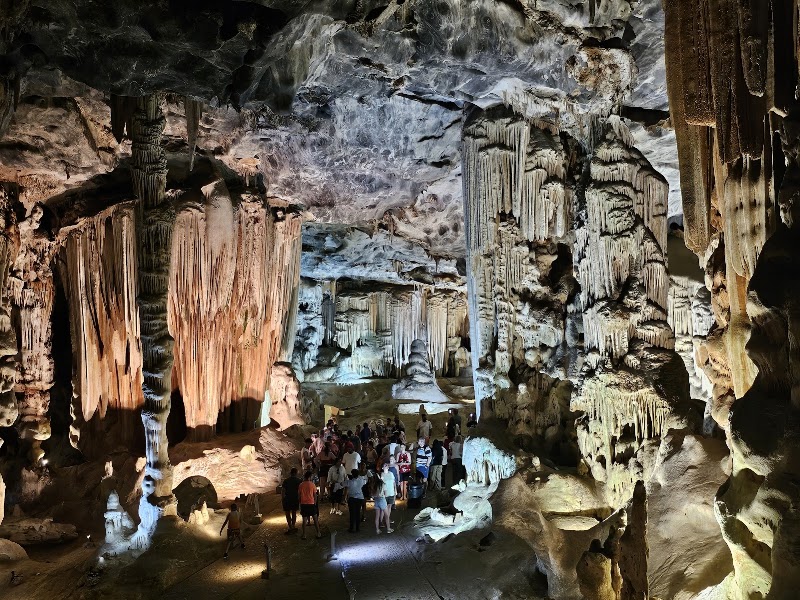
Cango Caves Delivers a Well-Run Underground Adventure
Public reviews praise Cango Caves for its vast chambers, striking formations and guides who make the visit informative without letting it drag.