Iwami Ginzan rewards patience beyond the mine tunnel
This UNESCO-listed mining landscape pairs a short underground experience with traditional streets, cycling and a strong sense of industrial history.

More photos
Photos published by travelers on Google, not AI generated.
What stands out
- Walk through an old silver mine tunnel
- Cycle past traditional town buildings
- Preserved historic structures and landscape
- Insight into miners’ working conditions
Worth knowing
- Confusing access and infrequent signs
- Long walk from the designated parking area
- Small, infrequent electric buggy
Don't miss
What comes up most in public reviews
- Wear the provided hard hat in the tunnel
- Hire a bicycle for the historic town route
- Visit the art museum before the mine
- Explore the preserved buildings and landscape
Worth the trip?
What the reviews suggest
Public feedback gives Iwami Ginzan Silver Mine a Google rating of 4.1 from 1789 reviews. The broad verdict is positive, though the most satisfied visitors tend to treat it as a historic landscape rather than a dramatic underground attraction. The preserved buildings, old streets and surrounding scenery matter just as much as the mine itself.
Several accounts describe the tunnel as interesting but modest. Visitors can enter part of the old silver mine, see images illustrating miners’ working conditions and get a tangible sense of the cramped environment. Low ceilings are a recurring practical concern. Hard hats are provided, and reviewers recommend wearing one even when the passage initially appears manageable.
Expectations make a major difference. Travellers anticipating a deep, vast network of tunnels may find the underground section underwhelming. Those interested in labour history, preservation and the relationship between the settlement and mine are more likely to leave impressed.
The wider site is the real attraction
Review patterns indicate that the journey through the historic town is a highlight in its own right. Traditional buildings line the approach, while preserved structures and the surrounding landscape help explain why the site feels larger than a single tunnel visit. One reviewer considered a hired bicycle the element that made the experience special, turning the route through town into an enjoyable part of the day rather than simply a means of reaching the mine.
A guided visit may add useful context. One account recommends visiting the art museum before the historic site, noting that the background information made the mine easier to understand. Even without a guide, visitors who spend time learning about silver production and local working conditions are likely to get more from the relatively restrained physical remains.
The site also appears resilient in light rain. A review from a rainy October visit reports that the weather did not disrupt the experience, although that single account is not enough to establish a preferred season.
Access requires planning
The clearest criticism concerns navigation and transport. One reviewer found access confusing after reaching the designated parking area, with infrequent signs causing uncertainty about the correct route. From there, visitors may face a long walk towards the mine or depend on a small, infrequent electric buggy. That makes the outing less straightforward for anyone with limited mobility, a tight schedule or little tolerance for waiting.
Hiring a bicycle may improve the approach for confident riders, while also allowing more time among the traditional buildings. Visitors travelling on foot should allow a generous margin rather than treating the mine as a quick roadside stop. Checking the route, local transport arrangements and operating information before leaving the parking area would reduce frustration.
Editorial verdict
Iwami Ginzan is strongest as a combined heritage experience: part mine tunnel, part preserved settlement and part cultural landscape. The underground walk alone may not justify a complicated journey for thrill seekers. For history-focused travellers, leisurely cyclists and visitors willing to explore beyond the main tunnel, the accumulated reviews point to a thoughtful and distinctive half-day or full-day outing.
Plan the rest of the trip
Ask anything
Looking for somewhere else?
Keep exploring around Oda
More from Japan
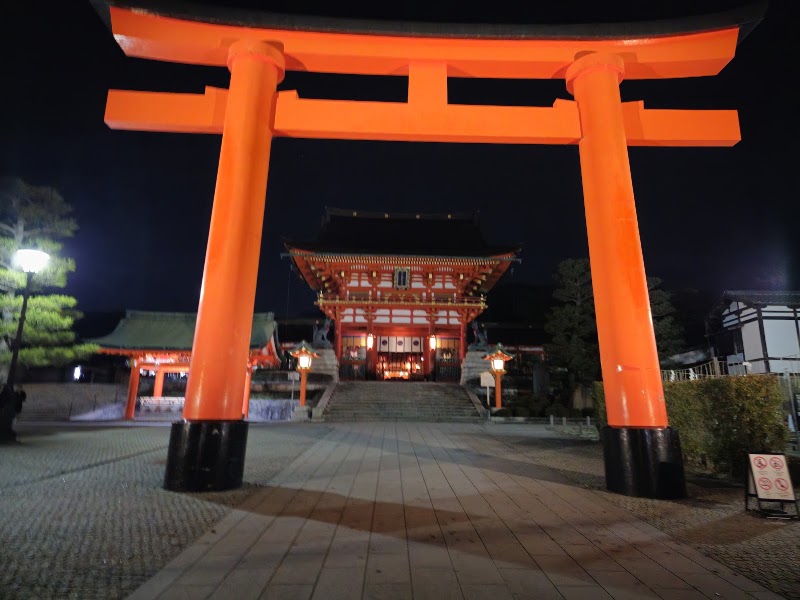
Japan · Kyoto
Fushimi Inari Taisha: Kyoto’s Torii-Gate Mountain Walk
Fushimi Inari Taisha pairs iconic vermilion torii gates with a demanding mountain route that grows quieter and more atmospheric higher up.
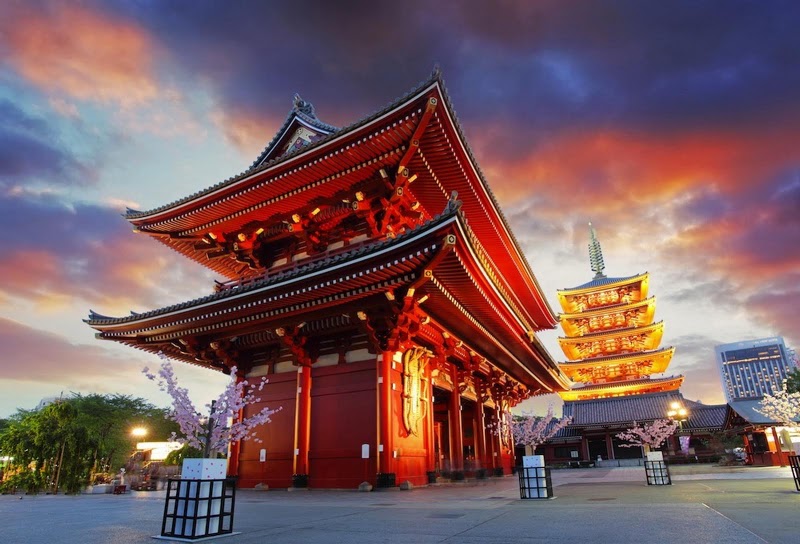
Japan · Taito City
Sensō-ji, Tokyo’s Enduring Temple Landmark
Sensō-ji gives visitors a vivid introduction to Buddhist tradition, historic architecture and the busy street life of Asakusa.
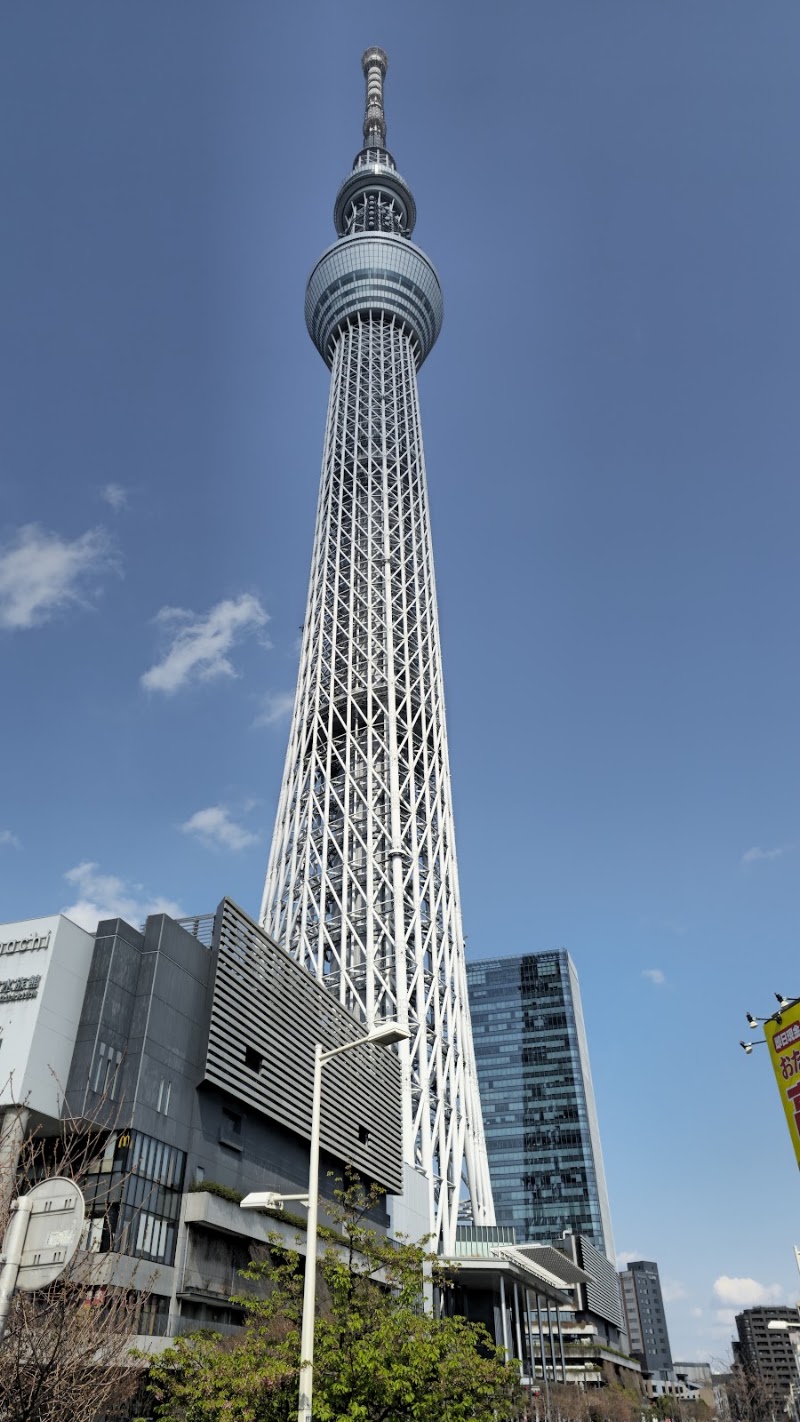
Japan · Sumida City
Tokyo Skytree Delivers Wide-Ranging Views Across Tokyo
Public reviews praise Tokyo Skytree for its panoramic observation decks, smooth organization and strong day-to-night views.
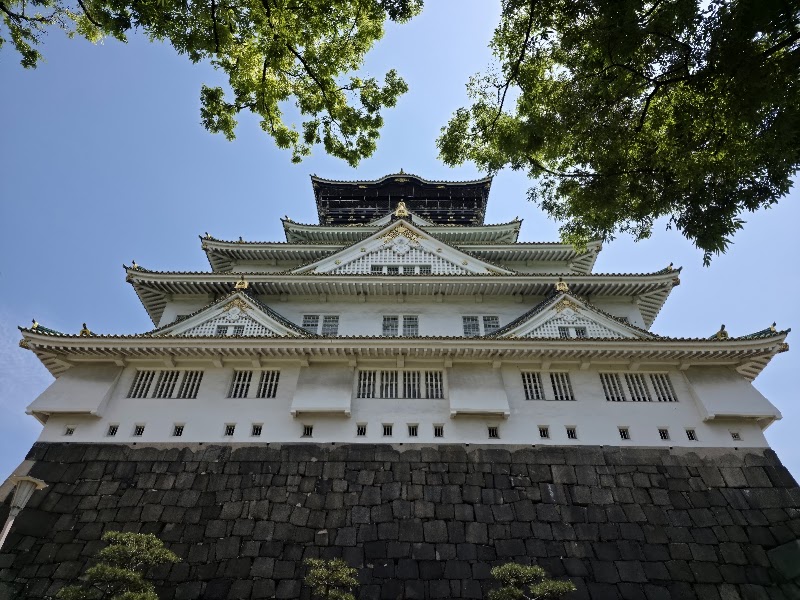
Japan · Osaka
Osaka Castle: striking grounds, layered history and a modern interior
Osaka Castle earns strong public praise for its architecture, parkland and historical importance, though the museum interior may surprise visitors expecting original rooms.