Ismail Kadare’s House: Stylish, Sparse and Divisive
This reconstructed Gjirokastër house offers a reflective introduction to Kadare’s childhood, though reviews question its depth and modern restoration.
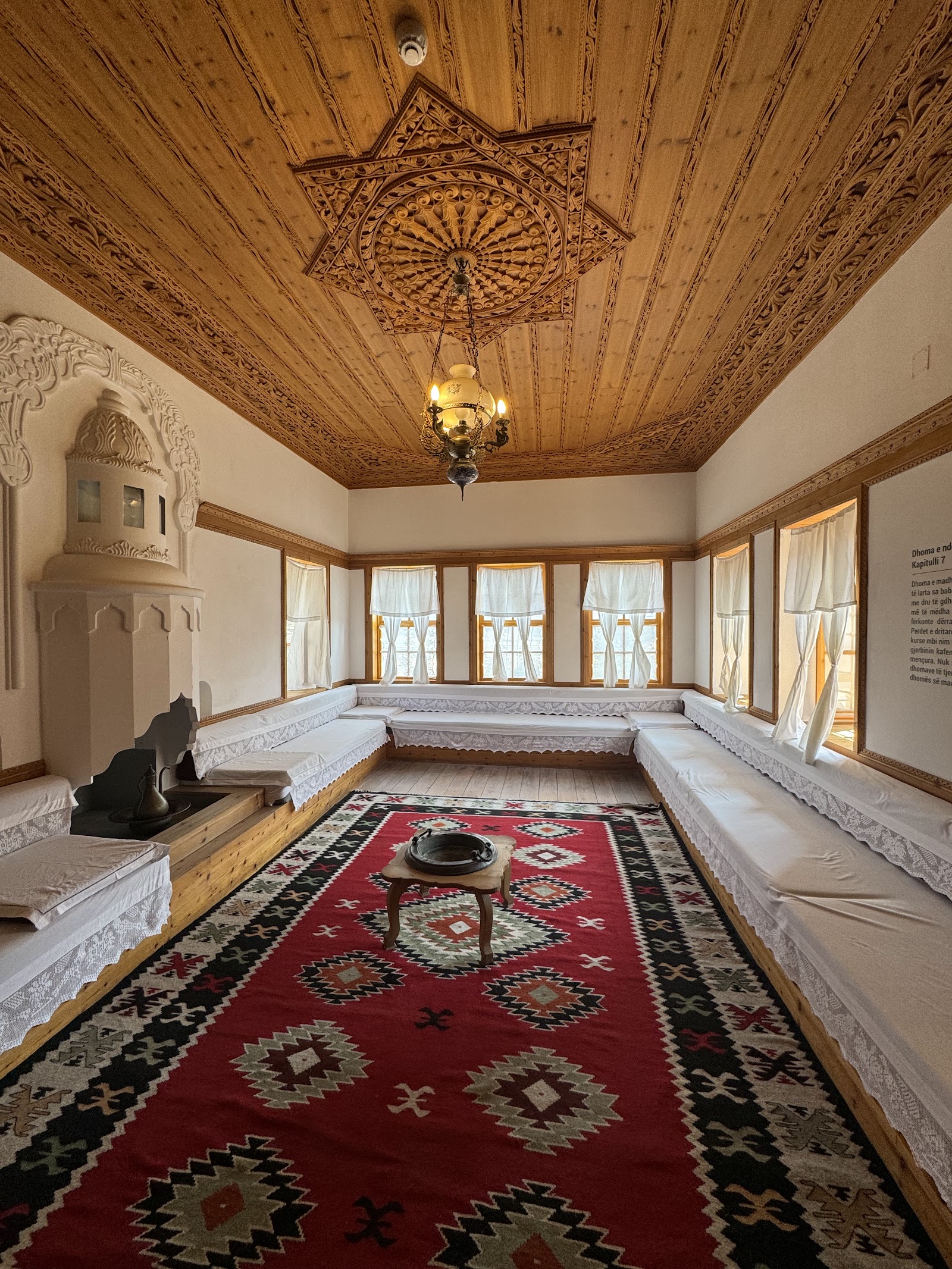
More photos

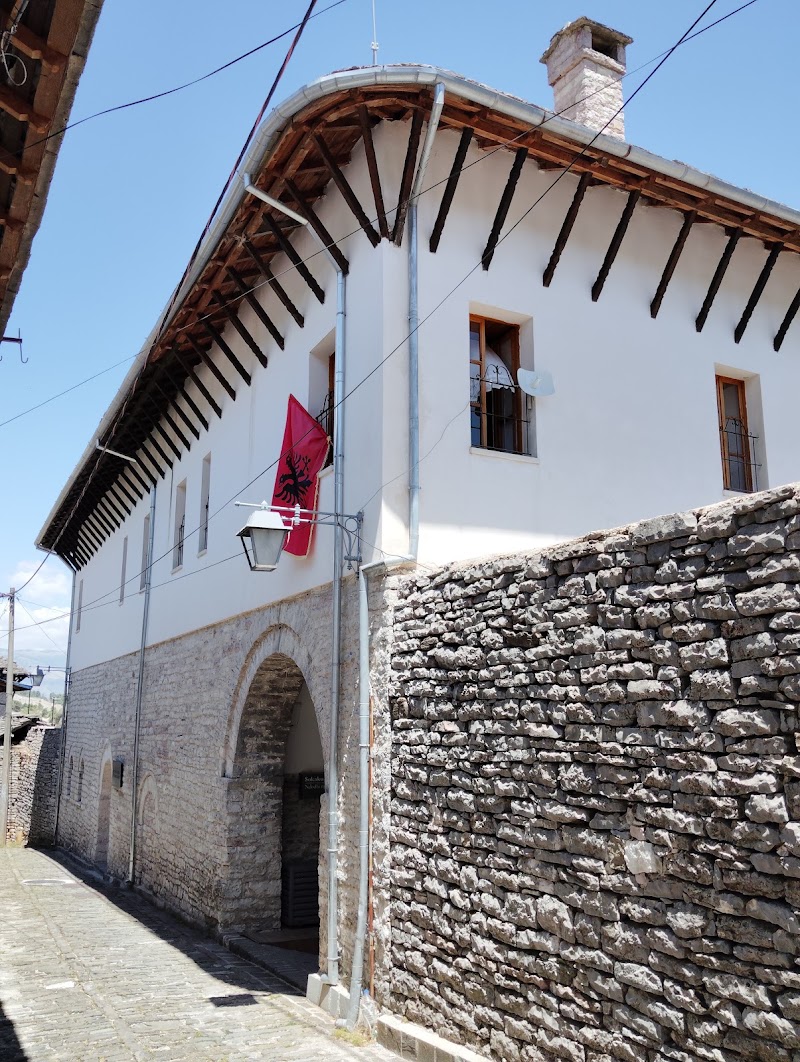
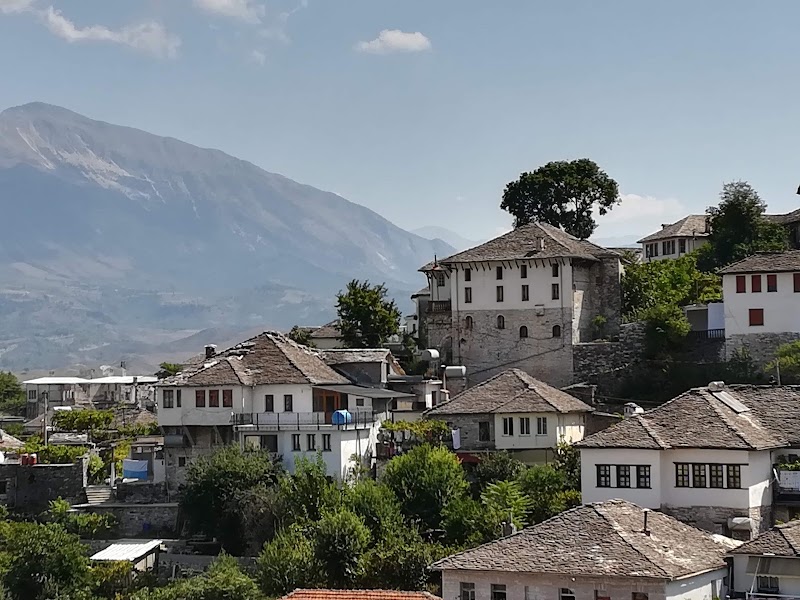
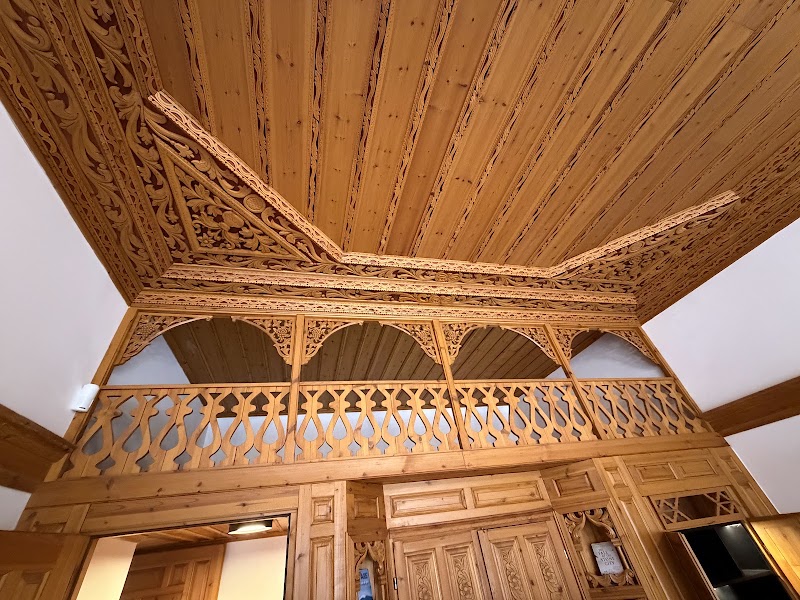
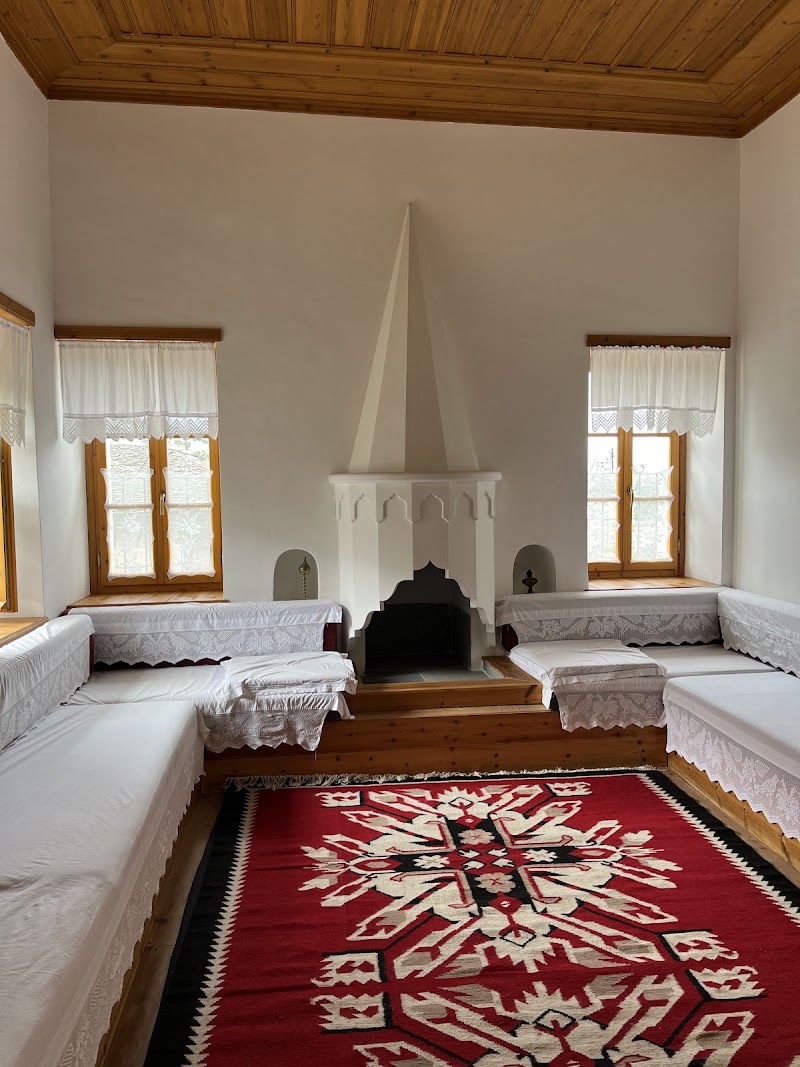
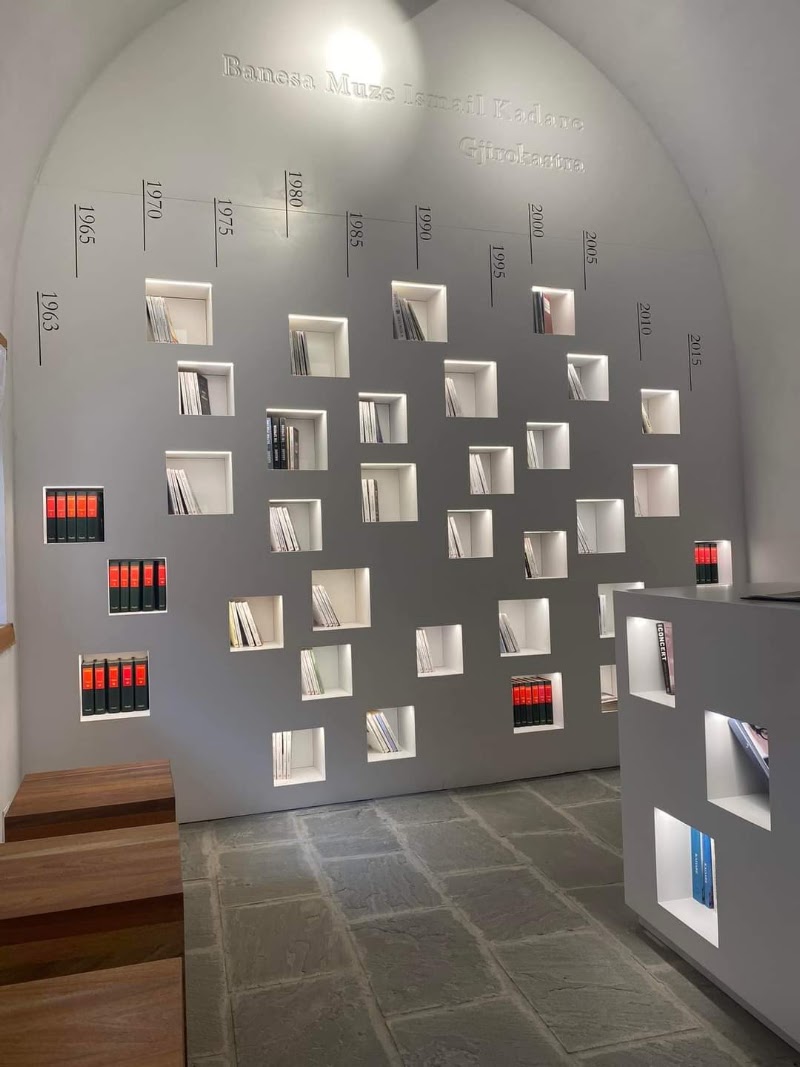
Photos published by travelers on Google, not AI generated.
What stands out
- Kadare’s childhood presented through his own words
- Extracts describing life during the war years
- Stylish traditional-house setting
- Views from outside the house
Worth knowing
- The house is reconstructed rather than original
- Modern restoration can feel sparse
- Limited historical and literary context
Don't miss
What comes up most in public reviews
- Watch all of the exhibition videos
- Read the wartime extracts from Kadare’s work
- Look through the second-floor coffee-table book
- Take in the views from outside
Worth the trip?
What visitors find inside
Ismail Kadare’s House is less a conventional museum than a carefully designed memorial to the Albanian writer’s early life. That distinction shapes the visitor response. Based on a Google rating of 4.3 from 325 reviews and the public comments sampled, admirers value its atmosphere, literary extracts and personal perspective, while others leave wishing for a clearer story and substantially more context.
The displays use Kadare’s own words to evoke childhood and life in Gjirokastër during the war years. Several visitors describe this as the most meaningful part of the experience. Rather than presenting a dense chronology, the exhibition appears to rely on mood, fragments of text and audiovisual material. One recurring piece of advice is to watch all the videos, since much of the intended narrative can be missed without them.
A reconstructed house with a modern finish
The building is attractive and recognisably rooted in Gjirokastër’s traditional domestic architecture, but it is not the original house in which Kadare lived. Reviews note that it was rebuilt to resemble the home and conditions he would have known. That matters for anyone expecting preserved family rooms or an untouched historic interior.
Its restoration is also one of the most divisive features. Some visitors appreciate the stylish presentation and the chance to enter a handsome traditional house. Others feel the modern treatment has stripped away too much character, leaving rooms that seem sparse or almost empty. The result works better as an interpretive space than as a fully furnished historic home.
Views from outside receive positive mentions and add some value to the stop. Even critical reviewers tend to acknowledge that the house itself is visually appealing.
Where the exhibition falls short
The most consistent criticism concerns depth. Multiple reviewers report learning less than expected about Kadare, his relationship with Gjirokastër or the wider historical setting. Even committed readers of his work have described the exhibition as lacking context. Presentation is generally regarded as polished, but the underlying concept can feel thin.
A coffee-table book found on the second floor is singled out in one review as providing a stronger account of Kadare and the city than the main displays. That detail reinforces the sense that visitors need to slow down, read what is available and engage with the videos rather than expect a large collection of objects.
Value is another concern. Some reviewers consider admission poor value given the limited amount to see, particularly when comparing the experience with Gjirokastër’s Ethnographic Museum.
Who should visit
The house is best suited to readers already interested in Kadare, literary travellers and visitors who enjoy reflective memorial spaces. It can add texture to an exploration of Gjirokastër, especially through extracts describing childhood and wartime conditions.
Those choosing only one historic house may prefer the Ethnographic Museum, which reviewers repeatedly describe as having more to see. Kadare’s House works better as a focused secondary stop, approached as a modern reconstruction and literary memory space rather than a comprehensive museum.
Ask anything
Looking for somewhere else?
Keep exploring around Gjirokastër
More from Albania
Albania
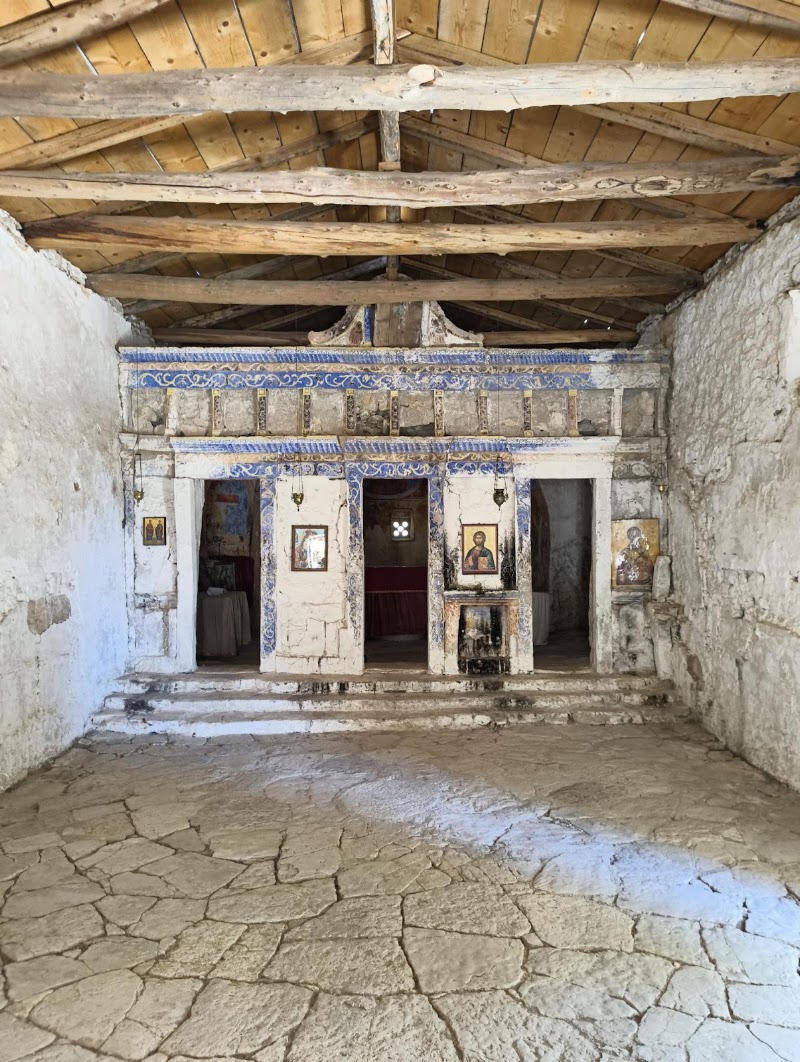
Himara Old Town: Castle Ruins and Sweeping Coastal Views
Above modern Himarë, this inhabited old village combines weathered fortifications, historic churches, mountain scenery and broad views of the coast.
Albania · Vlora
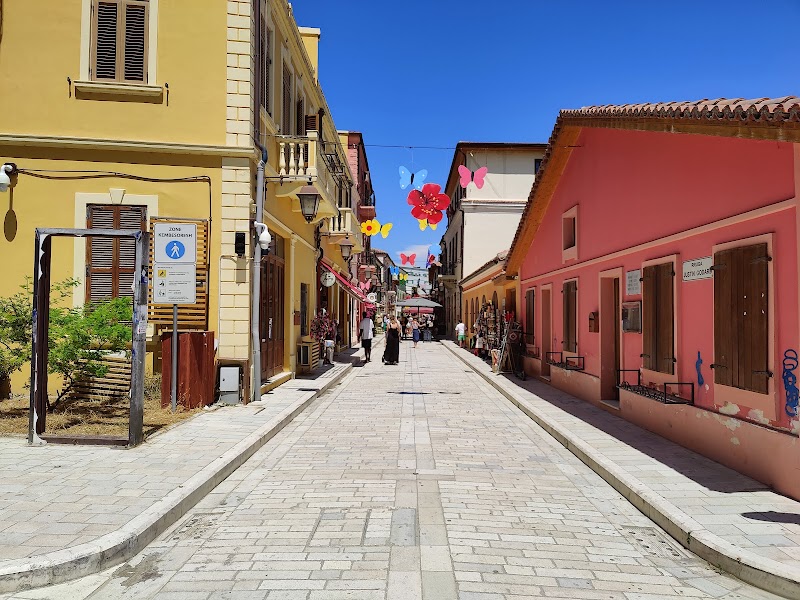
Vlora Old Town: A Compact Quarter for a Leisurely Stroll
Restored façades, pedestrian lanes, cafés and nearby monuments make this small historic quarter a pleasant, if brief, Vlora stop.

Albania · Pojan
Apollonia Archaeological Park: ruins, views and quiet
Ancient ruins, a well-regarded museum and a peaceful hilltop setting make Apollonia one of Albania’s most rewarding historical stops.
Albania · Qarrishtë
Shebenik National Park: Wild Landscapes Near Librazhd
Public reviews praise this southeastern Albanian park for its mountain scenery, biodiversity, picnic areas and untamed character.