Iolani Palace: Honolulu’s Essential Royal History Stop
A compact but significant palace museum offering a clear introduction to Hawaiʻi’s monarchy, westernization and overthrow.

More photos
Photos published by travelers on Google, not AI generated.
What stands out
- History of Hawaiʻi’s last monarchs
- Account of westernization and overthrow
- Compact self-guided palace tour
- Occasional cultural activities and performances
Worth knowing
- The palace is relatively small and restrained
- Onsite ticket purchases may involve a wait
- Garden performances are not guaranteed
Don't miss
What comes up most in public reviews
- The story of Hawaiʻi’s last monarchs
- The palace’s main halls
- A possible noon garden performance
- The nearby State Capitol during a ticket wait
Worth the trip?
Why this landmark matters
With a Google rating of 4.6 from 6003 reviews, Iolani Palace is consistently valued less for spectacle than for the history it holds. Travellers describe it as an important starting point for understanding Hawaiʻi’s royal lineage, the final years of the Hawaiian Kingdom and the forces that led to the monarchy’s overthrow.
The palace served as the home of Hawaiʻi’s last monarchs and is identified by reviewers as the only official royal residence in the United States. That distinction gives the building considerable weight, even though visitors often find the interiors smaller and less extravagant than European royal residences. Its strength is the story rather than sheer grandeur.
What the visit is like
Reviews suggest a focused, manageable experience. One self-guided visit took around an hour, while another traveller felt that roughly 90 minutes was enough to explore comfortably. The main halls form the core of the tour, with interpretation covering royal life, political change and the gradual westernization of Hawaiʻi.
Several reviewers praise the palace for making a complicated period approachable. The experience appears particularly worthwhile for travellers arriving with limited knowledge of Hawaiian history, as it connects the monarchy’s personal story with the broader loss of sovereignty. The relatively compact scale also makes it easier to fit into a day of sightseeing in central Honolulu.
Cultural activities and performances
Special programming can add another layer to the visit, though it should not be assumed to run every day. One Kamaʻāina Sunday review mentions lauhala weaving, poi making, hula and a performance by the Royal Hawaiian Band. Another traveller reported a free garden performance around noon.
These accounts indicate that the grounds occasionally host cultural activities beyond the regular palace tour. Anyone interested in a performance should check the palace schedule rather than relying on it as a guaranteed part of admission. When available, such programming appears to deepen the focus on living Hawaiian culture rather than treating the palace solely as a historic interior.
Tickets and practical planning
Advance booking is the safer approach. Some reviewers successfully purchased tickets on the day, but one reported waiting about an hour before entering. Another used the delay to explore the nearby State Capitol building. Onsite availability therefore seems possible, but not assured without a wait.
The palace works best as a one-to-two-hour history stop rather than an all-day museum. Its compact layout may disappoint visitors expecting lavish scale, yet public feedback strongly supports it for context, cultural meaning and an accessible account of Hawaiʻi’s last ruling monarchs. Allowing extra time around noon may also create an opportunity to catch a garden performance if one is scheduled.
Plan the rest of the trip
Ask anything
Looking for somewhere else?
Keep exploring around Honolulu
More from United States
United States
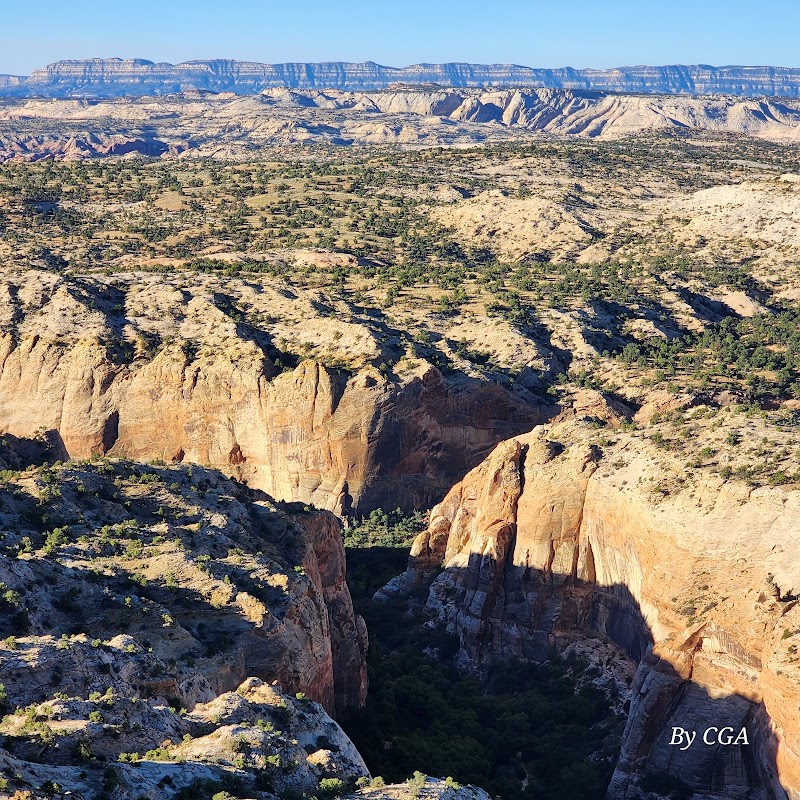
Grand Staircase-Escalante rewards curiosity and self-reliance
Grand Staircase-Escalante National Monument offers vast scenery, quiet dirt roads and unstructured exploration across southern Utah.

United States
Capitol Reef National Park Rewards Slow, Scenic Exploring
Public reviews highlight Capitol Reef’s manageable hikes, striking drives, Fruita orchards and famously popular pies.

United States
Pikes Peak Delivers Big Views by Road or Railway
Public reviews rate Pikes Peak highly for summit views, scenic driving, cog railway rides and a memorable high-altitude stop.
United States
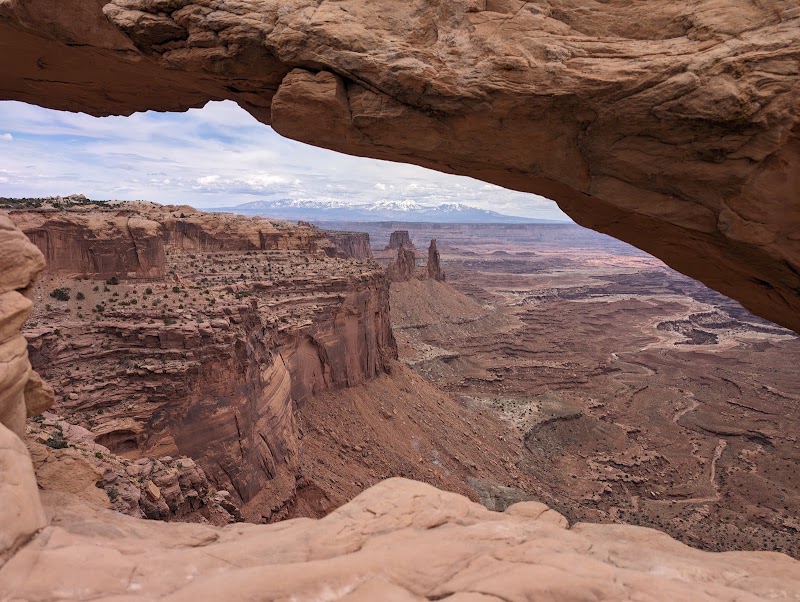
Canyonlands National Park Delivers Huge Desert Views
Public reviews praise Canyonlands for its vast red-rock scenery, panoramic overlooks and memorable walks around the Island in the Sky district.