International Spy Museum: Interactive Espionage in Washington
Mission-based challenges, historic artifacts and pop-culture displays make this paid museum engaging for families and curious adults.
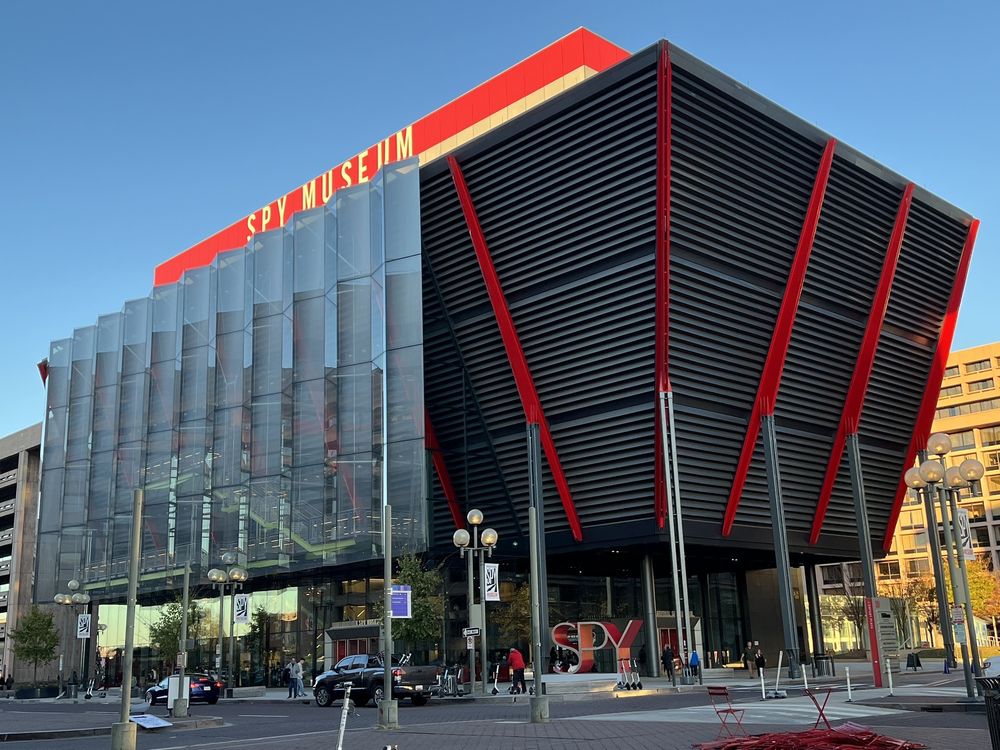
More photos
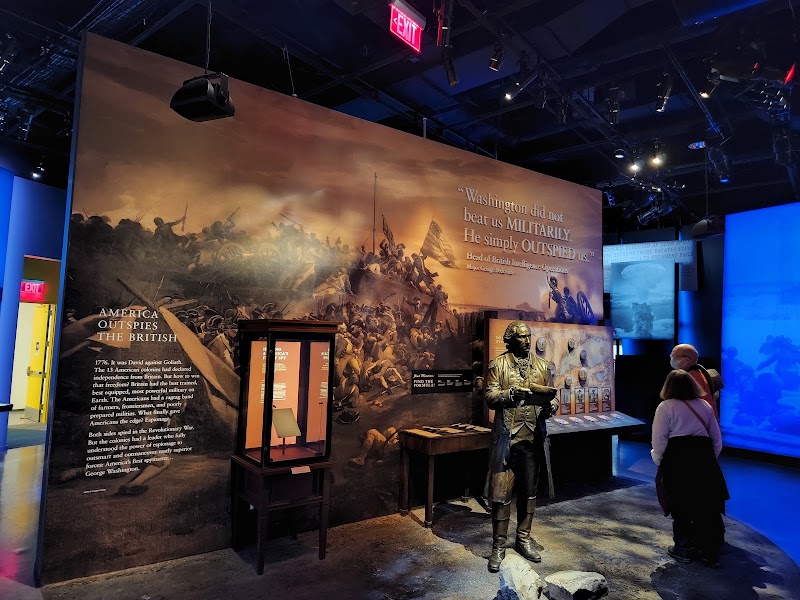
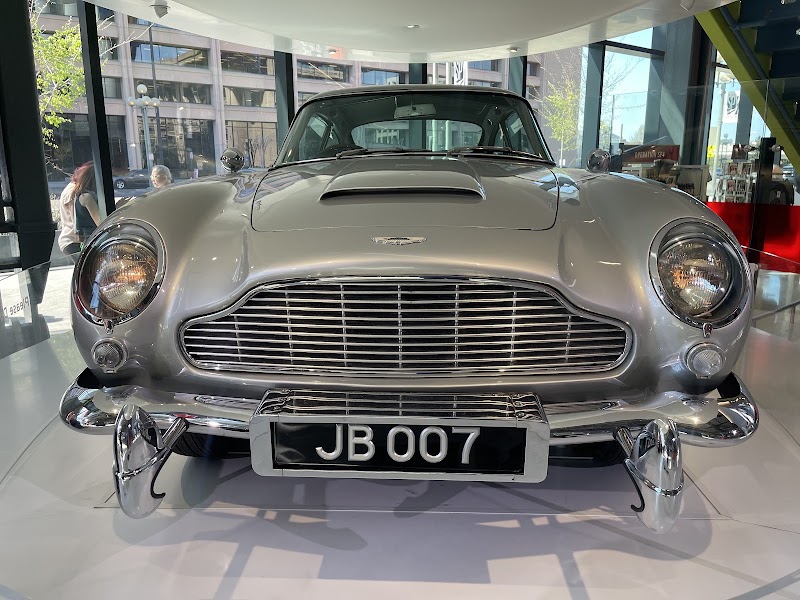
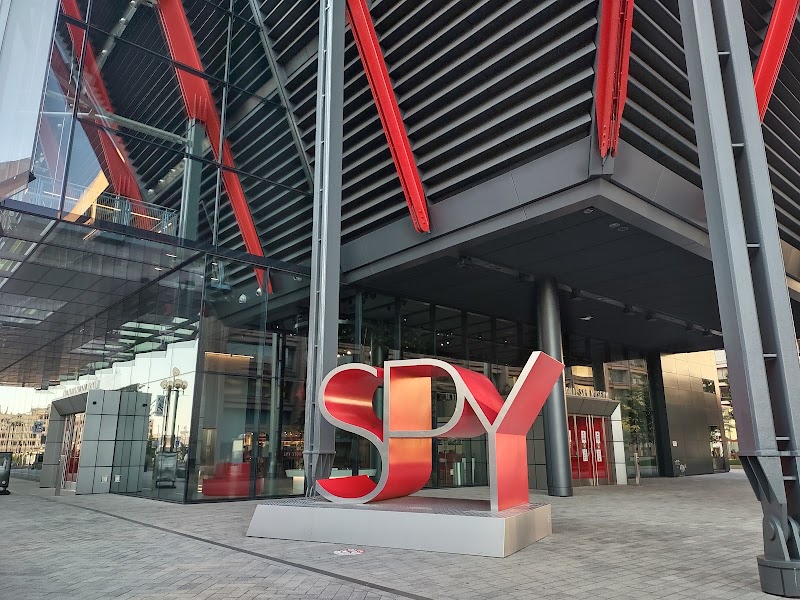
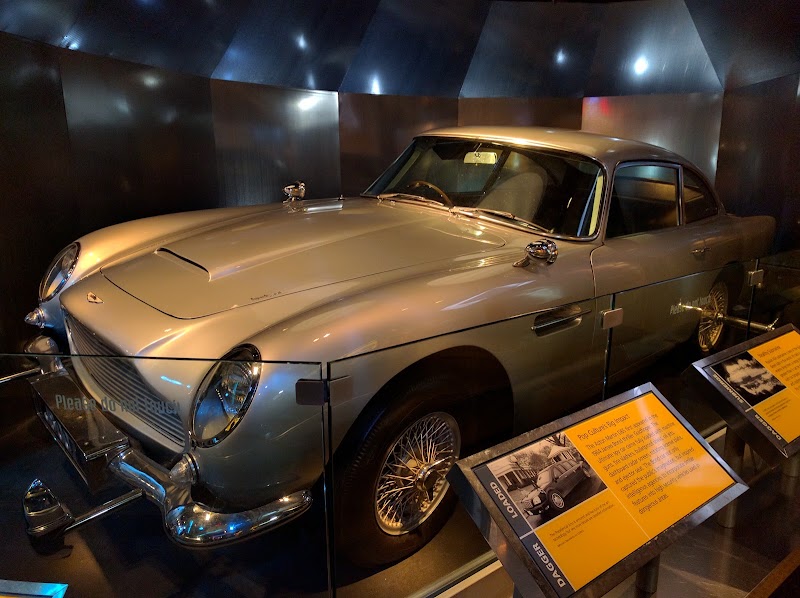
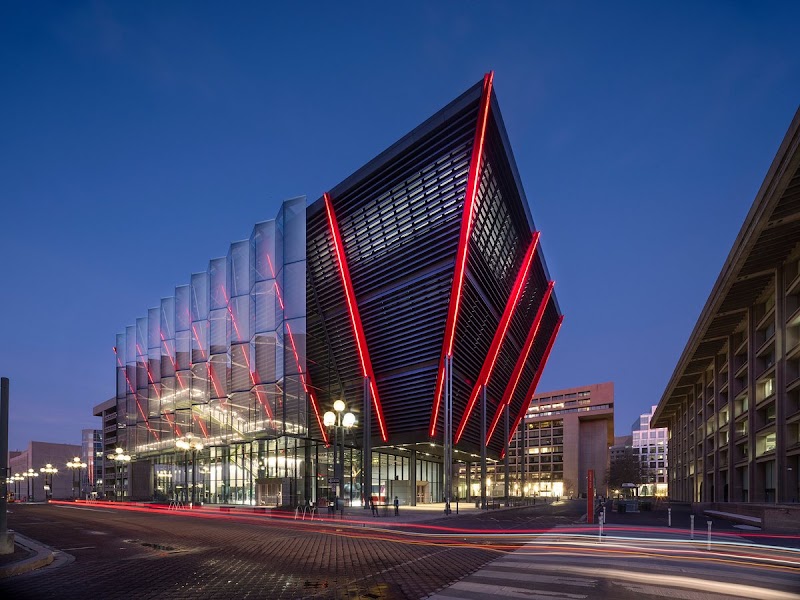
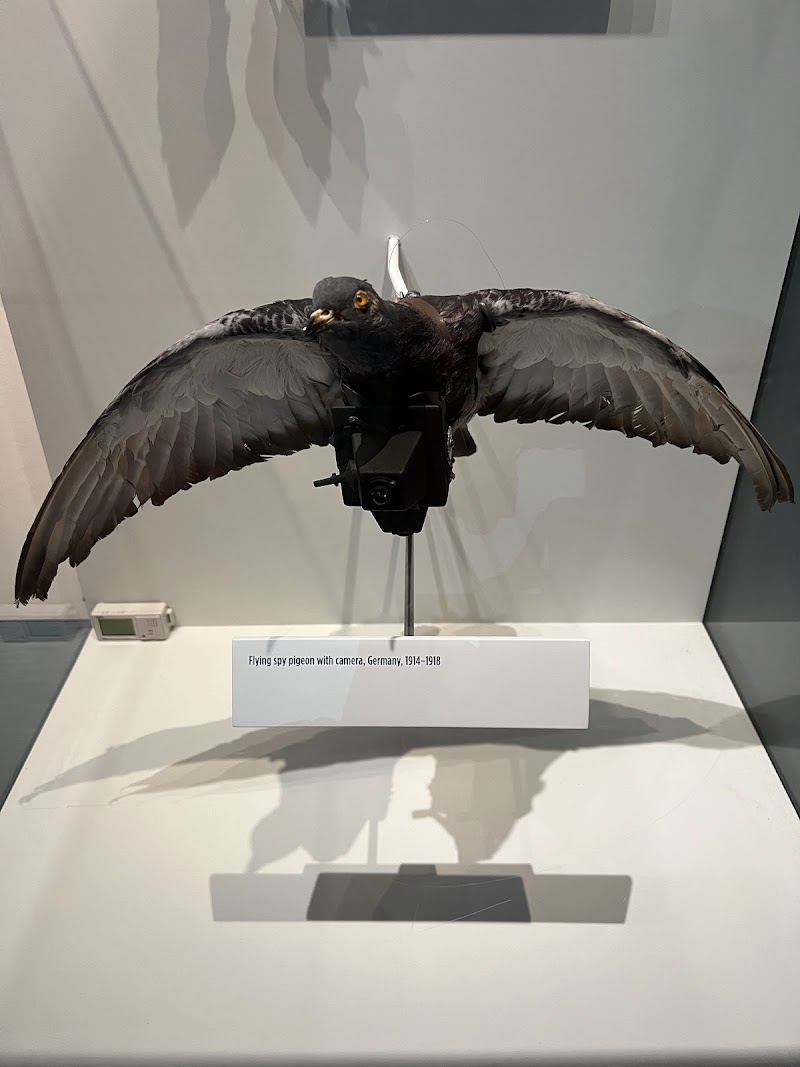
Photos published by travelers on Google, not AI generated.
What stands out
- Interactive Undercover Mission
- Espionage history and secret codes
- Hands-on puzzles and activities
- Real artifacts mixed with spy pop culture
- Engaging for children and adults
Worth knowing
- Paid admission unlike many Washington museums
- Crowds can slow entry and mission activities
- Bag check before the ticket counter
Don't miss
What comes up most in public reviews
- Take the Undercover Mission
- Complete the mission puzzles
- Explore the espionage history displays
Worth the trip?
The verdict from visitors
The International Spy Museum holds a Google rating of 4.4 from 18045 reviews, and the sample feedback points to a consistent strength: it makes espionage history feel active rather than remote. Visitors repeatedly describe the museum as interactive, educational and entertaining. Its displays cover real intelligence operations, codes and surveillance technology while also acknowledging the fictional spies that shaped popular culture.
This balance gives the museum broad appeal. Families report that children and junior high students stay engaged, but adults visiting without children also find plenty of substance. Reviewers interested in military history, political history, gadgets or puzzles appear especially enthusiastic. Several suggest that the experience feels more immersive than a conventional sequence of display cases and text panels.
The Undercover Mission
The defining feature is the optional Undercover Mission. Participants receive an identity or assignment and complete activities as they move through the galleries. Reviews mention puzzles, secret codes and checkpoints spread across the museum, creating a loose narrative that connects the exhibits.
This structure is particularly effective for younger visitors, who have a reason to interact with each room rather than simply reading labels. Adults also praise the sense of involvement. The mission is not the only way to explore, however. Visitors more interested in artifacts and historical interpretation can focus on the collections without making the activities the centre of the visit.
The interactive elements can make progress slower, especially when the museum is busy. Travellers who want to attempt the full mission, examine the artifacts and read the historical material should allow half a day rather than treating it as a quick stop.
Artifacts, people and popular culture
Public reviews highlight an unusually wide range of material. Named objects include an Enigma machine, a James Bond car and the wooden seal presented to an American ambassador by Soviet schoolchildren. Visitors also mention concealed compartments, high-tech gadgets and exhibits on secret codes.
The human stories receive attention too. Reviews refer to displays involving Anna Chapman, Gary Powers and Dmitri Bystrolyotov, along with material on women involved in espionage. This breadth helps the museum move beyond gadgets and cinematic intrigue. It introduces the motives, risks and political contexts behind intelligence work while retaining enough spectacle to keep the galleries lively.
The mixture of authentic history and fictional spy culture is frequently treated as a positive rather than a distraction. It allows serious subjects to sit alongside recognisable entertainment references, making the museum approachable for groups with different levels of prior knowledge.
Planning the visit
Unlike many prominent museums in Washington, the International Spy Museum charges admission. Some reviewers initially hesitated because of that distinction, yet still concluded that the depth and interactivity justified the cost. Admission categories may vary by age and military status, according to visitor feedback.
Crowds are the clearest practical concern. One review describes enough demand to affect ticket availability, while the mission stations naturally encourage visitors to pause. A bag check is also mentioned before ticket purchase. Allowing extra time for entry and moving patiently through popular activities should make the experience smoother.
The overall pattern is strong: this is best approached as a substantial museum visit, not merely a novelty stop. Its greatest success lies in combining documented espionage history, memorable artifacts and hands-on problem-solving in a format that works for both adults and school-age children.
Plan the rest of the trip - [More attractions in United States](/categories/attractions) - [What else is worth booking in Washington, United States](/near/washington-us) - [All United States travel reviews](/countries/united-states) - [Browse every destination we cover](/destinations)
Ask anything
Looking for somewhere else?
Keep exploring around Washington
More from United States
United States · Atlanta
Martin Luther King, Jr. National Historical Park review
Atlanta’s landmark collection traces Dr. King’s life and legacy through historic buildings, exhibits, community spaces and a powerful memorial.
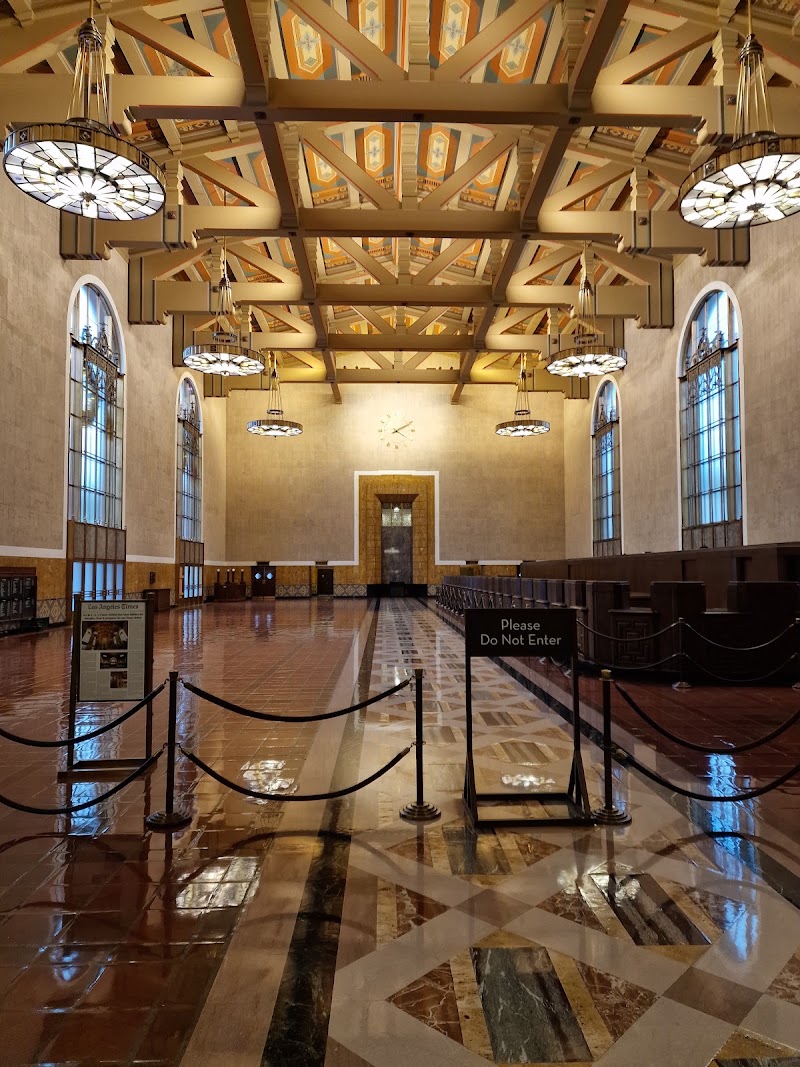
United States · Los Angeles
Los Angeles Union Station: Transport Hub With Historic Style
Los Angeles Union Station pairs striking period architecture with straightforward connections, clear signage and useful food options.
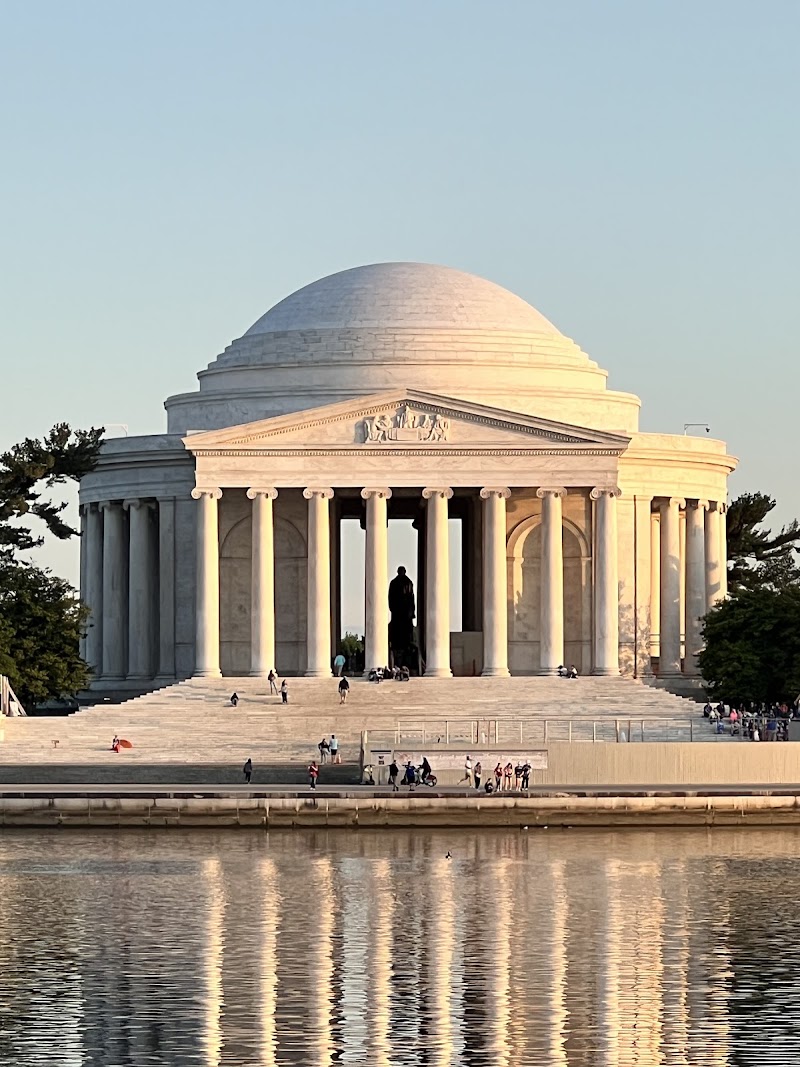
United States · Washington
Thomas Jefferson Memorial: Calm Views by the Tidal Basin
Elegant architecture, reflective interiors and open water views make this Washington memorial a rewarding pause between busier landmarks.

United States · Las Vegas
Tahiti Village: A Family Resort Away From the Strip
Spacious suites, kitchens and a popular pool give families room to unwind, though maintenance and the off-Strip location merit consideration.