Independence Museum: Namibia’s History in Focus
An image-led account of Namibia’s colonial past, liberation struggle and independence, with guides adding valuable historical context.
More photos
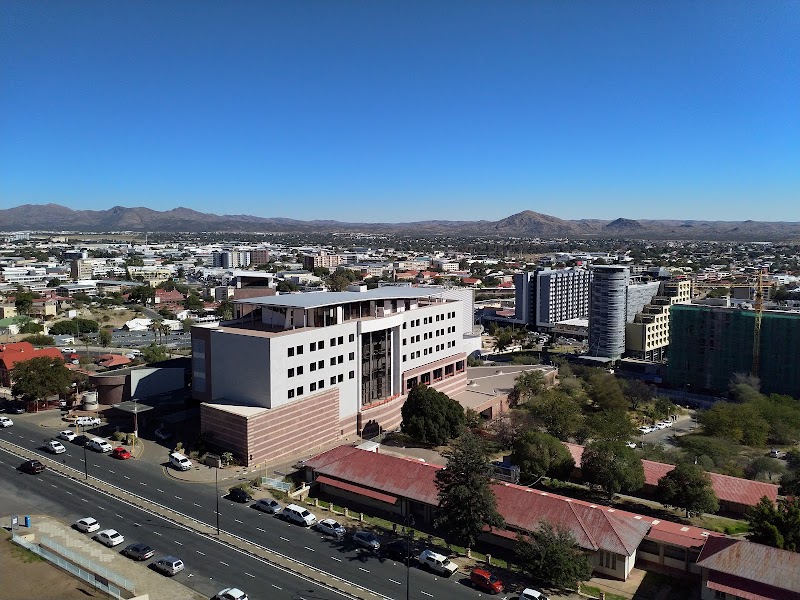
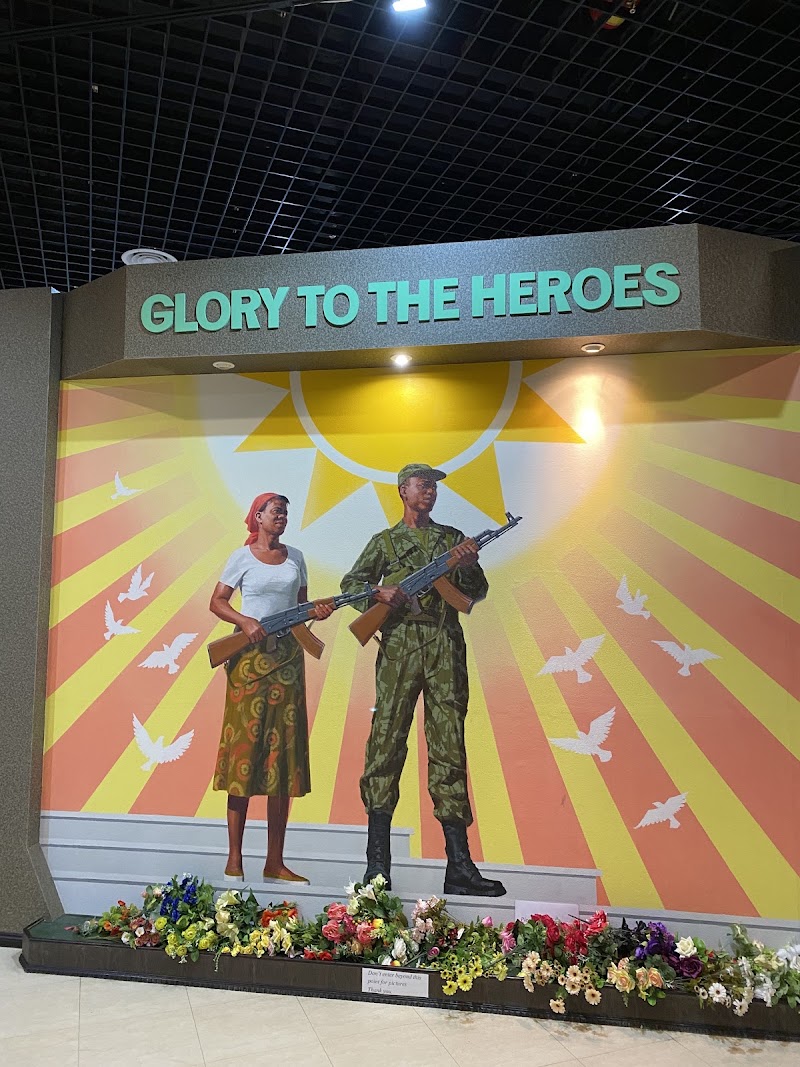

Photos published by travelers on Google, not AI generated.
What stands out
- Namibia’s independence struggle
- Image-led historical displays
- Colonial and genocide history
- San culture and traditional life
- Helpful guided interpretation
Worth knowing
- Entrance can be difficult to identify
- Some informational screens may be unavailable
- A reviewer reports weekend closure
Don't miss
What comes up most in public reviews
- Independence struggle through to 1990
- Guide-led historical overview
- German colonial period and genocide displays
- Material connecting Namibia and Angola
- Displays about the San way of life
Worth the trip?
Why it matters
The Independence Museum earns a Google rating of 4.1 from 837 reviews, with public feedback frequently describing it as an essential introduction to Namibian history. Its central narrative follows the country from German colonial rule through the independence struggle and the achievement of independence in 1990.
Reviewers value the breadth of the subject matter. Alongside political and military history, displays address the suffering caused by genocide, links between communities in Namibia and Angola, and aspects of San culture and traditional life. This scope makes the museum particularly useful for first-time visitors seeking context before exploring more of the country.
The subject matter can be painful, and the museum does not shy away from Namibia’s experience of colonialism and conflict. Several responses suggest that the visit is memorable precisely because it connects independence with the human cost that preceded it.
Exhibits and presentation
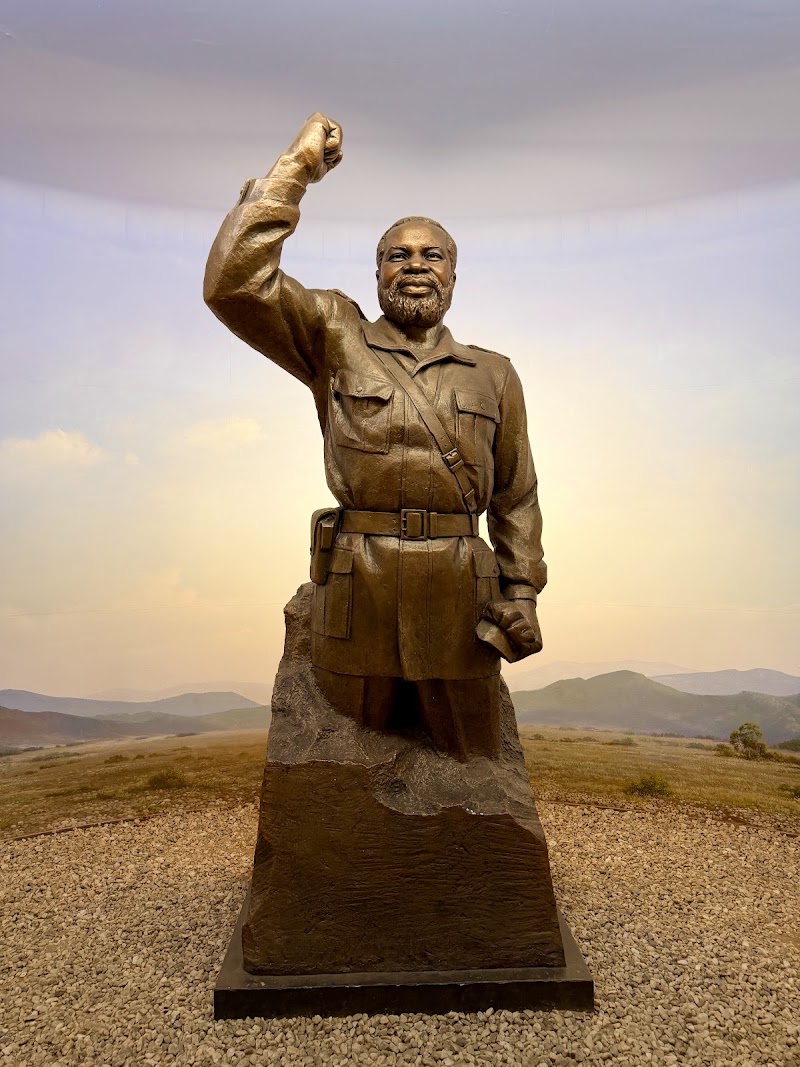
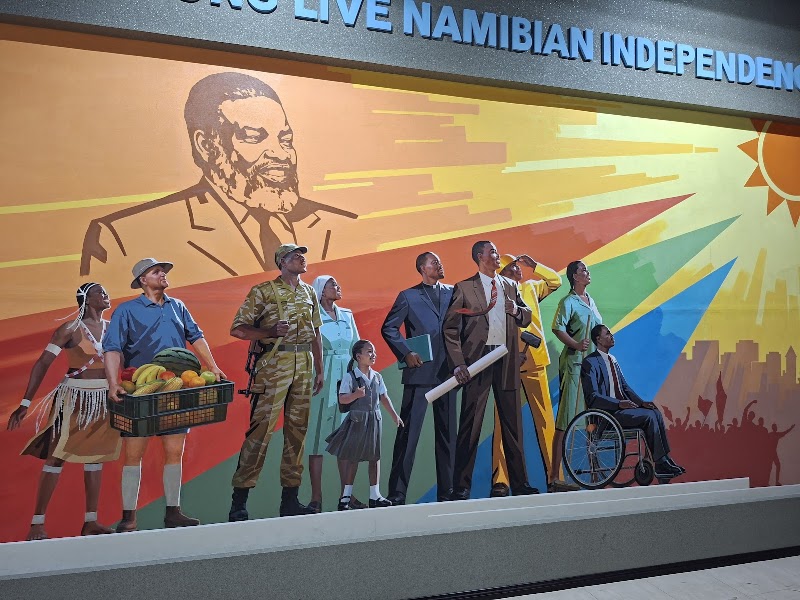
The displays are described as visually strong, with photographs and other image-heavy material carrying much of the story. One detailed review found the museum clean, well organised and straightforward to navigate without becoming overwhelming. Another considered the information collected and presented worthwhile but felt that the sequence of events and the museum’s wider narrative would have been clearer with more interpretation.
That difference is important. Visitors already familiar with southern African history may find the visual presentation sufficient, while those arriving with limited background knowledge could benefit from additional explanation. One reviewer reported that some informational screens were unavailable, leaving parts of the exhibition short on context beyond the images.
The overall public response remains positive. Reviewers repeatedly call the museum interesting, engaging and a highlight of their time in Windhuk, even when they identify gaps in the supporting information.
Why a guide helps
Guided interpretation appears to improve the experience considerably. One reviewer described the historical explanation provided by a guide as exceptional, while another felt a guided tour would have made the chronology and curatorial narrative easier to follow.
A guide can help connect the colonial period, genocide, regional links with Angola and the long route to independence. This is especially valuable where display screens are unavailable or where image-led sections assume prior knowledge. Visitors interested in the political framing of the collection may also appreciate the chance to ask how individual events fit into the broader national story.
Practical considerations
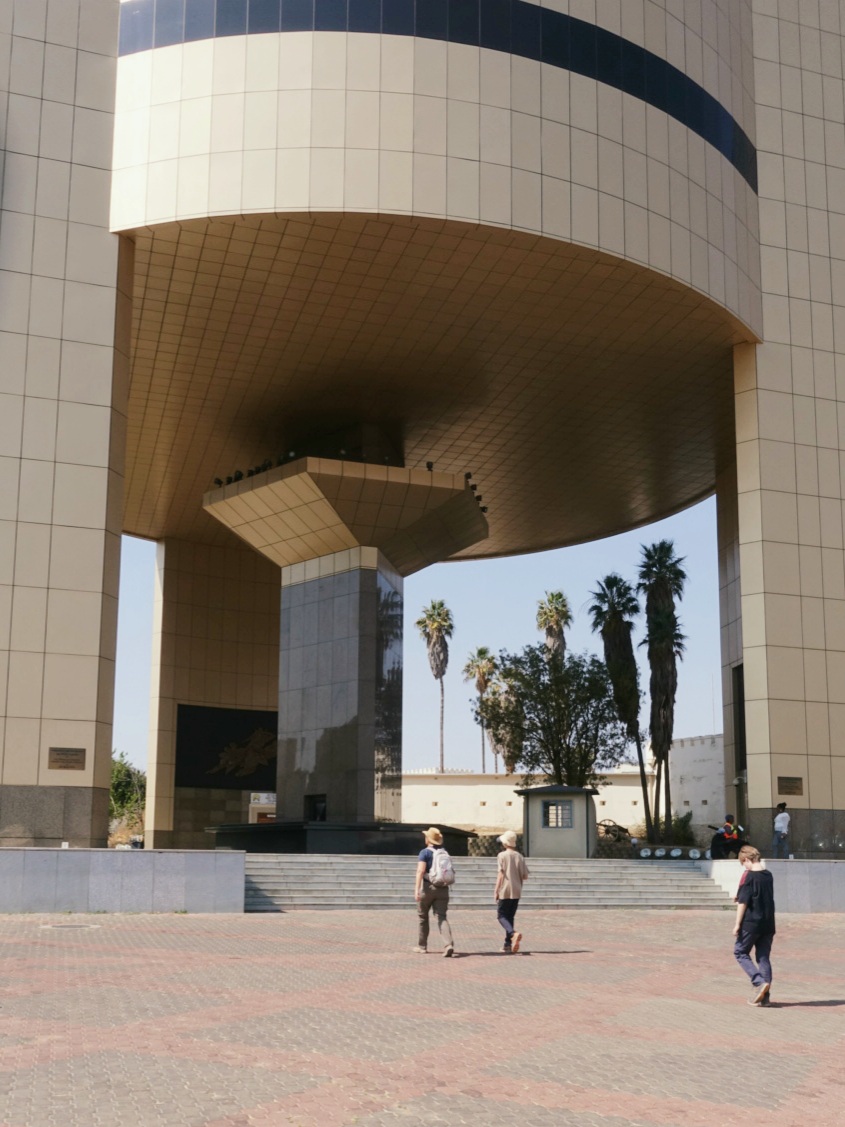
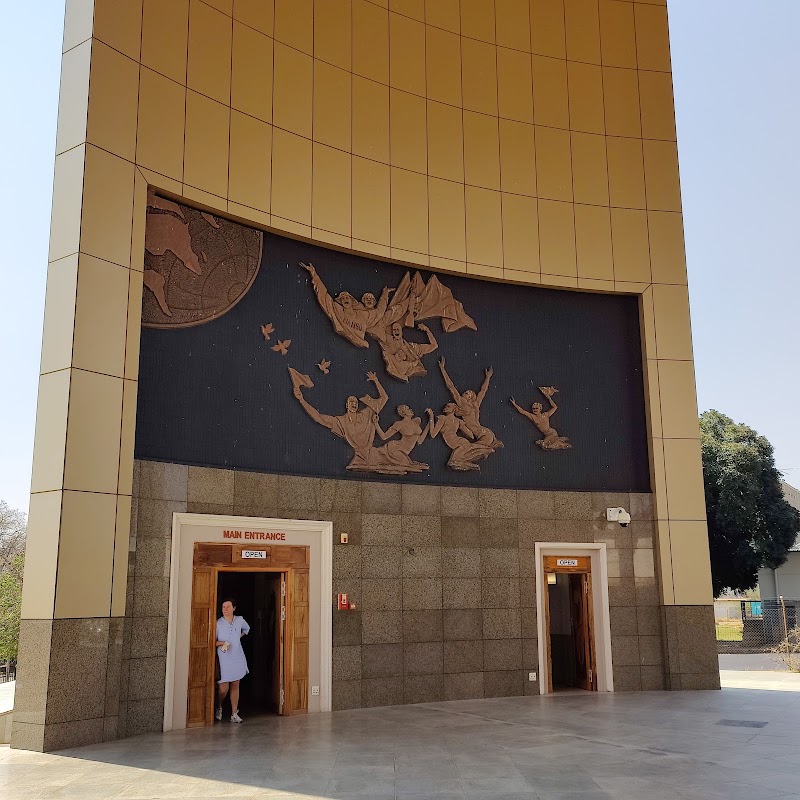
Finding the museum may not be immediately obvious. One reviewer reports that access is through a distinctive building they described as resembling a coffee machine, with museum space arranged across two floors. The restaurant is separate, so comments about dining should not be confused with reviews of the museum itself.
A public review also reports that the museum is closed on weekends. Opening arrangements and guided-tour availability should therefore be checked before travel. Reviews describe admission as budget friendly, with donations welcomed at the time of those visits.
Despite occasional shortcomings in interpretation, the museum stands out for its substantial historical content, manageable layout and ability to make Namibia’s independence story accessible. For travellers prepared to engage with difficult history, it is one of Windhuk’s most worthwhile cultural stops.
Ask anything
Looking for somewhere else?
Keep exploring around Windhuk
More from Namibia
Namibia · Swakopmund
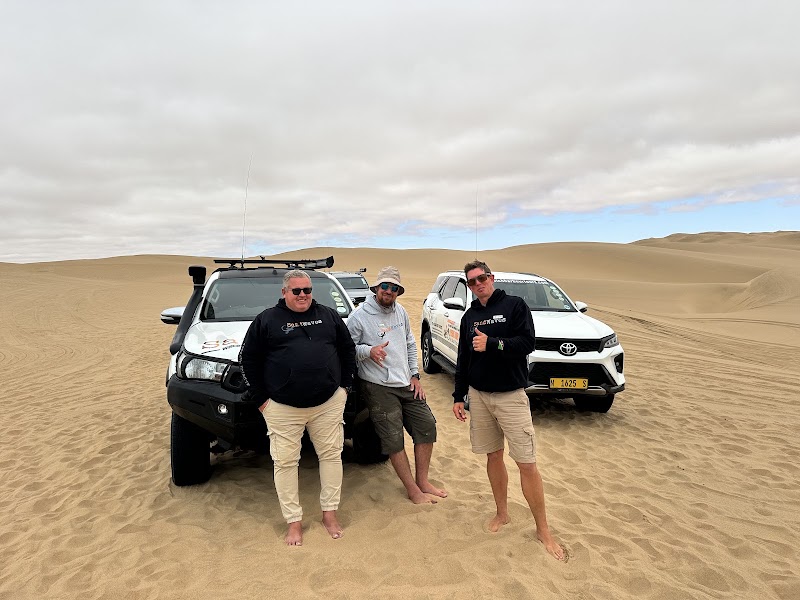
Sand Waves Adventure: Dune drives with expert context
Strong reviews highlight safe dune driving, engaging guides and wildlife-rich excursions around Swakopmund and Sandwich Harbour.
Namibia · Swakopmund
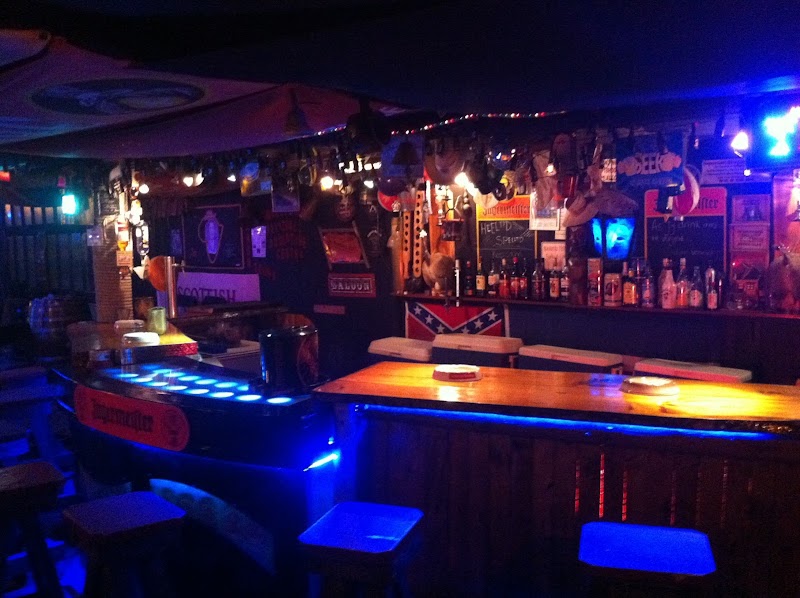
Group games and outdoor fun at Swakopmund Adventure Park
Paintball, an unusual mini-golf course and space for catered gatherings make this rustic Swakopmund venue a strong choice for groups.
Namibia · Windhoek
iFun Family Park: Water Play and More in Windhoek
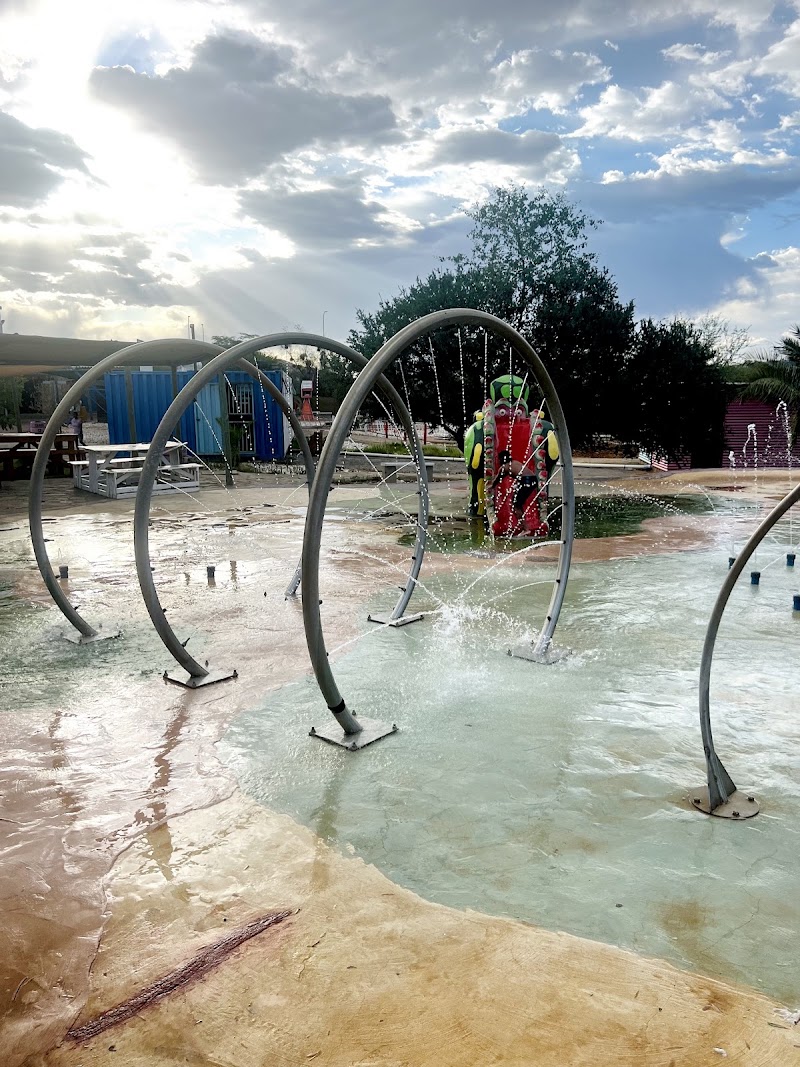
A family-focused Windhoek attraction with water activities, roller skating, mini golf and food, though separate activity charges can mount up.
Namibia · Windhoek
IJG Trails: varied hiking and coffee near Windhoek
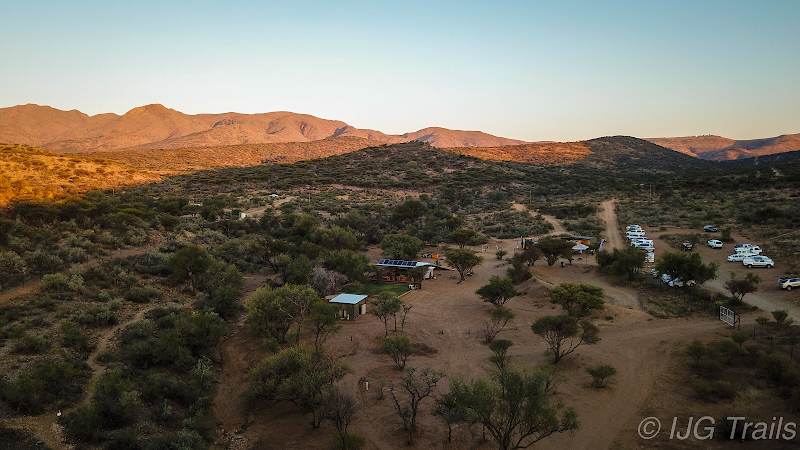
A well-reviewed outdoor escape with marked routes, changing terrain, mountain views and a coffee stop after the hike.