Imperial Citadel of Thang Long: Hanoi’s Historic Core
Layered ruins, preserved gateways and exhibitions trace more than a millennium of political and cultural history in central Hanoi.
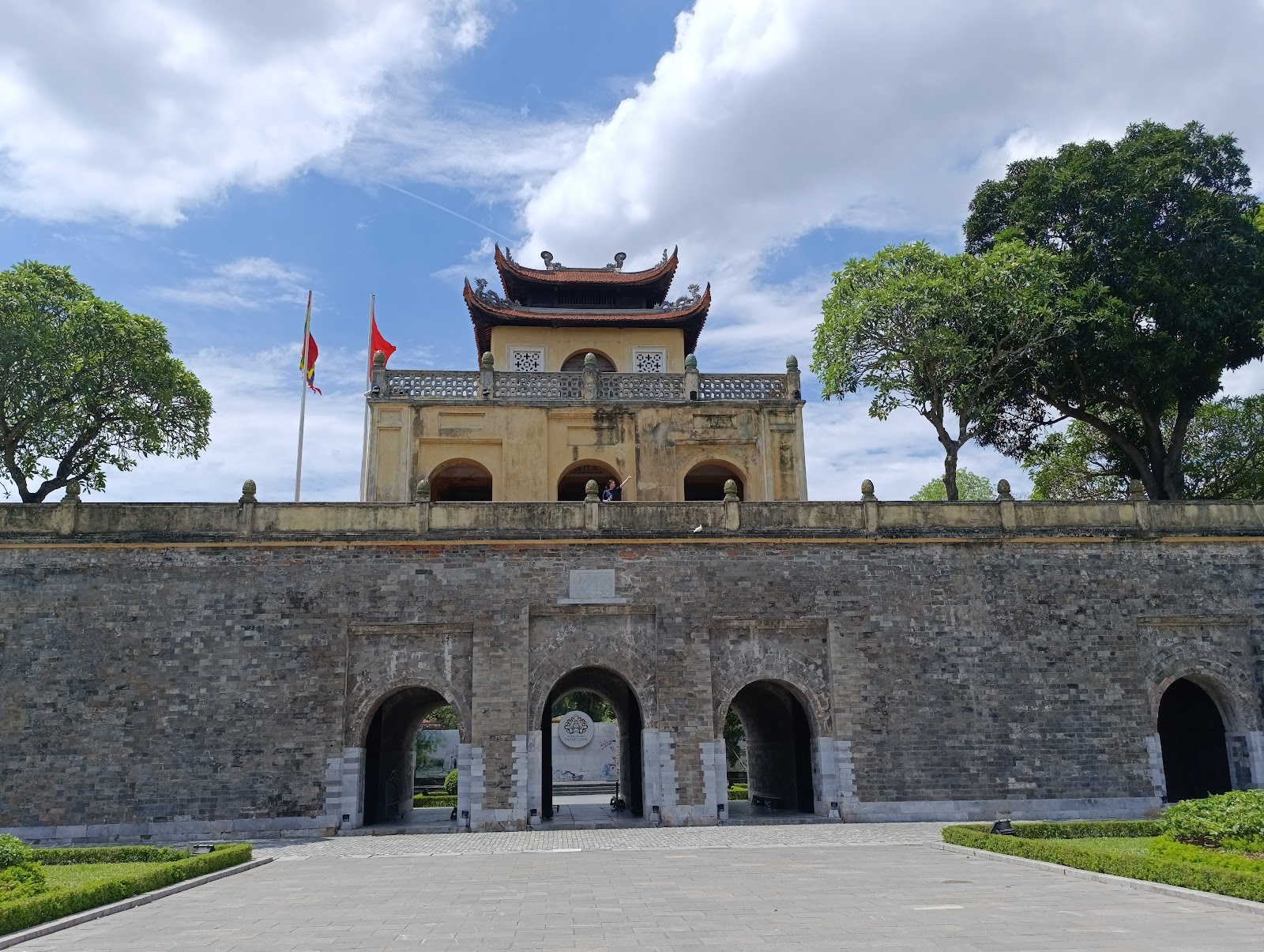
More photos
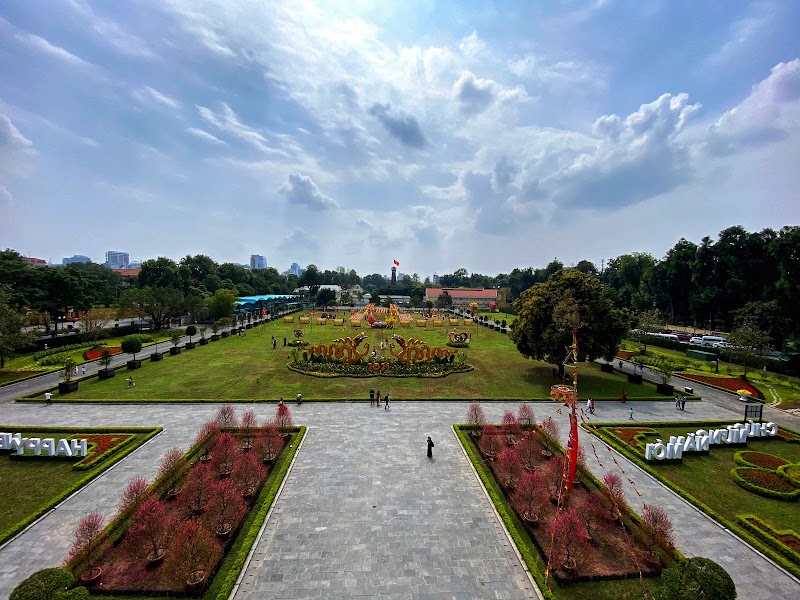
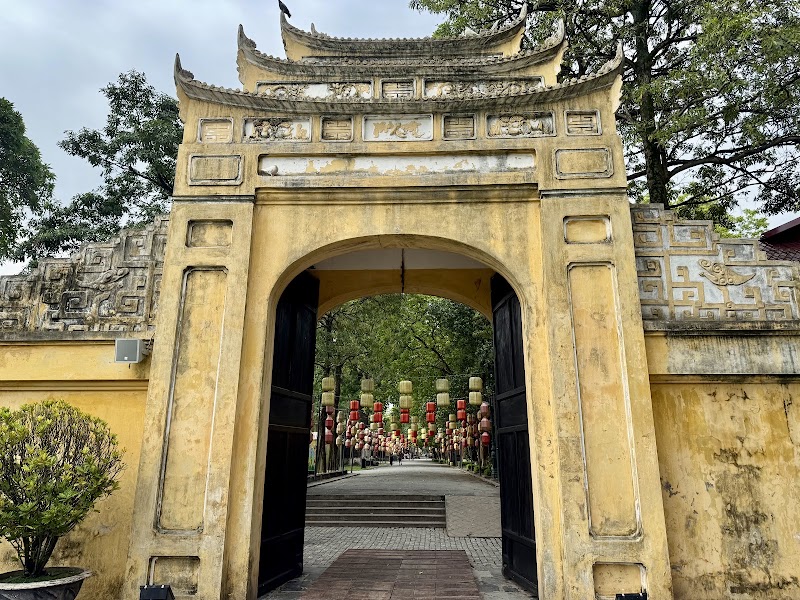


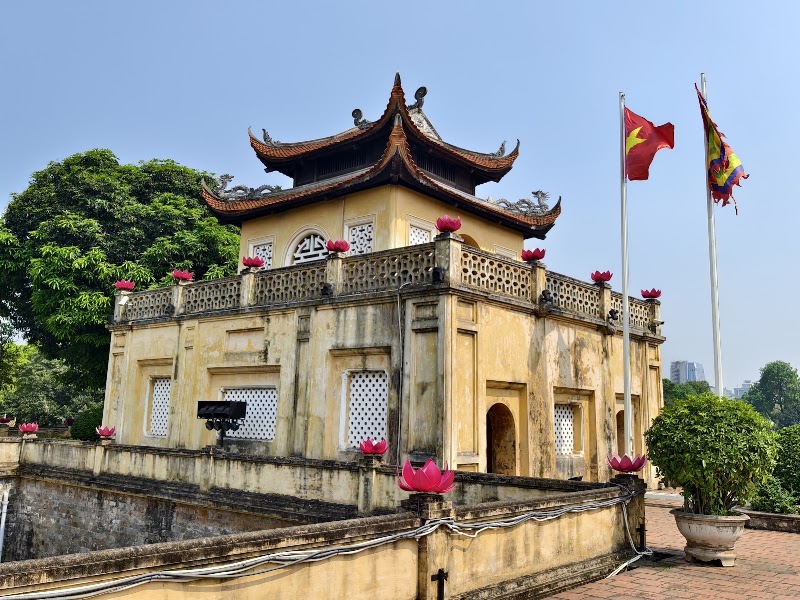
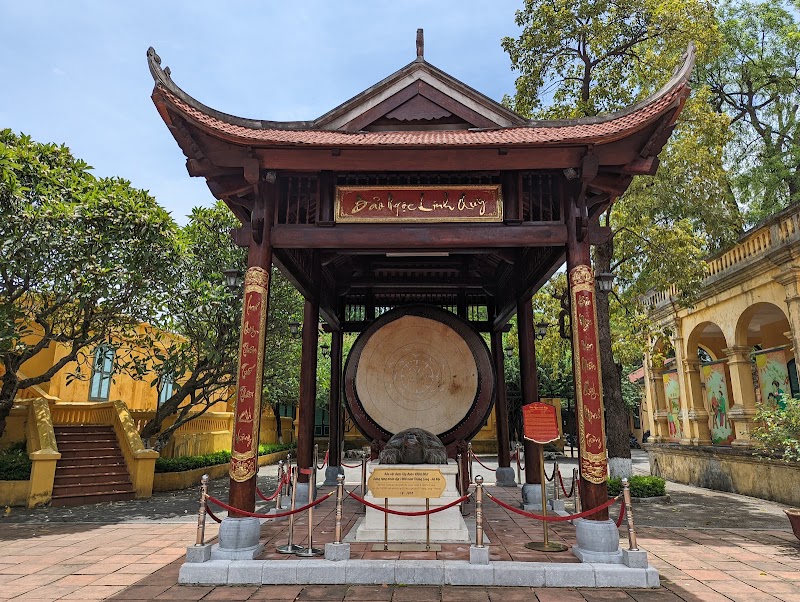
Photos published by travelers on Google, not AI generated.
What stands out
- UNESCO World Heritage setting
- Đoan Môn main gate
- Exhibitions spanning several dynasties
- Archaeological remains
- Peaceful, walkable grounds
Worth knowing
- Exposed outdoor areas can become hot
- The full complex may take two hours
Don't miss
What comes up most in public reviews
- Walk through Đoan Môn main gate
- Explore the historical exhibitions
- See the archaeological remains
- Pair the visit with Ho Chi Minh Mausoleum
Worth the trip?
Why it stands out
The Imperial Citadel of Thang Long ranks among Hanoi’s most important historical landmarks. The large central complex holds monumental architecture, archaeological remains and indoor exhibitions. It is also recognised as a UNESCO World Heritage Site, having served as Vietnam’s political centre under multiple dynasties for more than a thousand years.
That long timeline gives the visit its weight. This is not a reconstruction devoted to one period. Instead, the grounds bring together layers linked to the Lý, Trần and Lê dynasties, followed by later chapters of Vietnamese history. Across public feedback, visitors often call the site informative, with particular value for travellers interested in how Hanoi developed and in the country’s wider heritage.
The Google rating stands at 4.4 from 19158 reviews, a sign of strong overall approval. Comments repeatedly mention the calm atmosphere and well-maintained grounds. Many also appreciate being able to explore a major heritage site at some remove from the traffic outside.
What the visit involves
Đoan Môn is one of the immediate visual highlights. The imposing main gate makes a fitting entrance to the former imperial centre, after which the route passes surviving buildings, open courtyards, exhibitions and archaeological areas from different periods.
Most visitors explore independently and on foot. Reviews generally find the grounds easy to navigate, but this is not a place that gives up much to a rushed photo stop. Its historical range becomes clearer for those willing to stop and read the exhibition material. Indoor displays explain the architecture and excavated remains, which can make a substantial difference for anyone arriving with little knowledge of Vietnamese dynastic history.
A focused circuit takes around an hour. Covering every exhibition and archaeological section can push the visit closer to two hours. There is room to slow down, too. The spacious layout is relatively peaceful beside Hanoi’s busier streets.
Planning the stop
With its central location, the citadel can be paired easily with the nearby Ho Chi Minh Mausoleum on the same day. The combination is particularly useful for travellers shaping an itinerary around Hanoi’s political and historical landmarks.
Daytime heat is the concern that appears most clearly in public reviews. Large parts of the route cross exposed outdoor areas, making morning the more comfortable time to go. In hot or bright weather, water, sun protection and an umbrella are sensible. Comfortable footwear helps when crossing the broad complex and moving from one exhibition space to another.
According to reviewers, admission can be bought on site, and cash and card payment may be available. The holiday visits mentioned in the supplied feedback were not excessively crowded. That is only a limited sample, however, and does not guarantee similar conditions on every public holiday or during peak periods.
Editorial verdict
The Imperial Citadel works best as an interpretive historical site, not as a showcase of lavish palace interiors. Its strength comes from the evidence left by successive eras: gateways, buildings, displays and archaeological traces spread across one substantial complex.
History enthusiasts will probably take the most from the experience. Even so, the accessible layout and central location make it a strong part of a wider Hanoi sightseeing day. Visitors who leave enough time for the exhibitions will find more than an attractive landmark. They will come away with a clearer account of Vietnam’s political and cultural past.
Ask anything
Looking for somewhere else?
Keep exploring
More from Vietnam
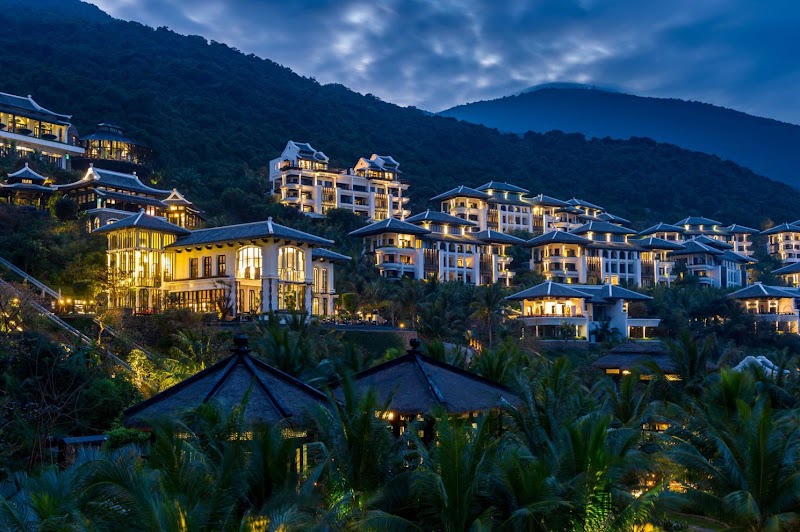
Vietnam
InterContinental Danang: Big Views and Standout Service
Striking architecture, far-reaching views and consistently attentive staff define this polished resort experience in Da Nang.

Vietnam · Nha Trang
Hon Tam Resort: Island calm with some service caveats
Hon Tam Resort pairs a peaceful Nha Trang island setting with spacious villas, a broad breakfast buffet and restorative waterside activities.
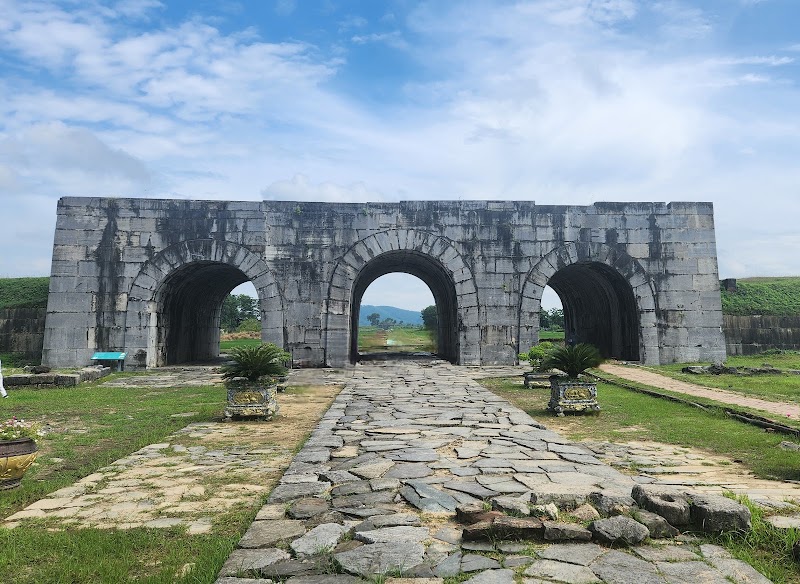
Vietnam · Tay Do
Ho Citadel: Monumental Stonework in a Sprawling Site
Massive stone gates and substantial history reward close attention, though the sparse, spread-out remains will not suit every visitor.
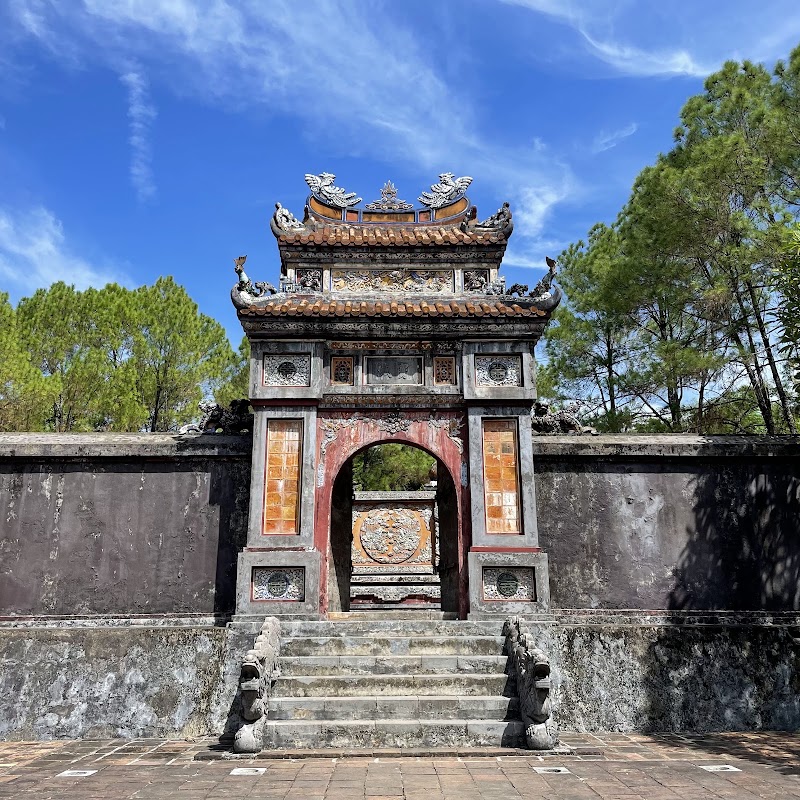
Vietnam · Hue
Mausoleum of Emperor Tu Duc: Hue’s Scenic Imperial Retreat
Landscaped grounds, a calm lake and imperial architecture make this expansive Hue landmark as atmospheric as it is historically compelling.