Iguazú National Park: immense falls and accessible walks
Argentina’s expansive waterfall park pairs dramatic views with mostly paved trails, though crowds and patchy visitor facilities require planning.
More photos



Photos published by travelers on Google, not AI generated.
What stands out
- Powerful, panoramic waterfall views
- Extensive walks on the Argentine side
- Mostly paved, often flat paths
- Coatis, butterflies and other wildlife
Worth knowing
- Heavy peak-season crowds
- Patchy mobile data and Wi-Fi
- Reported bathroom and signage issues
Don't miss
What comes up most in public reviews
- Devil’s Throat
- Two Sisters Falls
- Train ride to the walking routes
- Argentine-side waterfall walks
Worth the trip?
Why it stands out
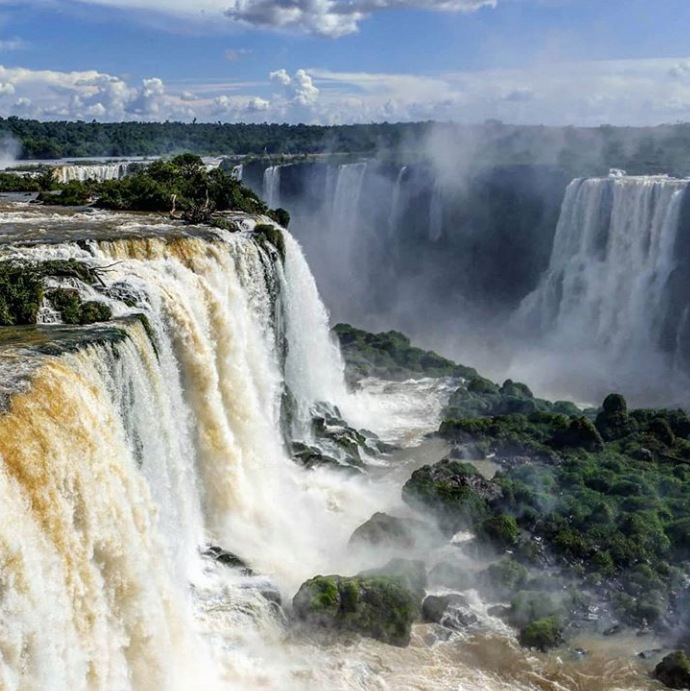
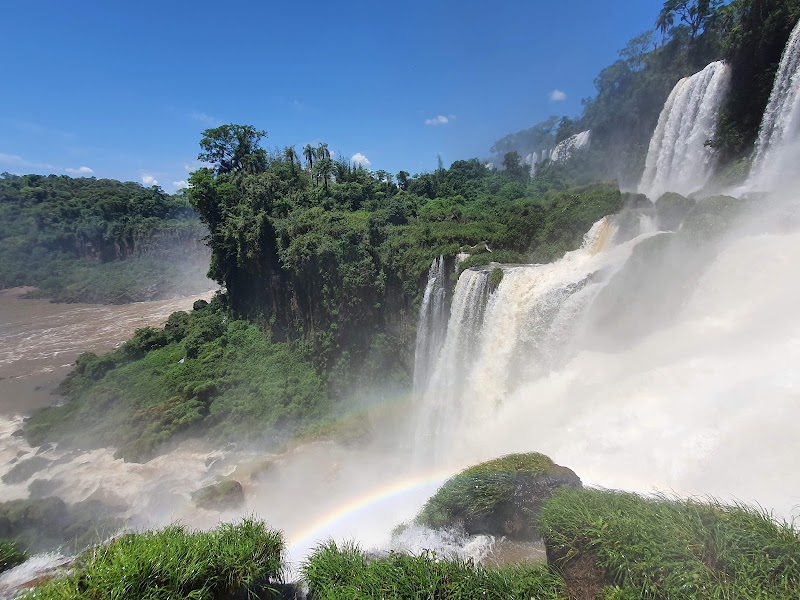
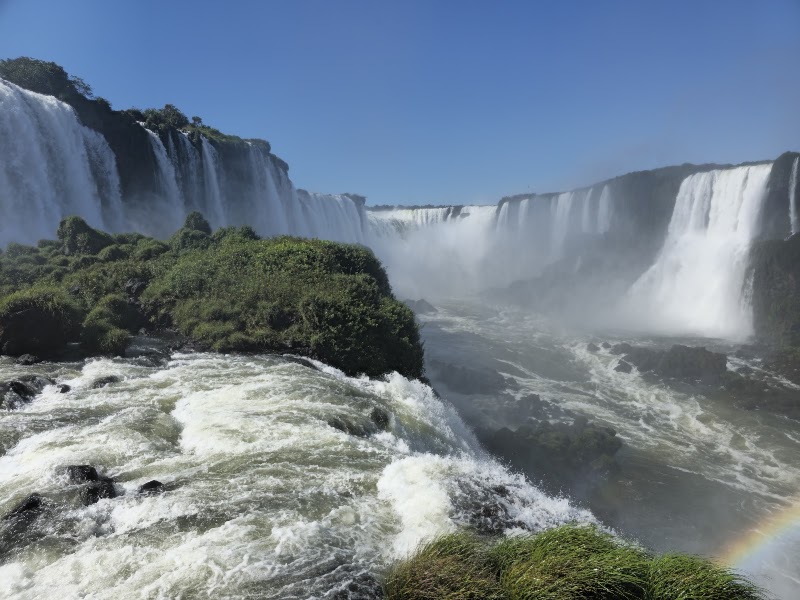
With a Google rating of 4.9 from 109646 reviews, Iguazú National Park earns unusually strong approval for both the scale of its waterfalls and the range of viewpoints on the Argentine side. Public reviews repeatedly struggle to convey the force, noise and beauty of the water, often describing the falls as breathtaking or spectacular.
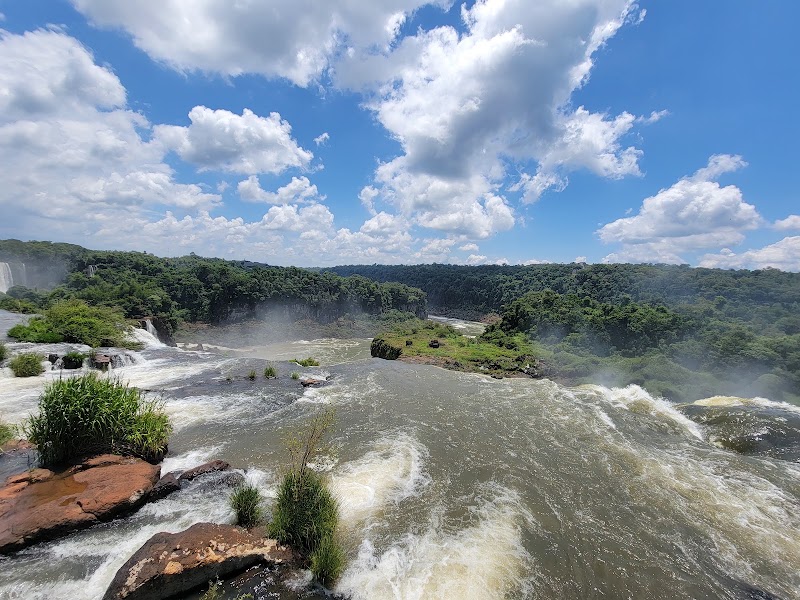
The Argentine side receives particular praise for its extensive walking routes. Rather than offering a single distant panorama, the park lets visitors move among different sections of the falls and experience them from several angles. Devil’s Throat is the headline sight, while Two Sisters Falls is another specifically praised stop.
What the visit involves
The park is more developed than some travellers expect from a national park. One review highlights paved paths throughout, with many sections avoiding stairs. That makes much of the sightseeing relatively approachable, although individual mobility needs should still be checked against current park information rather than assumed from a single visit.
A train carries passengers towards the starting point for some of the walks. From there, seeing the principal areas can involve substantial time on foot. One traveller recorded roughly 15,000 steps while exploring, despite describing the route as flat. A full day is therefore the sensible choice for anyone hoping to cover the walks without rushing.
Wildlife can add interest between viewpoints. Reviewers report seeing coatis, butterflies, fish and, on one occasion, a snake. These sightings vary, but they reinforce that this is a living subtropical environment rather than simply a sequence of viewing platforms.
Crowds and practicalities
The main compromise is popularity. One peak-season visitor likened the experience to a conveyor belt of people. The crowds did not erase the impact of the scenery, but they affected the pace and atmosphere. Another reviewer found winter less crowded and still recommended arriving early in the morning. An early start is the clearest practical advice supported across the feedback.
Facilities receive less consistent praise than the landscape. One critical review reported poorly maintained bathrooms, broken stall locks and limited signage. The same visitor encountered spotty mobile data and Wi-Fi, then struggled to download and read the digital map. Travellers should save essential information before arrival and avoid relying entirely on connectivity inside the park.
Conditions also change by season and day. One April visitor encountered no mosquitoes, but that isolated experience should not be treated as a general guarantee.
Verdict
The reviews present Iguazú National Park as an exceptional natural attraction supported by well-developed, largely paved walking infrastructure. Crowding, navigation and bathroom maintenance can frustrate, yet these issues rarely outweigh the spectacle itself. Visitors who arrive early, allow a full day and prepare for plenty of walking are best placed to appreciate the Argentine side’s breadth.
Ask anything
Looking for somewhere else?
Keep exploring around Puerto Iguazú
More from Argentina
Argentina
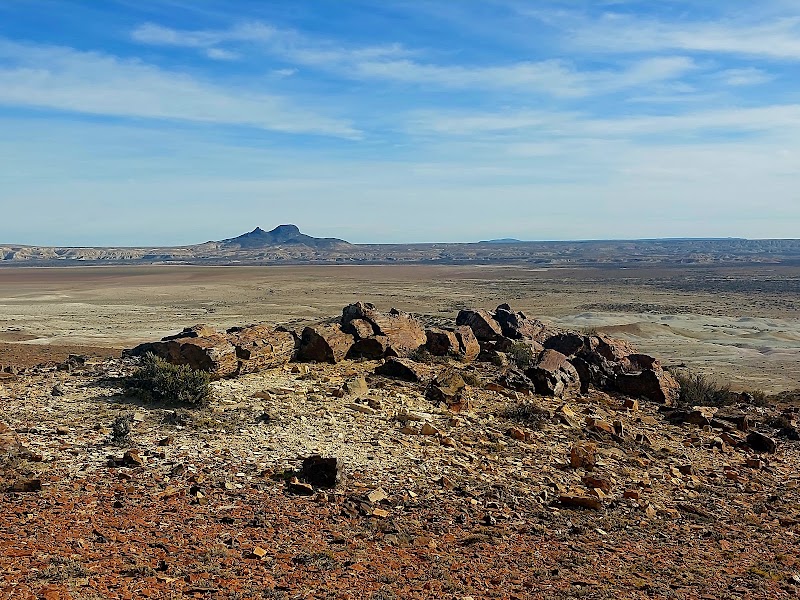
Petrified forests and big scenery off Argentina’s Route 3
A remote national park where vast landscapes, petrified trees and knowledgeable rangers reward the long gravel-road diversion.
Argentina
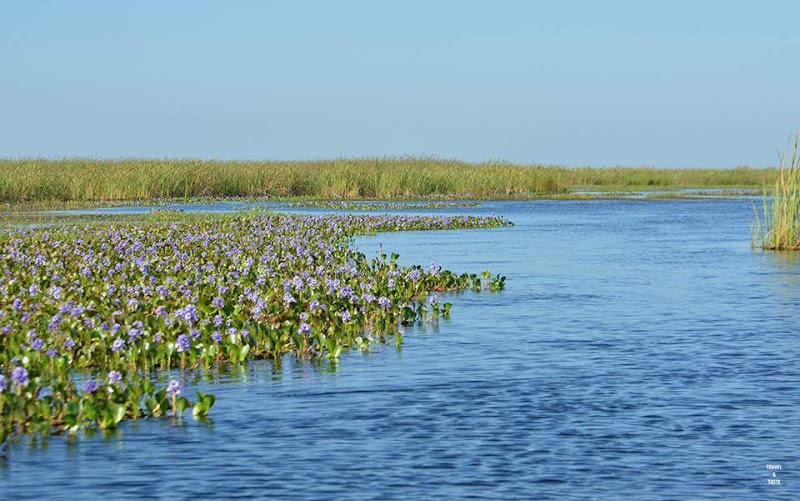
Iberá Wetlands: Peaceful Wildlife Encounters in Argentina
Travellers praise Iberá Wetlands for abundant birdlife, capybaras and other wildlife in an unusually calm natural setting.
Argentina
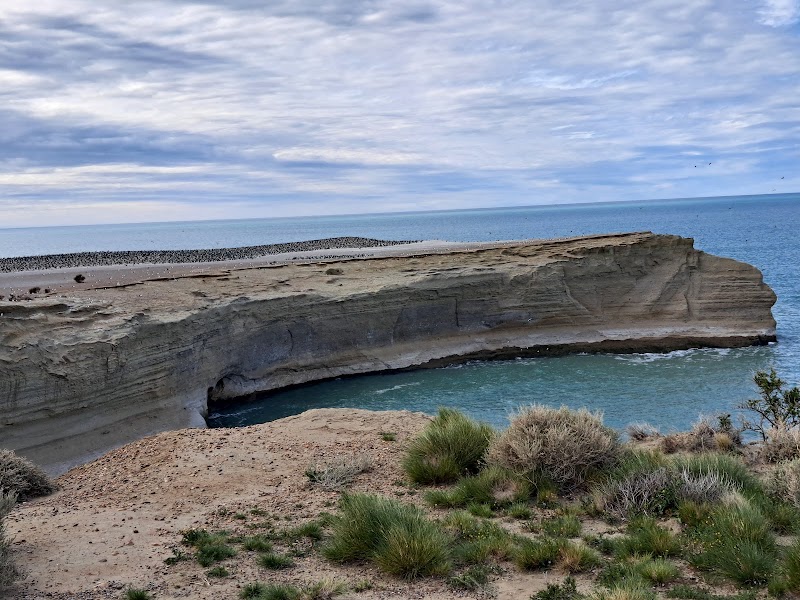
Parque Nacional Monte León: Wild Patagonian Coast
A remote Santa Cruz park where gravel-road access leads to windswept coastline, open steppe and possible guanaco and penguin sightings.
Argentina · Jesus María
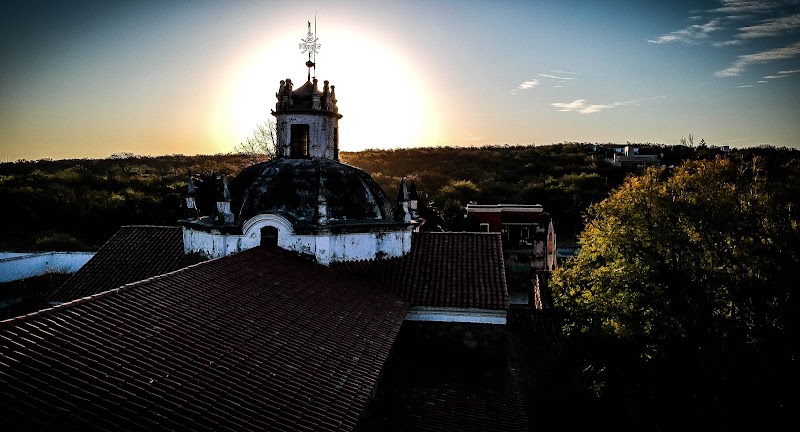
Jesuit history and striking chapel acoustics in Jesús María
This national museum pairs Córdoba’s Jesuit history with sacred objects, archaeological finds and a chapel praised for its remarkable acoustics.