Humayun’s Tomb: Mughal Grandeur in a Garden Setting
Red sandstone, marble detailing and formal gardens make Humayun’s Tomb one of New Delhi’s most rewarding heritage landmarks.
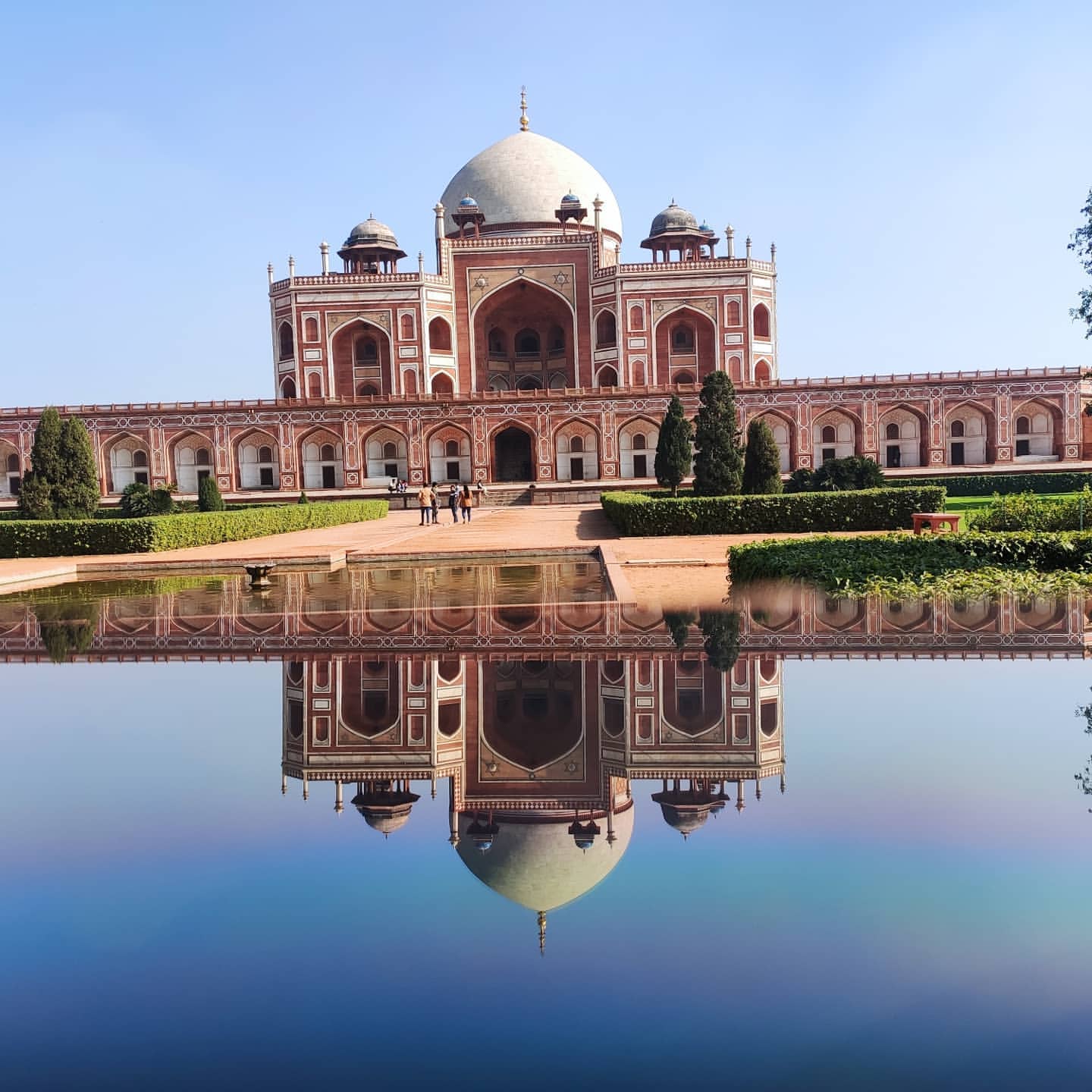
More photos
Photos published by travelers on Google, not AI generated.
What stands out
- Grand Mughal architecture
- Red sandstone and white marble details
- Peaceful Charbagh gardens
- Strong symmetry and photo opportunities
- Clean, well-maintained pathways
Don't miss
What comes up most in public reviews
- The main mausoleum
- Red sandstone and marble detailing
- The symmetrical Charbagh garden
- Long garden views towards the tomb
Worth the trip?
How visitors rate the experience
Humayun’s Tomb has a Google rating of 4.5 from 51551 reviews. The comments are strikingly consistent. Visitors often praise the scale, symmetry and peaceful surroundings, describing a place that feels visually impressive yet calming. Recommendations commonly extend to families, photographers and travellers with an interest in Delhi’s architectural history.
This assessment is synthesized from public ratings and traveller reviews, not an in-person visit. Those accounts return to the same features: red sandstone set against white marble, carefully arranged gardens, and the generous sense of space around the mausoleum. Several reviewers suggest taking time over the grounds. This is not simply a quick photo stop.
Architecture and historical appeal
The main mausoleum dominates the visit. Broad red sandstone elevations are punctuated by pale marble details, producing the strong colour contrast that appears so often in reviews. Visitors notice the balanced proportions too, along with intricate decorative work and firm geometric lines. Its symmetry has made the building particularly popular with photographers, and different corners and approaches provide carefully framed views.
Public reviews describe Humayun’s Tomb as an important work of Mughal architecture and a UNESCO World Heritage site. It is also identified as an early grand dynastic mausoleum of the Mughal period, giving the visual spectacle considerable historical weight. Even travellers who say little about that history tend to dwell on the grandeur of the monument, its atmosphere and its well-preserved appearance.
Gardens and atmosphere
The surrounding Charbagh garden does not feel like background scenery. Its formal plan, greenery and long paths shape the visit, opening up views towards the tomb while strengthening the symmetry of the site. Reviewers regularly call the gardens peaceful, clean and well maintained. There is enough space to walk, stop and take photographs without rushing.
That calm is among the landmark’s strongest qualities. Accounts refer to a royal atmosphere and to surroundings that reward a slower pace, giving visitors time to study the structure from different angles. Monumental architecture and green space also work well for mixed-interest groups, including families whose members may not all be equally interested in history.
Planning the visit
Half a day is a sensible amount of time for the main tomb, walks through the gardens and photography. A shorter stop is enough for the principal exterior views. Still, reviews indicate that much of the pleasure lies in following the paths and seeing how the building shifts from one viewpoint to the next.
No recurring practical complaints appear in the supplied reviews. The overall verdict is clear: Humayun’s Tomb delivers architectural drama without losing its tranquillity. Red sandstone massing, white marble accents and the Charbagh setting form a coherent heritage experience. Clean paths and maintained greenery leave the grounds every bit as memorable as the mausoleum itself.
Plan the rest of the trip
Ask anything
Looking for somewhere else?
Keep exploring around New Delhi
More from India
India · Bokopukhuri Habi
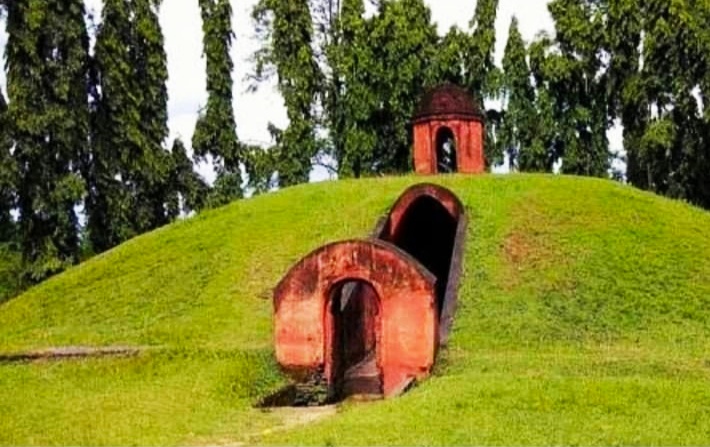
Charaideo Maidam: Assam’s Royal Burial Landscape
Ahom royal burial mounds, peaceful grounds and deep historical significance make this a compelling half-day landmark in Assam.
India · Verul
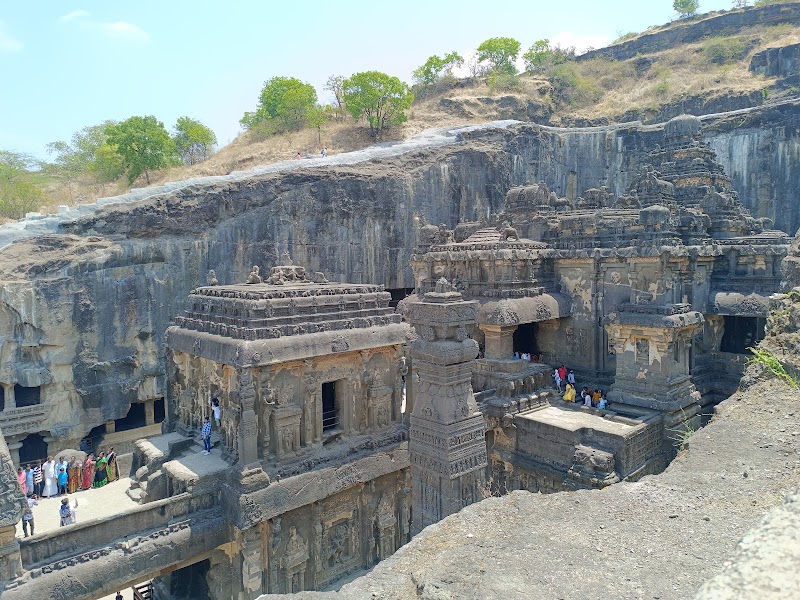
Ellora Caves: Monumental Art Carved Into Basalt
Ellora’s 34 rock-cut monuments unite Buddhist, Hindu and Jain traditions, with the vast Kailasa Temple dominating visitor impressions.

India · New Delhi
Qutb Minar: Monumental Architecture Beyond the Tower
Delhi’s soaring minaret anchors a well-kept heritage complex filled with intricate carvings, lawns and evocative medieval ruins.
India · Agra
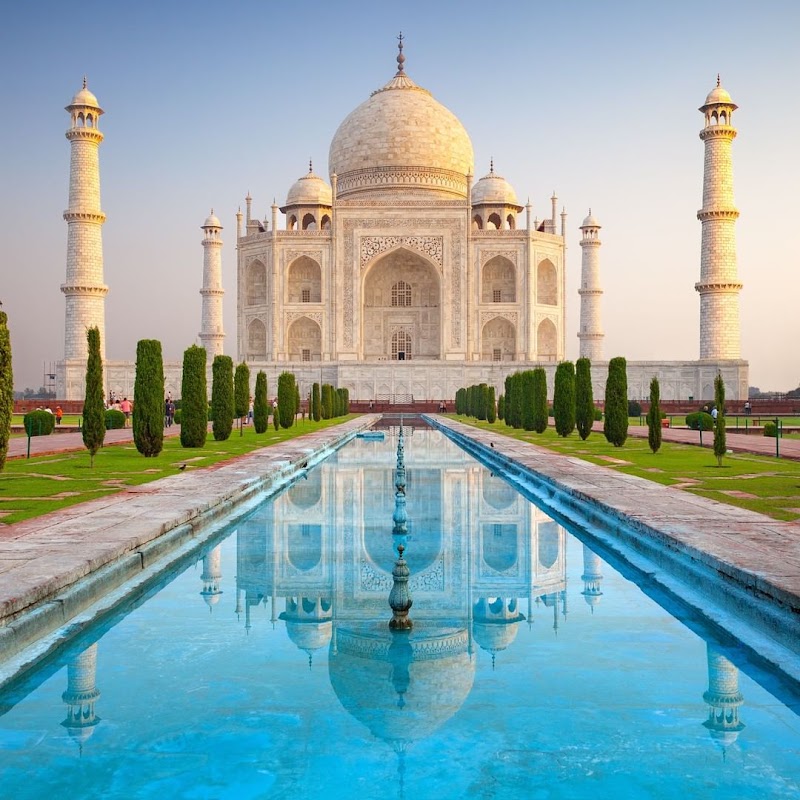
Taj Mahal review: Agra’s defining monument
Agra’s white-marble mausoleum pairs immense historical significance with one of the strongest public rating signals in Indian tourism.