Huizhou Ancient City: Historic Streets Inside Ming and Qing Walls
Public reviews point to a walkable old town in Huangshan City, with historic architecture, local crafts, food and a museum spanning the area’s past.
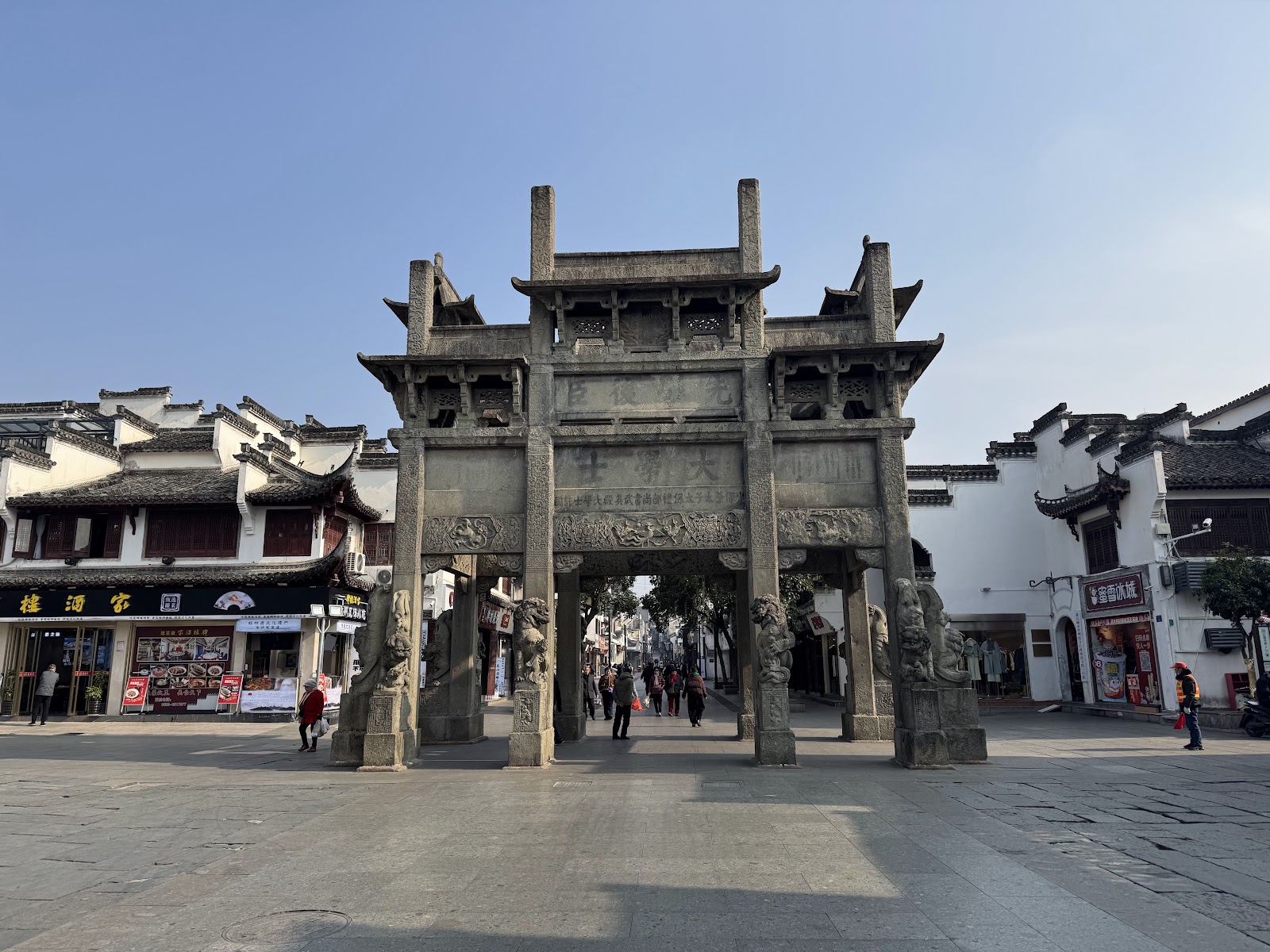
More photos
Photos published by travelers on Google, not AI generated.
What stands out
- Ming and Qing Dynasty architecture
- Historic walls and old-town streets
- Local crafts, including bamboo cups
- Restaurants and food within the walls
- Museum covering Neolithic history to the present
Worth knowing
- Hot weather can make walking tiring
- Check river and flood conditions after heavy rain
Don't miss
What comes up most in public reviews
- Walk the historic city walls and streets
- Visit the area history museum
- Browse local wine and bamboo crafts
- Watch bamboo items being carved
- Eat at a restaurant inside the old town
Worth the trip?
Huizhou Ancient City is a place for slow exploring. Public reviews give it 4.2 out of 5 from 68 reviews, with visitors repeatedly describing an old town that remains active rather than preserved as a purely static attraction. Shops, restaurants and craft stalls operate within the historic walls, giving the visit a practical, lived-in feel.
What the reviews highlight
The strongest appeal is the architecture. Reviewers point to Han-style buildings dating from the Ming Dynasty, which lasted from 1368 to 1644, and the Qing Dynasty, which lasted from 1644 to 1911. The walls and older streets provide the setting for an easy walking visit, with plenty of pauses for food, browsing and photographs.
Several reviews describe Huizhou Ancient City as one of China’s four main ancient cities and as a historically important cultural town. That status is presented in the visitor feedback rather than independently verified here. The consistent point is simpler: the old culture remains visible, while the town inside the walls still functions as a modern place.
Crafts, food and the local story
The old town is not only an architectural stop. Reviews mention wine, bamboo cups and other local crafts for sale. One visitor specifically notes that some bamboo items may be carved while visitors watch, adding a small element of demonstration to the shopping experience.
Food is another recurring reason to allow time here. Reviewers describe many restaurants within the walls and say the food is good. The range of things to see, taste and buy makes the attraction better suited to an unhurried walk than a quick photo stop.
A museum provides useful context, covering the area from the Neolithic period to the present. One review reports that many signs are available in both English and Chinese. That makes the museum a sensible first stop for visitors who want historical background before exploring the lanes.
When to go and what to expect
Autumn receives the clearest seasonal recommendation in the reviews, with one visitor suggesting weather around 15 to 23 degrees Celsius as comfortable for walking. Hot weather can make the visit tiring, particularly because much of the experience takes place outdoors.
Weather deserves attention for another reason. A review warns that the city lies in a valley and that the river can flood. This is a practical point to check before setting out, especially after heavy rain. The available feedback does not establish a typical flood pattern, so visitors should consult current local conditions rather than treat the warning as a routine feature.
A half day should cover a straightforward walk, the museum and some browsing. More time makes sense for visitors who want to eat within the walls, watch craftwork and explore at a relaxed pace. Huizhou Ancient City suits travellers interested in Chinese heritage, traditional buildings and local shopping, with autumn offering the most comfortable conditions according to the public reviews.
Plan the rest of the trip
Ask anything
Looking for somewhere else?
Keep exploring around Huang Shan Shi
More from China
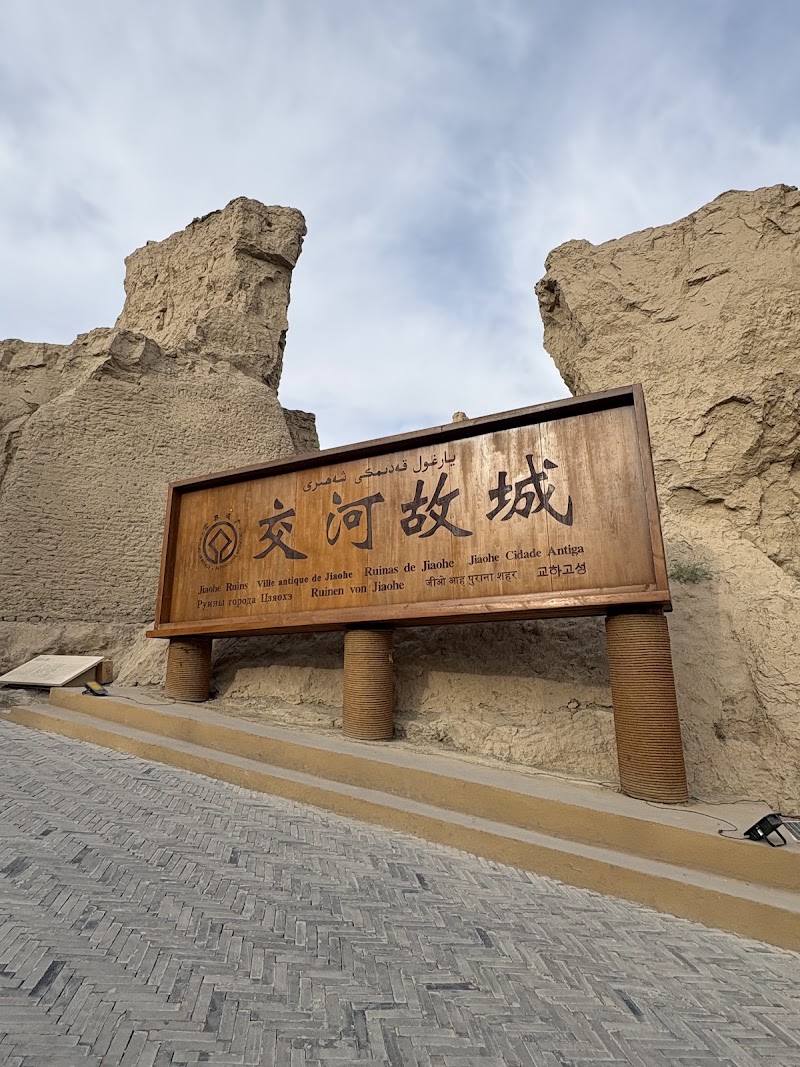
China · Turpan
Ancient City of Jiaohe: Turpan’s Earth-Carved Ruins
Jiaohe is an exposed archaeological site with striking plateau views, a useful visitor centre and a shuttle journey before the ruins begin.
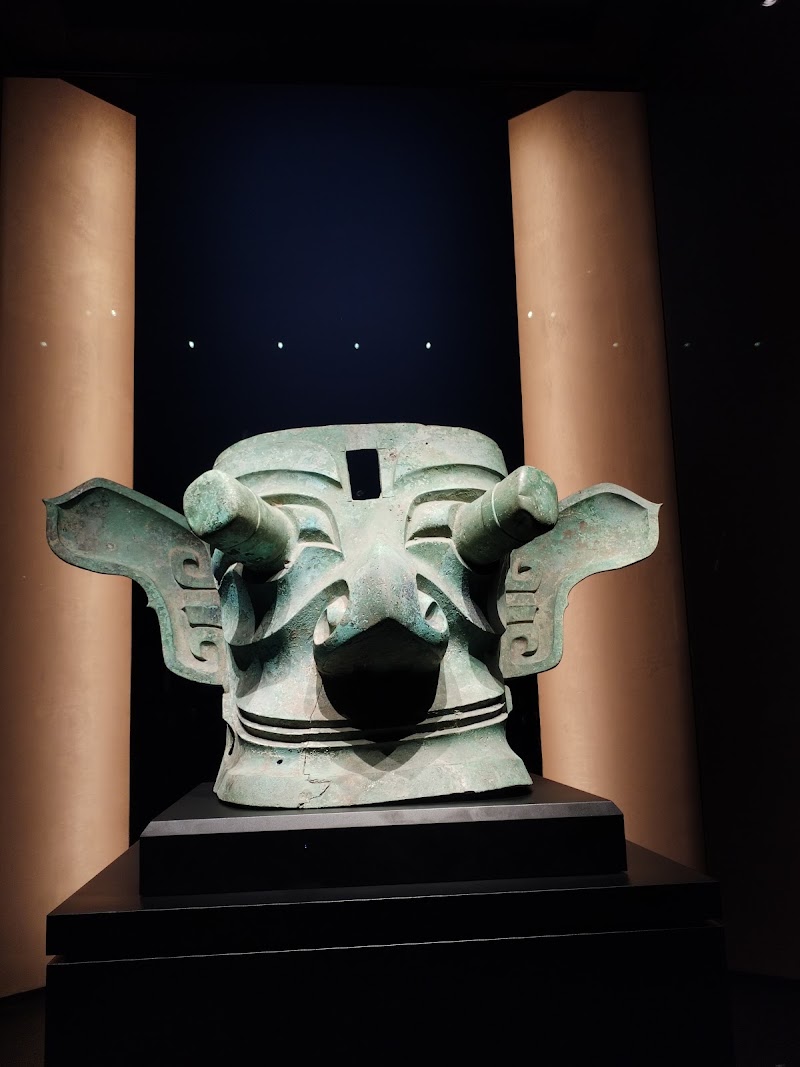
China · Deyang
Sanxingdui: China’s Extraordinary Bronze Age Archaeology
Sanxingdui’s remarkable masks, sculptures and sacrificial-pit discoveries make it a compelling archaeological visit from Chengdu.
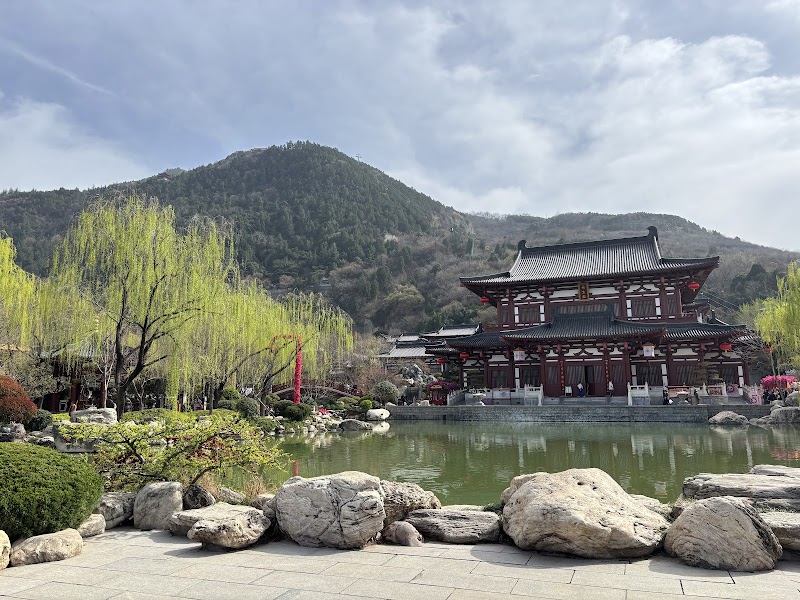
China · Xi An Shi
Huaqing Pool: Imperial History at the Foot of Mount Li
Public reviews describe Huaqing Pool as a scenic historical complex whose evening performance often outshines the daytime park visit.
China · San Du He Xiang
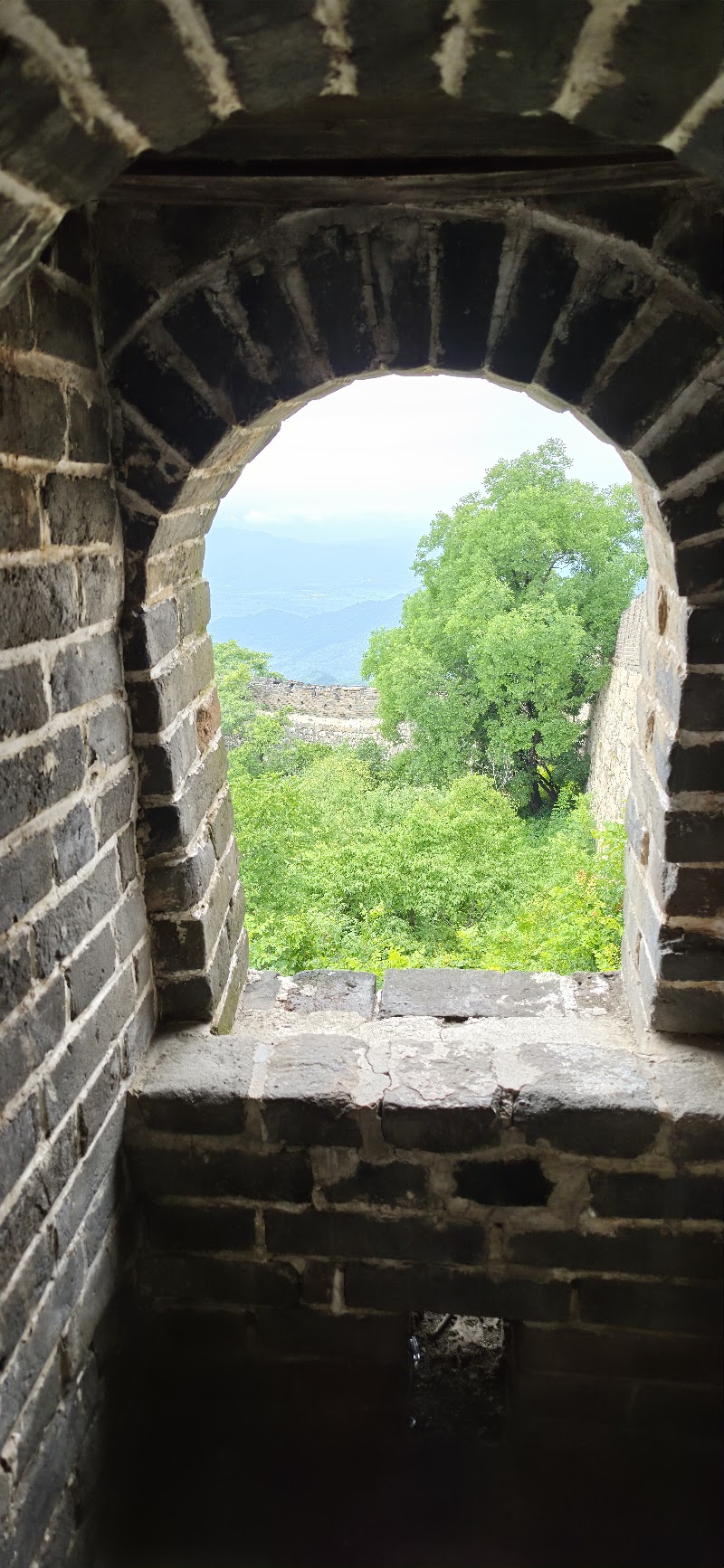
中华奇石园: A Great Wall Access Point With Serious Walking
Public reviews identify this listing with a Great Wall access area, cable car, steep approaches and wide seasonal views, despite the place name suggesting a different attraction.