Hue Historic Citadel: Vietnam’s Imperial Heart
A vast complex of palaces, gates, courtyards and gardens that rewards several hours of exploration despite ongoing restoration.

More photos
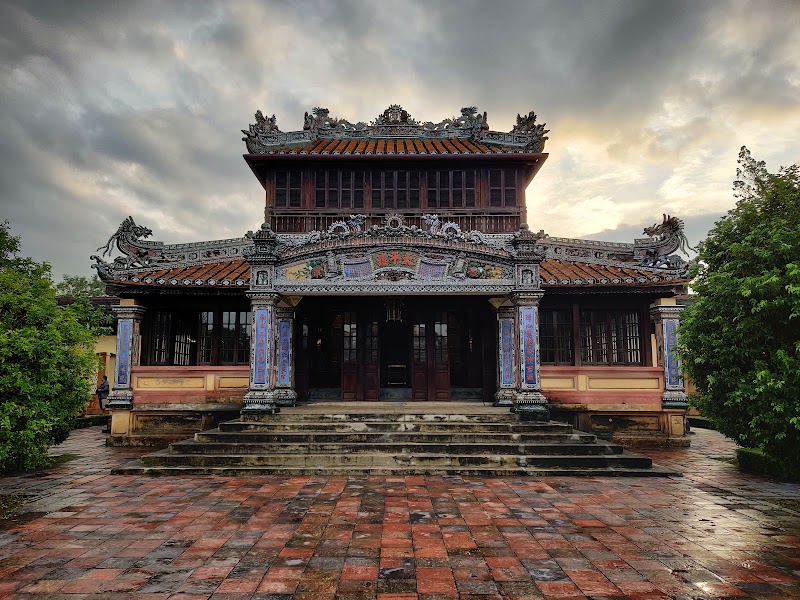
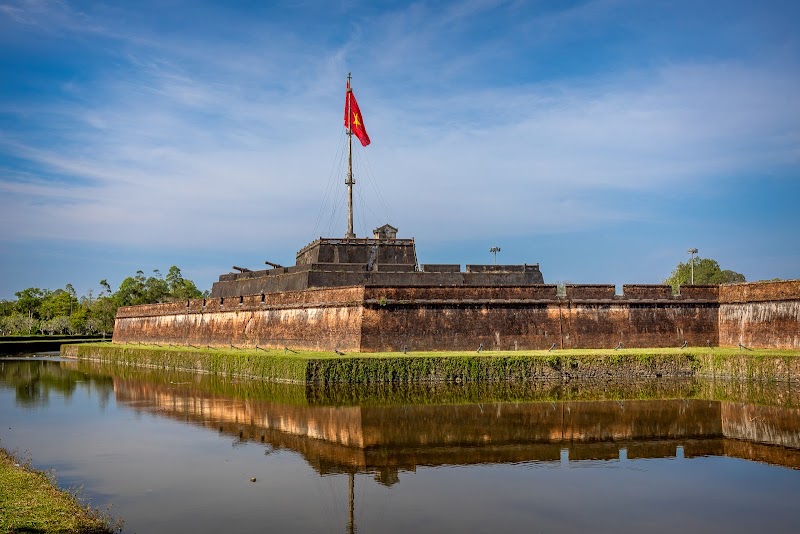

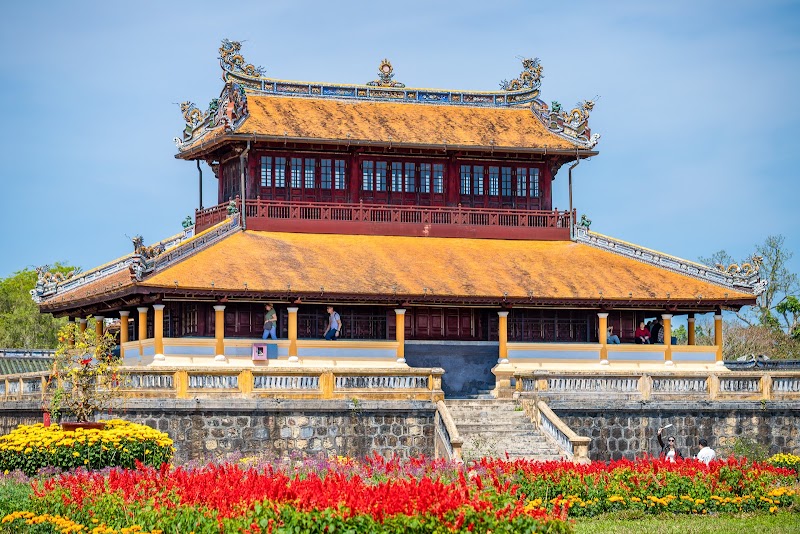

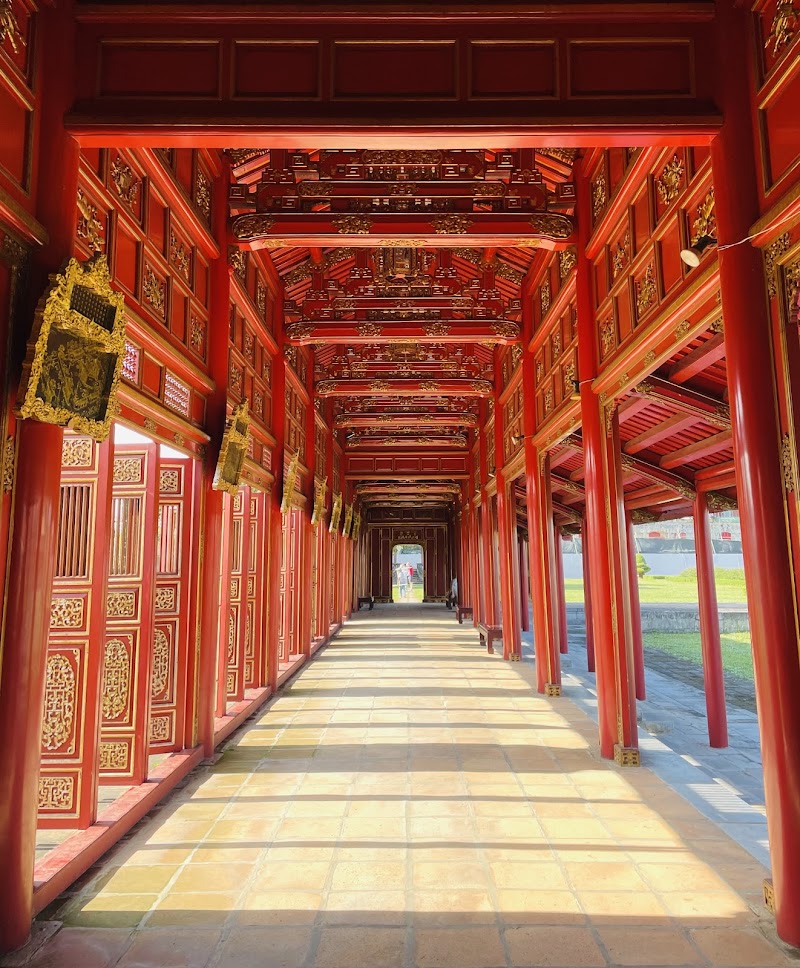
Photos published by travelers on Google, not AI generated.
What stands out
- Imperial gates and palace architecture
- Temples and spacious courtyards
- Peaceful imperial garden
- Strong photography opportunities
- Nguyen Dynasty history
Worth knowing
- Extensive walking and exposed areas
- Some sections are being restored
- Souvenir shops can disrupt the atmosphere
Don't miss
What comes up most in public reviews
- Explore the Imperial City
- Walk through the monumental gates
- See the temples and courtyards
- Pause in the imperial garden
Worth the trip?
Why it stands out
Public feedback places Hue Historic Citadel among the city’s essential sights. Its Google rating of 4.5 from 39710 reviews reflects broad enthusiasm for the scale, architecture and historical importance of the complex. Travellers repeatedly describe it as a rewarding introduction to the Nguyen Dynasty and to Hue’s former role as Vietnam’s imperial capital.
Built in the early 1800s, the fortified complex served as the dynasty’s capital from 1802 to 1945 and became a UNESCO World Heritage site in 1993. Reviews commonly distinguish between the wider Citadel, the Imperial City and the Forbidden Purple City. Together, these areas form a substantial site rather than a single palace or monument.
What visitors can expect
The main appeal lies in walking through monumental gates, temples, palaces and broad courtyards. Surviving and restored buildings provide the visual highlights, while the layout gives a sense of imperial ceremony and urban planning. Reviewers also praise the gardens, particularly the imperial garden, as a calm counterpoint to the larger architectural spaces.
Photography is another recurring strength. Decorative gateways, traditional roofs, long sightlines and landscaped grounds create plenty of compositions, although the experience is more meaningful for visitors who allow time to understand the historical setting rather than treating it as a quick photo stop.
The complex is large, and public reviews consistently recommend setting aside a few hours. Comfortable shoes and drinking water are sensible, as much of a visit is spent walking between buildings and across exposed courtyards. Early morning or late afternoon receives the strongest support, primarily because those times can make the heat more manageable.
Limitations to keep in mind
Restoration remains visible in parts of the site. Most reviewers accept this as part of preserving a historically important complex, noting that there is already plenty to see, but some areas may feel less complete than expected. The quantity of historic objects on display can also seem limited compared with the scale of the buildings.
A smaller strand of feedback criticises souvenir or jewellery sales inside some structures. For those travellers, the retail presence interrupts the atmosphere of an otherwise evocative historical setting. The architecture, courtyards and gardens remain the stronger focus.
Editorial verdict
Synthesised public opinion suggests that Hue Historic Citadel is best approached as a half-day historical walk. Its size, layered plan and surviving imperial architecture give it more depth than a conventional landmark visit. History-focused travellers are likely to gain the most, but the gardens and strong photographic appeal broaden its audience.
Ongoing restoration and sparse displays in some buildings prevent every section from feeling equally absorbing. Even so, the repeated praise for the gates, palaces, courtyards and peaceful garden supports its status as Hue’s defining historical attraction.
Ask anything
Looking for somewhere else?
Keep exploring around Hue
More from Vietnam
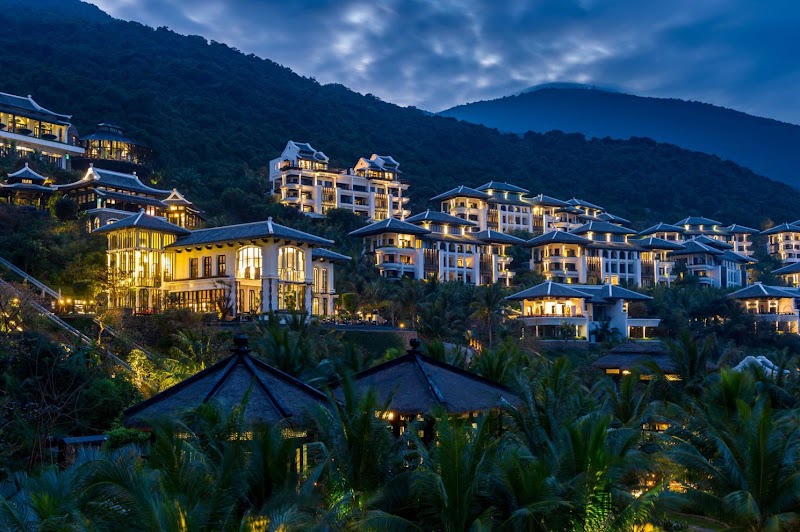
Vietnam
InterContinental Danang: Big Views and Standout Service
Striking architecture, far-reaching views and consistently attentive staff define this polished resort experience in Da Nang.

Vietnam · Nha Trang
Hon Tam Resort: Island calm with some service caveats
Hon Tam Resort pairs a peaceful Nha Trang island setting with spacious villas, a broad breakfast buffet and restorative waterside activities.
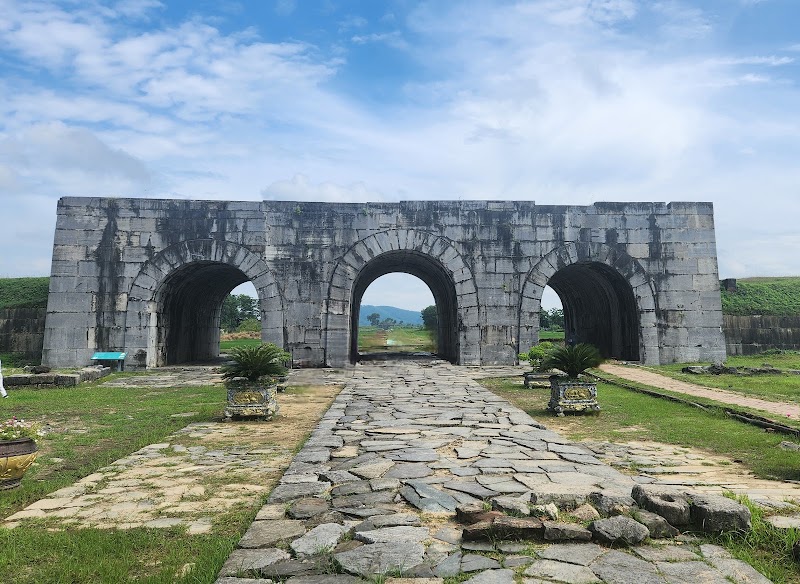
Vietnam · Tay Do
Ho Citadel: Monumental Stonework in a Sprawling Site
Massive stone gates and substantial history reward close attention, though the sparse, spread-out remains will not suit every visitor.
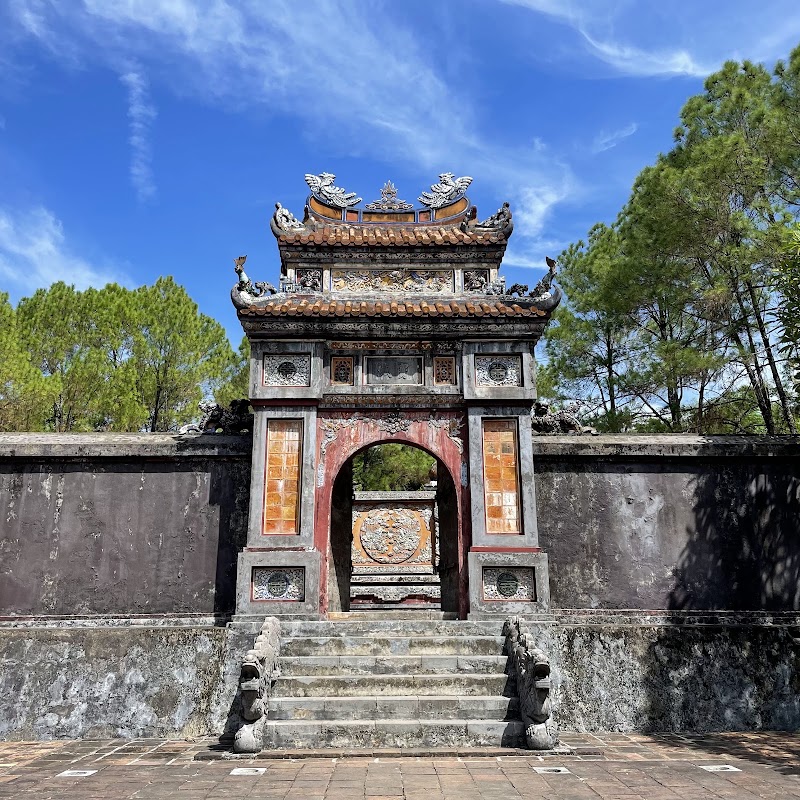
Vietnam · Hue
Mausoleum of Emperor Tu Duc: Hue’s Scenic Imperial Retreat
Landscaped grounds, a calm lake and imperial architecture make this expansive Hue landmark as atmospheric as it is historically compelling.