House of Orpheus: Mythology in Mosaic at Kato Paphos
This ancient villa rewards mythology enthusiasts with detailed floor mosaics, though covered sections can make the experience feel incomplete.
More photos
Photos published by travelers on Google, not AI generated.
What stands out
- Detailed floor mosaics
- Scenes from Greek mythology
- Surviving villa architecture
- Part of the Kato Paphos site
Worth knowing
- Some mosaics may be covered with sand or tarpaulin
- Information boards may not show concealed designs
- Preservation can feel uneven
Don't miss
What comes up most in public reviews
- Floor mosaics
- Greek mythology scenes
- Surviving architecture
Worth the trip?
Why the House of Orpheus matters
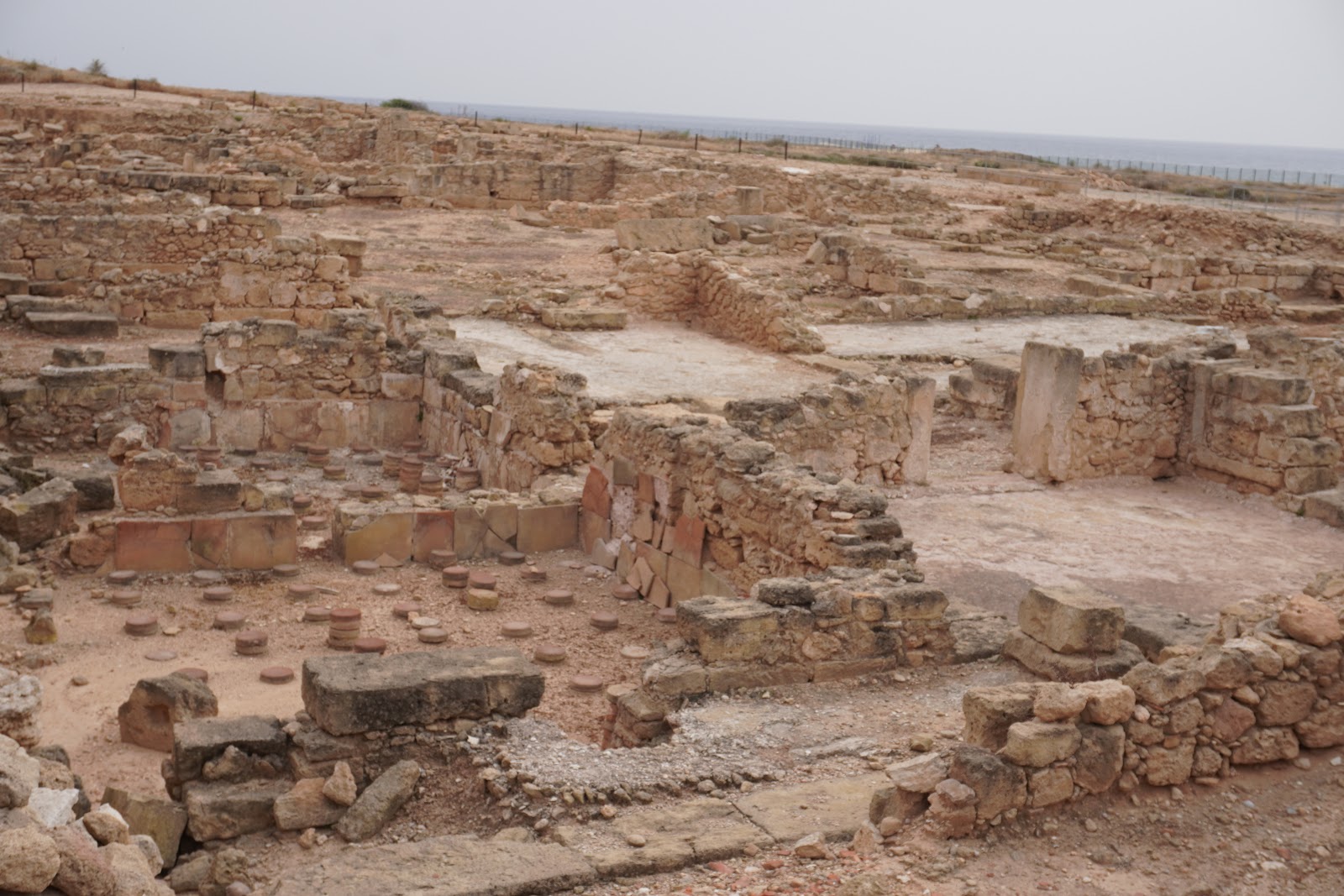
The House of Orpheus forms part of the wider Kato Paphos archaeological site, where its surviving architecture and decorated floors offer a glimpse of the classical world. Public feedback focuses particularly on its mosaics, which depict scenes associated with Greek mythology and demonstrate the technical precision of ancient mosaic work.
With a Google rating of 4.5 from 92 reviews, the landmark is generally well regarded. That score reflects strong appreciation for its craftsmanship, but the written reviews also reveal a recurring frustration: not all of the mosaics are visible or presented as clearly as visitors expect.
What public reviews praise
The floor mosaics are the main reason to stop. Reviewers interested in Greek mythology describe the scenes as detailed and visually impressive, with the artistry emerging as the most consistent positive theme. Classical art enthusiasts and travellers already exploring the Kato Paphos site are likely to find the House of Orpheus particularly worthwhile.
Architecture receives positive mention too. Although the surviving structure is archaeological rather than complete, reviewers value seeing the villa as part of the broader historical landscape. The experience works best as one element of a larger visit to Kato Paphos rather than as an isolated attraction requiring a separate itinerary.
The site’s appeal is fairly specialised. Those drawn to Greek heroes, mythology and ancient decorative art are more likely to engage with the surviving details than visitors expecting a fully restored building or an uninterrupted sequence of mosaics.
Where the experience falls short
Several reviews report that mosaics were covered with sand or tarpaulin during their visit. This is the clearest drawback in the available feedback and can substantially affect how much there is to see. Some reviewers felt that too many sections were concealed, while others questioned whether the remains were sufficiently protected or maintained.
Interpretation is another weak point. One review notes that covered mosaics were not always represented by pictures on the information boards, leaving visitors without a clear sense of the designs beneath the protective material. As a result, the experience can feel unfinished, particularly for travellers arriving primarily to study the artwork.
These concerns do not erase the quality of the visible mosaics, but they do make the visit less predictable. The strongest criticism comes from reviewers who encountered extensive coverings and therefore saw less than anticipated.
Editorial verdict
Synthesising the rating and written feedback, the House of Orpheus is best approached as a focused stop within Kato Paphos. Its visible mosaics offer real artistic and mythological interest, and the surviving architecture adds context to the wider archaeological site.
The main limitation is presentation. Sand-covered or tarped sections, combined with incomplete visual interpretation, can leave visitors feeling that much of the villa remains out of reach. For mythology enthusiasts, the visible craftsmanship still justifies a look. For those expecting a comprehensively displayed mosaic house, the experience may prove uneven.
Plan the rest of the trip
Ask anything
Looking for somewhere else?
Keep exploring around Paphos
More from Cyprus

Cyprus · Pegeia
Coral Beach Hotel & Resort review: beachside comfort in Pegeia
Public reviews point to a clean, well-serviced resort with strong food, attractive pools and a convenient Coral Bay setting.
Cyprus · Ayia Napa
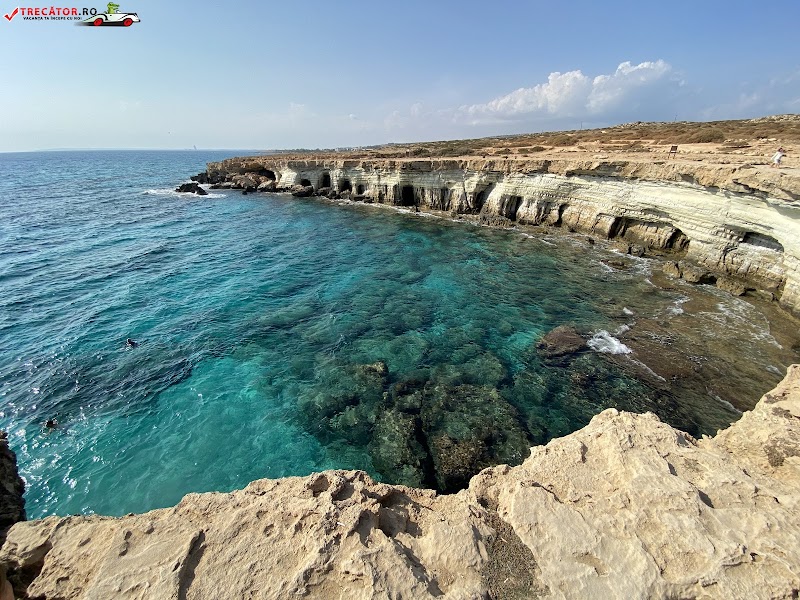
Sea Cave Palaces of Cape Greco: Cliffs, Views and Swimming
Public reviews give this Cape Greco viewpoint a 4.9 rating, with visitors praising its scenery, parking and opportunities for jumping and swimming.
Cyprus · Pissouri
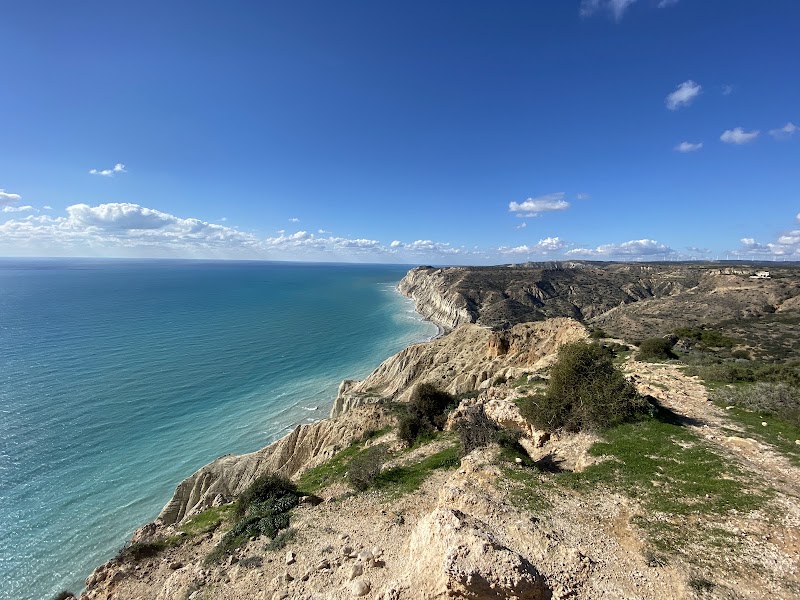
Cape Aspro: A Wild Coastal Hike Above Pissouri
Cape Aspro offers dramatic coastal scenery and a demanding trail, with loose ground, steep edges and a rocky swimming spot.
Cyprus · Cedar Valley
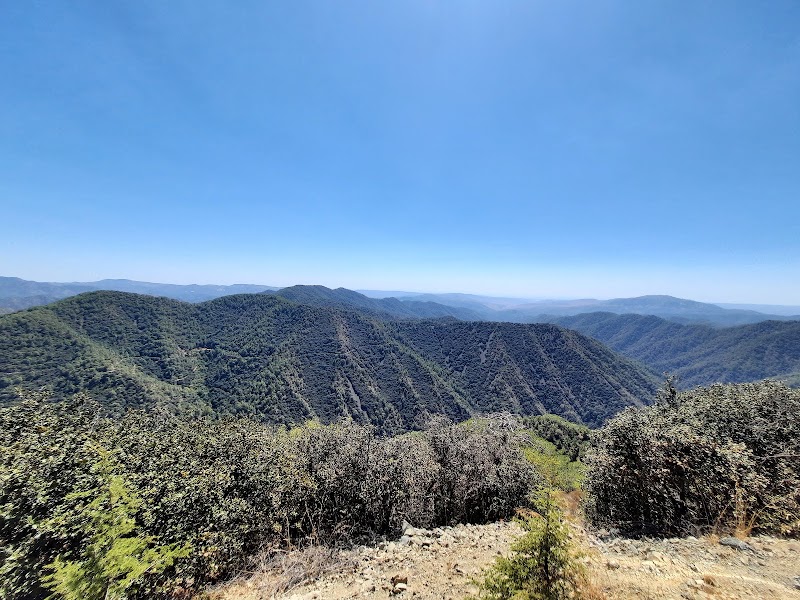
Paphos Forest: Pine Trails and Mountain Quiet
Paphos Forest offers expansive scenery, cool pine-scented air and nature trails across the Cedar Valley area, with rough roads in more remote sections.