Hong Kong Museum of History: An Engaging City Story
Life-sized streetscapes, multimedia displays and interactive exhibits make Hong Kong’s complex history accessible and entertaining.

More photos
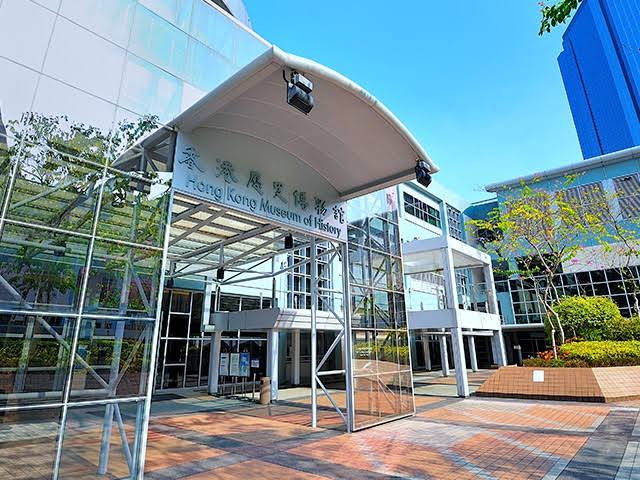
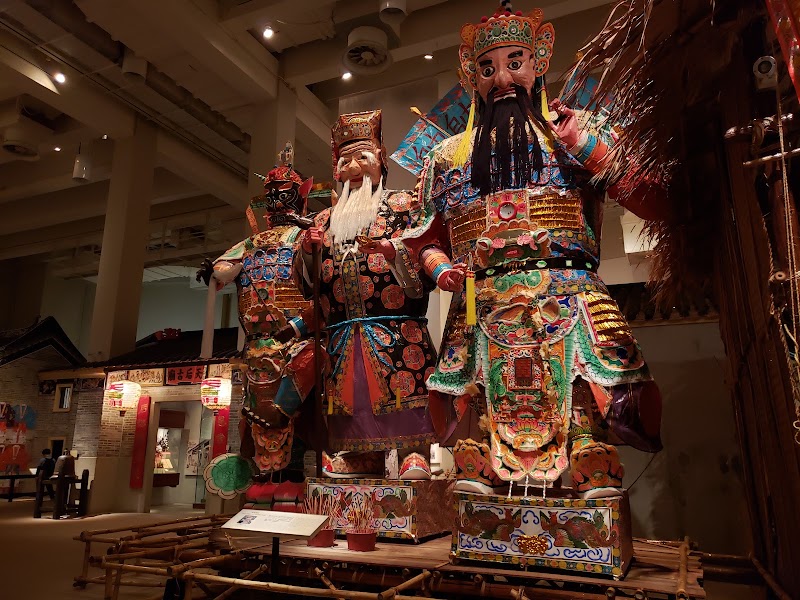
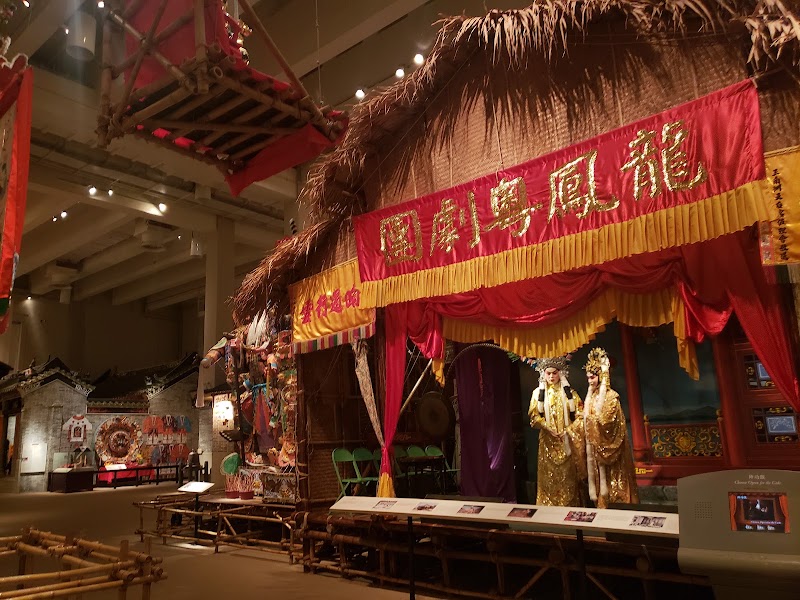

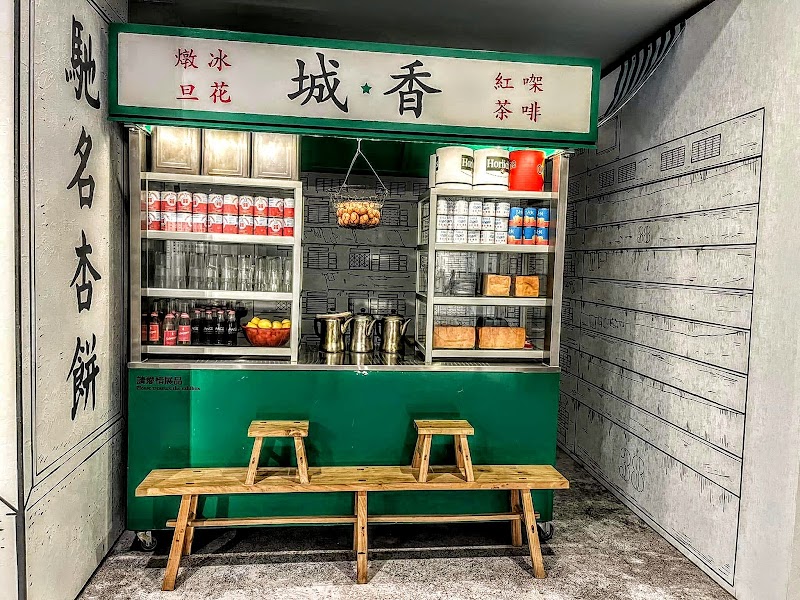
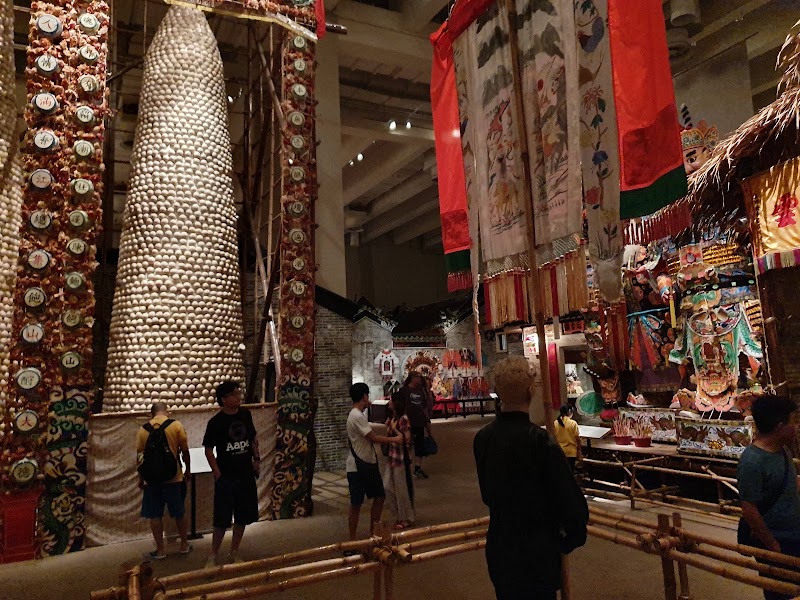
Photos published by travelers on Google, not AI generated.
What stands out
- Interactive and easy-to-follow exhibits
- Life-sized old Hong Kong recreations
- Historic tram, MTR train and car displays
- Migration and cultural history
- Free entry
Worth knowing
- Reported closed on Tuesdays
- Narrative may reflect a Chinese government perspective
Don't miss
What comes up most in public reviews
- The refreshed “Hong Kong Story” exhibition
- The recreated 1930s street
- The vintage double-decker tram
- The migrant communities displays
- The final panoramic room
Worth the trip?
The public verdict
With a Google rating of 4.3 from 9116 reviews, the Hong Kong Museum of History earns broad approval for making the city’s past approachable. The sampled reviews repeatedly describe it as one of Hong Kong’s strongest free attractions, praising displays that are engaging without becoming difficult to follow. Visitors include curious tourists, long-term residents and repeat guests, suggesting the museum works on more than one level.
The main draw is not simply the quantity of information. Reviewers respond to the way the material is presented, particularly the combination of interactive exhibits, multimedia and large-scale recreated settings. Several say they learned about Hong Kong’s culture and development while still having fun, a balance that history museums do not always achieve.
Inside the Hong Kong Story
The refreshed “Hong Kong Story” exhibition receives the most attention. Rather than relying entirely on text panels, it uses life-sized scenes to place visitors inside earlier periods of the city. A recreation of a 1930s street, complete with a vintage double-decker tram, is the clearest recurring highlight in the available feedback. Historic transport displays, including an MTR train and a 1950s car, also add visual impact and a sense of scale.
The exhibition appears to reward both casual browsing and careful reading. One reviewer spent around two hours working through every display, while others focused on the interactive elements and overall atmosphere. Long-term Hong Kong residents may find an additional layer of meaning in comparing the exhibits with changes they have witnessed personally.
Culture, migration and perspective
Beyond transport and streetscapes, reviewers value the museum’s account of the communities that shaped Hong Kong. One particularly positive response highlights information about migrant groups, the traditions they brought and their contribution to the city’s collective culture. That social history helps broaden the exhibition beyond a simple timeline of buildings, government and infrastructure.
There is one important qualification. A reviewer felt that the historical narrative was presented from the Chinese government’s perspective. Travellers looking for a fully plural account may therefore want to treat the museum as one interpretation and supplement it with other sources. Even that more critical review, however, praised the exhibition’s presentation, maintenance and concluding panoramic room.
How long to allow
Around two hours is a sensible starting point based on the sampled feedback. Visitors who enjoy reading every panel, examining recreated environments or considering the city’s political history may want longer. The accessible displays also make a shorter visit feasible for those chiefly interested in the old street, vehicles and panoramic finale.
Multiple reviewers emphasize that entry is free, which strengthens the museum’s appeal for budget-conscious sightseeing. One practical warning also appears in the feedback: the museum is reported as closed on Tuesdays, so current opening arrangements should be checked before setting out. Overall, the public response points to an informative, visually memorable museum that is especially effective at turning Hong Kong’s development into an experience rather than a wall of dates.
Ask anything
Looking for somewhere else?
Keep exploring
More from Hong Kong
Hong Kong
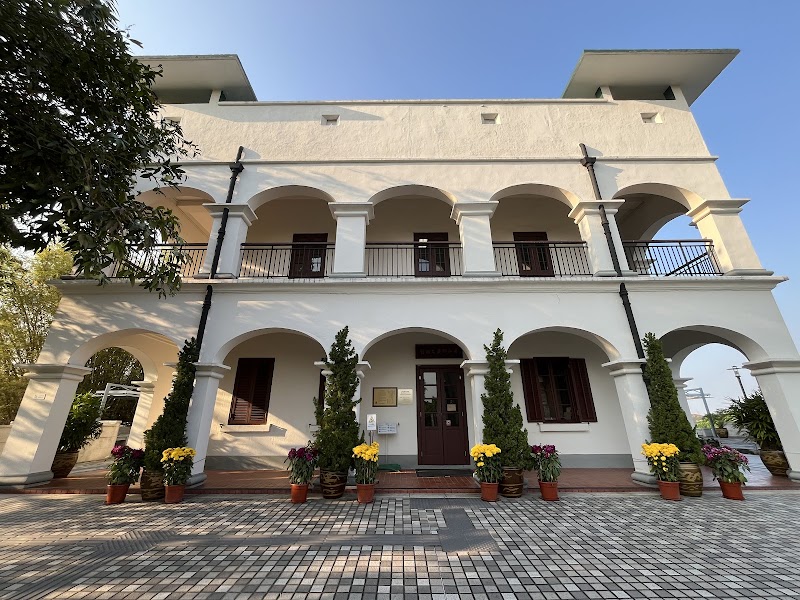
Ping Shan’s clan history in a preserved police station
This compact heritage centre pairs a simple local exhibition with a renovated historic building and hilltop views over the surrounding area.
Hong Kong
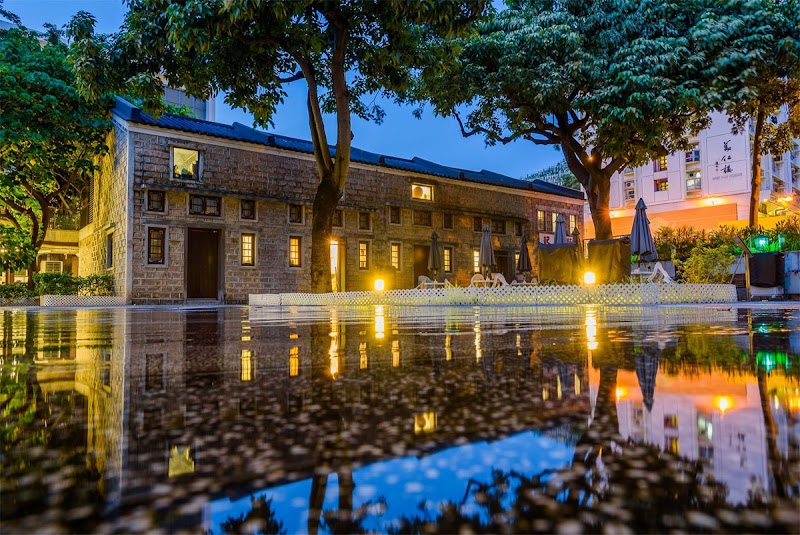
Stone Houses Family Garden: Heritage, café and local stories
This compact Kowloon City heritage stop combines a small neighbourhood museum, a garden and a café in a former school building.

Hong Kong
Heritage of Mei Ho House: Hong Kong’s Housing Story
This Sham Shui Po museum uses restored living spaces and guided tours to illuminate Hong Kong’s public housing history and postwar social change.
Hong Kong
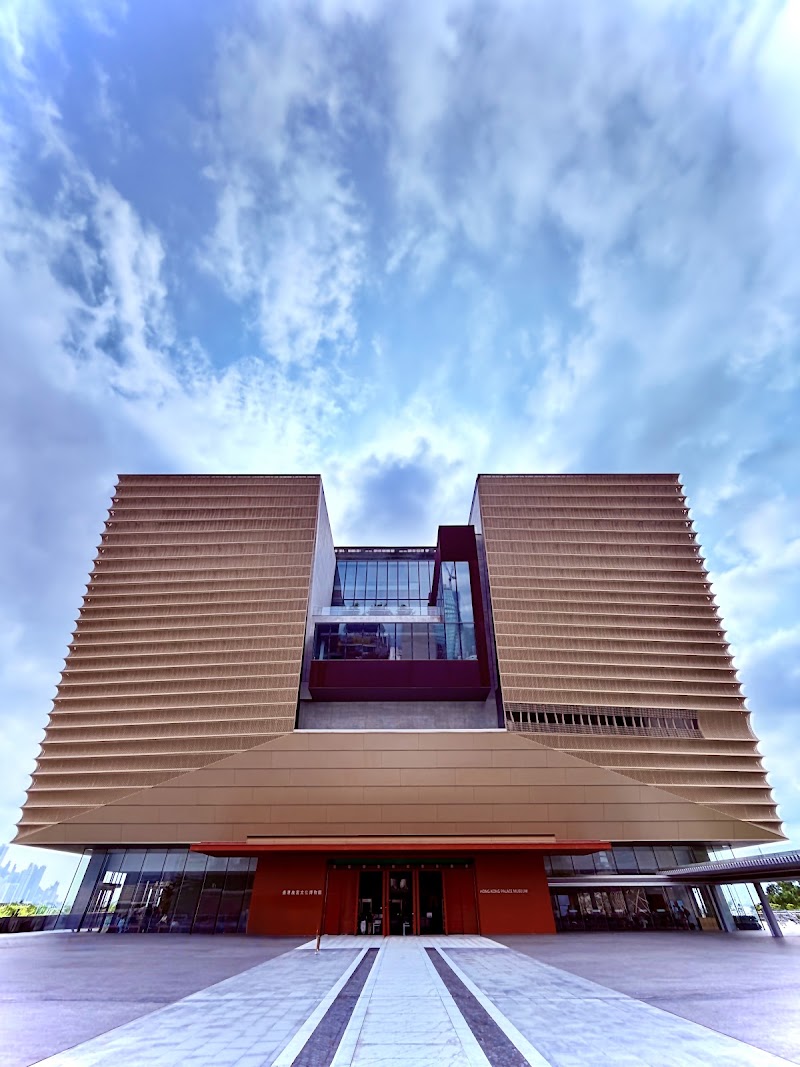
Hong Kong Palace Museum: Imperial Art by the Harbour
Strong public reviews praise its imperial treasures, engaging displays, modern architecture and thoughtfully curated visiting exhibitions.