Holy House of Mercy: Macau’s Compact Heritage Museum
An elegant Senado Square landmark with a small museum tracing more than four centuries of charitable and Catholic history.

More photos


Photos published by travelers on Google, not AI generated.
What stands out
- Elegant European-style façade
- Small museum of charitable history
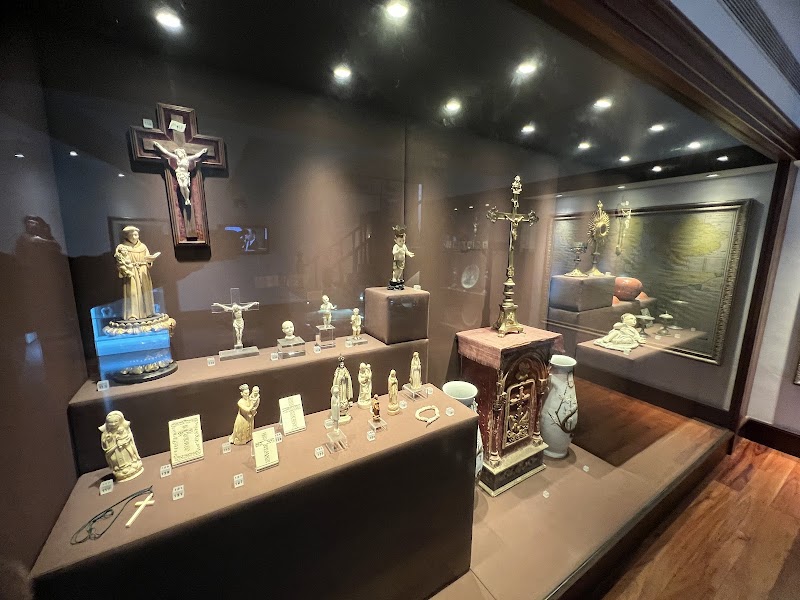
- Religious artefacts and historic documents
- Central Senado Square location
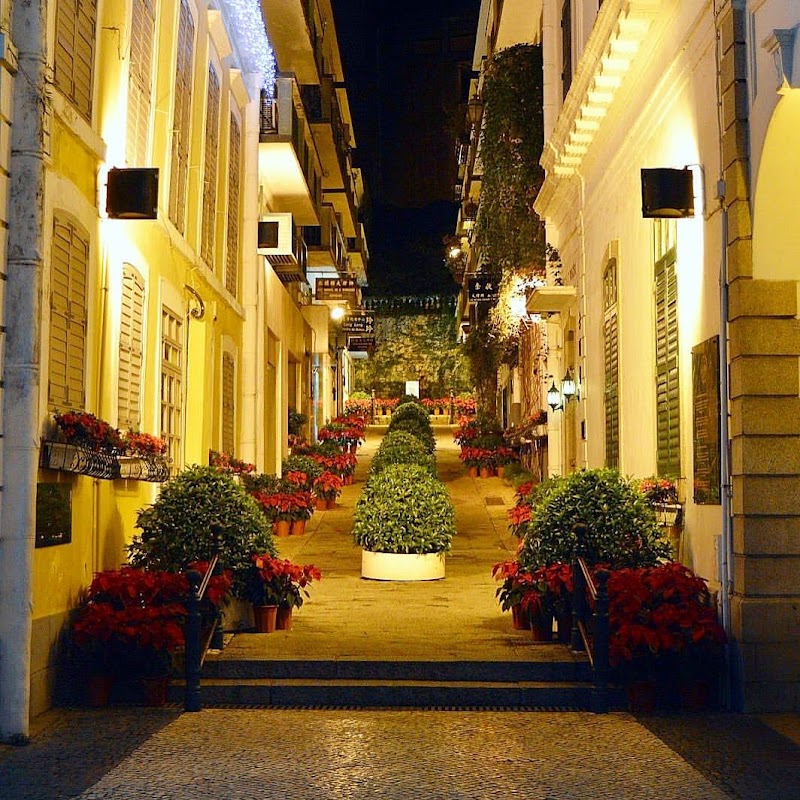
- Atmospheric evening lights nearby
Worth knowing
- Museum access may pause during staff lunch
- The interior collection is small
Don't miss
What comes up most in public reviews
- The historic façade
- Religious artefacts and porcelain
- Documents tracing the institution’s past
- A wider walk through Senado Square
Worth the trip?
Why it stands out
The Holy House of Mercy is a modest but historically substantial stop in Senado Square, within Macau’s UNESCO-listed Historic Centre. Public feedback, reflected in a Google rating of 4.3 from 137 reviews, consistently highlights its elegant European-style façade and long association with charity, religion and community care.
Constructed in 1569, the building has reportedly served several civic purposes, including use as a girls’ orphanage and public health clinic. That background gives it more depth than its polished exterior initially suggests. Travellers tend to view it as a worthwhile addition to a wider walk around the square rather than a destination requiring a separate journey.
Inside the museum
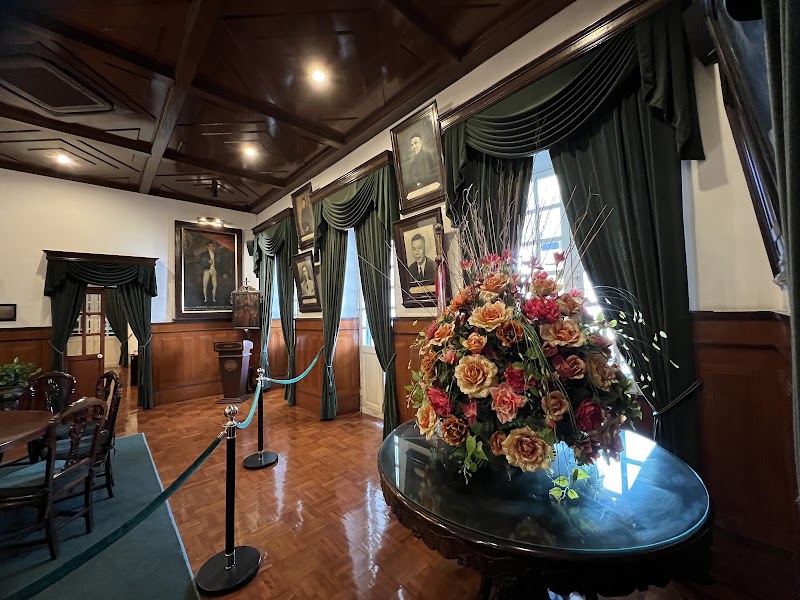
The museum is small, and reviews repeatedly frame the visit as brief. Its displays focus on the institution’s Catholic, charitable and cultural history. Religious artefacts, ritual objects, historic documents and porcelain are among the items singled out by visitors.
The collection appears best suited to travellers already interested in Macau’s colonial-era institutions or religious heritage. It offers context for the building’s changing role across more than four centuries without demanding a large block of time. Reviews do not describe an extensive or highly interactive museum, so expectations should remain measured. The appeal lies in seeing objects connected with the organisation’s past inside one of Senado Square’s recognised heritage buildings.
Façade and setting
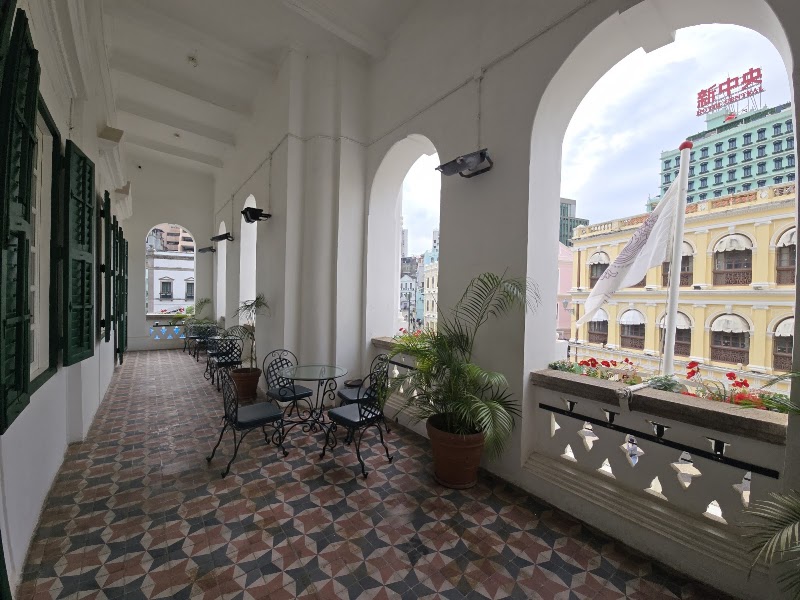
Even when the interior cannot be visited, the exterior remains a strong visual feature. Reviewers praise the pale, classically styled façade for its elegant proportions and distinctly European character. Some also note that stores occupy part of the ground-floor frontage, which can make the building’s museum function less immediately obvious.
Its location is one of its main strengths. Senado Square already draws visitors for its historic architecture, pedestrian streets and cluster of heritage sites, making the Holy House of Mercy easy to include in a self-guided walk. Public comments also mention nearby seating and the atmosphere created by the square’s evening lights. The illuminated surroundings can be especially photogenic, although an evening visit may be better for the exterior than for museum access.
Planning the stop
The main practical concern raised in reviews is access. At least one traveller arrived during the building staff’s lunch period and could not see the interior. Anyone primarily interested in the displays should avoid relying on a midday visit and should confirm opening arrangements locally where possible.
For most travellers, 30 to 60 minutes should be sufficient, with additional time allowed for Senado Square and the surrounding Historic Centre. The Holy House of Mercy is unlikely to satisfy visitors seeking a large museum, but reviews suggest it rewards those who appreciate architecture, compact historical collections and places tied closely to Macau’s civic past. Its strongest role is as a meaningful, convenient stop within a broader heritage itinerary.
Ask anything
Looking for somewhere else?
Keep exploring
More from Macao
Macao
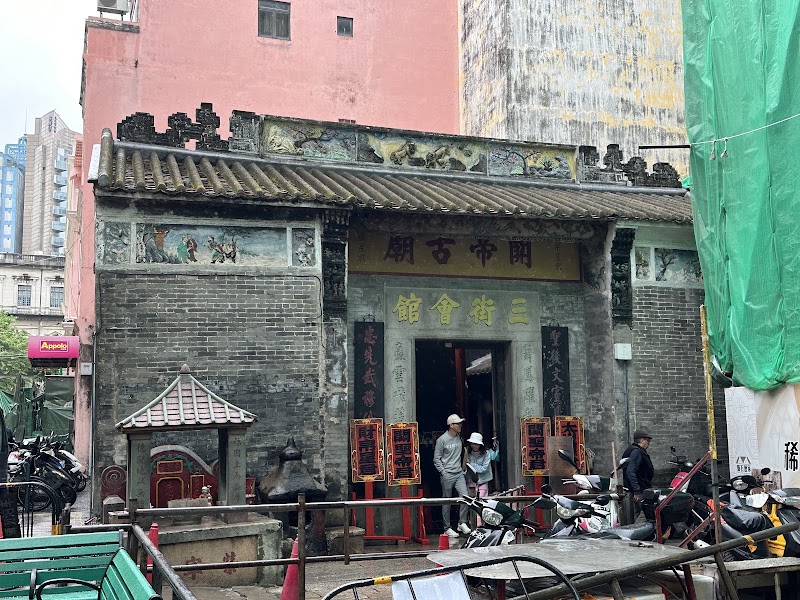
Sam Kai Vui Kun: a quiet temple near Senado Square
This compact 18th-century temple offers traditional decoration, living worship and a calm counterpoint to central Macau’s busy streets.
Macao
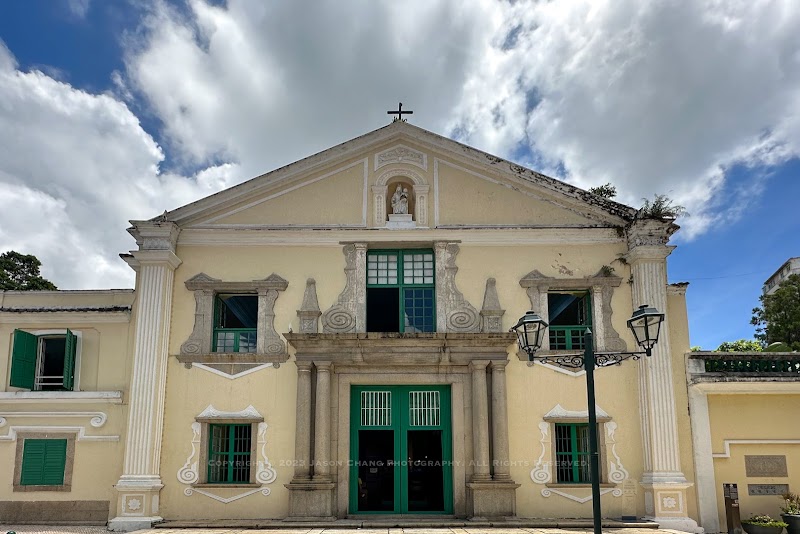
St. Augustine’s Church: A Serene Stop in Macau
A restrained exterior opens onto a striking Catholic interior, offering a quieter pause within walking distance of Senado Square.
Macao
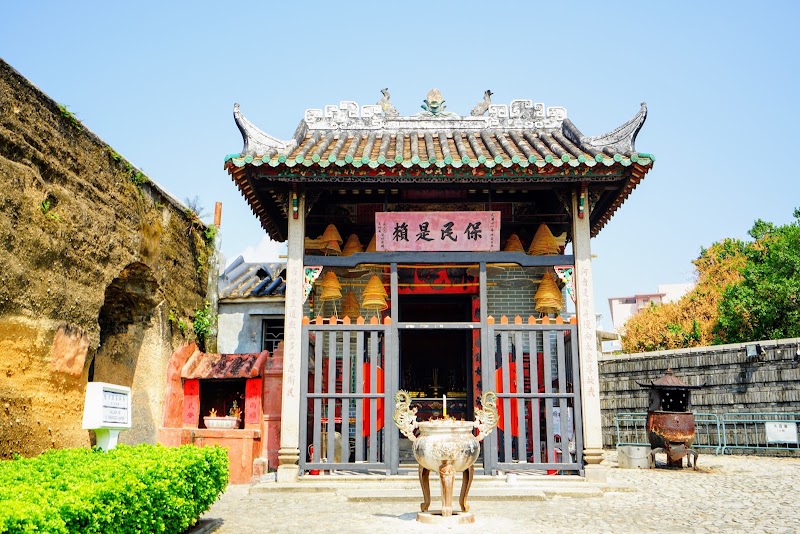
Na Tcha Temple: a peaceful stop beside St Paul’s
This compact historic temple adds Chinese religious heritage and a reflective pause to a visit around Macau’s Ruins of St Paul’s.
Macao
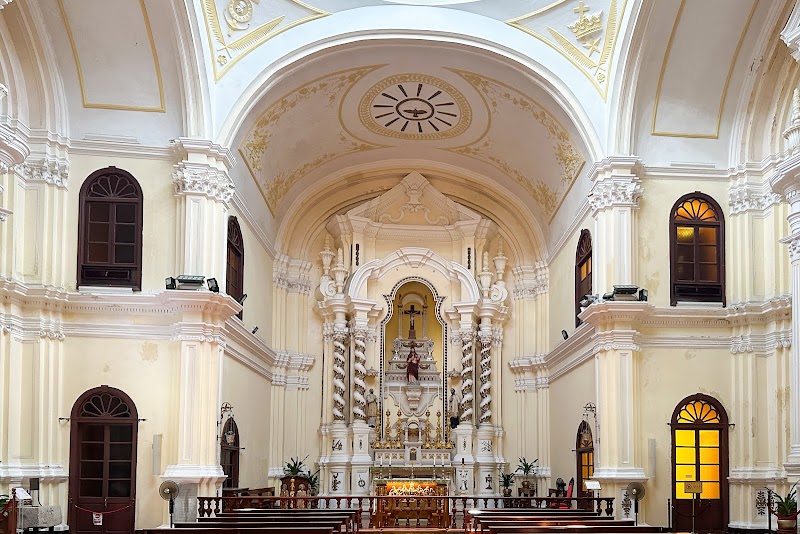
St. Joseph’s Seminary and Church: Macau’s Quiet Baroque Stop
A hilltop Jesuit church praised for its Baroque architecture, serene sanctuary and respite from Macau’s busier historic sights.