Hohenschwangau Castle: History Above the Alpine Lakes
Preserved interiors, royal history and mountain views make Hohenschwangau a rewarding companion to nearby Neuschwanstein Castle.
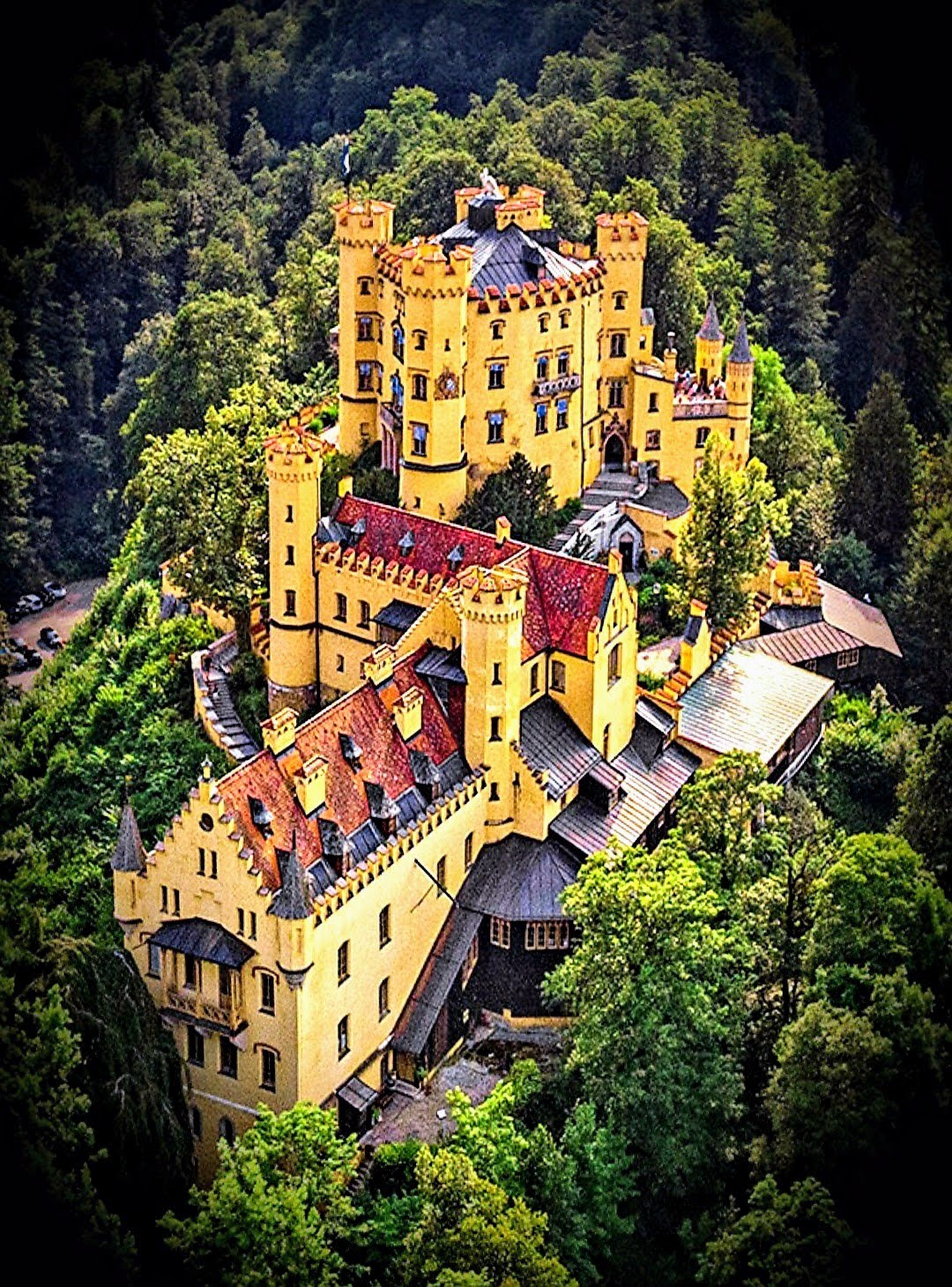
More photos
Photos published by travelers on Google, not AI generated.
What stands out
- Preserved royal interiors
- King Ludwig II’s family history
- Alpine views from the castle grounds
- Informative guided and audio-guided tours
- Gardens near the entrance
Worth knowing
- Strict timed-entry procedures may apply
- Interior photography is prohibited
- The approach includes stairs
Don't miss
What comes up most in public reviews
- Tour the decorated interior rooms
- Explore the castle garden
- Take in the surrounding alpine views
- Combine the visit with Neuschwanstein Castle
Worth the trip?
The verdict from travellers
Hohenschwangau Castle earns a Google rating of 4.6 from 38086 reviews, with public feedback repeatedly praising its combination of royal history, decorated interiors and alpine scenery. Many travellers visit while touring nearby Neuschwanstein Castle, but reviews suggest Hohenschwangau deserves more than a passing glance.
The castle is closely associated with the childhood of King Ludwig II and offers useful context for understanding his family life. Reviewers frequently describe the experience as informative, particularly when a tour explains the artwork, furnishings and stories behind the rooms. Several visitors consider the interior every bit as worthwhile as the exterior setting.
Inside the castle
Entry to the interior is through a guided or audio-guided tour. One reviewer reports a tour lasting about 40 minutes, while others focus on the quality of the interpretation and the guides’ willingness to answer questions. The format appears structured rather than leisurely, moving groups through a sequence of richly adorned rooms.
Public reviews praise the preserved décor, artwork and historical detail. The tour adds depth that cannot be gained from admiring the building outside, particularly for travellers interested in King Ludwig II and his family. Wagner is also mentioned in connection with the castle’s displays and story.
Photography is reportedly prohibited during the interior tour. Some visitors see this as a restriction, while another notes that it encourages closer attention to the rooms and commentary. Either way, travellers wanting photographs should concentrate on the exterior, gardens and surrounding views.
Arrival and ticket timing
The approach is described as considerably more manageable than the walk to Neuschwanstein. One public review estimates roughly 15 minutes from the main street, with much of the route involving stairs. Visitors with limited mobility should therefore check current access arrangements before setting out.
Timed admission requires attention. One reviewer warns that tickets cannot be scanned early and describes a narrow four-minute entry window once the booked time begins. Another reports being admitted to an earlier tour when arriving ahead of schedule, suggesting that flexibility may depend on staff and capacity rather than being guaranteed.
Benches near the entrance and the castle garden provide places to wait. Arriving with enough time for the uphill approach remains the safest plan, especially when combining two castles on the same day.
Grounds, views and pairing the visit
The gardens and exterior receive strong praise in their own right. Travellers repeatedly mention the mountain setting, castle views and opportunities to pause before or after the tour. Even those describing the broader visit briefly tend to highlight how well the castle fits with the surrounding area.
Hohenschwangau works especially well as part of a half-day castle visit alongside Neuschwanstein. Its smaller scale, more approachable walk and family-focused history create a useful contrast with its more famous neighbour. The strongest overall experience combines the interior tour with unhurried time in the garden and viewpoints around the castle.
Plan the rest of the trip
Ask anything
Looking for somewhere else?
Keep exploring around Schwangau
More from Germany

Germany · Rüdesheim am Rhein
Niederwald Monument: Rhine Views and German History
The Niederwald Monument combines a major historic statue, landscaped grounds and wide Rhine views above Rüdesheim am Rhein.
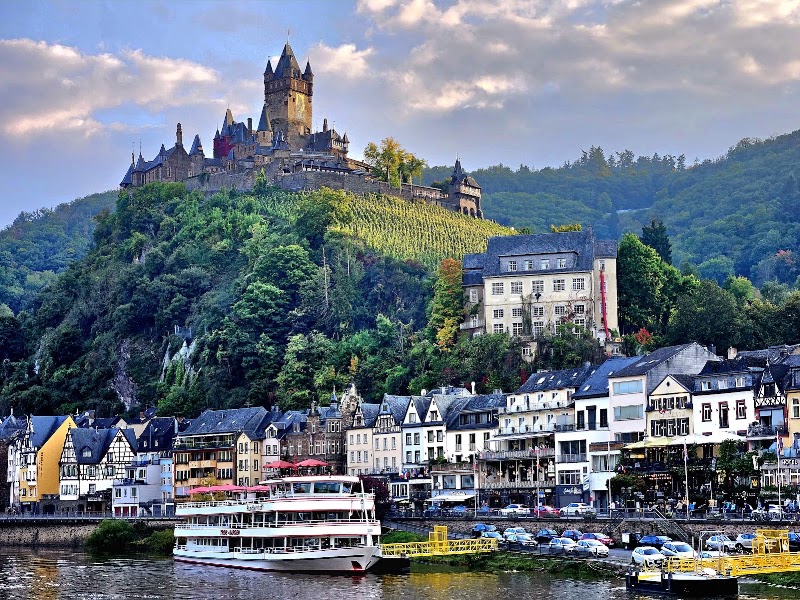
Germany · Cochem
Cochem Castle Rewards the Climb with Moselle Valley Views
Reichsburg Cochem combines a steep approach, guided interiors and broad views over the town and Moselle Valley.

Germany · Vogtei
Centre of Germany: A Quiet Stop in Vogtei
Public reviews describe a clean, peaceful place near a lake, with one important caveat: visitors disagree about which point marks Germany’s true centre.
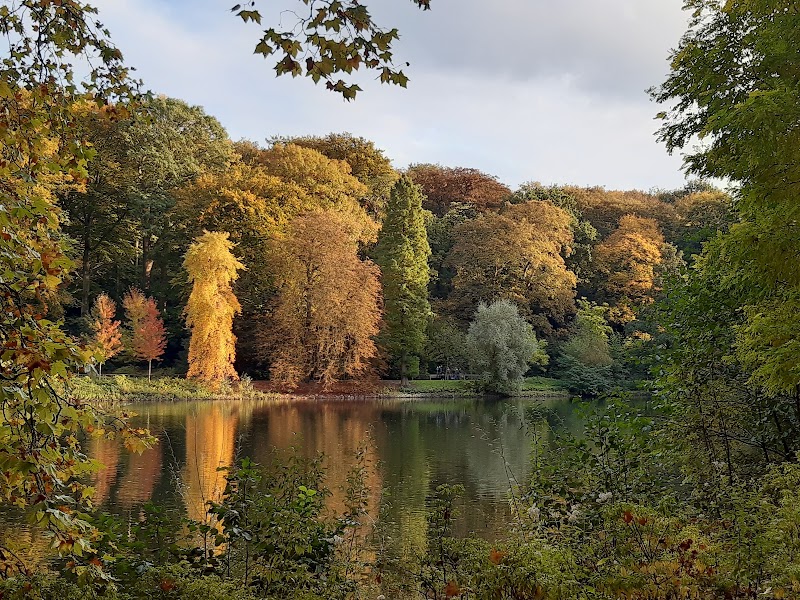
Germany · Dortmund
Rombergpark Botanical Garden, Dortmund’s Green Escape
Rombergpark Botanical Garden combines open parkland, seasonal blossoms, varied planted areas and tropical greenhouses in a calm Dortmund setting.