Hofburg: Vienna’s Monumental Seat of Imperial History
Vienna’s vast Hofburg complex impresses with imperial rooms, Empress Elisabeth displays and grand architecture, though crowds can hamper the experience.
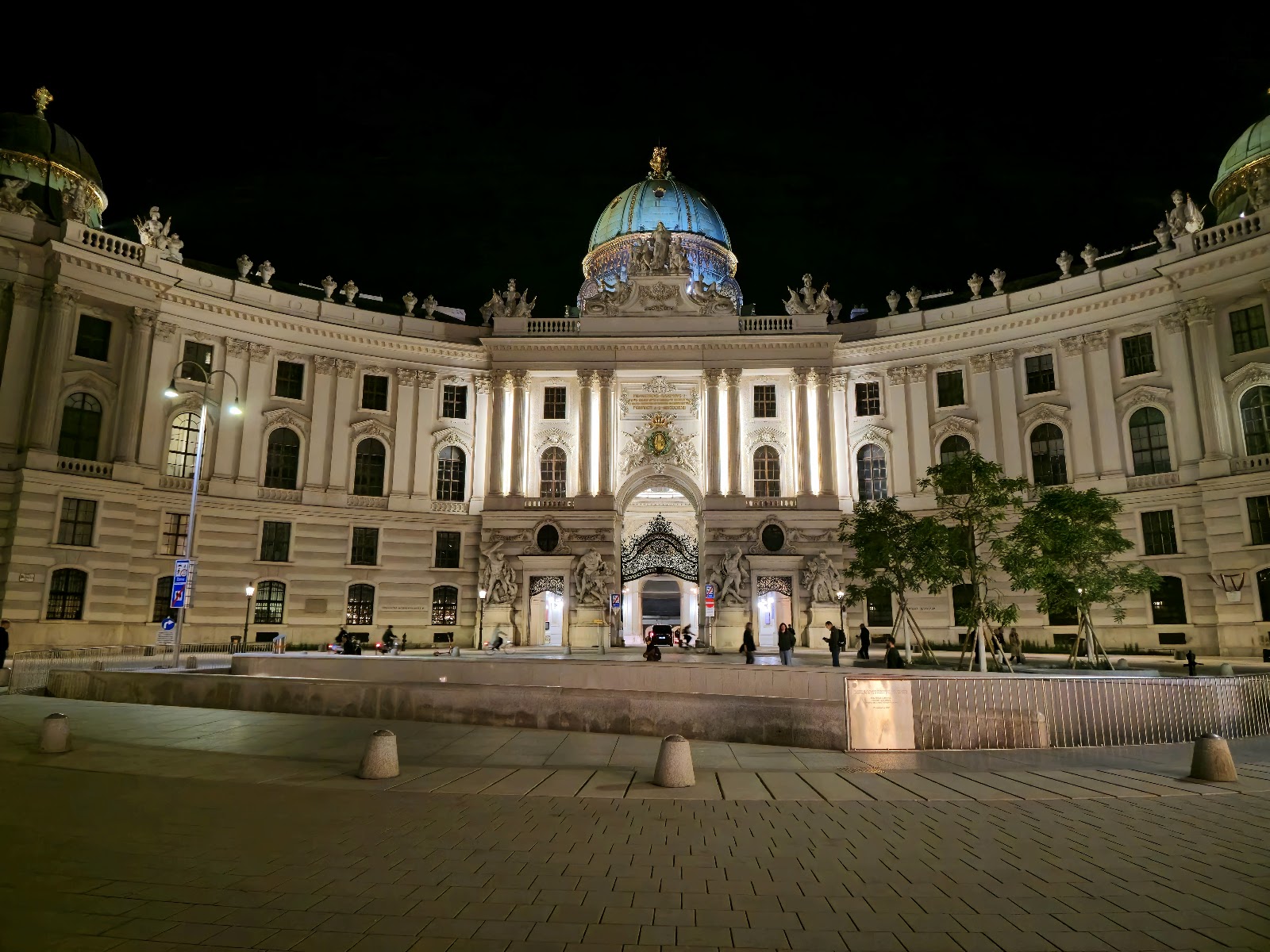
More photos
Photos published by travelers on Google, not AI generated.
What stands out
- Monumental palace architecture
- Empress Elisabeth’s dresses and belongings
- Lavish gold-detailed imperial rooms
- Grand library interiors
- Sculptures and busts
Worth knowing
- Crowded rooms and audio-guide bottlenecks
- Occasionally unclear self-guided route
- Strong emphasis on Empress Elisabeth
Don't miss
What comes up most in public reviews
- Empress Elisabeth’s personal belongings
- The rooms of Elisabeth and Franz Joseph
- The palace’s monumental architecture
Worth the trip?
Why the Hofburg stands out
With a Google rating of 4.7 from 59365 reviews, the Hofburg ranks among Vienna’s most prominent historic attractions. Public feedback consistently presents it not as a single palace but as an extensive complex of wings, courtyards, museums and ceremonial interiors. Its scale is central to the experience. Visitors describe monumental stone architecture and a palpable connection to centuries of Austrian power, while the sheer number of spaces can make the site feel like a district in its own right.
The exterior and palace setting earn praise even from travellers who find parts of the visit underwhelming. Grand façades, sculptural details and richly decorated rooms provide much of the visual impact. Wandering through the complex can be enjoyable in itself, although some reviewers report that the route between displays is not always obvious.
Empress Elisabeth and the imperial rooms
The most frequently discussed displays focus on Empress Elisabeth, widely known as Sisi, and Emperor Franz Joseph. Reviewers highlight Elisabeth’s dresses and personal belongings, alongside rooms associated with the couple’s daily lives. Gilded details and lavish decoration help convey the contrast between imperial ceremony and the more personal story presented through her possessions.
This emphasis is a strength for visitors interested in Elisabeth, but it can also feel narrow. Some public reviews suggest that the palace experience is more heavily focused on Sisi than expected. Travellers seeking a broad survey of the entire Habsburg era may therefore want to check which part of the complex their chosen admission covers.
The palace’s library interiors also receive enthusiastic praise, particularly for their scale and dramatic ceilings. Other museum areas lean more towards sculpture and busts. English translations accompanying art installations are appreciated, especially by reviewers who found such information less consistently available elsewhere.
Crowds and practical experience
Crowding is the clearest recurring concern. Some visitors describe busy rooms where audio-guide users gather at the same points, creating bottlenecks and making ornate interiors harder to appreciate. The audio guide itself is generally considered useful, but its fixed progression can concentrate groups in confined spaces.
Wayfinding is another occasional frustration. The self-guided format allows freedom to explore, yet reviewers sometimes feel uncertain about the correct route or whether every section has been covered. Allowing at least half a day gives the complex more breathing room and reduces the temptation to rush between rooms.
Expectations also matter. Although most feedback is highly positive, a minority of reviewers feel the palace does not fully match its reputation. The gardens receive particular criticism for maintenance, while some interiors may feel less varied to visitors who are not strongly interested in Elisabeth or imperial décor.
Editorial verdict
Synthesised public feedback points to a landmark whose greatest assets are scale, architecture and proximity to Austrian imperial history. The Empress Elisabeth displays and ornate rooms give the visit a clear narrative, while the library and sculpture collections add visual range. Crowds, confusing routes and a strong Sisi focus are the main limitations. Even so, the Hofburg remains a compelling half-day choice for travellers interested in Vienna’s royal past and monumental architecture.
Plan the rest of the trip
Ask anything
Looking for somewhere else?
Keep exploring around Vienna
More from Austria

Austria · Leogang
Hotel Krallerhof: A Wellness Retreat in Leogang
Hotel Krallerhof pairs Austrian mountain scenery with a large spa, pool and lake area, attentive service and strong dining reviews.
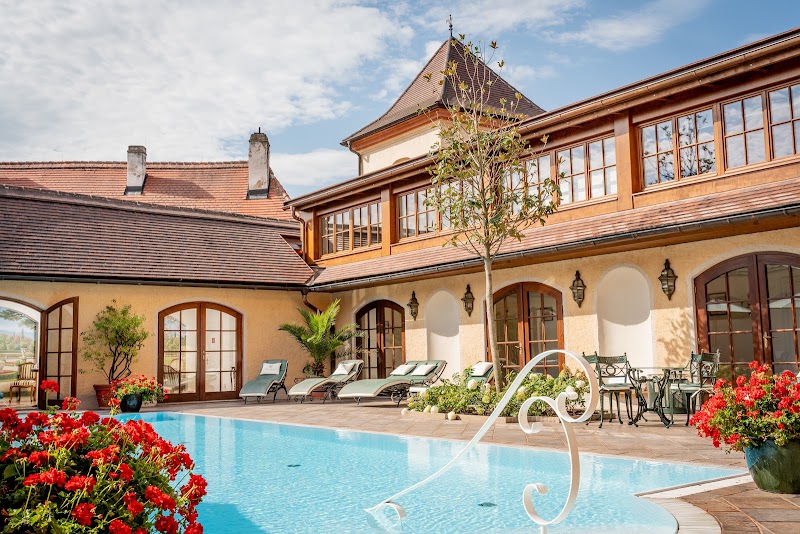
Austria · Dürnstein
Hotel Schloss Dürnstein: A Danube Stay with Old-World Drama
Public reviews praise the castle setting, polished rooms, wellness facilities and food, while slower service and paid tap water draw criticism.
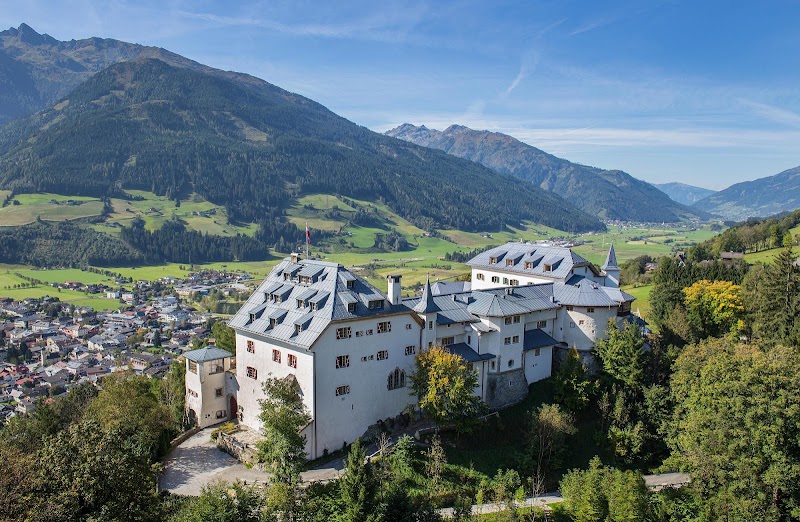
Austria · Mittersill
Hotel Schloss Mittersill: A Historic Castle Stay in Austria
Public reviews praise this atmospheric castle hotel’s history, food and gracious service, with one clear warning about hot summer nights.
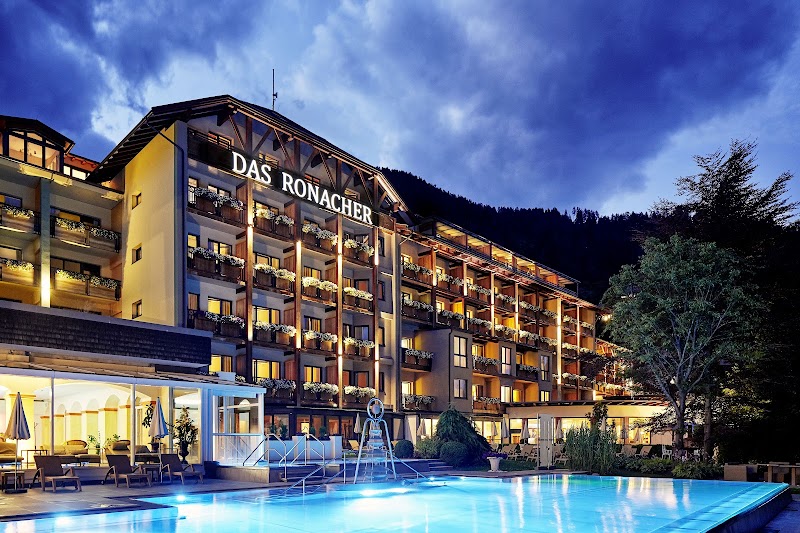
Austria · Bach
Das Ronacher, A Peaceful Thermal Spa Retreat in Bach
Public reviews point to a quiet, wellness-focused hotel with an impressive spa, strong food and some service details that still need attention.