Hoa Lu Ancient Capital: History Beneath Limestone Peaks
Compact temples, an archaeological display and dramatic karst scenery make Hoa Lu a worthwhile historical stop in Ninh Binh.
More photos
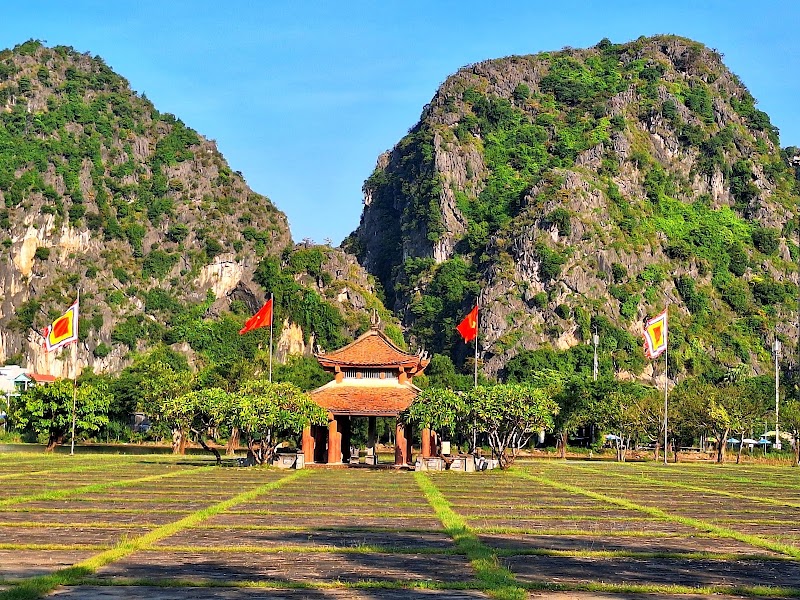


Photos published by travelers on Google, not AI generated.
What stands out
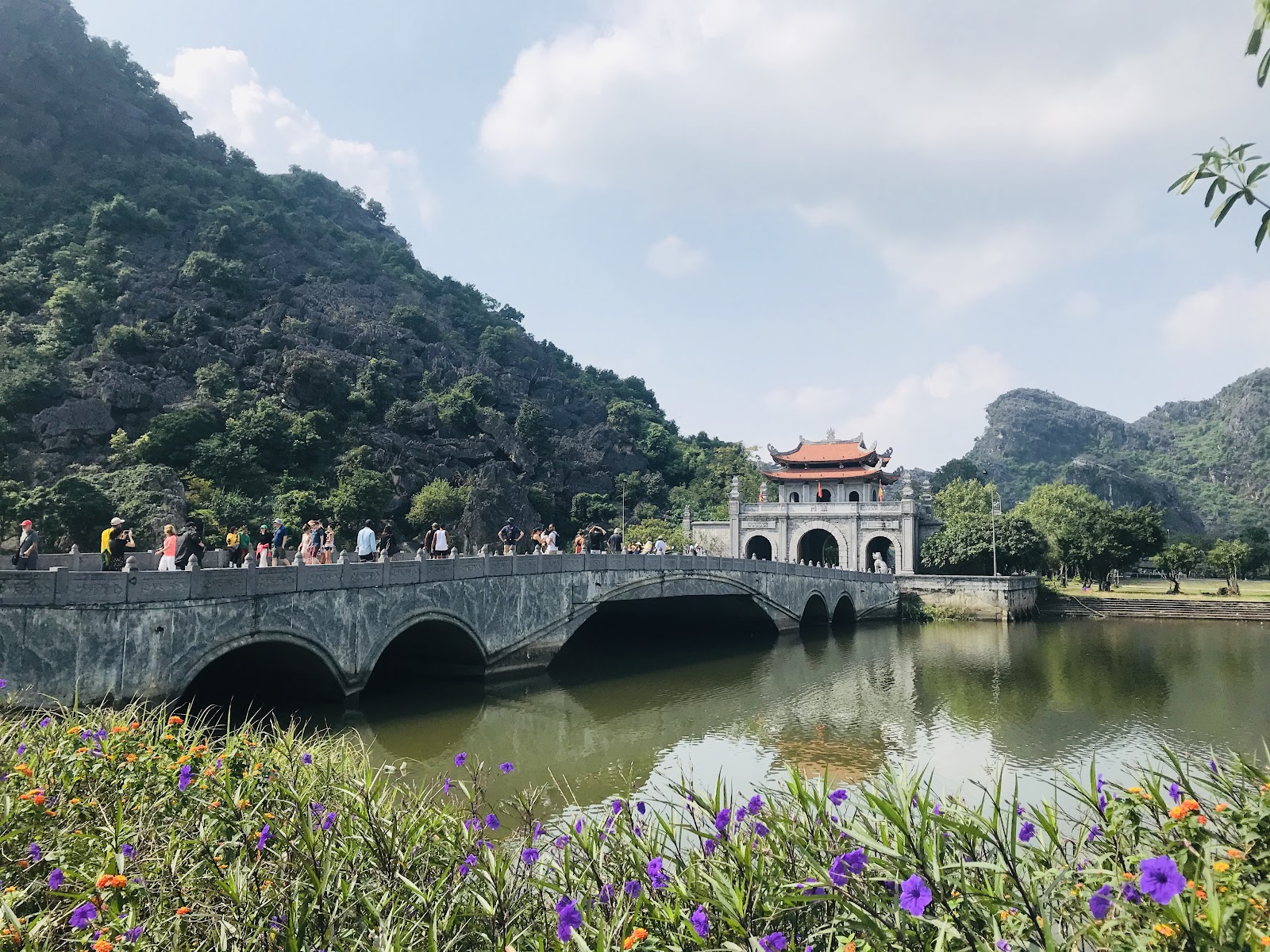
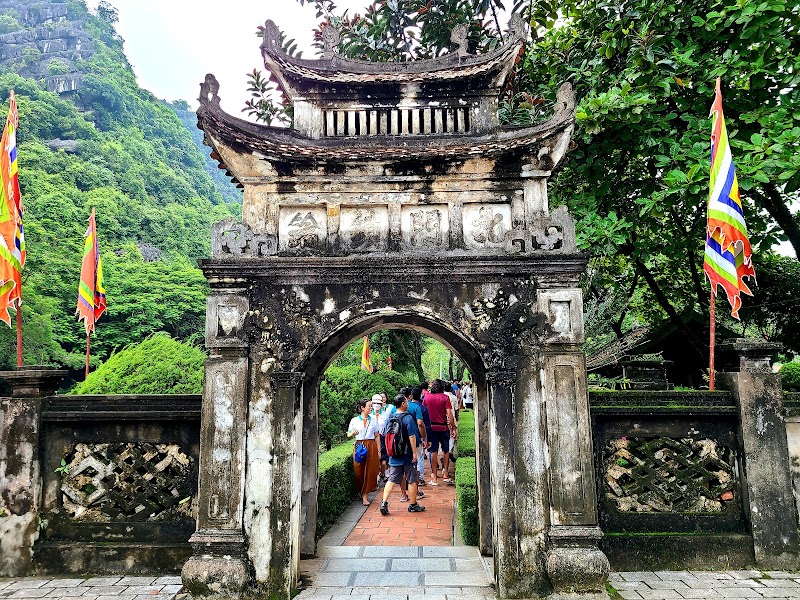
- Grand stone entrance gate
- Dramatic limestone mountain backdrop
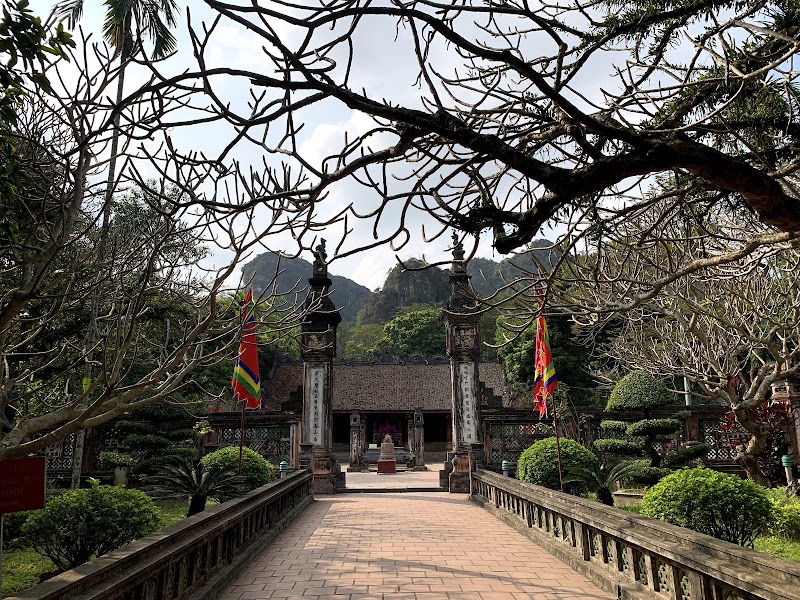
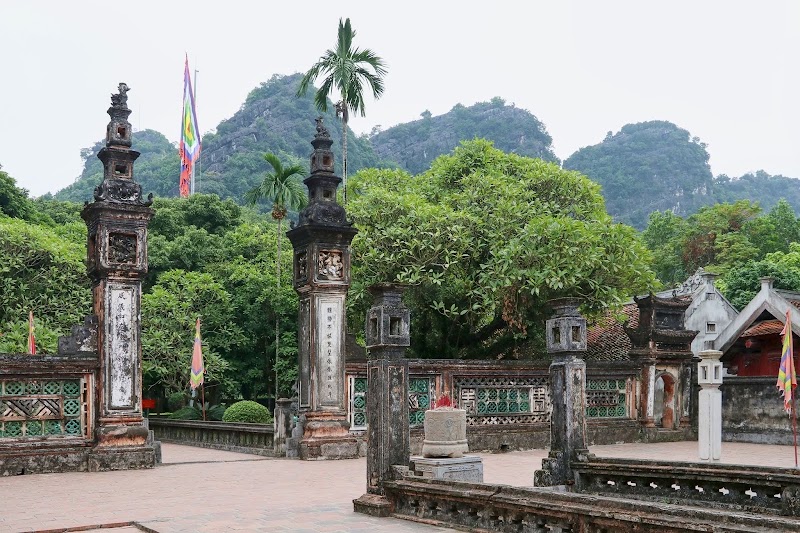
- Two historic temples
- Archaeological exhibition
- Elevated viewpoint
Worth knowing
- The main historical area is relatively small
- Limited English interpretation without a guide
- Bicycle rental may be unnecessary
Don't miss
What comes up most in public reviews
- Walk through the stone entrance gate
- Visit the two temples
- See the archaeological exhibition
- Climb to the viewpoint
- Ask a local guide about Hoa Lu’s capital era
Worth the trip?
What public reviews suggest
Hoa Lu Ancient Capital holds a Google rating of 4.3 from 12197 reviews, with public feedback consistently praising its historical importance and striking natural setting. Between 968 and 1009, Hoa Lu served as Vietnam’s capital, and many travellers value the chance to connect that period with a physical place.
The approach through the grand stone entrance gate makes a strong first impression. Limestone mountains rise around the site, giving its temples and courtyards a setting that several reviewers find more memorable than the surviving historical structures themselves. Misty weather can heighten the atmosphere, while softer late-afternoon light appears especially flattering against the karst formations.
A compact historical site
Travellers expecting an extensive archaeological complex may find Hoa Lu smaller than anticipated. Reviews describe the main paid area as relatively compact, centred on two temples, an archaeological exhibition and a viewpoint reached by climbing. That scale makes the attraction easy to combine with other Ninh Binh sights, but it can also leave independent visitors feeling that there is less to explore than the “ancient capital” name implies.
The temples provide the cultural focus, while the archaeological exhibition adds useful context and offers a break from the outdoor heat. The surrounding formations remain a major part of the experience. Even reviews that are lukewarm about the monuments often acknowledge the beauty of the landscape.
A guide can make the difference
A recurring issue in public feedback is the limited amount of written interpretation available to English-speaking visitors. Travellers who arrive without background knowledge may struggle to understand the significance of individual buildings, rulers and archaeological remains. Reviews suggest that a capable local guide can turn a short temple visit into a much more informative account of early Vietnamese history.
Guided tour groups are common, and some visitors arrange guides through their accommodation. The quality of the visit appears to depend partly on the guide’s historical knowledge, language ability and willingness to explain the site rather than simply move through it. Independent travellers may benefit from reading about Hoa Lu’s role before arriving if a guide is not practical.
Practical verdict
Reviews are divided over bicycles. Cycling through the broader Hoa Lu landscape can be pleasant, but a bicycle is not necessary for seeing the main historical area. Some travellers also report aggressive or confusing rental arrangements near the entrance. Walking is sufficient once at the central complex, although the viewpoint requires a climb.
Hoa Lu works best as a half-day cultural stop rather than a full-day destination. Its strongest appeal comes from the combination of national history, temple architecture and limestone scenery. Those already familiar with many Vietnamese pagodas may find the built attractions repetitive, while first-time visitors and history-focused travellers are more likely to appreciate the context. Carrying cash is sensible, as one review reports that card payment was not accepted.
Ask anything
Looking for somewhere else?
Keep exploring around Tay Hoa Lu
More from Vietnam

Vietnam
InterContinental Danang: Big Views and Standout Service
Striking architecture, far-reaching views and consistently attentive staff define this polished resort experience in Da Nang.

Vietnam · Nha Trang
Hon Tam Resort: Island calm with some service caveats
Hon Tam Resort pairs a peaceful Nha Trang island setting with spacious villas, a broad breakfast buffet and restorative waterside activities.
Vietnam · Tay Do
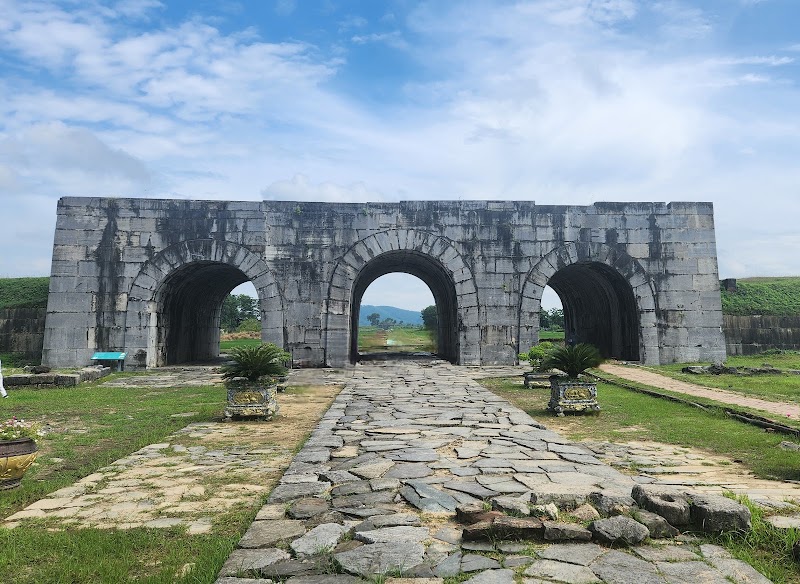
Ho Citadel: Monumental Stonework in a Sprawling Site
Massive stone gates and substantial history reward close attention, though the sparse, spread-out remains will not suit every visitor.
Vietnam · Hue
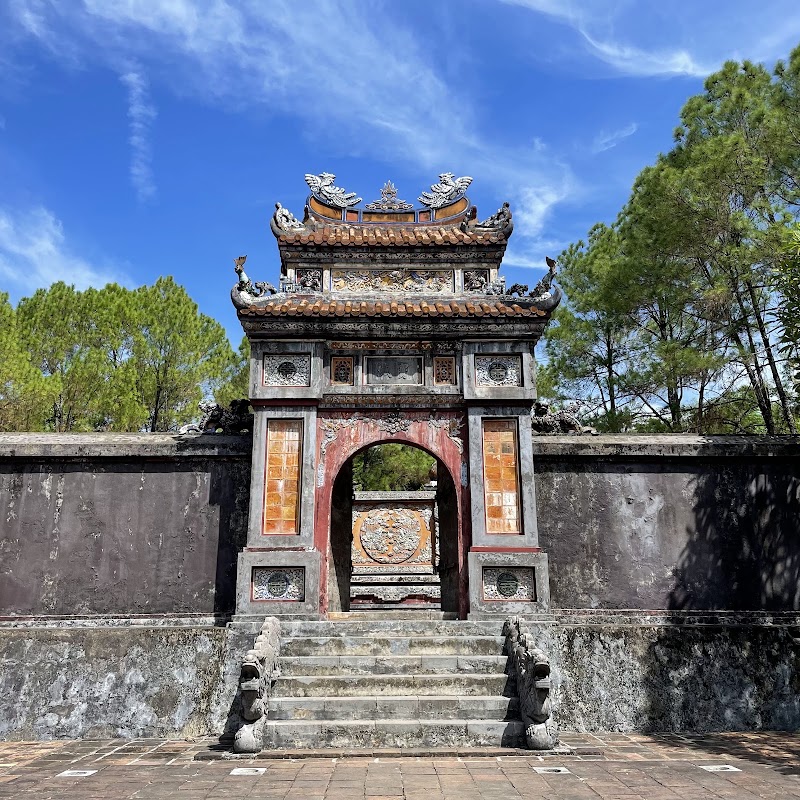
Mausoleum of Emperor Tu Duc: Hue’s Scenic Imperial Retreat
Landscaped grounds, a calm lake and imperial architecture make this expansive Hue landmark as atmospheric as it is historically compelling.