Ho Citadel: Monumental Stonework in a Sprawling Site
Massive stone gates and substantial history reward close attention, though the sparse, spread-out remains will not suit every visitor.
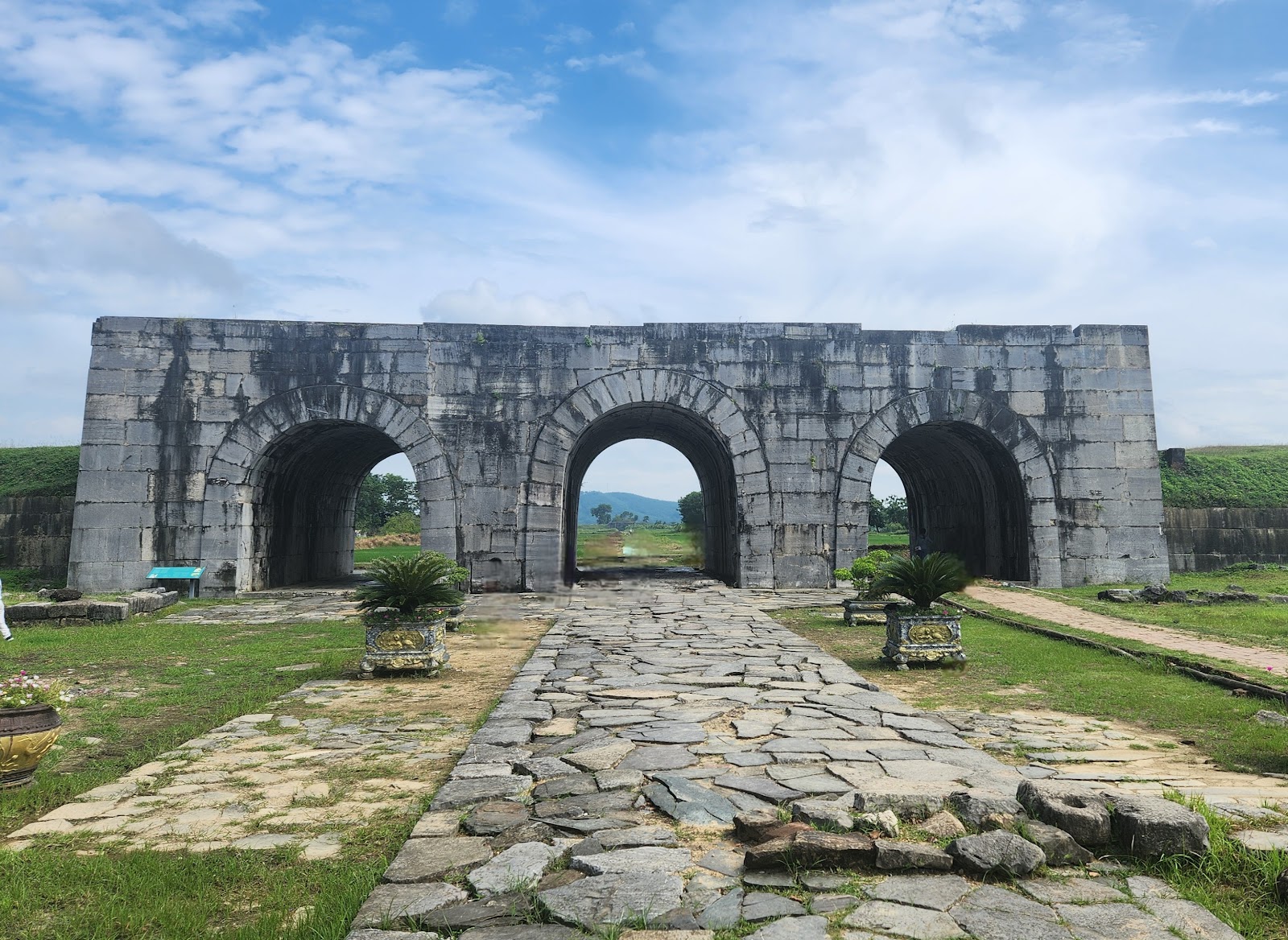
More photos
Photos published by travelers on Google, not AI generated.
What stands out
- Monumental South Gate
- Massive fitted stone blocks
- Four symmetrical gates
- Earthen defensive walls
- Vietnamese and English information boards
Worth knowing
- Long walking distances
- Heat and humidity
- Exit may be far from parking
Don't miss
What comes up most in public reviews
- Inspect the South Gate stonework
- Visit the small on-site museum
- Read the bilingual information boards
- Explore the surviving gates and earthen walls
Worth the trip?
Why Ho Citadel matters
Ho Citadel, also referred to by reviewers as the Ho Dynasty Citadel, is a UNESCO World Heritage Site whose significance becomes clearer with context. Public feedback gives it a Google rating of 4.3 from 2784 reviews, with recurring praise for its engineering, cultural importance and enormous fitted stone blocks.
Reviewers report that the citadel was built in 1397, using large blocks assembled without mortar. One account also notes that construction was completed in only three months. Those details help explain why visitors tend to focus on the precision and ambition of the masonry rather than expecting a complex of intact palaces or richly decorated buildings.
The site can look understated on arrival. Several reviews suggest that its appeal depends on understanding what once stood within the walls and appreciating the scale of the surviving fortifications.
What remains to be seen
The South Gate is the clearest focal point and the most frequently praised surviving structure. Its broad stone arches and carefully placed blocks provide the strongest visual evidence of the citadel’s engineering. Reviews also mention four symmetrical gates flanked by earthen walls, although the interior is now largely an open field with relatively few visible structures.
That sparseness divides opinion. Historically minded visitors describe the stonework as superb and consider the cultural importance considerable. Others find that the open landscape requires an active imagination, particularly when compared with historical sites containing reconstructed rooms, temples or extensive standing ruins.
Information boards around the grounds provide material in Vietnamese and English. A small on-site museum adds further explanation and exhibits, but reviewers consistently describe it as modest rather than comprehensive. Some also feel that further excavation could reveal more of the former citadel.
Planning the visit
Ho Citadel covers a wide area, and visitor comments repeatedly mention substantial walking. Good footwear is sensible, especially for anyone intending to examine several gates, the walls and the museum rather than stopping only at the South Gate.
Heat and humidity can make the distances more demanding. One reviewer also reported being required to leave by an exit some distance from the entrance, creating an inconvenient walk back towards a parked motorbike. Access arrangements may vary, but the account suggests that visitors should check the current exit route and parking setup before setting off around the grounds.
A ticket booth is reported at the South Gate. Another review describes the other gates as open and says the wider site could be explored on foot or by motorbike, though current access rules should be confirmed locally.
Editorial verdict
Synthesizing the public reviews, Ho Citadel is strongest as a thoughtful historical stop rather than a spectacle-filled attraction. The monumental gates, mortar-free stone construction and surviving earthen walls provide genuine substance, while bilingual signs and the museum help visitors interpret a landscape that can otherwise seem empty.
It is particularly worthwhile for travellers already passing through Tay Do, architecture enthusiasts and those interested in Vietnamese history. Visitors seeking dense ruins or a compact sightseeing experience may find the scale and limited visible remains less satisfying.
Plan the rest of the trip
Ask anything
Looking for somewhere else?
Keep exploring around Tay Do
More from Vietnam

Vietnam · Hoa Lư
Tràng An’s limestone scenery is best seen by boat
Public reviews consistently praise Tràng An for its calm river journeys, cave passages, towering karsts and temples around Hoa Lư, Vietnam.
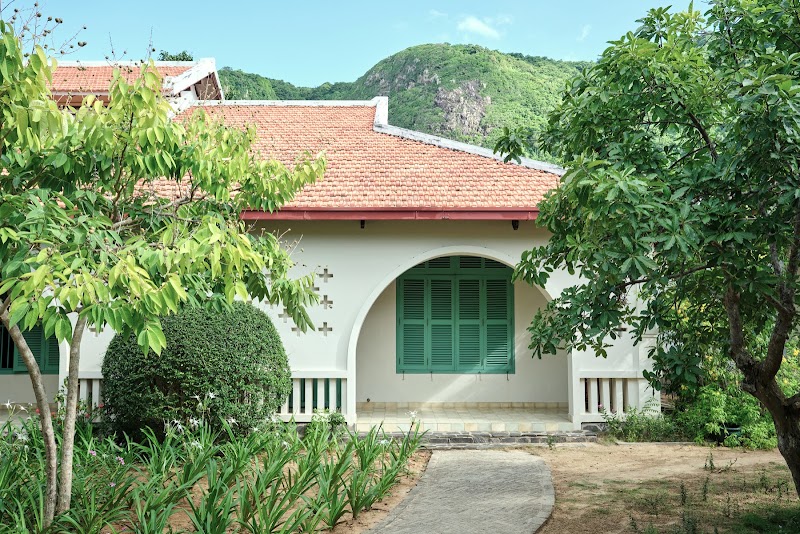
Vietnam · Ho Chi Minh City
Poulo Condor Resort Review: A Quiet Con Dao Escape
Public reviews describe a peaceful resort with spacious villas, a clean beach and warm service, though dining and some bathroom details draw criticism.

Vietnam
Four Seasons Resort The Nam Hai: A Polished Hoi An Retreat
Public reviews praise the beachfront setting, immaculate villas, serious fitness facilities and attentive service, with one review flagging a disappointing arrival.

Vietnam
TUI BLUE Nam Hoi An: Quiet Resort Living by the Beach
Public reviews point to a peaceful Vietnam resort with welcoming staff, strong facilities, generous breakfasts and plenty of activities.