Historic Uncle Remus Museum: Stories in a Sobering Setting
Eatonton’s compact museum pairs Uncle Remus memorabilia with informed interpretation inside three relocated former slave cabins.
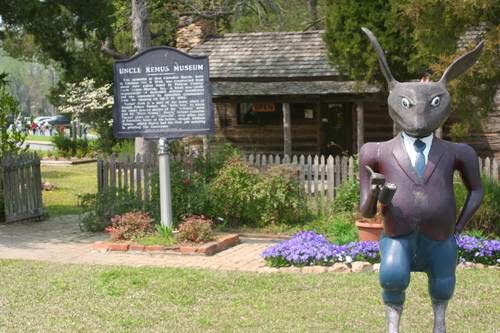
More photos
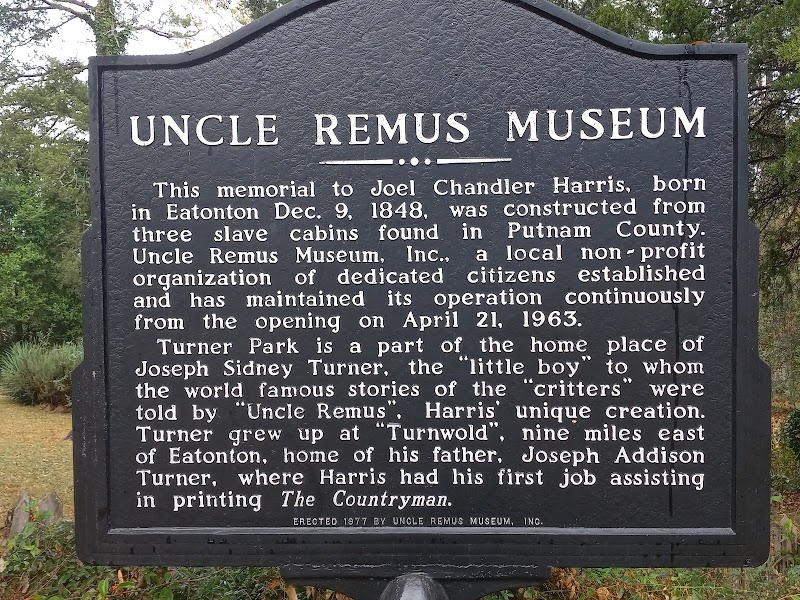
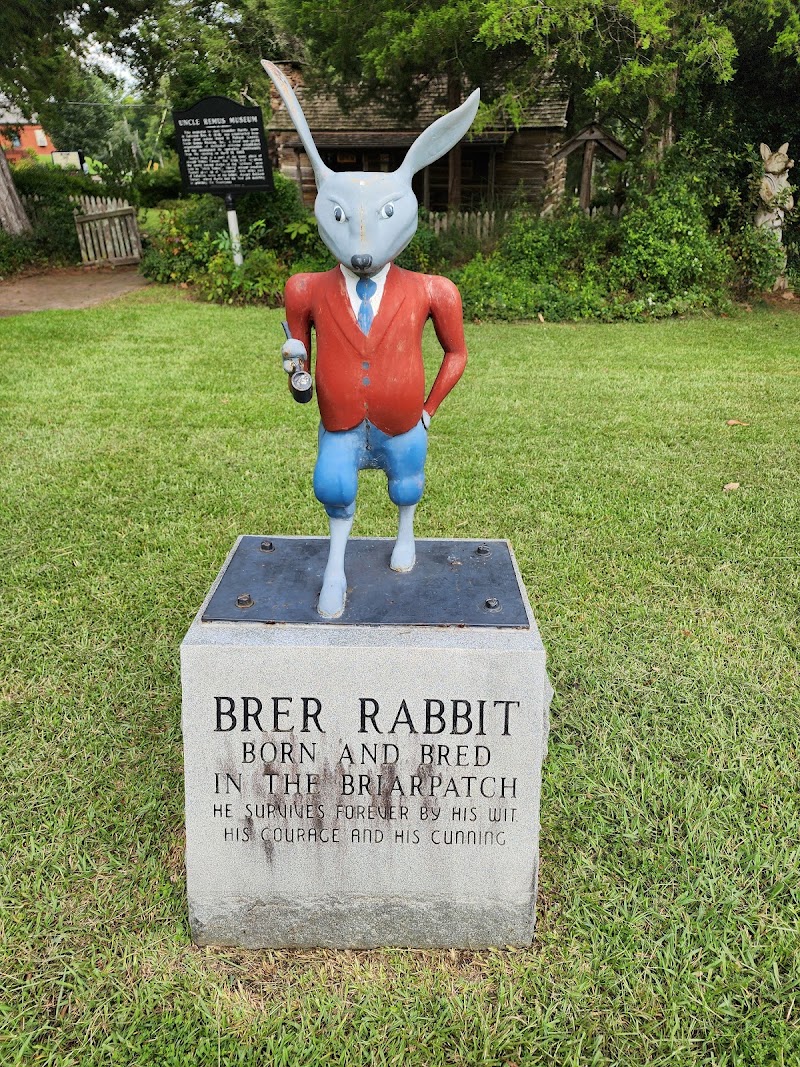
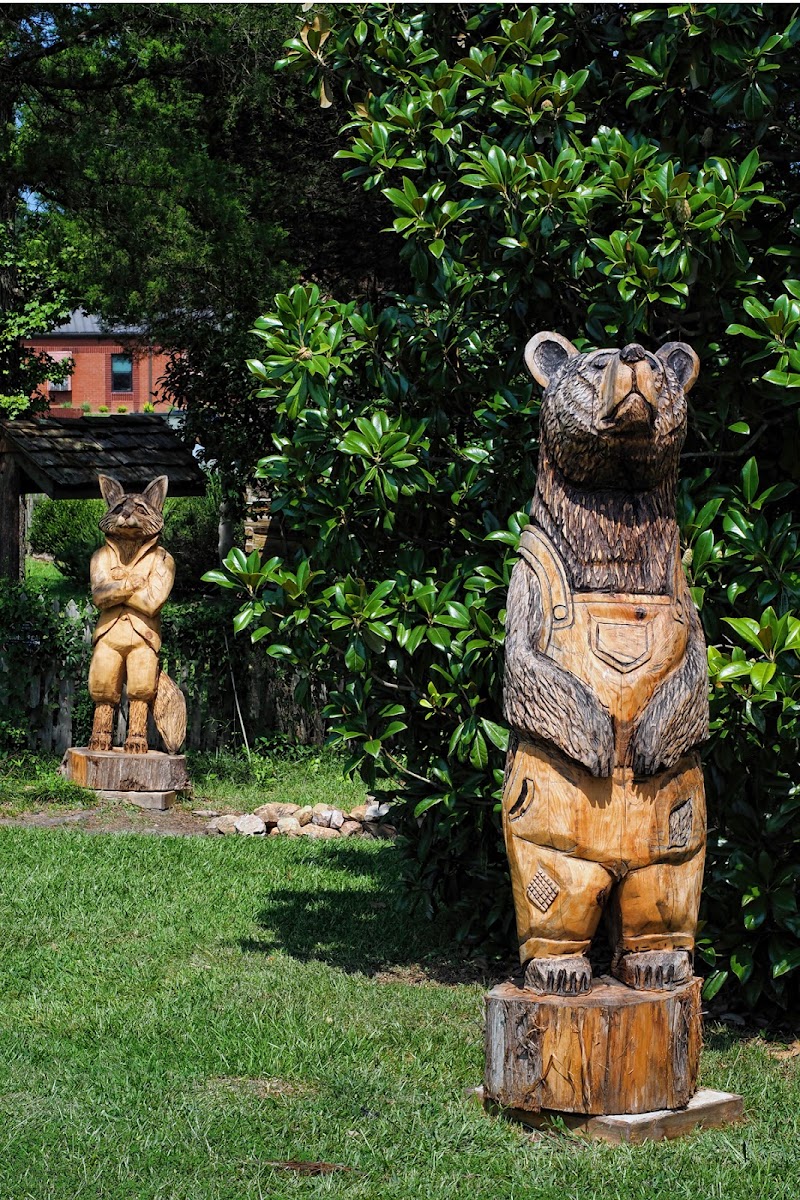
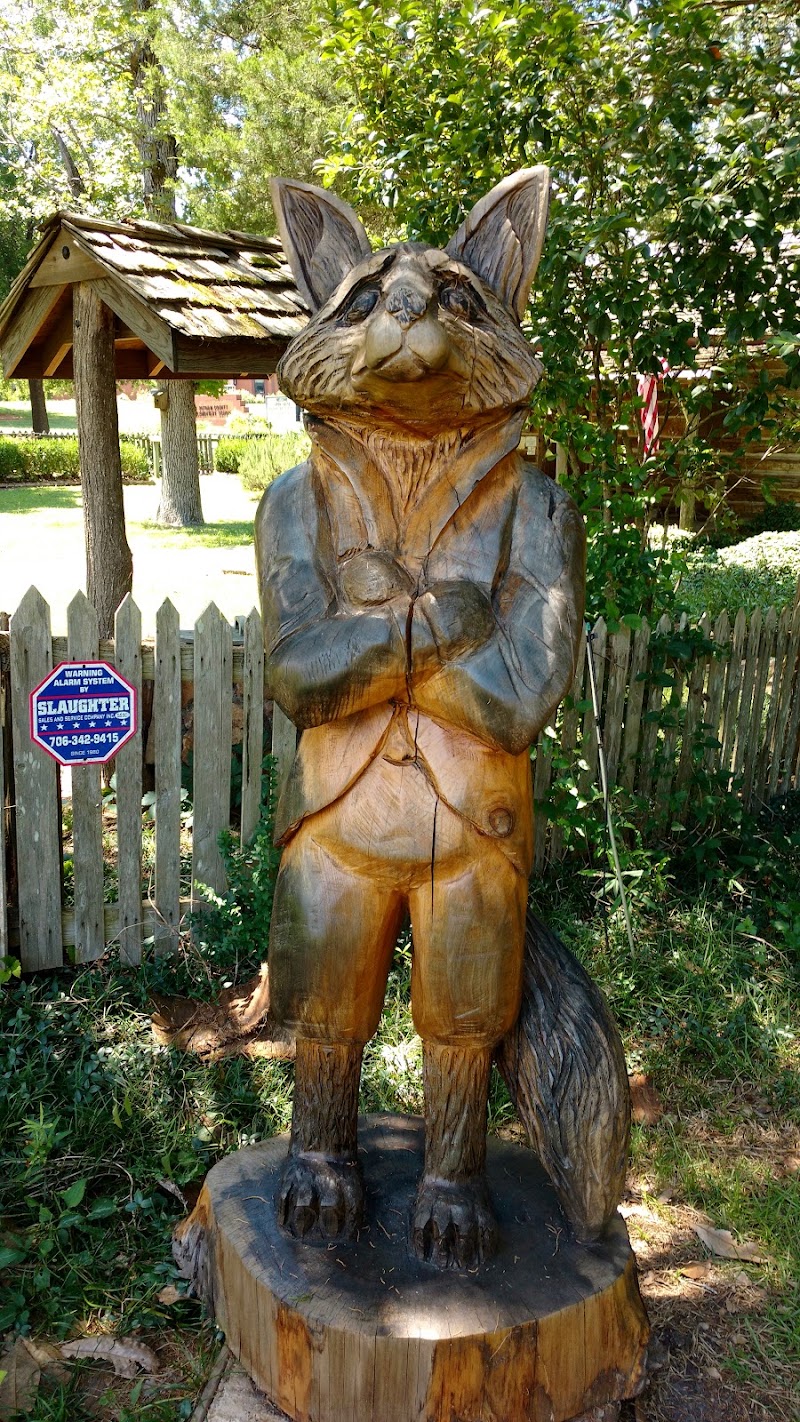
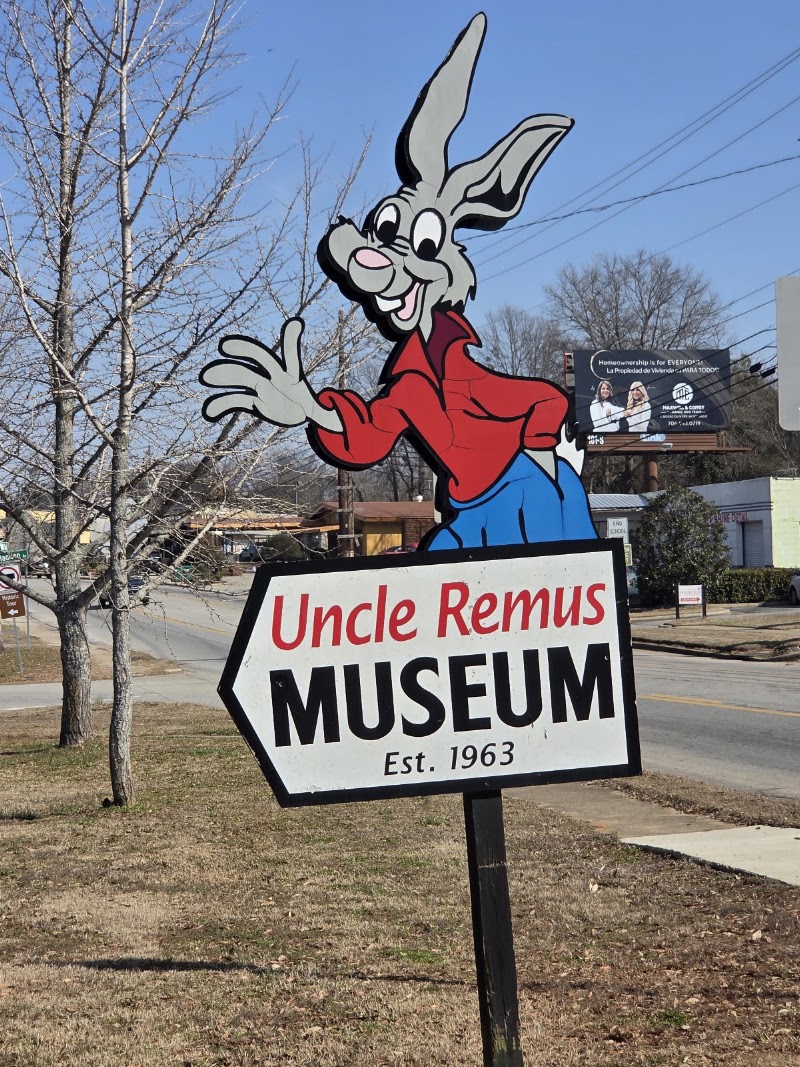
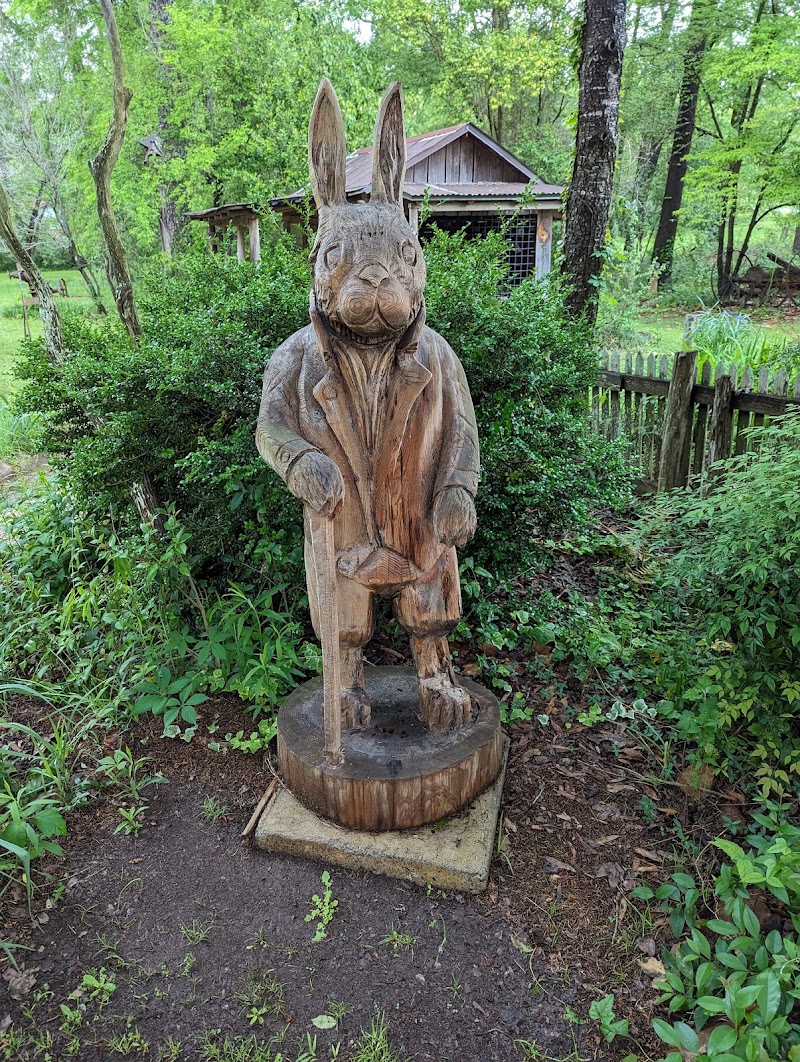
Photos published by travelers on Google, not AI generated.
What stands out
- Knowledgeable museum hosts
- Dense Uncle Remus memorabilia collection
- Brer Rabbit and Joel Chandler Harris history
- Three former slave cabins
- Thought-provoking historical context
Worth knowing
- Indoor photography is reportedly prohibited
- The subject matter requires thoughtful historical context
- Not suited to a rushed walk-through
Don't miss
What comes up most in public reviews
- Joel Chandler Harris history
- Uncle Remus and Brer Rabbit memorabilia
- The three former slave cabins
- A conversation with the museum host
Worth the trip?
What public reviews suggest
The Historic Uncle Remus Museum holds a 4.6 Google rating from 437 reviews, with visitors repeatedly praising its dense collection, knowledgeable hosts and connection to Eatonton-born author Joel Chandler Harris. Although the museum appears modest, reviewers warn against treating it as a quick walk-through attraction. Reading the displays and listening to the interpretation can turn a brief stop into a visit lasting several hours.
Public feedback presents the experience as personal rather than polished. Several reviewers remember the museum’s hosts as warm, informed storytellers who connect Harris, the Uncle Remus tales and local history. One review names a hostess, Sara, as particularly knowledgeable, while others similarly emphasize the quality of the docent-led context. For many visitors, that human interpretation is the strongest part of the museum.
Collection and historical setting
The collection focuses on Uncle Remus material and memorabilia associated with the Brer Rabbit stories. A reviewer also points to displays connected with the film *Song of the South*, whose source material drew on those tales. The quantity of material appears to be a recurring surprise, especially given the museum’s small scale.
The setting requires equal attention. Reviewers describe the museum as occupying three former slave cabins brought together at the site. That context makes the visit more complicated than simple literary nostalgia. The stories, their recording by Harris and the buildings in which the collection is displayed all sit within the history of slavery, folklore and cultural appropriation in the American South.
Several reviews urge visitors to slow down, read about the author and think carefully about where the stories came from. The museum is not described as elaborate, but reviewers often see that lack of polish as appropriate to the surroundings. Visitors interested only in character memorabilia may still enjoy the displays, though those prepared to engage with the wider historical questions are likely to take more from the experience.
Who should visit
This stop best suits literary-history enthusiasts, folklore readers and travellers exploring central Georgia’s smaller museums. It may also appeal to those researching Joel Chandler Harris, Brer Rabbit or the complicated legacy of Uncle Remus in popular culture. Emotional responses vary: some reviewers describe joy and gratitude that the collection survives, while others stress the need to reflect on the cabins and the origins of the stories.
Families should consider how they want to discuss that context before visiting. The available reviews do not describe interactive exhibits or child-focused programming, so the experience seems more dependent on reading, objects and conversation than hands-on activity.
Planning the visit
Allow at least a couple of hours if the goal is to read closely and speak with the museum host. Reviews suggest that dropping in for a quick break can easily become a longer visit once the collection and local stories begin to unfold.
Photography is reportedly not allowed inside, which may disappoint visitors hoping to document the displays. That restriction also makes careful looking more important. The clearest advice from reviewers is simple: take time with the author’s history, pay attention to the buildings and make use of the staff’s knowledge rather than rushing from case to case.
Ask anything
Looking for somewhere else?
Keep exploring around Eatonton
More from Georgia
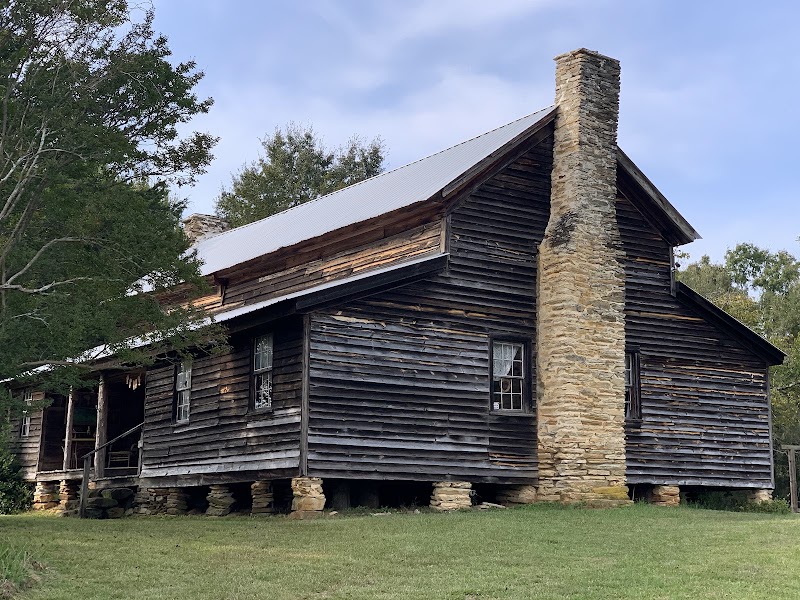
Georgia · Alto
Fort Hollingsworth–White House: A Peaceful Historic Stop
Public reviews describe a beautifully kept collection of old buildings where local history and personal ancestry feel unusually close.
Georgia · Macon
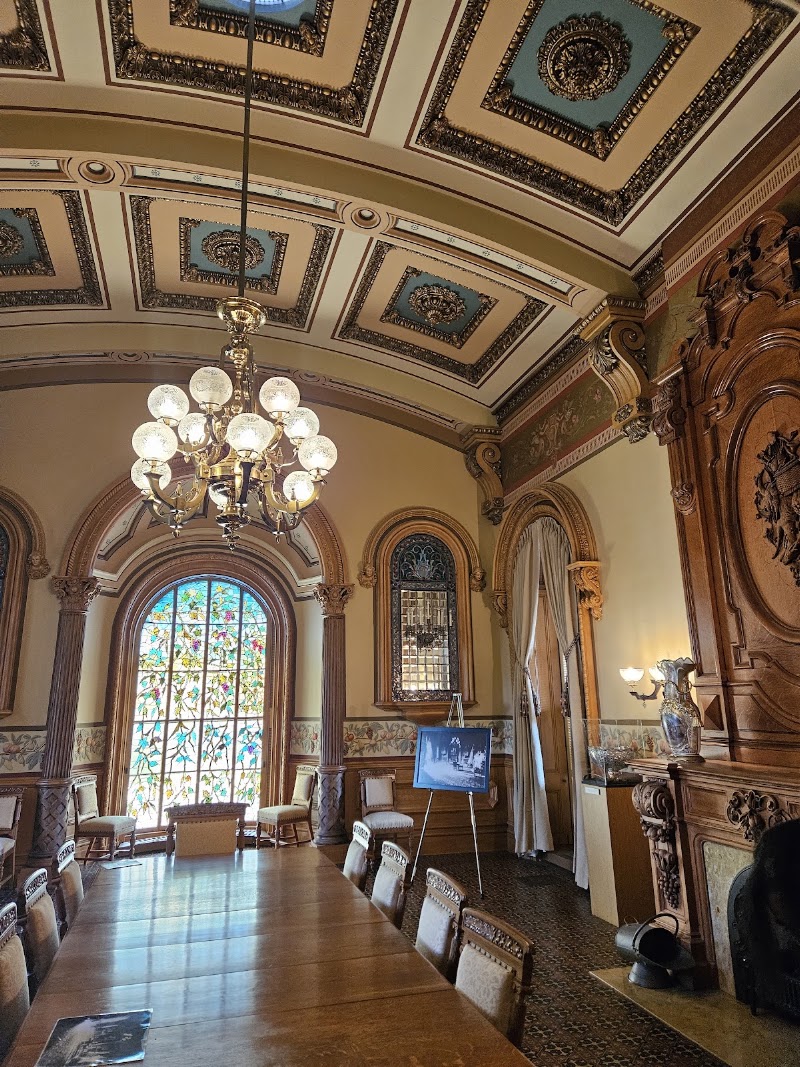
Hay House: Grand Interiors and Standout Guided Tours
Macon’s Hay House earns strong praise for its ornate rooms, thoughtful restoration and guides who bring the property’s history to life.
Georgia · Waycross
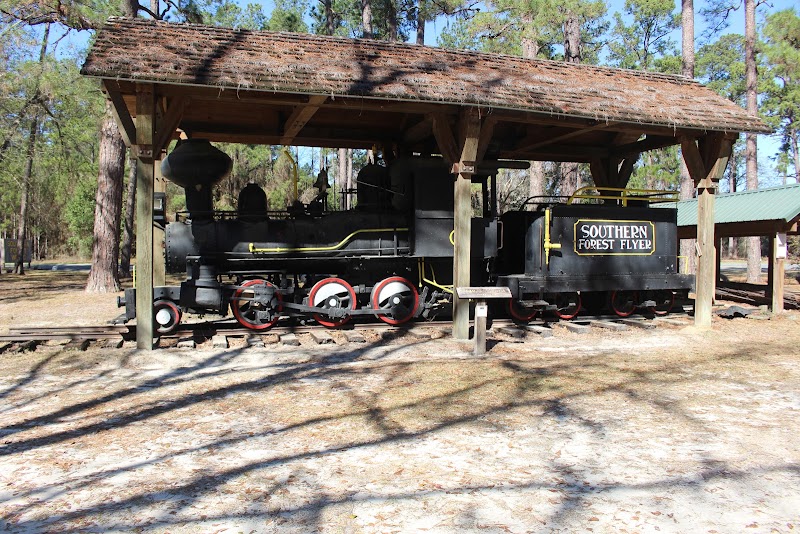
Southern Forest World: Forestry, Wildlife and Family Fun
Waycross’s forestry museum combines regional history, wildlife displays, interactive exhibits and outdoor space suited to families.
Georgia · Lithia Springs
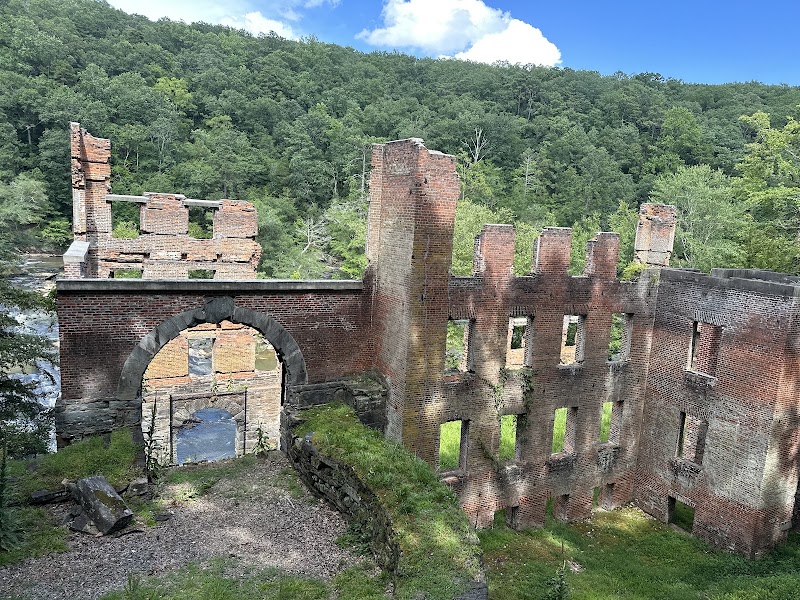
New Manchester Mill Ruins: Creekside History on Foot
Inside Sweetwater Creek State Park, these fenced mill ruins pair an approachable woodland hike with creek views, boulders and local film trivia.