Hill of Crosses: Lithuania’s landscape of remembrance
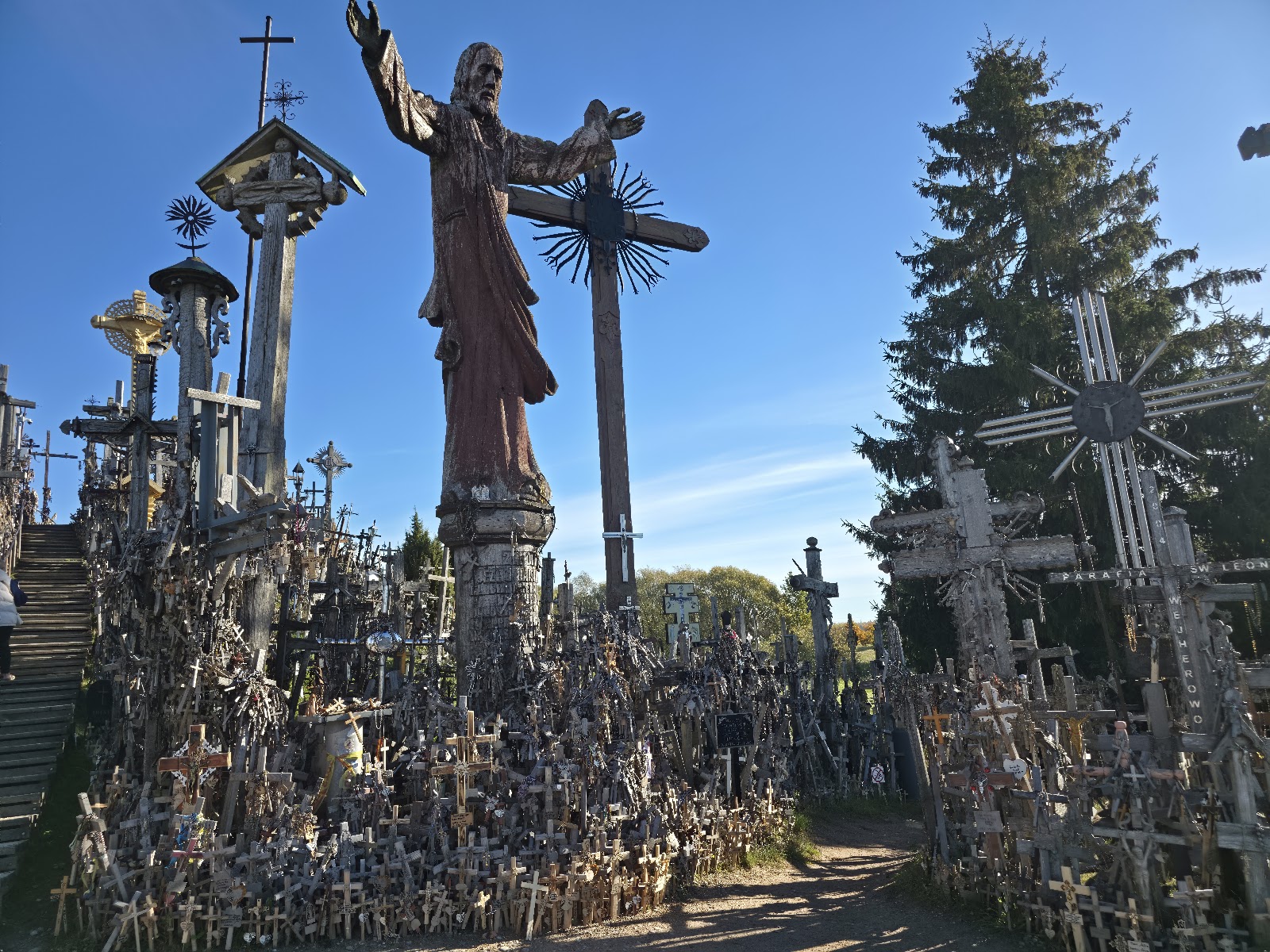
Near Šiauliai, thousands of crosses create a place that reviewers describe as peaceful, visually extraordinary and unexpectedly moving.
More photos
Photos published by travelers on Google, not AI generated.
What stands out
- Thousands of crosses covering the hill
- Peaceful yet powerful atmosphere
- History linked to occupation and resistance
- Cross-lined walkway through the site
- Information centre and souvenir shops
Worth knowing
- Isolated setting requires transport planning
- Information centre may be closed early
- Limited nearby refreshment options
Don't miss
What comes up most in public reviews
- Walk the main cross-lined pathway
- Take in the thousands of individual crosses
- Visit the information centre
- Browse the souvenir and amber shops
Worth the trip?
Why it stands out
Public feedback consistently presents the Hill of Crosses as more affecting in person than in photographs. The scale is central to that response: thousands upon thousands of crosses crowd the hill and line its walkway, creating a dense landscape of faith, memory and personal dedication. Even travellers without a religious connection report being moved by the experience.
The attraction holds a Google rating of 4.6 from 12,626 reviews. In the supplied feedback, recurring descriptions include serene, fascinating, powerful and unique. Its emotional impact appears to come not from a conventional sightseeing circuit, but from walking among objects left by individuals, each suggesting a private prayer, story or remembrance. Reviewers also connect the site with Lithuania’s history of occupation and resistance, interpreting the repeated planting of crosses as an act of persistence.
What the visit is like
The main experience is a slow walk through the tightly packed crosses. Their varying sizes and arrangements produce a striking visual effect, but reviewers suggest that the atmosphere matters just as much as the photographs. Visitors frequently pause to take in the sheer quantity and consider why the crosses were placed there.
The tone is solemn without feeling inaccessible. One non-religious visitor arrived curious and left genuinely moved, while another called the site beautiful and serene. That broad appeal makes the Hill of Crosses relevant to history-minded travellers, photographers and those interested in places of worship, as well as pilgrims.
Early morning can offer solitude. One reviewer who arrived at about 8am on a cold midweek day had the hill alone, although the information centre was closed at that time and reportedly opened later in the morning. Visitors wanting access to the centre and souvenir shops may prefer not to arrive too early. One review also reports that no ticket was needed.
Planning the stop
The site is isolated amid farmland, around 10 kilometres from Šiauliai according to the supplied reviews, so transport requires forethought. Some travellers visit as part of sightseeing transfers or organised bus tours between Vilnius and Riga, or from Riga itself. Independent visitors will need a practical way to reach the rural location.
An information centre and souvenir shopping are mentioned more than once. Reviewers note magnets and amber jewellery among the items encountered, though shopping remains secondary to the hill. A nearby monastery is also visible or signposted, but the supplied feedback offers little detail about visiting it.
Facilities appear limited. One reviewer specifically wished for a small cafeteria nearby, so travellers should not assume refreshments will be readily available. Cold, exposed conditions are also possible, particularly during an early visit. Allowing a few hours provides time to walk slowly, visit the information centre if open and absorb the setting without turning it into a rushed photo stop.
Editorial verdict
Synthesised from public ratings and traveller reviews, the Hill of Crosses stands out for its unusual visual scale and emotional force. It is easy to understand as a religious site, but the reviews show a wider significance built around remembrance, national history and refusal to let a symbol disappear. The rural setting adds logistical effort, yet that isolation also helps preserve the contemplative atmosphere that visitors value most.
Plan the rest of the trip
Ask anything
Looking for somewhere else?
Keep exploring around Jurgaičiai
More from Lithuania
Lithuania · Rokiškis
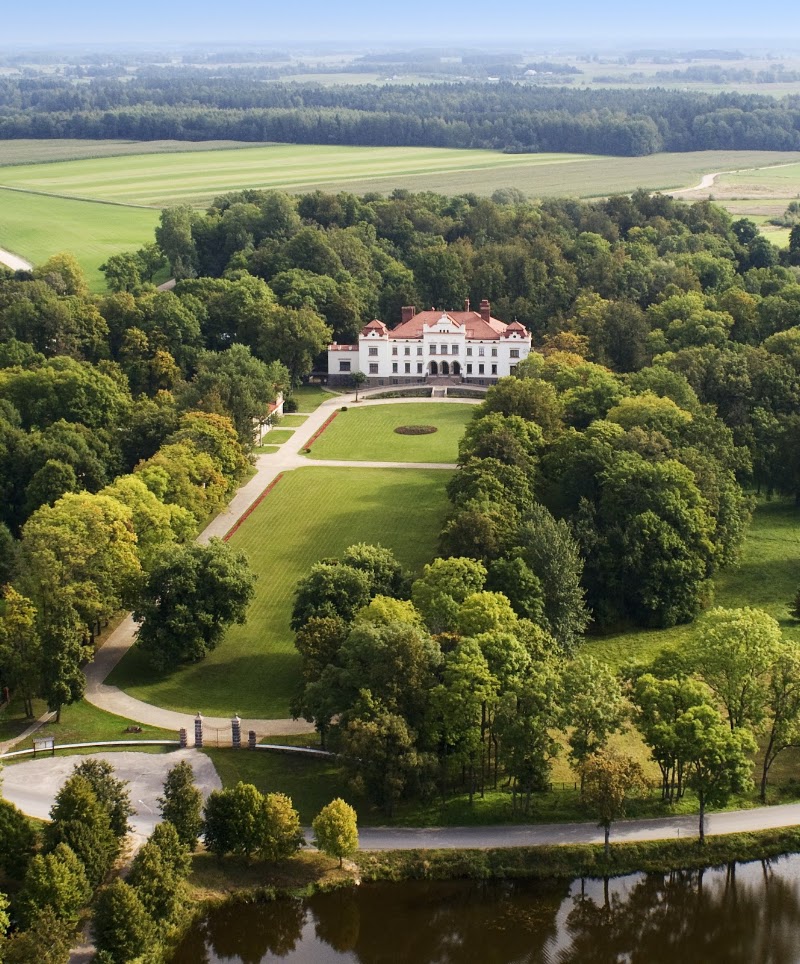
Rokiškio krašto muziejus: History Inside a Manor
Strong reviews highlight a preserved historic manor, period interiors, informative guides and a welcoming museum team.
Lithuania · Vilnius
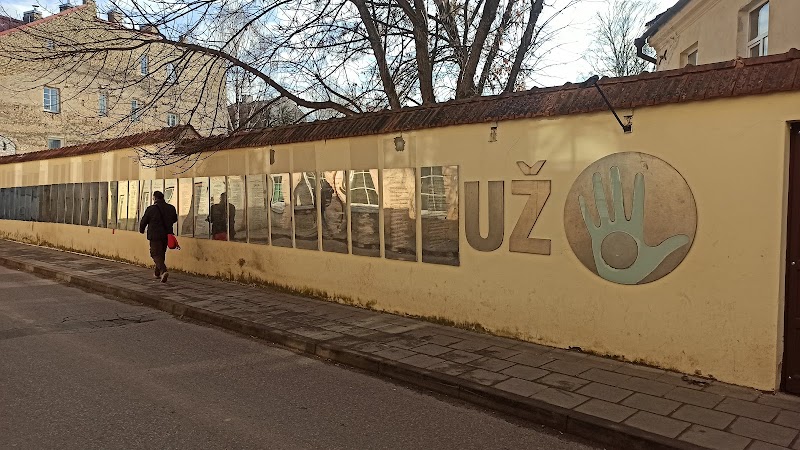
Užupis Constitution: Wit and Idealism on the Wall
Vilnius’s playful public constitution pairs philosophical ideas with humour, presented on metal plaques in the artistic Užupis neighbourhood.
Lithuania · Kaišiadorys
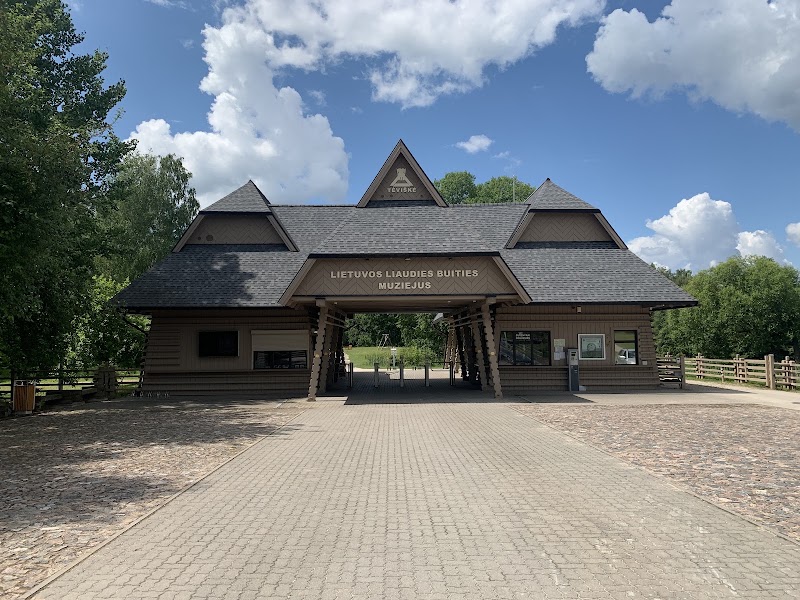
Lithuanian Museum of Ethnography: Plan for a Full Day
This vast open-air museum rewards unhurried exploration with village settings, traditional crafts and detailed interpretation.
Lithuania · Vilnius
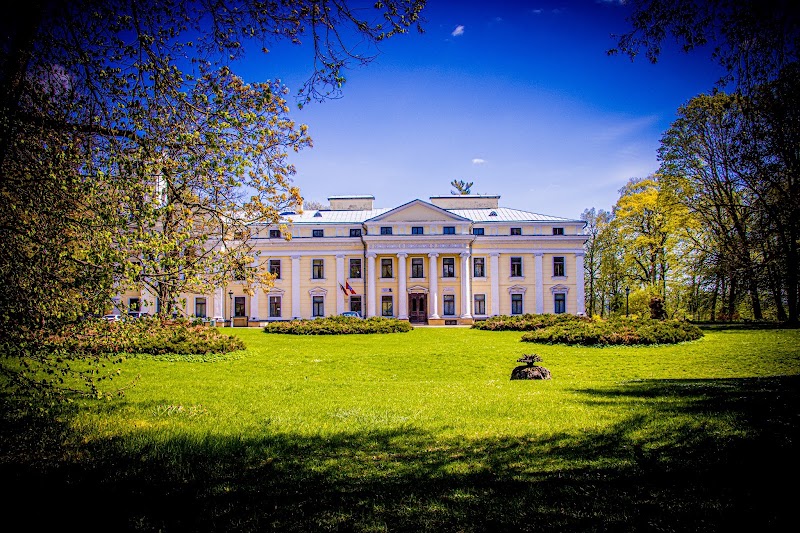
Verkiai Palace: Parkland, History and Vilnius Views
A compact historic palace site opening onto broad parkland, woodland paths, city views and a riverside water mill.