Hierapolis: Roman ruins above Pamukkale
A vast ancient city where a monumental theatre, sprawling necropolis and thermal waters share the landscape with Pamukkale’s white terraces.

More photos
Photos published by travelers on Google, not AI generated.
What stands out
- Well-preserved Hellenistic Theatre
- Vast Necropolis and ancient tombs
- Pamukkale’s white travertines
- Ancient baths, gates and basilicas
- Thermal pools
Worth knowing
- The site involves extensive walking
- Shoes must be removed on the travertines
- The terrace surface can feel rough
Don't miss
What comes up most in public reviews
- Hierapolis Hellenistic Theatre
- The Necropolis from the north entrance
- Pamukkale travertines
- Antique Pool, also called Cleopatra’s Pool
- Ancient city baths
Worth the trip?
Why Hierapolis stands out
Hierapolis is not simply an archaeological add-on to Pamukkale. Public reviews repeatedly describe a vast ancient city with baths, gates, tombs, basilicas and a notably well-preserved theatre. Its 4.8 Google rating from 17377 reviews reflects strong enthusiasm for the combination of ancient history and unusual natural scenery.
Several reviewers compare the scale and grandeur of the settlement with Ephesus. The contrast is central to its appeal: visitors can spend hours walking through Roman ruins before continuing to the bright white travertine terraces and thermal pools. Reviewers who arrived expecting only Pamukkale’s terraces often report being surprised by how much more there is to explore.
The main archaeological sights
The Hierapolis Hellenistic Theatre is among the most consistently praised monuments. Reviews single it out for its impressive preservation, making it a priority even for visitors with limited time. The broader site includes the remains of city baths, monumental gates and Christian basilicas, giving a clearer sense of Hierapolis as a complete settlement rather than an isolated cluster of ruins.
The Necropolis is another recurring highlight, particularly for those entering from the north. Travellers describe walking past thousands of broken tombs before reaching the former city baths. This route gives the visit a strong sense of progression, although its length can be demanding. One reviewer recorded five hours and 17000 steps while trying to cover the entire site.
Travertines and thermal water
The archaeological area is closely tied to Pamukkale’s travertines, and reviews often treat the ruins and terraces as one combined experience. Visitors move from the ancient city toward the white formations, where shoes must be removed to protect the surface. Reviews warn that the ground can feel rough underfoot, so slower, careful walking may be necessary.
Thermal bathing adds another dimension. The Antique Pool, also referred to in reviews as Cleopatra’s Pool, is repeatedly named among the principal stops, while other travellers simply praise the chance to bathe in thermal pools amid a historical landscape. This mix makes Hierapolis suitable for groups with varied interests, from archaeology and photography to walking and bathing.
Planning the visit
Reviews make clear that Hierapolis requires more time than many visitors expect. Around five hours is a realistic target for travellers hoping to see the major ruins, walk through the Necropolis and continue to the travertines. A paid tourist car serves principal points of interest for those who prefer to reduce the walking.
Winter receives praise for smaller crowds, with one reviewer finding the site particularly quiet in the early afternoon. Cold air should not rule out the thermal water, but visitors need suitable clothing for the exposed walks between monuments. Early April is also described positively for combining the natural and archaeological sides of the site. Overall, public feedback suggests that Hierapolis rewards a full, unhurried visit rather than a quick stop focused only on the terraces.
Plan the rest of the trip
Ask anything
Looking for somewhere else?
Keep exploring
More from Türkiye
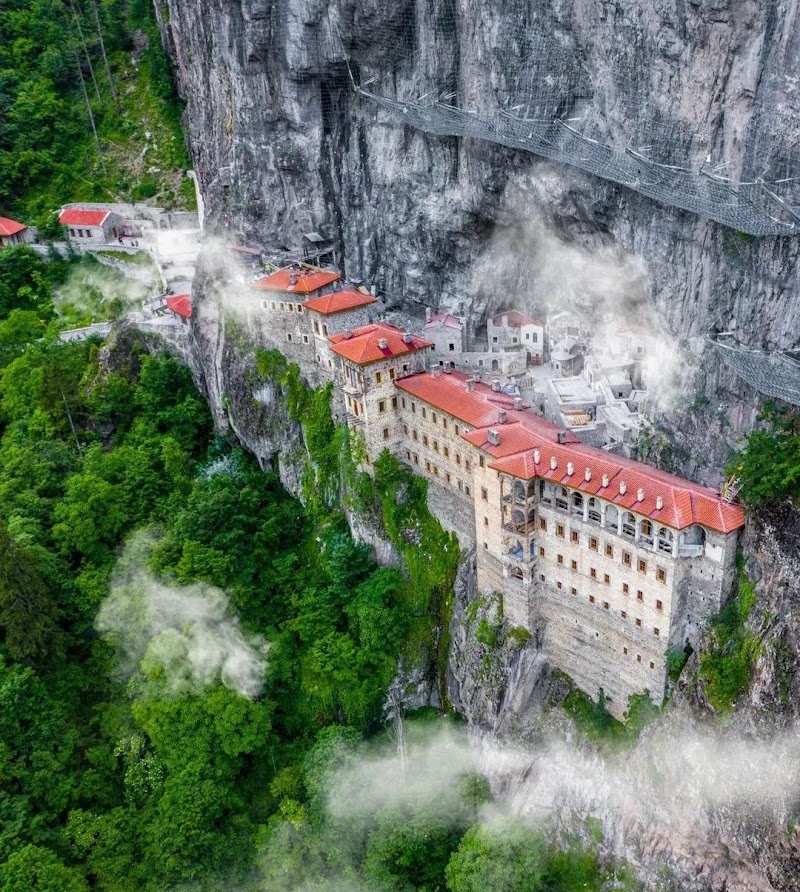
Türkiye
Sümela Monastery: Cliffside History in Turkey’s Black Sea Region
Sümela Monastery pairs dramatic mountain scenery with historic frescoes, though the steep approach, weather and visitor logistics need planning.
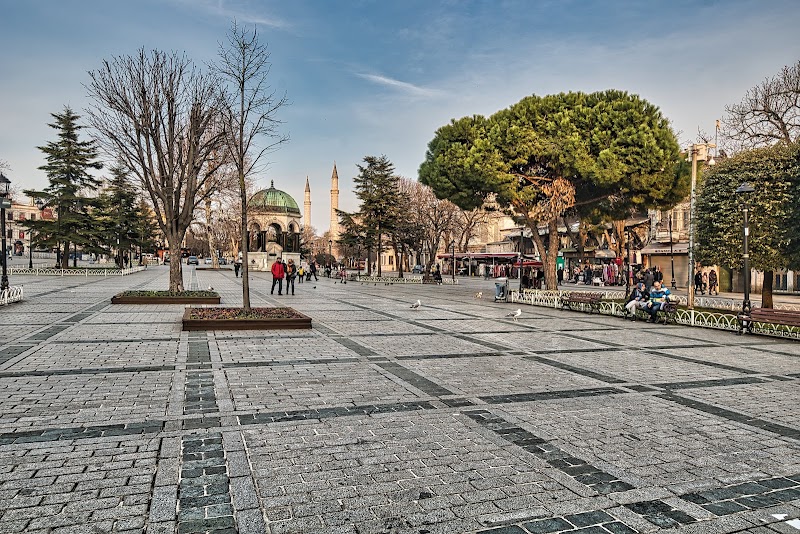
Türkiye
Sultanahmet Square: Istanbul’s Historic Open-Air Landmark
Sultanahmet Square puts major Istanbul landmarks, gardens and historic monuments within an easy, walkable public space.
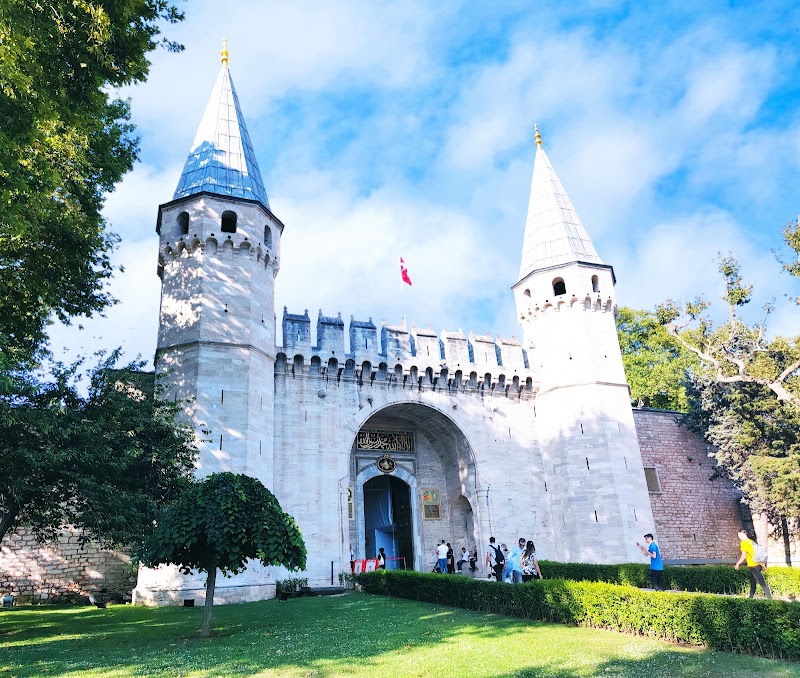
Türkiye
Topkapi Palace Museum: Ottoman History on a Grand Scale
Topkapi Palace Museum rewards visitors who set aside several hours for its courtyards, gardens, views and richly presented Ottoman collections.
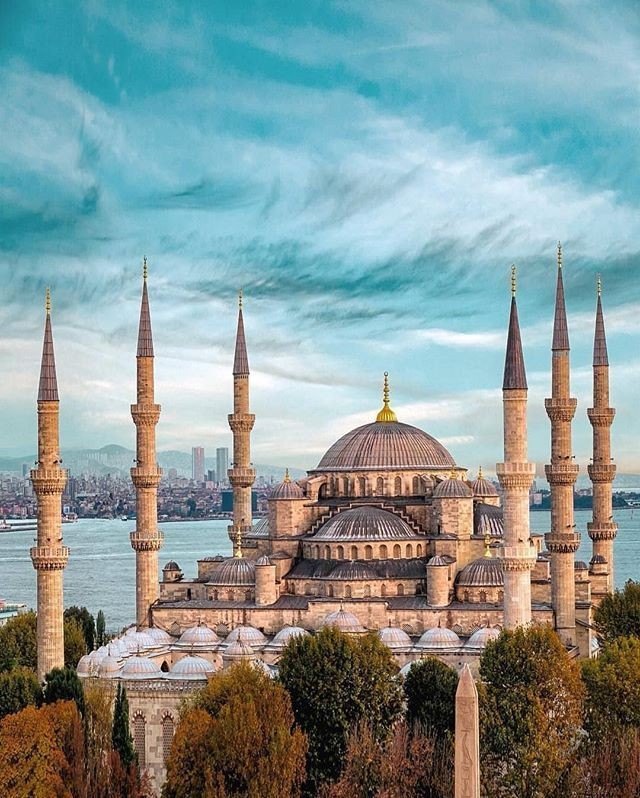
Türkiye
The Blue Mosque: Istanbul’s Iconic Place of Worship
Public reviews praise the Blue Mosque’s Ottoman architecture, blue Iznik tiles and calm atmosphere in the heart of Istanbul.