Heritage of Mei Ho House: Hong Kong’s Housing Story
This Sham Shui Po museum uses restored living spaces and guided tours to illuminate Hong Kong’s public housing history and postwar social change.

More photos

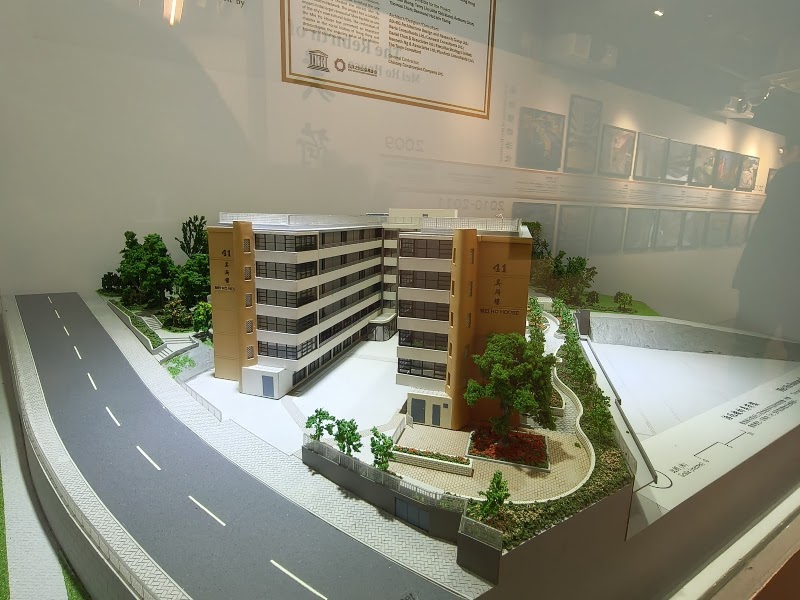
Photos published by travelers on Google, not AI generated.
What stands out
- Surviving Mark I resettlement block
- Everyday life displays from the 1950s and 1960s
- Engaging guided tours
- Free museum admission
- Working-class Sham Shui Po setting
Worth knowing
- Check the official tour language schedule
- The museum occupies only part of the building
- The building also operates as a youth hostel
Don't miss
What comes up most in public reviews
- Join a guided heritage tour
- See the interpreted public housing living spaces
- Explore the ground-floor and first-floor displays
- Learn about the 1953 Shek Kip Mei fire
Worth the trip?
Why it stands out
Heritage of Mei Ho House offers a focused account of Hong Kong’s early public housing and the working-class lives shaped by it. The attraction has a Google rating of 4.4 from 588 reviews, with recurring praise for its educational displays, accessible storytelling and sense of place.
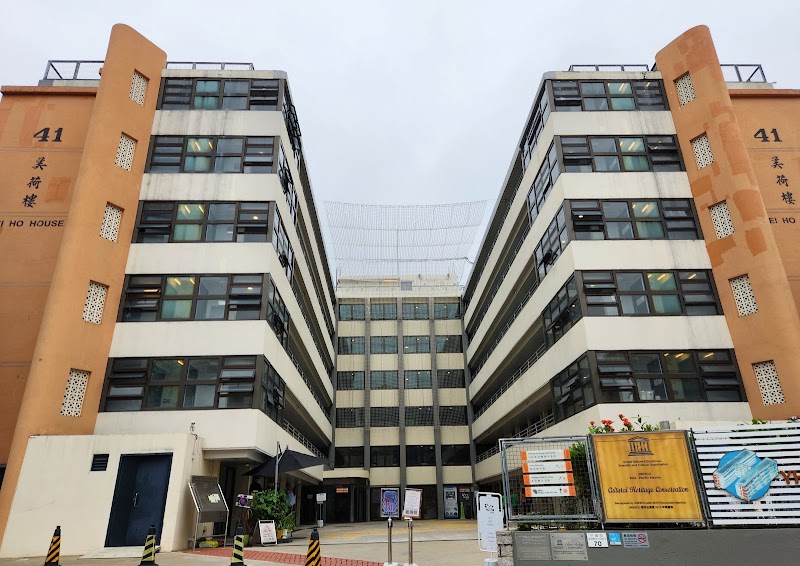
Mei Ho House is described by reviewers as the last surviving Mark I, H-shaped resettlement block in Hong Kong. Built in 1954 to accommodate people affected by the 1953 Shek Kip Mei fire, the building now combines a heritage museum with a youth hostel. That dual use means the site is not presented as a conventional museum complex. Instead, its historical significance begins with the structure itself.
What the museum covers
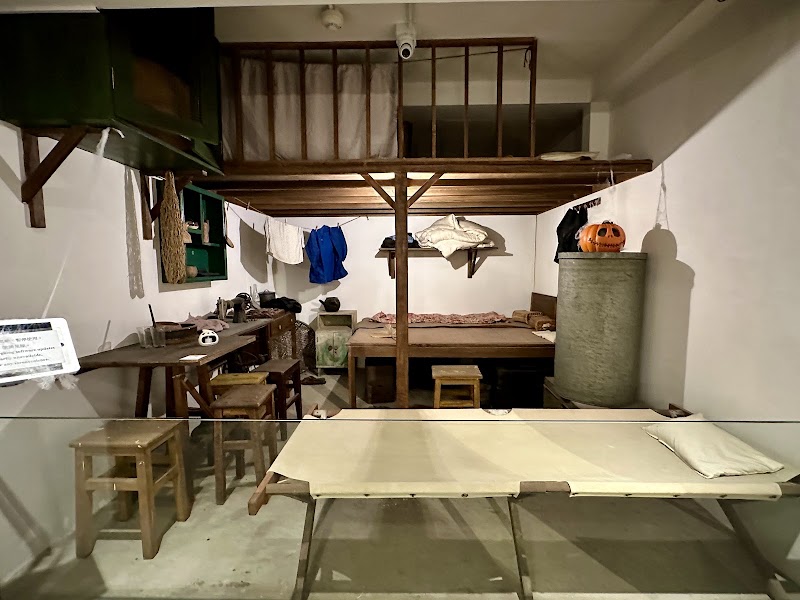
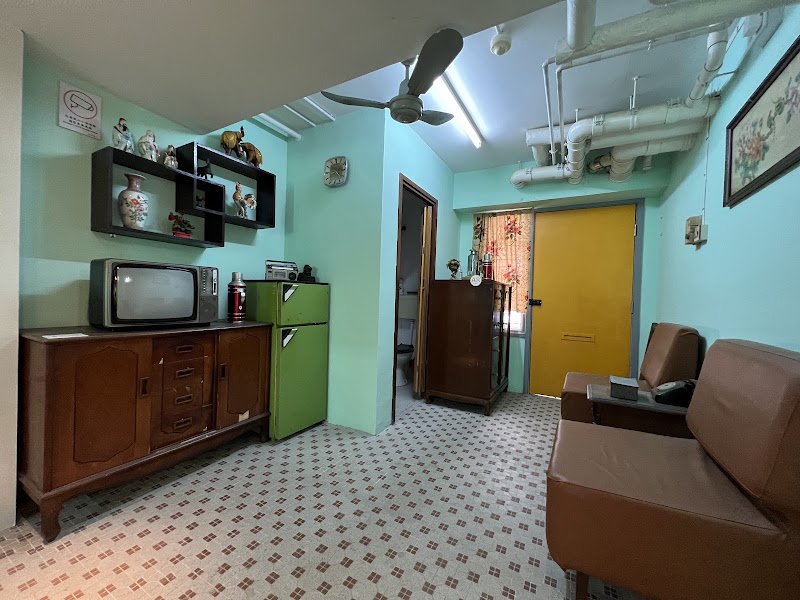
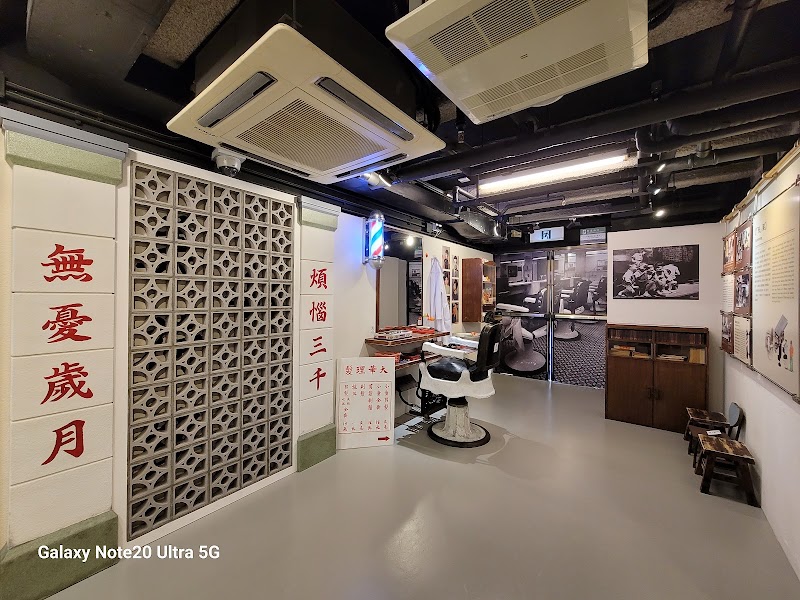
The exhibition concentrates on everyday life in Hong Kong during the 1950s and 1960s, particularly the experience of families living in the city’s first generations of public housing. Reviews repeatedly mention reconstructed or interpreted domestic spaces that show how residents once lived. These displays give social history a human scale, moving beyond architecture and government policy to consider crowded homes, routines and community life.
Visitors interested in Hong Kong’s transformation are likely to find the museum especially worthwhile. Several reviewers describe the experience as immersive or emotional, while others value its clear presentation of how dramatically the city has changed. The Sham Shui Po setting also adds useful context, since the surrounding district remains closely associated with working-class Hong Kong.
The museum occupies part of the ground and first floors rather than the entire building. Public reviews suggest that this makes it manageable as a short cultural stop, though history enthusiasts may prefer to proceed slowly through the displays. One reviewer also found it quiet enough for a leisurely visit with minimal noise.
Guided tours
Guided tours receive the strongest and most consistent praise. Reviewers describe guides as knowledgeable, engaging and capable of bringing the exhibitions to life through accessible explanations and local references. The tours appear particularly useful for visitors without prior knowledge of Hong Kong’s resettlement estates or postwar housing history.
Reviews report tours in Cantonese, English and Mandarin. They also indicate that English and Mandarin availability may alternate, so checking the attraction’s official website before travelling is sensible. The guided format appears to add substantially more context than an independent walk through the galleries, especially when connecting individual rooms and objects to wider changes in the city.
Overall verdict
Heritage of Mei Ho House suits travellers looking for substance rather than spectacle. Its appeal lies in a surviving residential block, thoughtfully presented social history and guides who help translate housing policy into stories of ordinary life. Free admission, as repeatedly noted in reviews, makes it a budget-friendly addition to a Sham Shui Po itinerary.
The relatively compact museum and shared hostel use may surprise anyone expecting a large institutional attraction. For visitors interested in architecture, community history or Hong Kong in the 1950s and 1960s, however, it offers a memorable and grounded perspective on the city’s development.
Ask anything
Looking for somewhere else?
Keep exploring
More from Hong Kong
Hong Kong
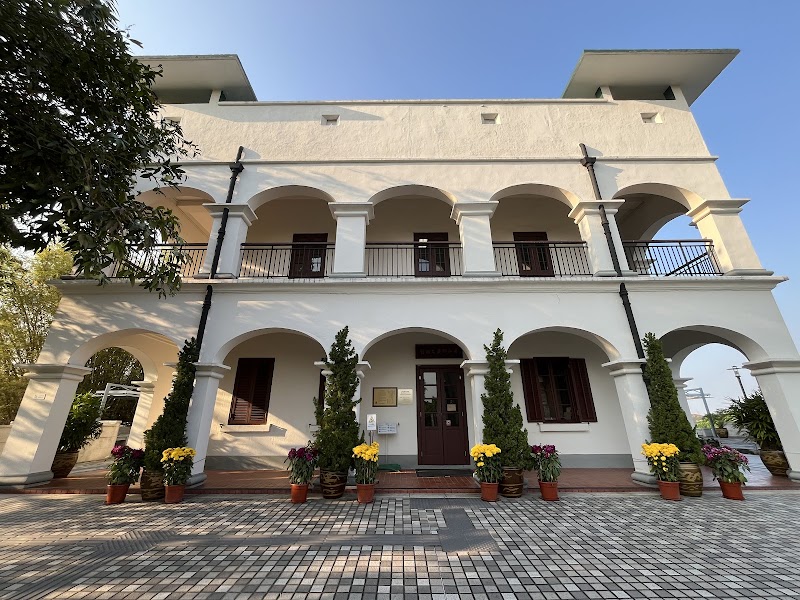
Ping Shan’s clan history in a preserved police station
This compact heritage centre pairs a simple local exhibition with a renovated historic building and hilltop views over the surrounding area.
Hong Kong
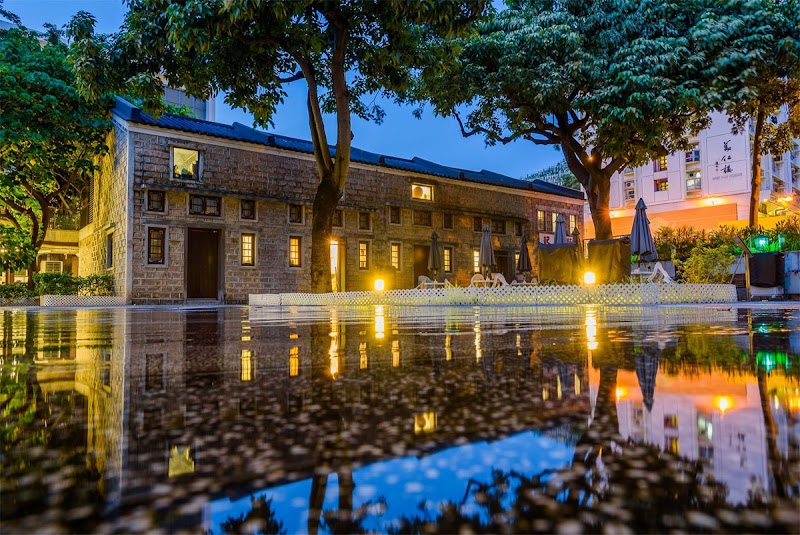
Stone Houses Family Garden: Heritage, café and local stories
This compact Kowloon City heritage stop combines a small neighbourhood museum, a garden and a café in a former school building.
Hong Kong
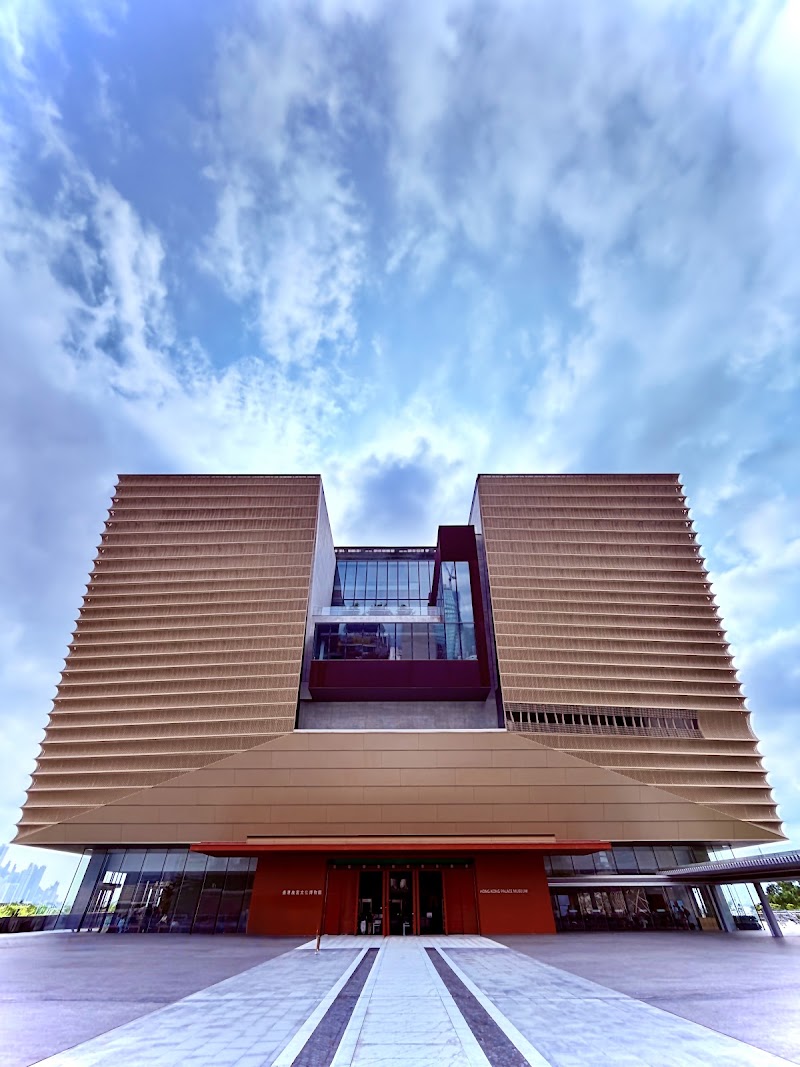
Hong Kong Palace Museum: Imperial Art by the Harbour
Strong public reviews praise its imperial treasures, engaging displays, modern architecture and thoughtfully curated visiting exhibitions.
Hong Kong
Hong Kong Heritage Museum: Culture Beyond the Centre
Spacious galleries, Bruce Lee memorabilia and local cultural history make this Sha Tin museum worth the journey from central Hong Kong.