Hell’s Museum: death, belief and the Ten Courts of Hell
Singapore’s Hell’s Museum pairs an accessible study of afterlife beliefs with graphic, memorable depictions of Taoist punishment.
More photos
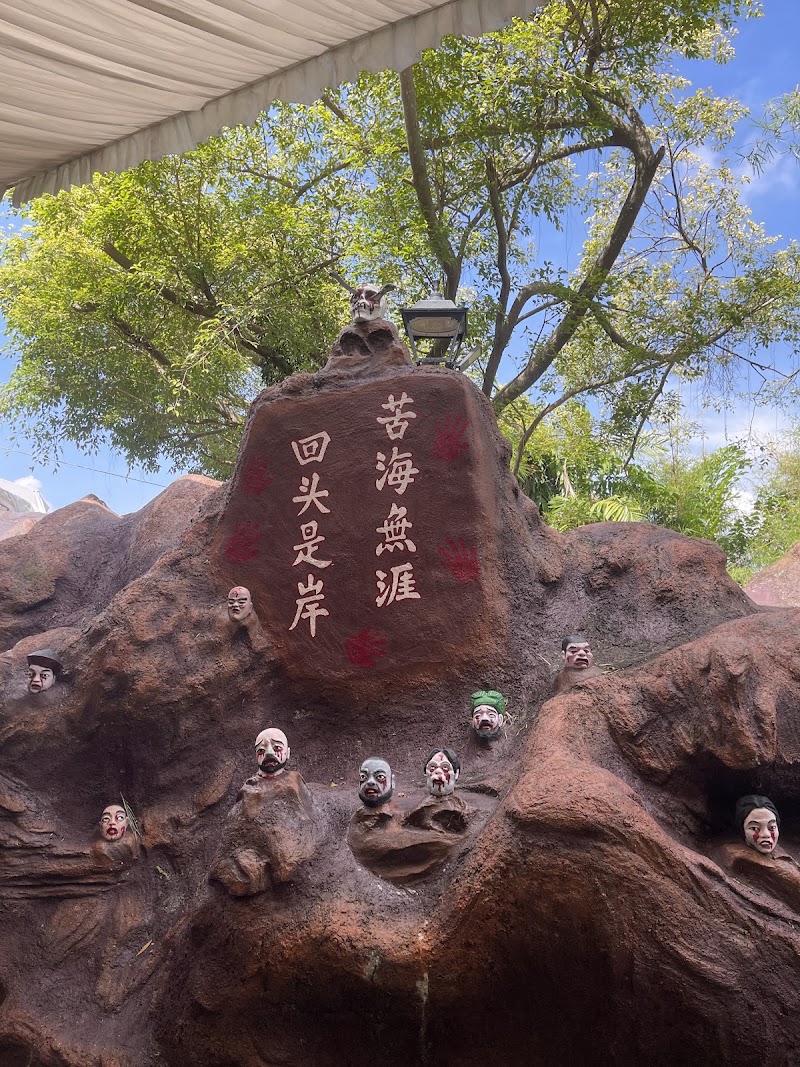
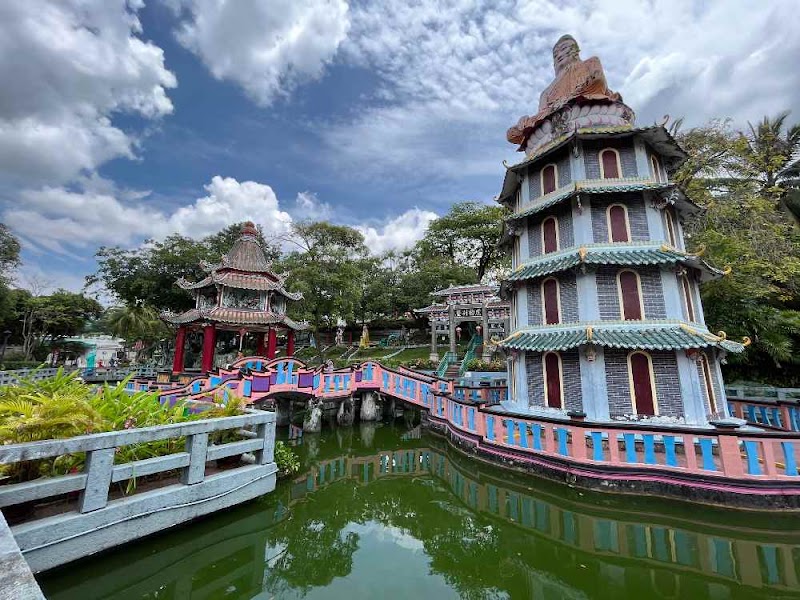
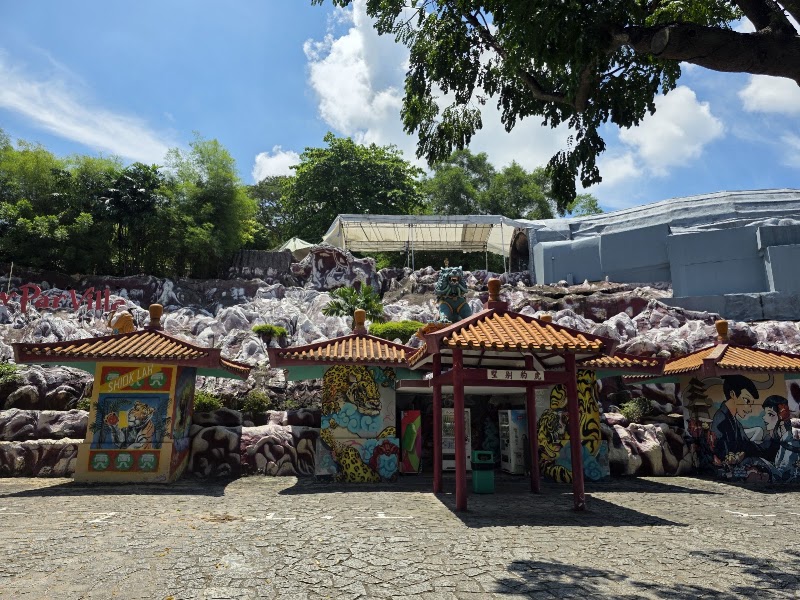
Photos published by travelers on Google, not AI generated.
What stands out
- Ten Courts of Hell tableaux
- Comparisons of afterlife beliefs
- Clear, educational displays
- Knowledgeable and engaging guides
Worth knowing
- Graphic punishment scenes may disturb young children
- Allow extra time to read the detailed displays
Don't miss
What comes up most in public reviews
- Explore the Ten Courts of Hell
- See the Hell cave
- Join a guided museum tour
- Use the QR-code audio guide
Worth the trip?
What the reviews suggest
Hell’s Museum earns a Google rating of 4.8 from 1068 reviews, and the available feedback consistently describes it as one of Singapore’s more unusual cultural attractions. This is not simply a room of macabre statues. Visitors report a structured, educational museum examining how major religions and civilizations understand death, judgement and the afterlife.
Several reviewers who remembered an earlier, statue-focused attraction found the updated presentation more informative. Displays are described as clearly organised, digestible and easy to follow, even when dealing with complex or sensitive subjects. The museum’s strongest quality appears to be that balance: it encourages serious discussion about mortality and belief without losing the striking visual spectacle that draws many people in.
The Ten Courts of Hell
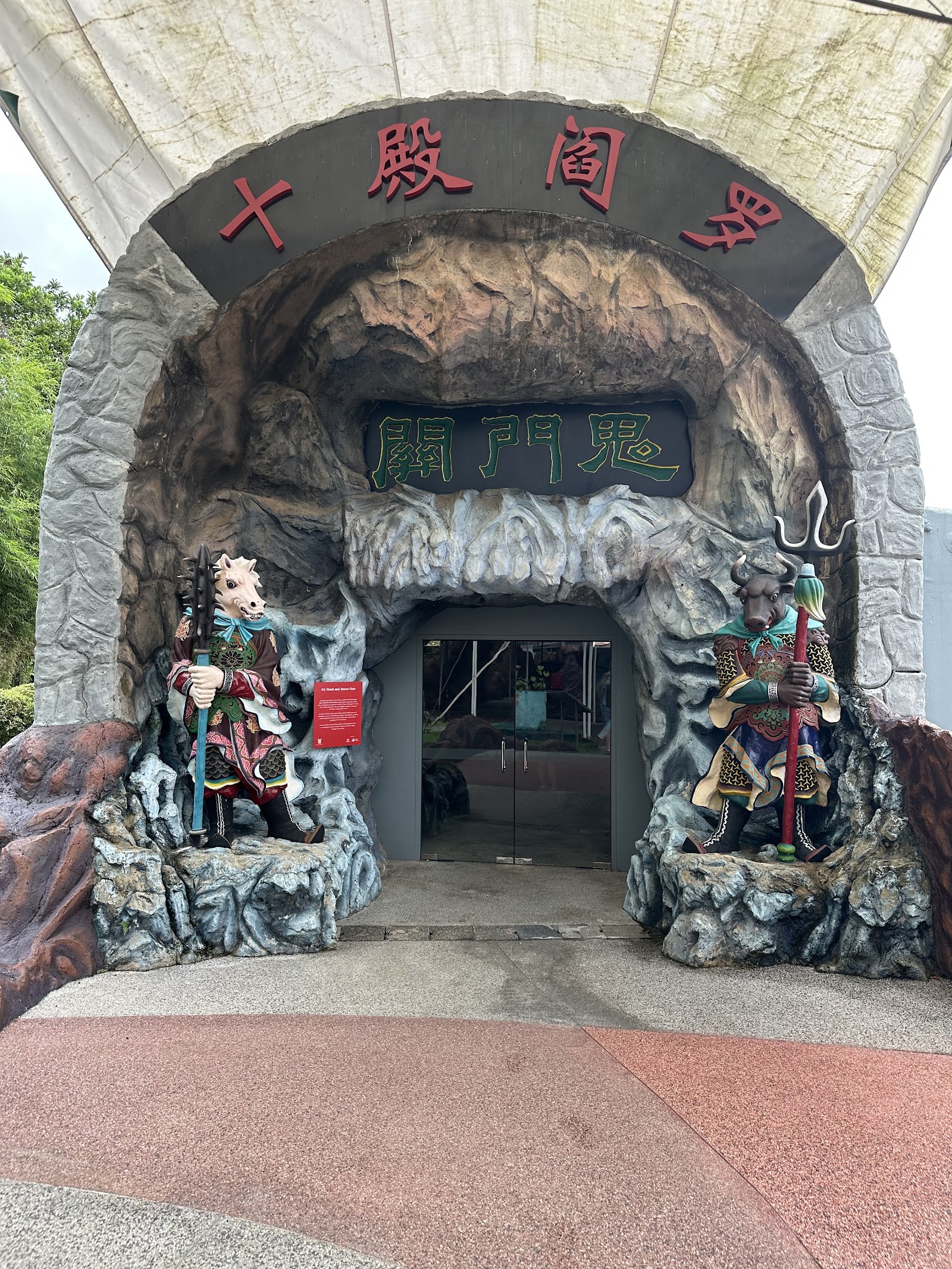
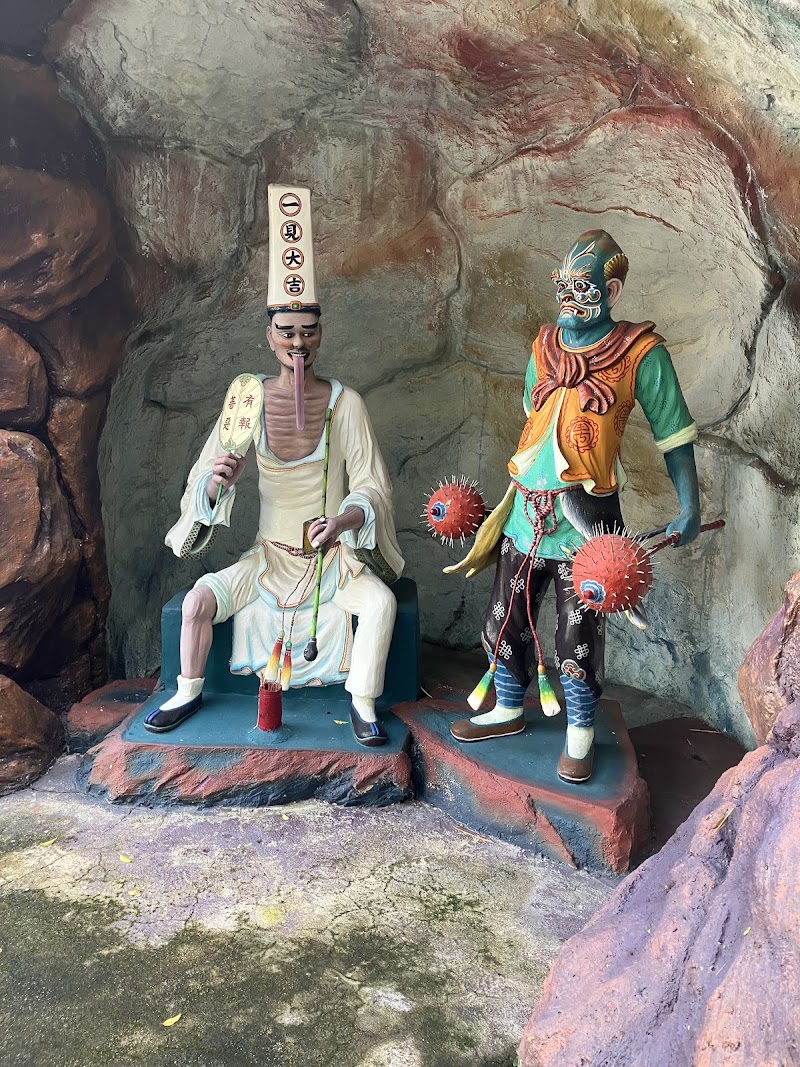
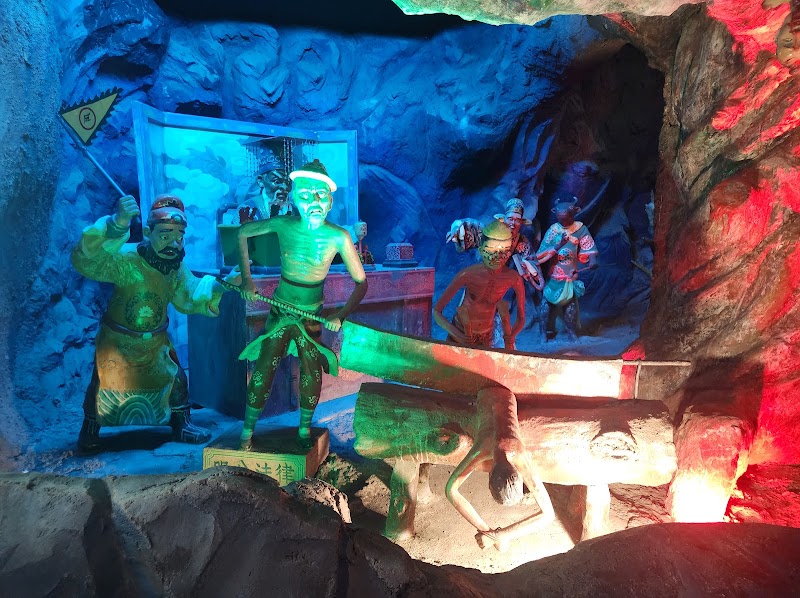
The main attraction is the Taoist Ten Courts of Hell, sometimes called the Hell cave in the reviews. Its tableaux connect particular crimes with punishments in the afterlife. Travellers repeatedly single this section out as the museum’s most distinctive and memorable feature.
The imagery can be graphic, but reviewers tend to frame it as part of a wider cultural explanation rather than shock for its own sake. Earlier sections provide context by comparing religious approaches to death and the afterlife, helping visitors understand how the courts fit within a broader set of traditions. Those interested in religion, folklore or cultural attitudes towards mortality are likely to get the most from reading the interpretive material rather than rushing directly to the cave.
Guided or self-guided visits
Public reviews indicate that the museum works well both independently and with a guide. One visitor completed a self-guided circuit in about an hour using the QR-code audio guide. Others spent roughly an hour on a guided walk, then allowed additional time to return to the written displays. A guided experience was also described as lasting around 1.5 hours.
Guides receive particularly warm feedback for being knowledgeable, engaging and open to questions. Reviewers appreciated the space for discussion, as well as the extra context offered around individual sections. Some visitors mention joining a free guided tour, although current availability and conditions should be checked before arrival rather than assumed.
Who should visit
Hell’s Museum is best suited to culturally curious adults, older children and teenagers who are comfortable with depictions of punishment. One review suggests that children aged 10 and above may be fine, while cautioning against taking younger children. Individual sensitivity matters more than age alone.
A visit can fit into one to two hours, but readers who enjoy comparative religion or detailed interpretation may want longer. The consensus points to an attraction that is compact yet substantial, with helpful staff and enough information to support a slower second pass. Its strongest appeal lies in the combination of religious context, accessible explanations and unforgettable visual storytelling.
Ask anything
Looking for somewhere else?
Keep exploring around Singapore
More from Singapore
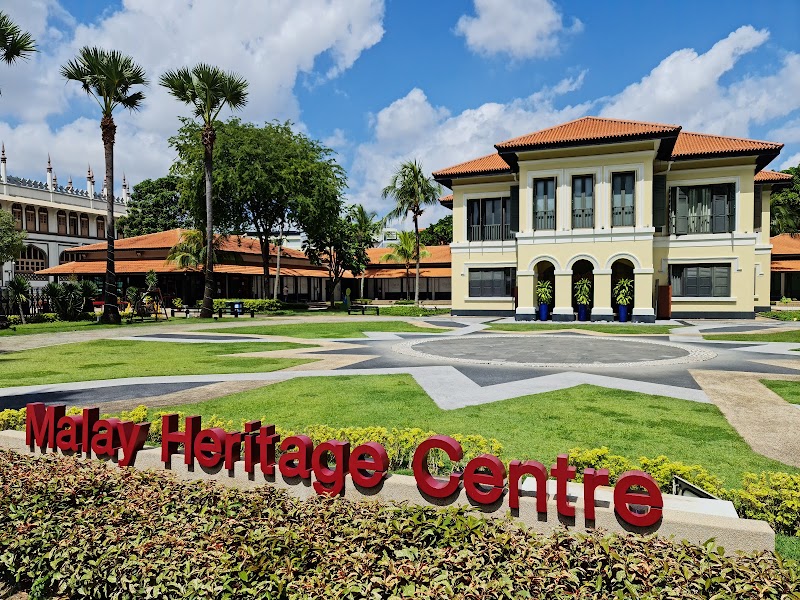
Singapore · Singapore
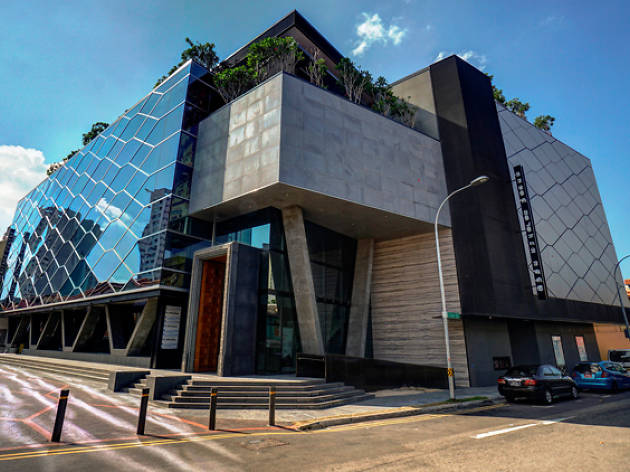
Malay Heritage Centre: Singapore’s Malay story
A compact museum in a former palace, praised for clear displays that place Malay culture, history and contributions within Singapore’s wider story.
Singapore · Singapore
Indian Heritage Centre: Little India’s cultural museum
A thoughtfully curated, multi-floor museum tracing the history and cultural contributions of Indian communities in Singapore and Southeast Asia.
Singapore · Singapore
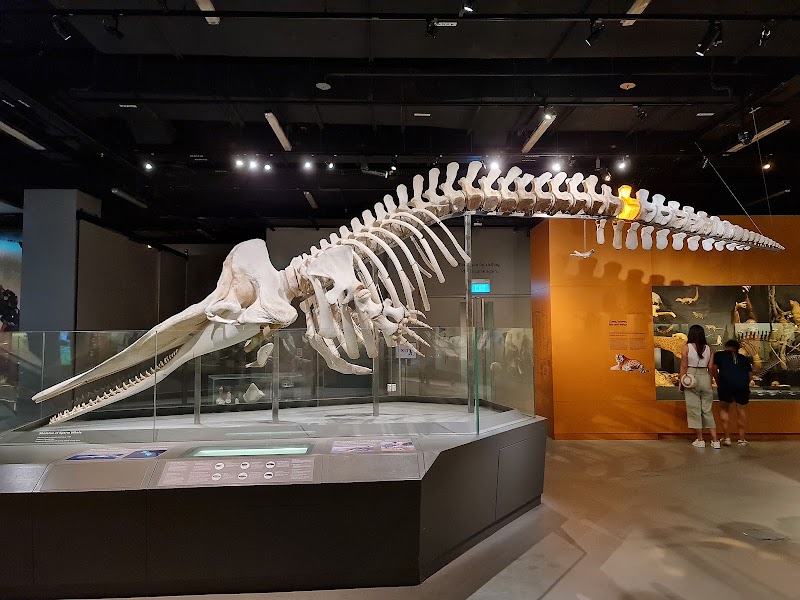
Lee Kong Chian Natural History Museum review
Real dinosaur fossils and Southeast Asian wildlife specimens make this NUS museum a strong choice for curious families and natural history fans.
Singapore · Singapore
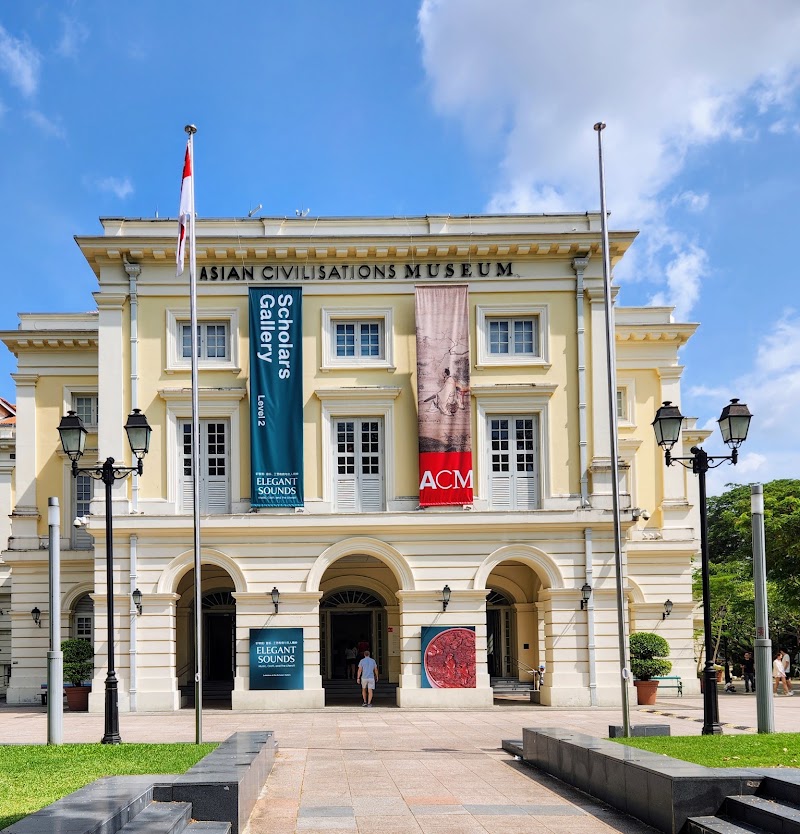
Asian Civilisations Museum: A Deep Survey of Asian Cultures
Extensive collections, thoughtful displays and occasional interactive exhibitions make this riverside museum worthy of a full afternoon.