Hawaiian Mission Houses: A Focused Look at Hawaii’s History
Public reviews value the site’s careful history, restored buildings, Hawaiian language context and small, well-regarded guided tours.
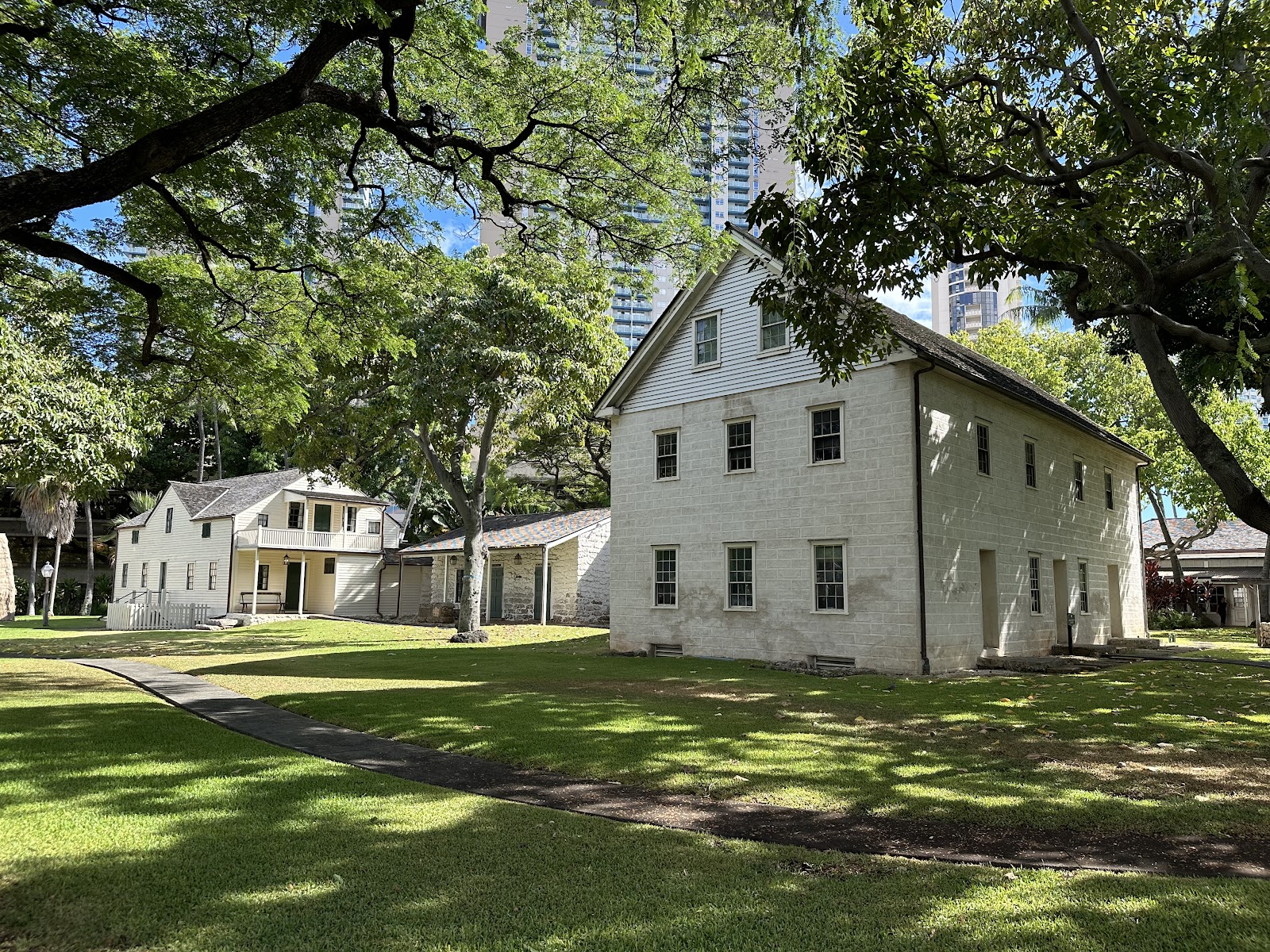
More photos
Photos published by travelers on Google, not AI generated.
What stands out
- Nuanced history of early missionaries
- Restored historic buildings
- Hawaiian language context
- Small guided tours
- Shop featuring local Hawaiian items
Worth knowing
- Closed on the Sunday reported by one reviewer
- Confirm tour and museum hours before visiting
- Yard access may not replace a full museum visit
Don't miss
What comes up most in public reviews
- Take the guided tour
- Ask about the Hawaiian language
- See the restored historic buildings
- Read the three interpretive signs
- Browse the local artists’ items in the gift shop
Worth the trip?
Why visit
Hawaiian Mission Houses Historic Site and Archives gives visitors a concentrated look at Hawaii’s history in Honolulu’s Historic Capital district. Public reviews describe it as a well-researched museum with a particular strength in explaining the early missionaries’ role and their impact on traditional Hawaiian culture. That framing matters. The site is not presented as a simple story of arrival and progress. Reviewers specifically value its nuanced interpretation.
The one-acre historic site preserves early Western-style buildings, including the 1821 house identified in the supplied visitor material as the oldest wooden building in Hawaii. Its prefabricated lumber was shipped from Boston, a detail that helps explain the unusual construction and the wider connections behind the site’s history.
The Google listing shows a 4.7 rating from 71 reviews. The sample is consistently enthusiastic, with visitors praising the setting, interpretation and staff.
Take the guided tour
A guided tour is the clearest recommendation in the reviews. One visitor described a small group tour with only one other participant and appreciated the chance to see extra artifacts being prepared for a special visit. Another called the tour well worth taking, especially for learning the history in greater depth.
The site also stands out for its treatment of the Hawaiian language. One review specifically mentions enjoying the opportunity to learn about it, suggesting that visitors interested in language and cultural change should ask the guide for more context. The available comments do not provide a full tour schedule, so visitors should confirm current times before setting out.
Buildings, signs and the shop
The restored historic buildings are a major part of the appeal. A reviewer who visited when the museum was closed could still enter the yard from the back gate and read three interpretive signs. That experience was more limited, but it still offered useful historical context and a view of the restoration.
The gift shop receives unusually strong praise. Public comments highlight Hawaiian items, local artists and staff described as knowledgeable, professional and kind. It suits visitors looking for a thoughtful souvenir connected to Hawaii rather than a generic keepsake. The site also includes archival and library functions, reinforcing its role as a place for historical research as well as casual sightseeing.
Planning the stop
This is best treated as a half-day cultural visit in downtown Honolulu. It works especially well for travellers who want historical context alongside the city’s better-known attractions, and for anyone interested in the complex effects of missionary activity on Hawaiian society.
Sunday planning needs care. One reviewer found the museum closed that day, although the yard remained accessible through a back gate. That access should not be assumed to replace an open visit, since the review gives no guarantee about current entry arrangements. A weekday visit during confirmed opening hours is the safer choice.
The strongest plan is simple: reserve time for the guided tour, examine the restored buildings and interpretive signs, ask about the Hawaiian language, then browse the shop. The result is a compact, serious and highly rated history stop rather than a quick photo opportunity.
Plan the rest of the trip
Ask anything
Looking for somewhere else?
Keep exploring around Honolulu
More from United States
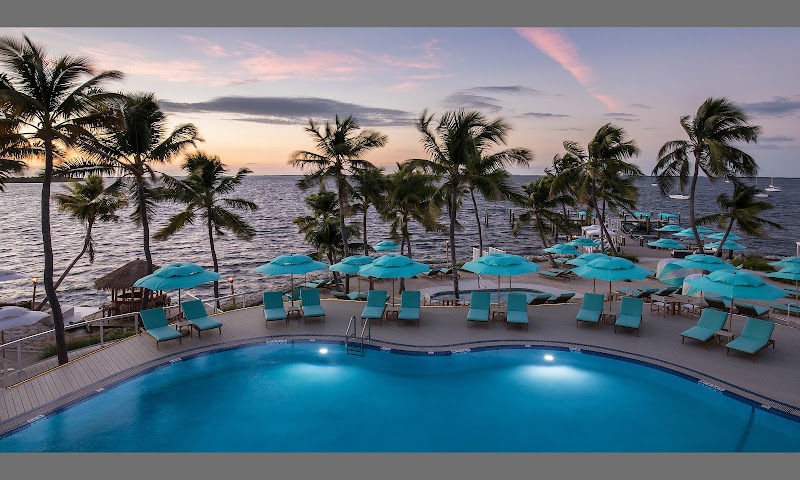
United States · Key Largo
Bungalows Key Largo: A Couples’ Waterfront Escape
Public reviews point to a polished adults-focused resort experience with comfortable bungalows, attentive touches and some uneven service.
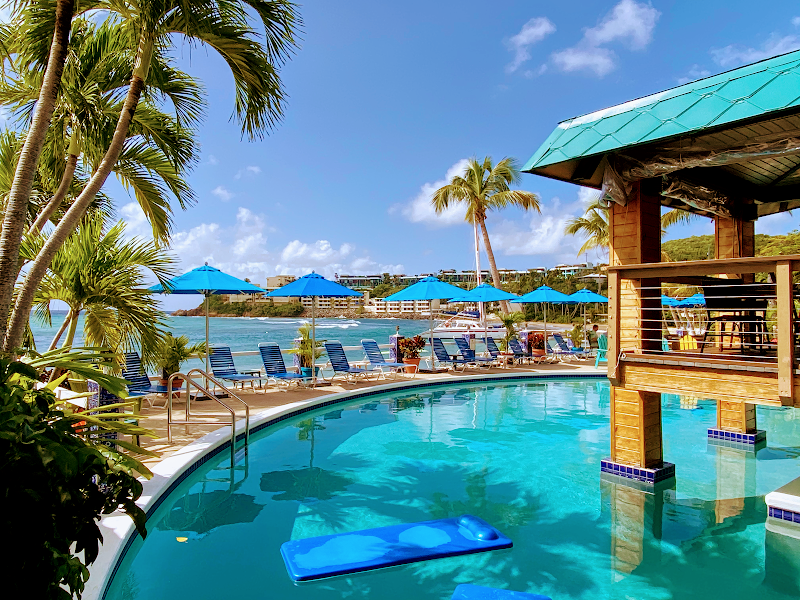
United States · Charlotte Amalie
Bolongo Bay Beach Resort: Easygoing Beach Time in Charlotte Amalie
Public reviews praise the friendly service, waterfront setting and relaxed atmosphere, while noting dated rooms and a rocky beach surface.
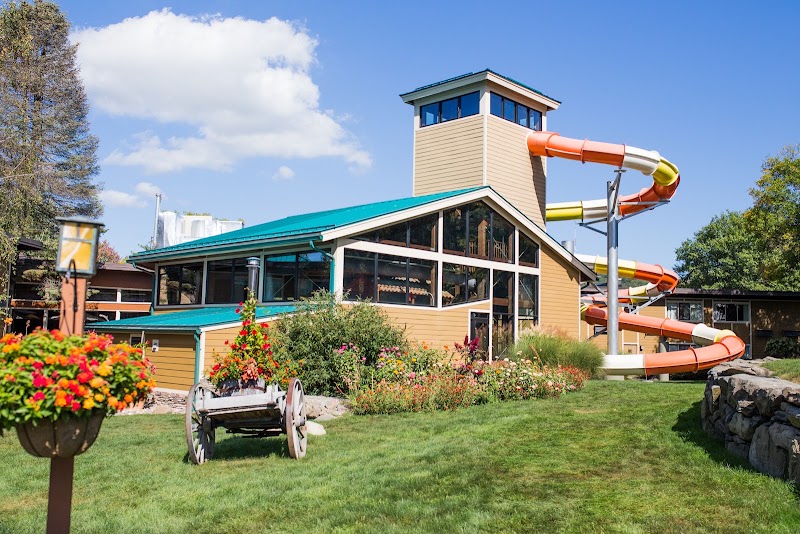
United States · Highland
Rocking Horse Ranch Resort: A Full-On Family Escape
Public reviews describe a highly active family resort where water attractions, outdoor recreation and accommodating staff keep children busy from morning to night.
United States · Sedona
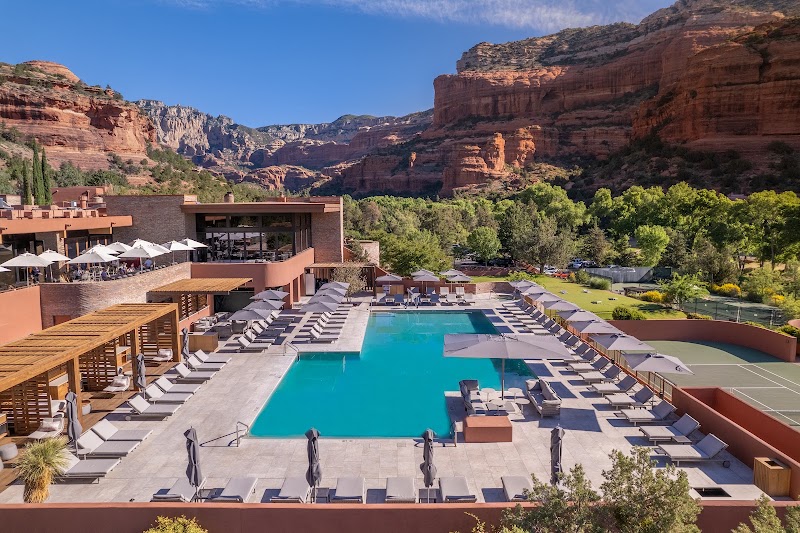
Enchantment Resort: Red Rocks, Trails and Uneven Value
Enchantment Resort delivers exceptional Boynton Canyon scenery and convenient hiking, though public reviews report inconsistent rooms, service and value.