Hallstatt World Heritage Museum: History Beyond the Lake
A compact local museum tracing Hallstatt’s salt-mining past, community life and traditions, though limited English and steep stairs affect the experience.
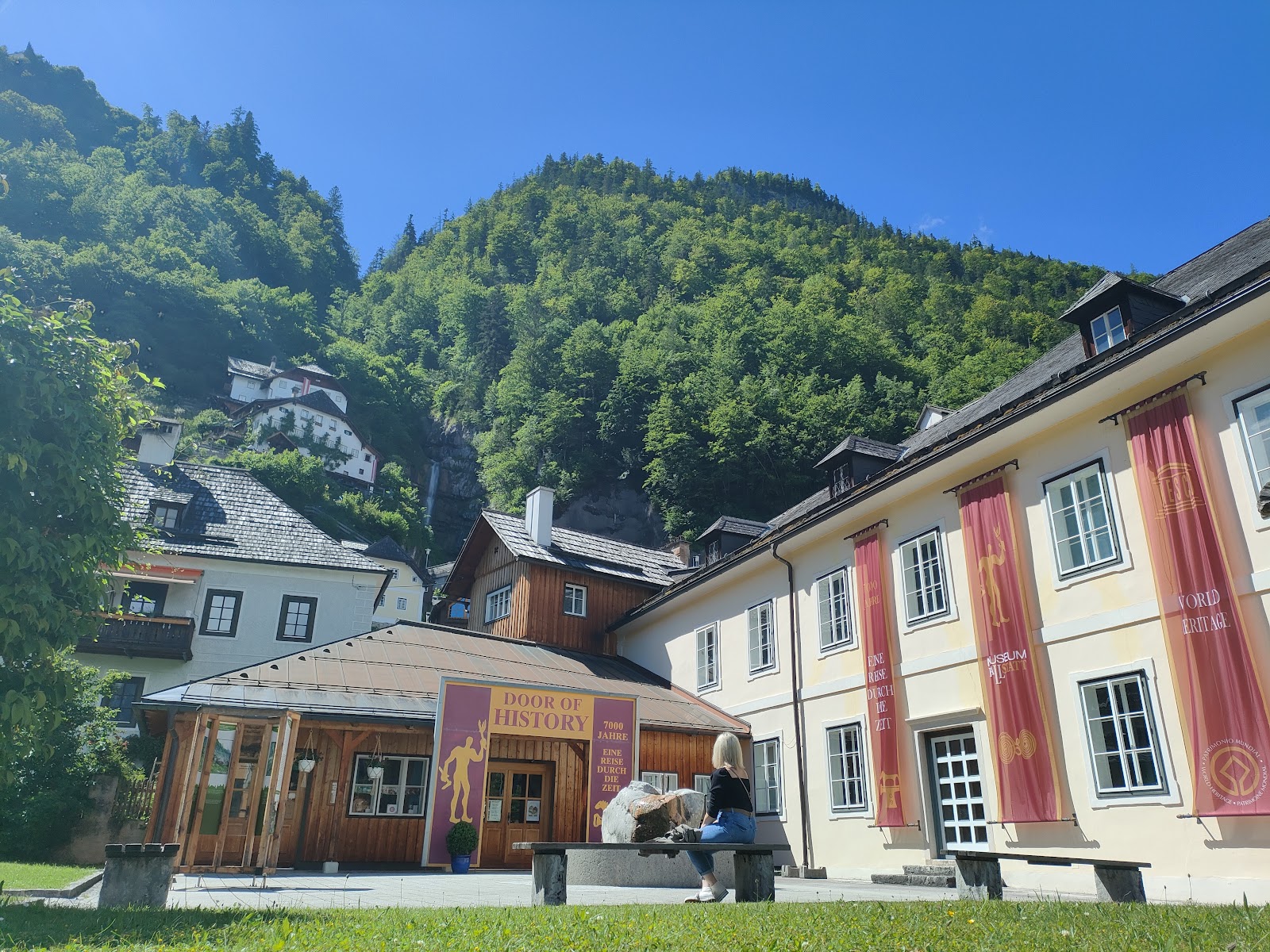
More photos
Photos published by travelers on Google, not AI generated.
What stands out
- Hallstatt’s salt-mining history
- Chronological local history displays
- Costumes and religious traditions
- Medical history exhibits
- Videos supporting the displays
Worth knowing
- Many displays lack full English translation
- Stairs limit wheelchair and mobility access
- Less suitable for a rushed visit
Don't miss
What comes up most in public reviews
- Salt-mining exhibits
- The account of the destructive landslide
- Traditional costumes
- Displays on local medical history
- Exhibits on religious traditions
Worth the trip?
What the reviews suggest
Hallstatt World Heritage Museum holds a Google rating of 4.5 from 397 reviews. Public feedback describes a museum that is more substantial than its small-village setting might suggest, with a chronological account of Hallstatt’s development and the forces that shaped the community.
The strongest reviews come from travellers who want context rather than another scenic viewpoint. Exhibits cover local life across different periods, with particular attention paid to salt mining and its influence on the settlement. Reviewers also mention costumes, medical history, religious traditions and a destructive landslide. Taken together, these displays present Hallstatt as a working community with a long and sometimes difficult history, rather than simply a picturesque lakeside stop.
Exhibits and interpretation
The collection is generally described as logically structured and well organised. Videos help explain parts of the story, and several reviewers left feeling that they better understood Hallstatt after visiting. That makes the museum particularly relevant for history-minded travellers or anyone planning to explore the area’s salt-mining heritage.
Language provision is the main recurring weakness. One review reports that most written material is in German, supported by a single-page guide in other languages. Videos appear to offer more English-language interpretation, although the coverage is not fully consistent. Visitors who do not read German may therefore understand the broad narrative while missing detail from individual displays.
This limitation matters most for travellers with very little time. One reviewer considered the museum worthwhile only when the schedule allowed, rather than essential during a short visit. Those staying longer, or seeking relief from poor weather, are more likely to appreciate its measured pace and detailed local focus.
Access and practical considerations
The building’s stairs are a significant concern. Public feedback indicates that the museum is not wheelchair accessible and may be uncomfortable for visitors with knee problems or limited mobility. Anyone affected should check current access arrangements directly before visiting.
A rainy day prompted at least one visit, and the indoor setting makes practical sense when lake views and outdoor walks are less appealing. Winter can also mean a quieter overall experience in Hallstatt. A January visitor reported far fewer people in the town than during the summer, although that observation relates to Hallstatt generally rather than museum crowd levels specifically.
Editorial verdict
This is a useful addition to a Hallstatt itinerary when understanding the place matters as much as photographing it. Its account of salt mining, domestic life, local customs and community disasters gives the village greater depth. Organisation and subject range receive clear praise, while incomplete English translation and difficult stair access are the principal drawbacks.
Travellers on a rushed visit may prefer to prioritise Hallstatt’s outdoor sights. Those with more time, a strong interest in local history or a wet-weather gap in the schedule are likely to find the museum rewarding.
Plan the rest of the trip
Ask anything
Looking for somewhere else?
Keep exploring around Hallstatt
More from Austria

Austria · Leogang
Hotel Krallerhof: A Wellness Retreat in Leogang
Hotel Krallerhof pairs Austrian mountain scenery with a large spa, pool and lake area, attentive service and strong dining reviews.
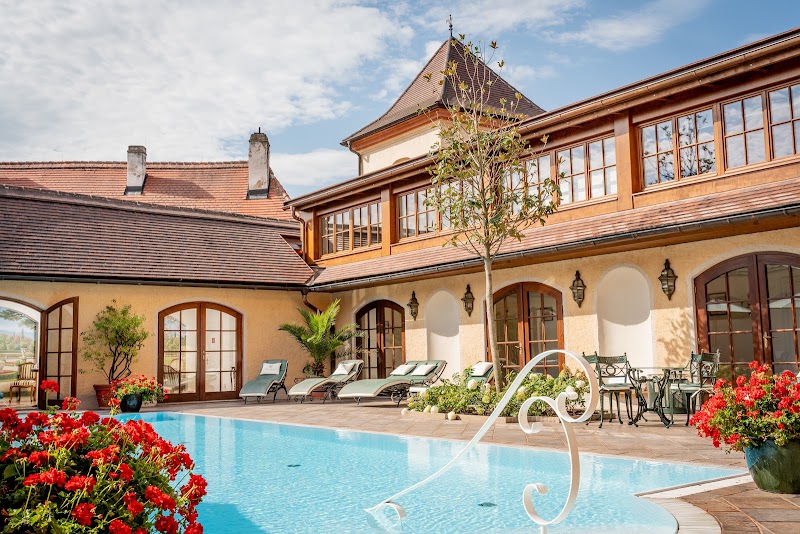
Austria · Dürnstein
Hotel Schloss Dürnstein: A Danube Stay with Old-World Drama
Public reviews praise the castle setting, polished rooms, wellness facilities and food, while slower service and paid tap water draw criticism.
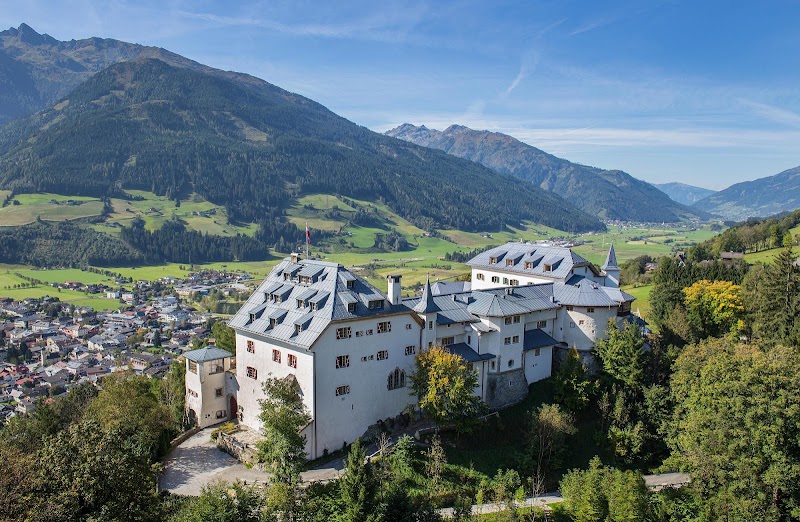
Austria · Mittersill
Hotel Schloss Mittersill: A Historic Castle Stay in Austria
Public reviews praise this atmospheric castle hotel’s history, food and gracious service, with one clear warning about hot summer nights.
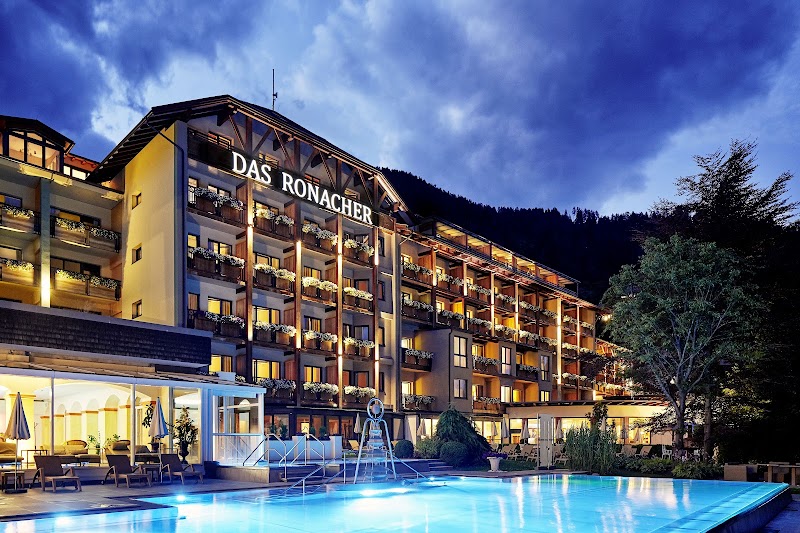
Austria · Bach
Das Ronacher, A Peaceful Thermal Spa Retreat in Bach
Public reviews point to a quiet, wellness-focused hotel with an impressive spa, strong food and some service details that still need attention.