Santa Ana: evocative mission ruins reclaimed by nature
Santa Ana rewards travellers with substantial ruins, a preserved community garden area and a quieter atmosphere than nearby San Ignacio Miní.
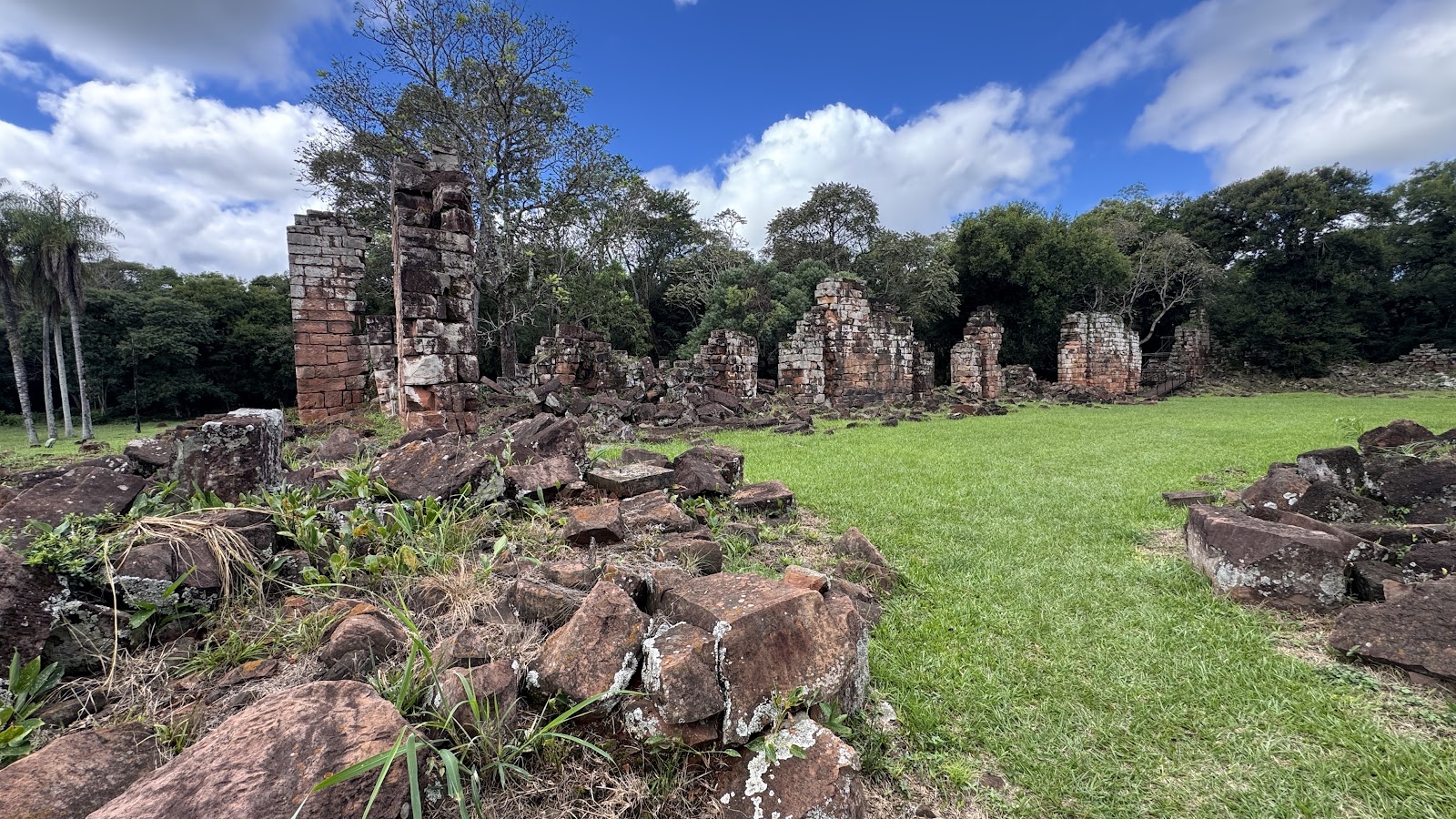
More photos

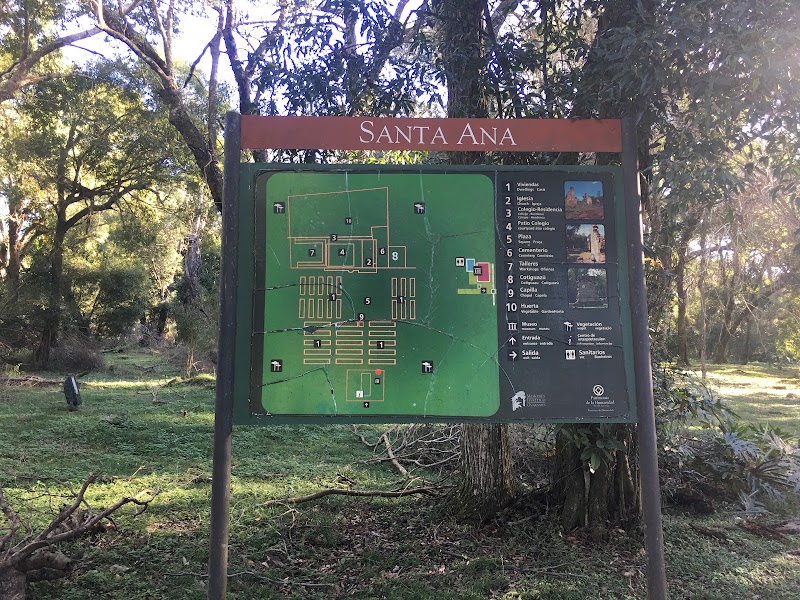
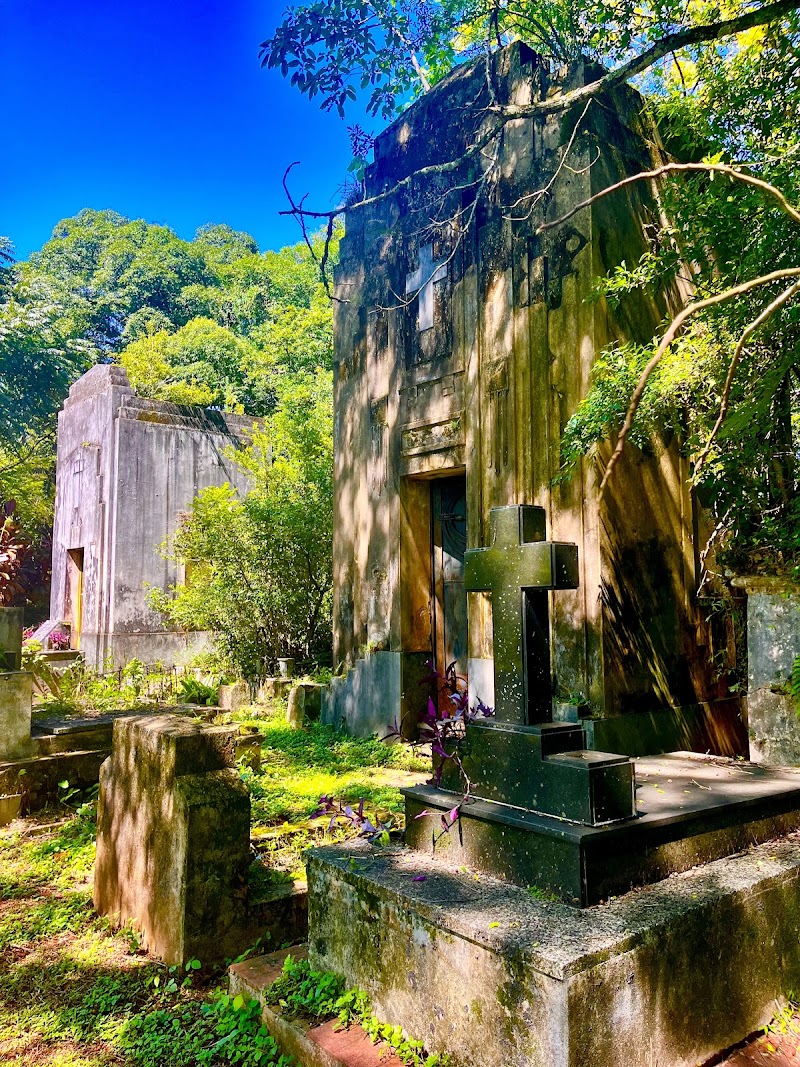
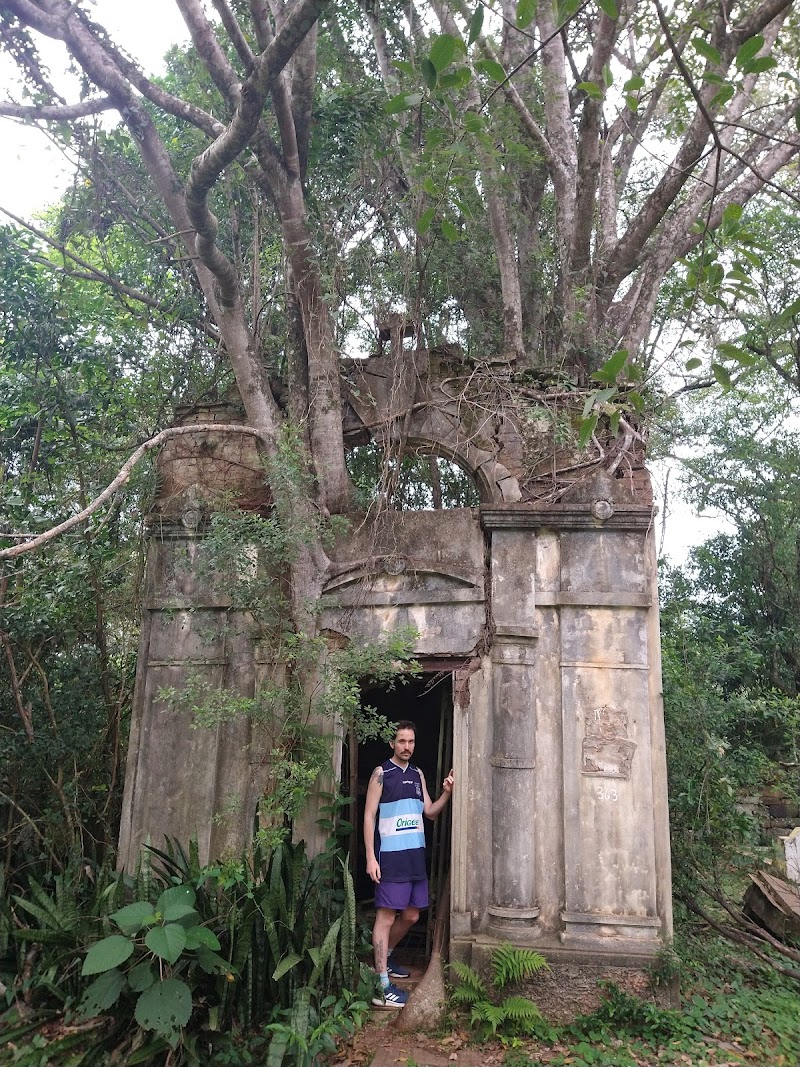

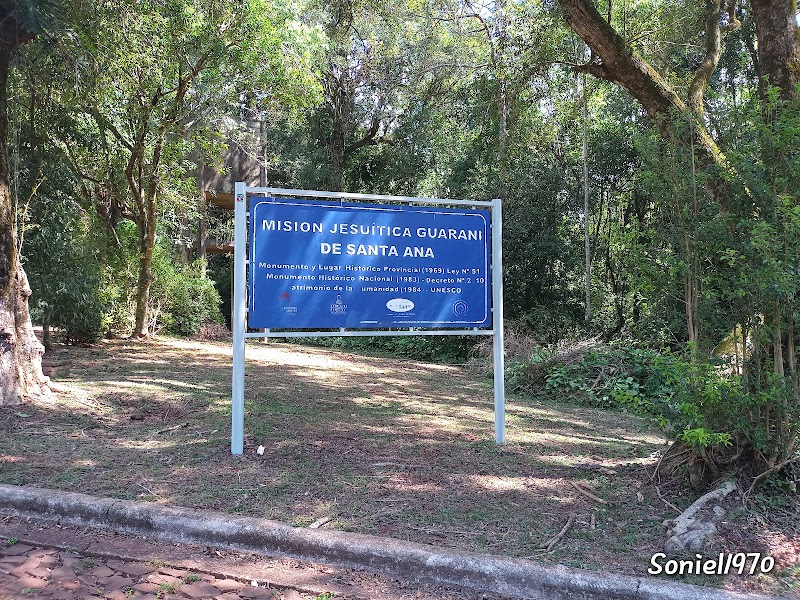
Photos published by travelers on Google, not AI generated.
What stands out
- Large standing mission structures
- Better-preserved community garden area
- Ruins reclaimed by vegetation
- Quiet, atmospheric surroundings
- Knowledgeable guidance reported
Worth knowing
- Less reconstructed than San Ignacio Miní
- English-language guidance may vary
- Confirm current multi-mission ticket terms
Don't miss
What comes up most in public reviews
- Walk through the community garden area
- Study the large standing structures
- Ask about English or Spanish guidance
- Compare the site with San Ignacio Miní
Worth the trip?
Why Santa Ana stands out
The Guarani Jesuit mission of Santa Ana is less reconstructed than the better-known San Ignacio Miní, but public feedback suggests that this is central to its appeal. The site’s substantial standing remains are interwoven with tropical vegetation, creating a strong sense of a once-thriving religious complex gradually being reclaimed by nature.
With a Google rating of 4.6 from 796 reviews, Santa Ana receives consistent praise for its atmosphere, historical interest and natural setting. Travellers who have explored other ruins across the Americas describe the missions of Misiones as distinctive, particularly for the way Catholic structures sit within a lush landscape. Several responses focus less on polished presentation and more on the depth and mood of the place.
What visitors can expect
Santa Ana is not the mission to choose for extensive reconstruction. Reviews instead point to large standing structures and architectural remains that encourage visitors to imagine the scale of the former settlement. Those expecting something as complete or immediately legible as San Ignacio Miní may initially find it less developed, though many travellers consider the resulting experience more evocative.
A better-preserved community garden area is repeatedly identified as an element that distinguishes Santa Ana from San Ignacio. It helps broaden the visit beyond the main religious ruins and offers a clearer impression of how the wider community may have been organised.
Nature is another defining feature. Vegetation surrounds and overlaps the masonry, softening the ruins without erasing their scale. Reviewers frequently connect this relationship between built history and the landscape with Santa Ana’s beauty and atmosphere.
Crowds, guidance and practical planning
At least one visitor reported sharing the site with only one other traveller, suggesting that Santa Ana can feel notably peaceful. That should not be treated as a guarantee, but the reviews support its reputation as a quieter alternative to the region’s more prominent mission sites.
Staff and guiding also receive positive mentions. One reviewer praised a helpful and friendly host, while another described a knowledgeable guide who spoke both English and Spanish. Language availability may vary, so travellers who want an English-language explanation should ask when they arrive rather than assume it will always be offered.
A review also notes that the admission ticket covered multiple missions within a 15-day period. Visitors planning a wider circuit should confirm the current terms locally, then allow enough time to compare Santa Ana with San Ignacio Miní and the other nearby sites.
Editorial verdict
Santa Ana is best suited to travellers who value atmosphere, visible traces of history and a close relationship between ruins and landscape. It may not satisfy those seeking a fully reconstructed complex or highly polished interpretation. For visitors willing to look carefully, however, the standing structures, community garden remains and relative tranquillity create a memorable stop on a broader Misiones itinerary.
The strongest approach is to avoid rushing. Time spent walking beyond the most obvious structures allows the site’s scale and natural setting to emerge. Combined with other regional missions, Santa Ana adds contrast rather than repetition.
Ask anything
Looking for somewhere else?
Keep exploring
More from Argentina
Argentina
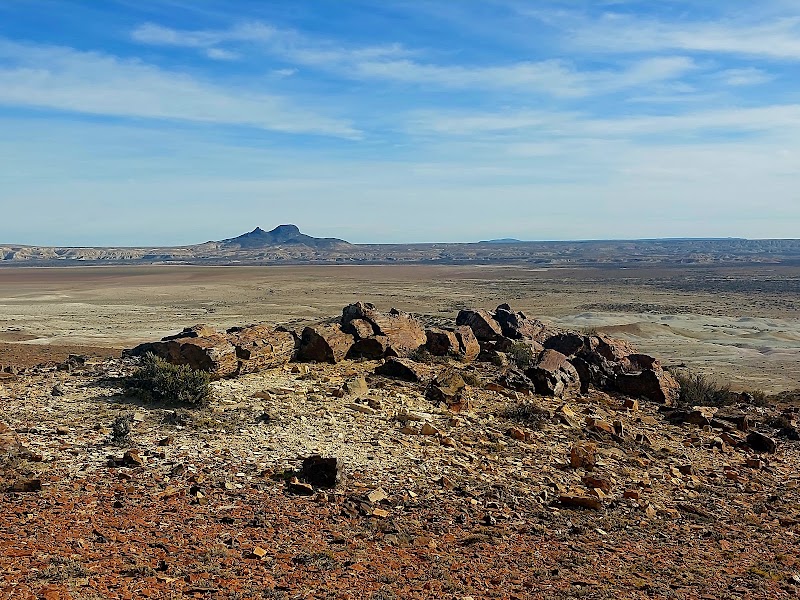
Petrified forests and big scenery off Argentina’s Route 3
A remote national park where vast landscapes, petrified trees and knowledgeable rangers reward the long gravel-road diversion.
Argentina
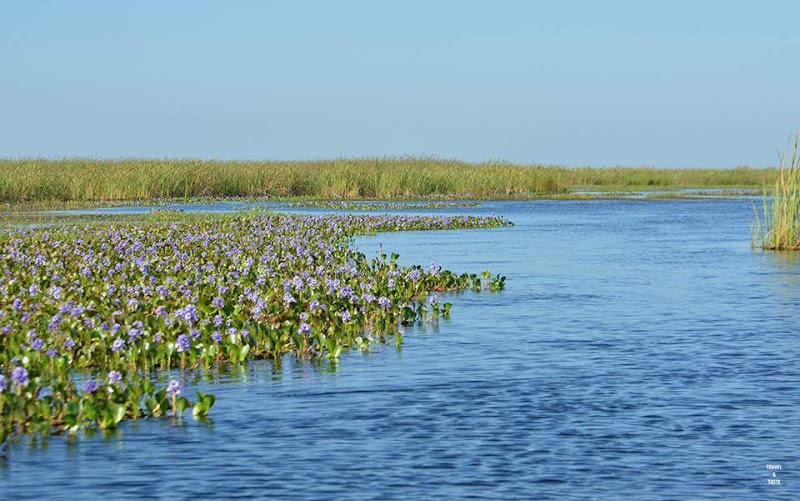
Iberá Wetlands: Peaceful Wildlife Encounters in Argentina
Travellers praise Iberá Wetlands for abundant birdlife, capybaras and other wildlife in an unusually calm natural setting.
Argentina
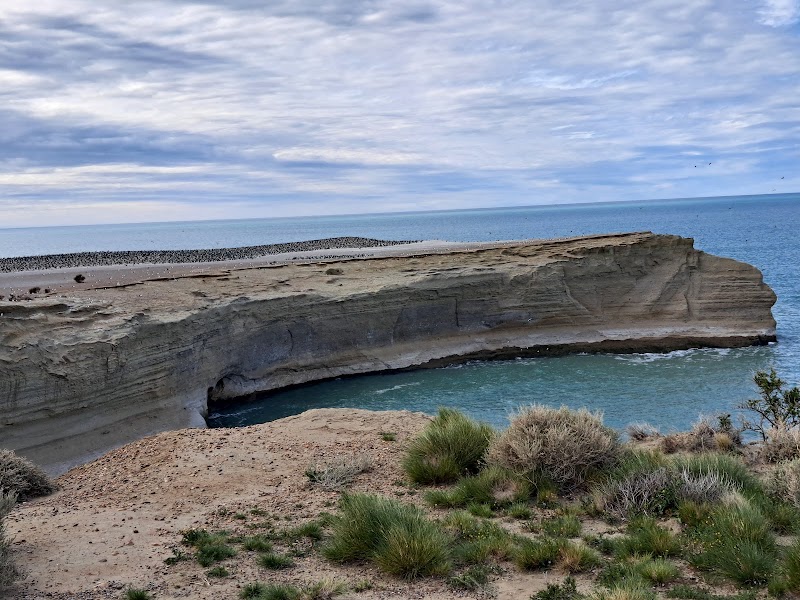
Parque Nacional Monte León: Wild Patagonian Coast
A remote Santa Cruz park where gravel-road access leads to windswept coastline, open steppe and possible guanaco and penguin sightings.
Argentina · Jesus María
Jesuit history and striking chapel acoustics in Jesús María
This national museum pairs Córdoba’s Jesuit history with sacred objects, archaeological finds and a chapel praised for its remarkable acoustics.