Mahabalipuram’s Monumental Granite Legacy
Rock-cut temples, monolithic shrines and coastal scenery reward unhurried exploration across Mahabalipuram’s three monument clusters.
More photos

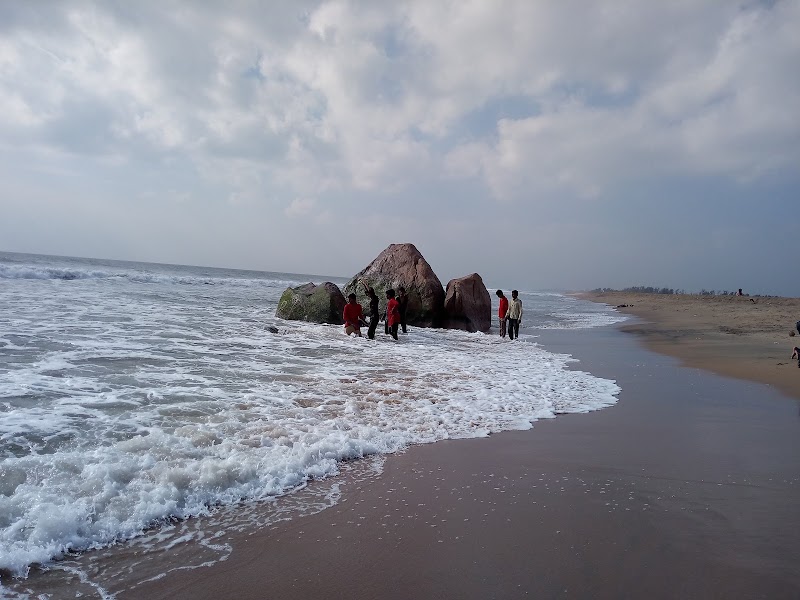

Photos published by travelers on Google, not AI generated.
What stands out
- Three distinct monument clusters
- Intricate granite carvings and caves
- Monolithic Pancha Rathas
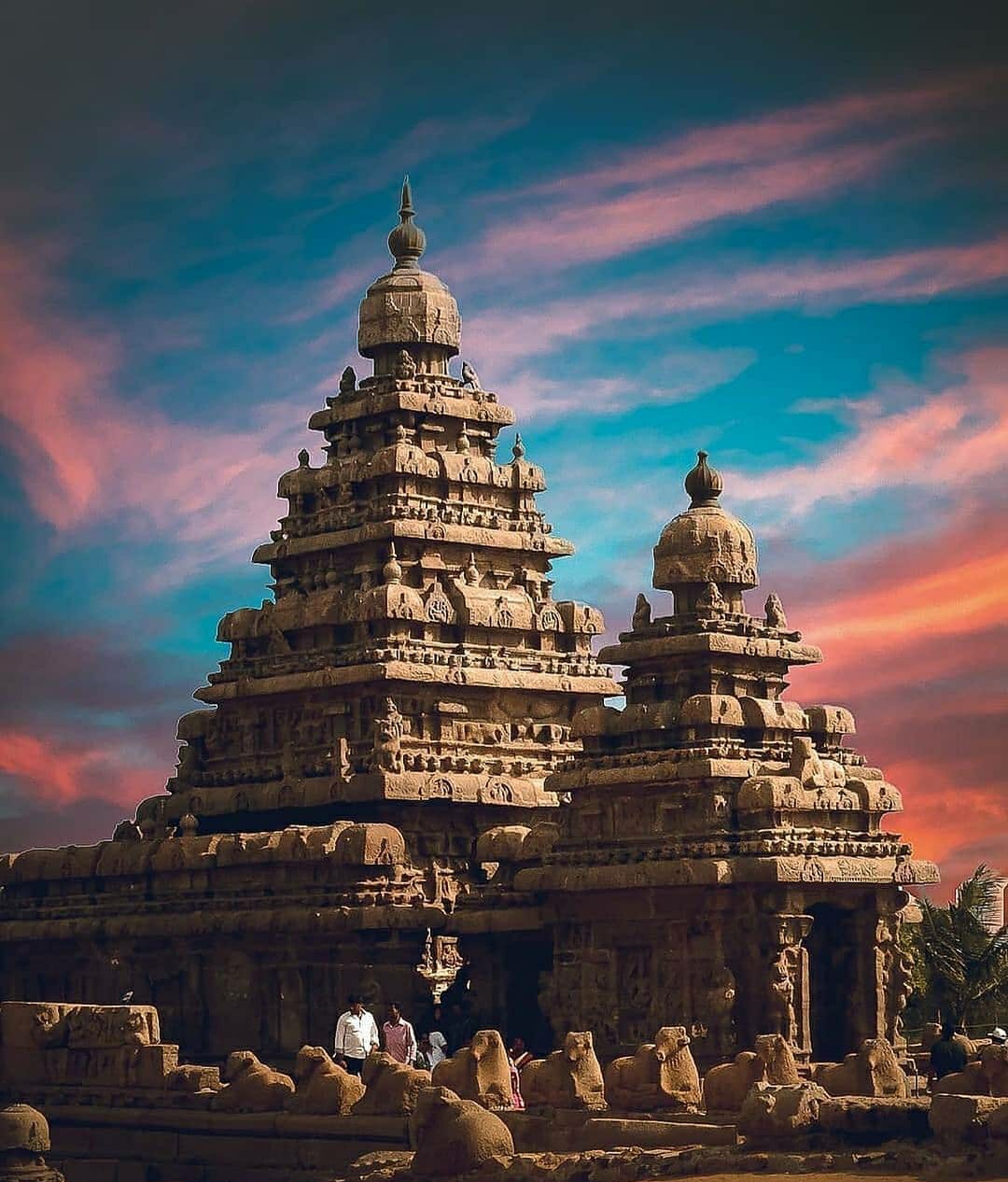
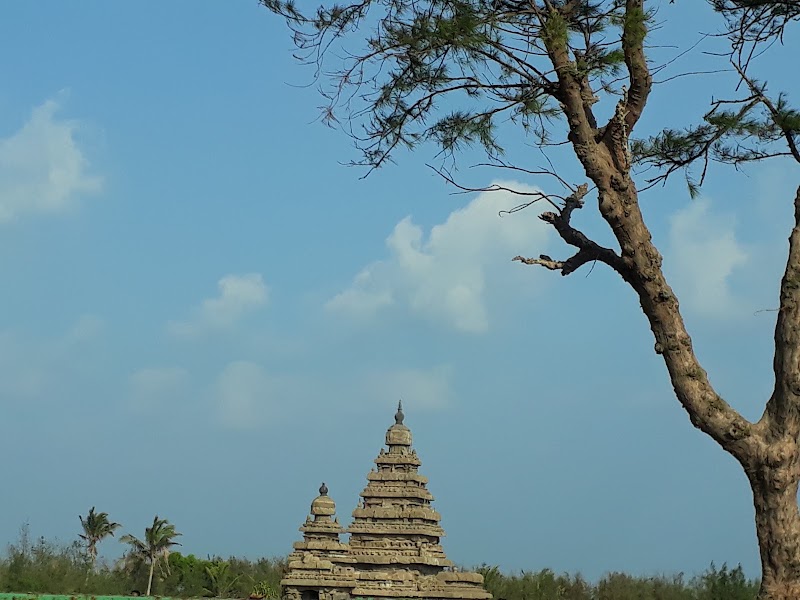
- Coastal Shore Temple
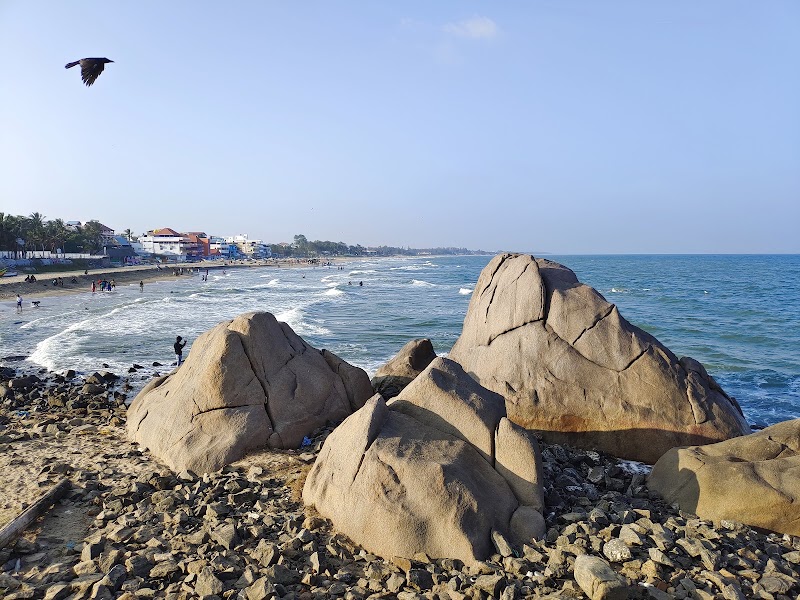
- Rounded rock outcrops
Worth knowing
- Strong heat and exposed walking areas
- Clusters are roughly 1–2 km apart
- Toilets and cooling areas need improvement
Don't miss
What comes up most in public reviews
- Shore Temple
- Pancha Rathas
- Dharmaraja Ratha
- Rock-cut caves and carvings
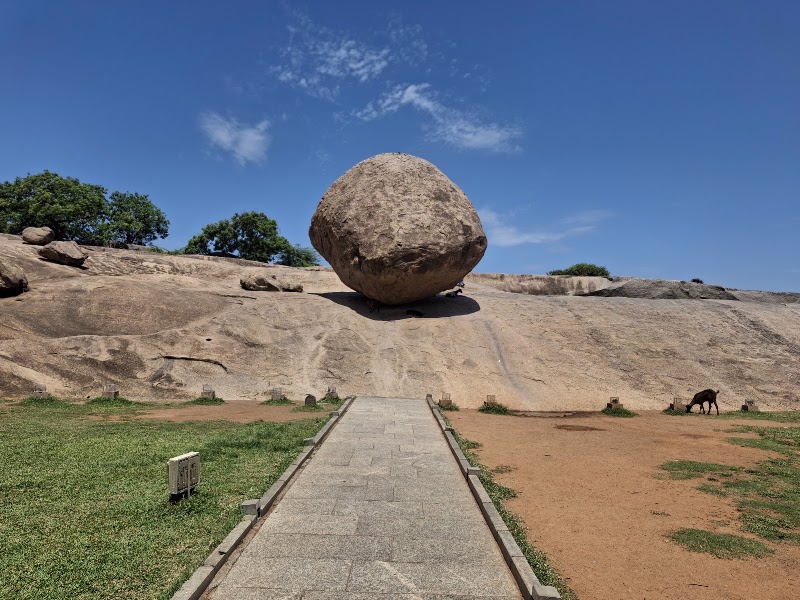
- The precariously balanced boulder
Worth the trip?
What public reviews reveal
With a Google rating of 4.6 from 7940 reviews, the Group of Monuments at Mahabalipuram earns consistent praise for its ancient craftsmanship, architectural variety and coastal setting. Reviewers repeatedly describe the carvings, caves and rock-cut temples as spectacular, particularly for travellers interested in history and architecture.
This is not a single compact monument. Public reviews describe three main clusters spread roughly 1–2 km apart, including the Shore Temple, the Five Rathas and a larger complex of carvings and caves. Covering them properly involves more walking than the name “group” might initially suggest. Visitors who take a slower approach appear to get the most from the details in the granite surfaces and the differences between individual structures.
The standout sights
The Pancha Rathas, also called the Five Rathas, are among the clearest highlights. Each monolithic structure was carved from a single rock, and reviewers appreciate how the five forms differ rather than repeating one design. The taller Dharmaraja Ratha receives specific praise, while the simpler neighbouring forms help show the range of the sculptors’ ideas.
The Shore Temple supplies a contrasting experience beside the coast. Along with the rock-cut caves, sculpted outcrops and intricate relief work elsewhere in the monument group, it helps make the visit feel like a survey of several architectural approaches rather than a single temple stop.
Another recurring point of interest is the famous precariously balanced boulder. The surrounding low, rounded granite hills are part of the site’s character, with carvings and caves distributed through a landscape of sun-baked rock. Reviews suggest that lingering over these details is more rewarding than rushing between headline attractions.
Planning the visit
Heat is the most consistent practical warning. Reviewers recommend carrying ample drinking water and an umbrella, describing the South Indian sun as unforgiving. Cooler hours are therefore the sensible choice, especially for anyone intending to walk between all three clusters.
Comfortable footwear is equally important. The separation between the principal areas means the full experience requires both time and stamina, while exposed rock and limited opportunities to cool off can make the outing tiring. A half-day allows a useful overview, though an unhurried visit may take longer when carvings, caves and individual rathas are examined closely.
Facilities and overall verdict
The monuments themselves attract strong approval, but some public feedback is much less positive about visitor facilities. Toilets and cooling-off areas are specifically identified as needing improvement, with reviewers arguing that the supporting infrastructure falls short of expectations for a UNESCO World Heritage site.
Even with those limitations, the overall pattern is emphatically favourable. Travellers coming from Chennai describe Mahabalipuram as worth the effort, while history and architecture enthusiasts respond most strongly to the scale, detail and diversity of the stonework. The best visit is a prepared one: plenty of water, protection from the sun and enough time to explore each cluster without hurrying.
Ask anything
Looking for somewhere else?
Keep exploring around Mahabalipuram
More from India
India · Bokopukhuri Habi
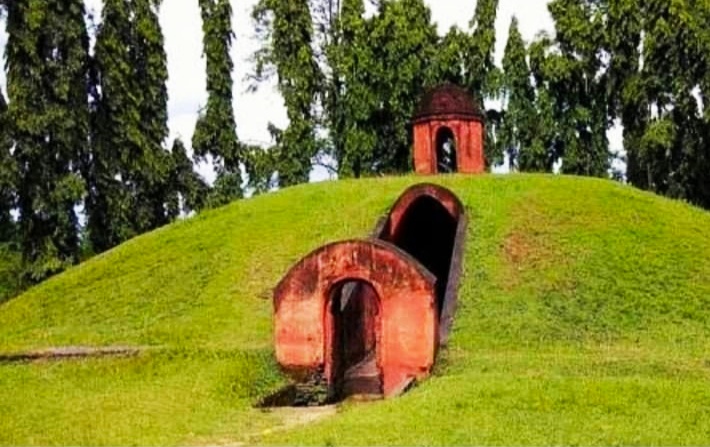
Charaideo Maidam: Assam’s Royal Burial Landscape
Ahom royal burial mounds, peaceful grounds and deep historical significance make this a compelling half-day landmark in Assam.
India · Verul
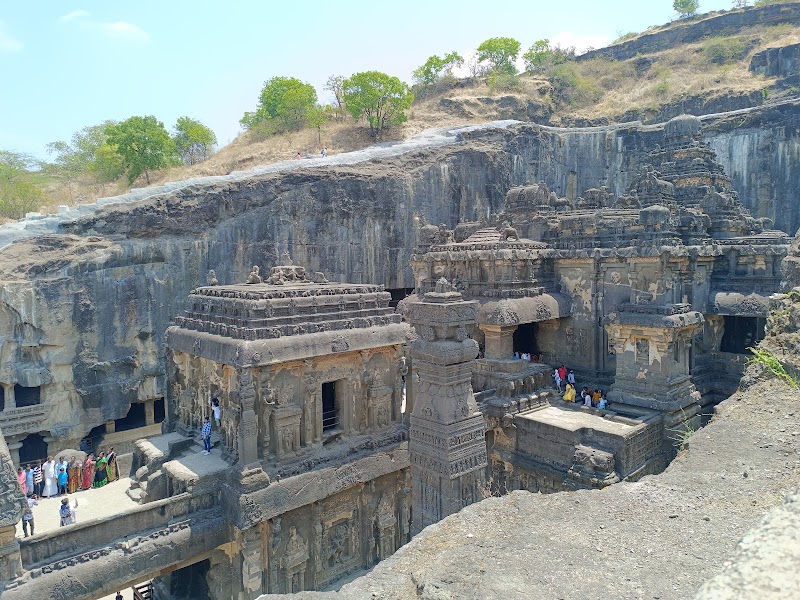
Ellora Caves: Monumental Art Carved Into Basalt
Ellora’s 34 rock-cut monuments unite Buddhist, Hindu and Jain traditions, with the vast Kailasa Temple dominating visitor impressions.

India · New Delhi
Qutb Minar: Monumental Architecture Beyond the Tower
Delhi’s soaring minaret anchors a well-kept heritage complex filled with intricate carvings, lawns and evocative medieval ruins.
India · Agra
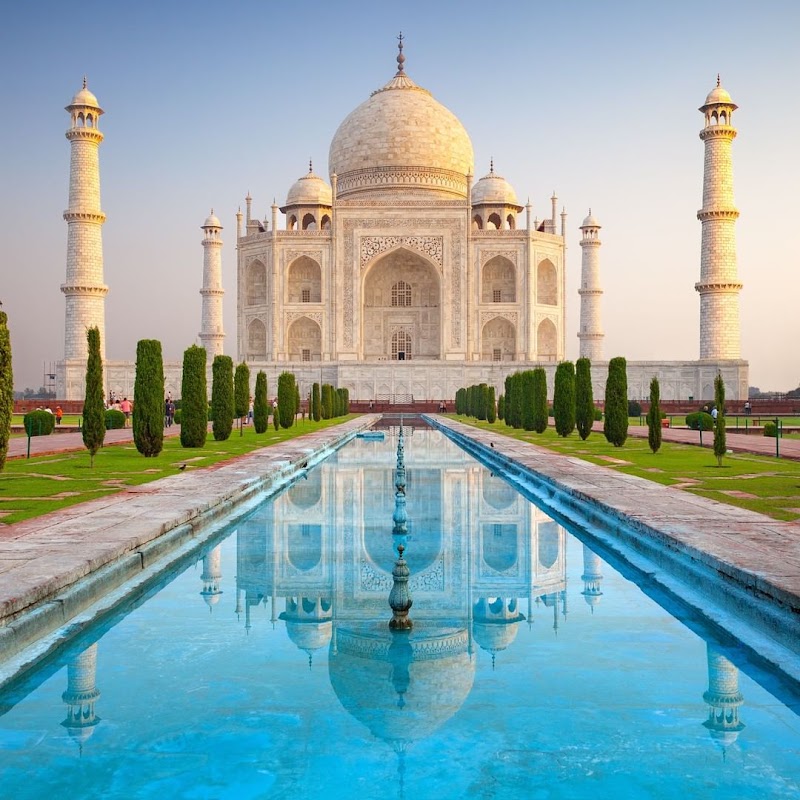
Taj Mahal review: Agra’s defining monument
Agra’s white-marble mausoleum pairs immense historical significance with one of the strongest public rating signals in Indian tourism.