Hampi’s Monumental Landscape Rewards Slow Exploration
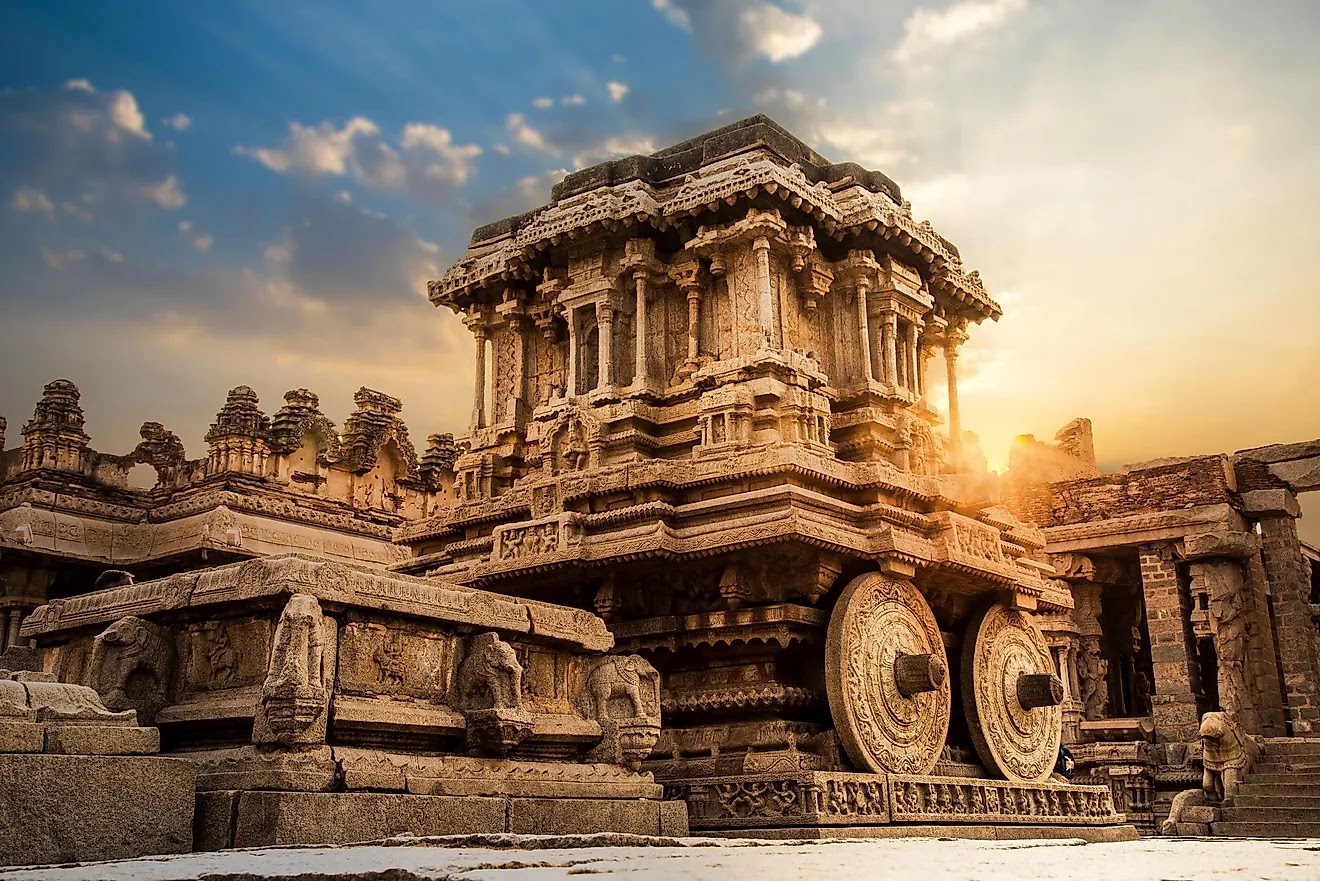
Temple towers, carved stone and royal ruins make Hampi a compelling destination for travellers drawn to history, architecture and dramatic landscapes.
More photos
Photos published by travelers on Google, not AI generated.
What stands out
- Vijayanagara-era architecture
- Intricate stone carvings and sculptures
- Monuments amid natural scenery
- Atmospheric ruins beside the Tungabhadra
Worth knowing
- The extensive site can require considerable walking
- Seeing several monuments on foot takes stamina
Don't miss
What comes up most in public reviews
- Virupaksha Temple and its carved gopuram
- Lotus Mahal
- Elephant Stables
- A walking or trekking-based exploration
Worth the trip?
A heritage landscape on a grand scale
Public feedback presents the Group of Monuments at Hampi as far more than a single landmark. With a Google rating of 4.7 from 5844 reviews, it is praised as an expansive historical landscape where temples, royal structures and sculptures evoke the Vijayanagara Empire. Reviewers repeatedly describe a sense of stepping back in time, helped by the concentration of ruins and the visual drama of the surrounding terrain.
Architecture is the strongest recurring theme. Travellers highlight intricate stone carvings, preserved sculptures and monumental structures, but they also respond to the overall atmosphere. The site feels immersive rather than confined to a conventional museum setting. For visitors already interested in Indian history or historic building techniques, the breadth of remains is a major part of the appeal.
The monuments reviewers remember
Virupaksha Temple receives the most specific attention in the available reviews. Its tall gopuram and detailed carving make it a natural focal point, while its active religious character contributes to the sense that Hampi remains connected to local traditions rather than existing solely as an archaeological site.
Lotus Mahal and the Elephant Stables are also repeatedly named among the essential stops. Together, the three landmarks provide a useful cross-section of Hampi’s appeal: sacred architecture, refined royal design and substantial ceremonial or functional structures. Reviews suggest that the experience becomes richer when these headline sites are considered as parts of a much larger historical setting.
The carvings deserve time rather than a hurried glance. Several reviewers focus on sculptural detail and architectural craftsmanship, indicating that close observation is as rewarding as taking in the wider silhouettes of temples and ruins.
History framed by nature
Hampi’s setting along the Tungabhadra is central to its character in public feedback. Reviewers value the combination of monuments and natural scenery, describing an atmosphere of calm and spectacle around the ruins. This fusion distinguishes Hampi from a compact urban attraction. The monuments appear as part of a broad landscape, and moving between them becomes part of the visit.
Walking or trekking is specifically recommended by one reviewer as the more rewarding way to explore. Autos are available for getting around, but travelling entirely by vehicle may reduce the sense of discovery. Covering the area on foot requires more stamina and time, especially for anyone aiming to see several major structures in one outing.
Editorial verdict
Synthesised reviews make a strong case for allowing a full day rather than treating Hampi as a quick stop. Virupaksha Temple, Lotus Mahal and the Elephant Stables form the core checklist, while the stone carvings and riverside landscape provide the texture between them.
The strongest audience is clear: travellers with a serious interest in history, architecture, sculpture and heritage landscapes. Those prepared to walk and look closely are likely to gain the most. Hampi’s impact comes not from one isolated monument, but from the cumulative experience of ruins, religious traditions and nature occupying the same remarkable setting.
Plan the rest of the trip
Ask anything
Looking for somewhere else?
Keep exploring around Hampi
More from India
India · New Delhi
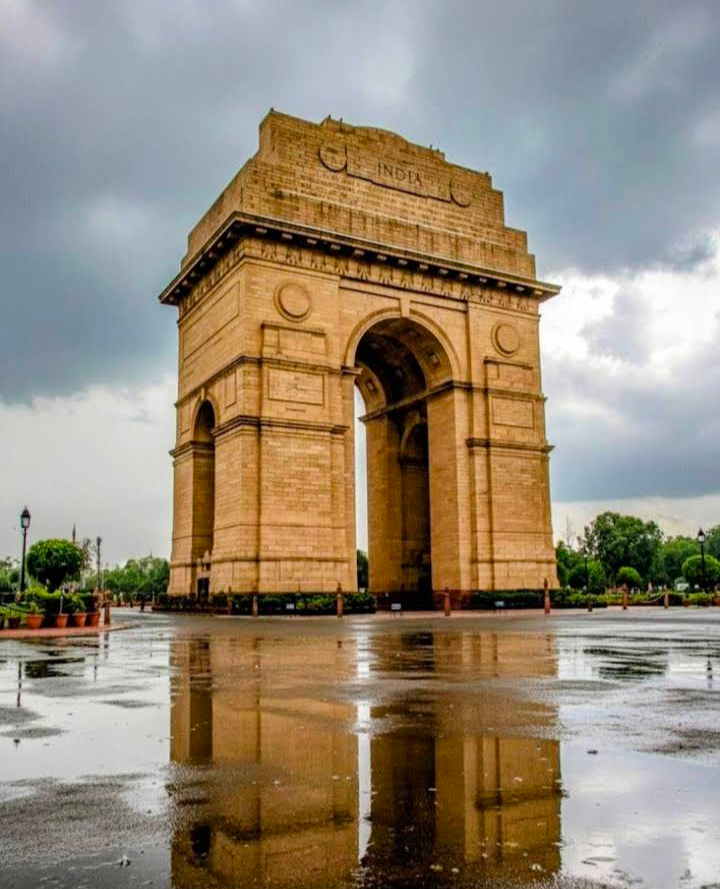
India Gate, New Delhi’s Evening Landmark
Public reviews describe India Gate as a moving war memorial with illuminated evenings, broad lawns and an easygoing setting for walks and visits.

India · Mysuru
Mysuru Palace: Royal Grandeur in the Heart of Mysuru
Mysuru Palace earns strong public praise for its architecture, paintings and royal interiors, though queues can affect the visit.
India · Mumbai
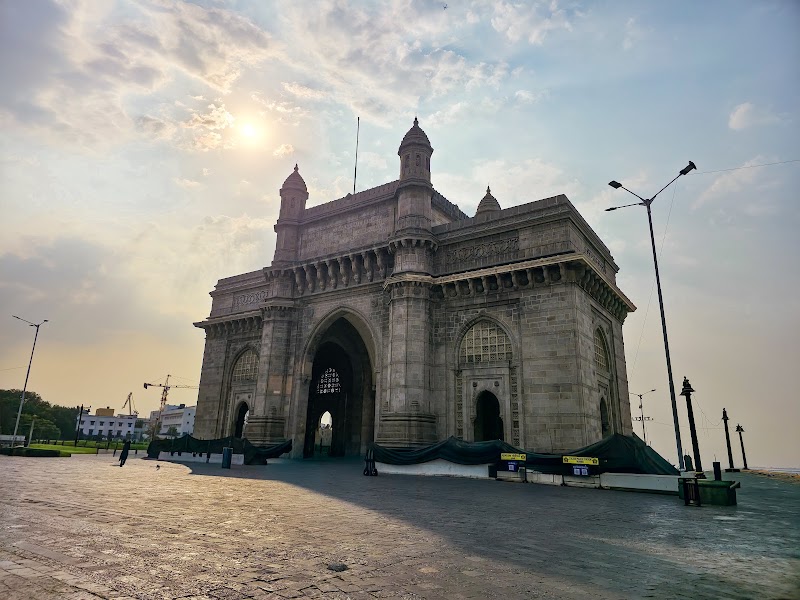
Gateway of India: Mumbai’s Landmark by the Arabian Sea
A historic waterfront monument with striking architecture, lively surroundings and strong sunset appeal, though crowds can shape the experience.

India · Garhpuri
Bandhavgarh National Park: Tigers, Forest and Patient Safaris
Public reviews describe Bandhavgarh National Park as a rewarding wildlife destination, with tiger sightings, forest scenery and the chance to see Shesh Shaiya.