Great Temple, Petra’s Monumental Urban Ruin
A vast Nabataean complex in Petra, the Great Temple rewards visitors who climb beyond the Colonnaded Street to explore its terraces and auditorium.
More photos
Photos published by travelers on Google, not AI generated.
What stands out
- Massive stone construction
- Three-level monumental complex
- Upper Temenos setting
- 630-seat auditorium
- Views reached by climbing the stairs
Worth knowing
- Partially excavated ruins
- Requires a climb up stairs
- Allow time for uneven archaeological ground
Don't miss
What comes up most in public reviews
- Climb the stairs to the upper terrace
- See the large inner sanctuary
- Look for the auditorium
- Walk south of the Colonnaded Street
Worth the trip?
What the reviews show
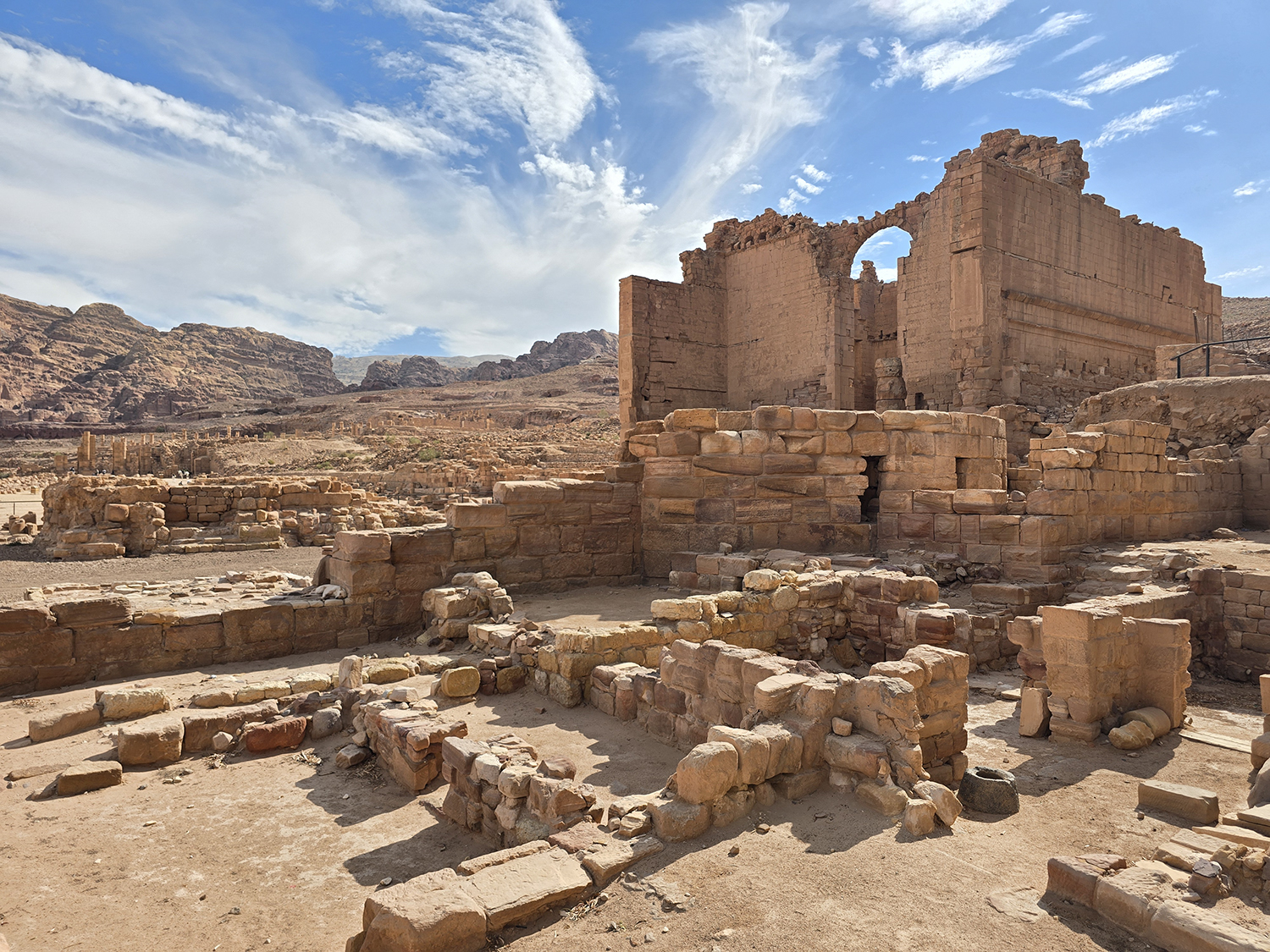
The Great Temple is one of Petra’s most imposing surviving structures. Public reviews give it a Google rating of 4.7 from 489 reviews, with repeated praise for the scale of its masonry and the freedom to walk among the ruins. Visitors describe massive stones, broad terraces and a complex that makes the engineering of the Nabataean city feel immediate.
The remains are not presented as a complete temple. Reviews note that the structure was only partially excavated, leaving plenty of open questions about its original appearance. That unfinished quality is part of the appeal. The site feels like an archaeological place to investigate, not a restored monument with every detail explained.
What stands here
The Great Temple occupies an upper terrace, known as the Upper Temenos, in the heart of ancient Petra, just south of the Colonnaded Street. Public listing information describes a monumental three-level complex with a tetrastyle facade, meaning a front supported by four columns. A large inner sanctuary formed the centre of the structure.
The reported main hall measures approximately 35 metres by 42 metres. That footprint helps explain why visitors repeatedly call the Great Temple the largest structure in Petra. The ruins are expansive enough that the scale can be easier to understand while moving through the site than from a single viewpoint.
A small specialised theatre or auditorium is also part of the complex. The listing information gives it a capacity of 630 seats. It adds a civic and performance dimension to the site, suggesting that the Great Temple complex served more than one narrow religious function.
How to experience it
The main effort is the climb. One public review specifically urges visitors to take the stairs and make the ascent for the views and photographs. Comfortable footwear is sensible for uneven archaeological ground, though the reviews do not provide enough detail to assess the condition of every route or stairway.
Once on the upper terrace, visitors should slow down. The large masonry blocks are the defining visual feature, and the partial excavation makes it useful to look at the arrangement of walls, levels and open spaces rather than searching only for an intact facade. The auditorium deserves attention too, particularly for travellers interested in how Petra functioned as a city.
Planning notes
The Great Temple works best as part of a wider visit to Petra rather than as an isolated stop. It sits along the ancient city route, close to the Colonnaded Street, so visitors can place the complex within the larger urban landscape. Public reviews strongly support allowing time to explore rather than treating it as a quick photograph stop.
One supplied review describes the Siq, a red rock-cut facade and other Petra landmarks. Those details appear to concern the wider archaeological site, not necessarily the Great Temple itself, so they should not be used as a precise description of this monument. The Great Temple’s own appeal is its enormous scale, upper-terrace setting and partially excavated remains.
Plan the rest of the trip
Ask anything
Looking for somewhere else?
Keep exploring around Wadi Musa
More from Jordan
Jordan · Wadi Musa
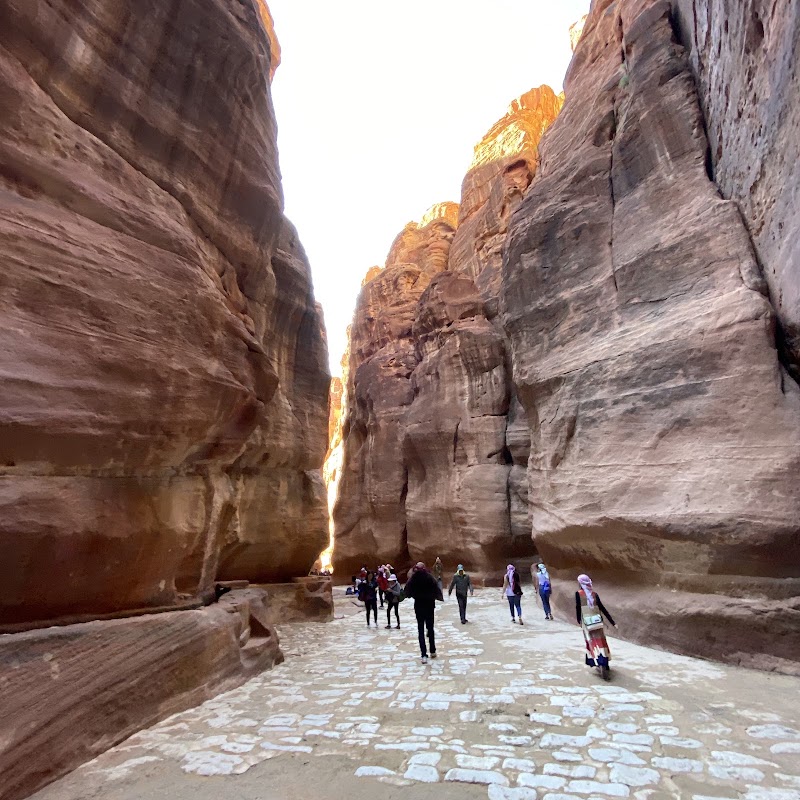
Al-Siq: Petra’s Dramatic Gateway in Wadi Musa
Al-Siq is the 1.2-kilometre sandstone passage into Petra, valued for its colour bands, ancient water systems and striking photography.
Jordan · Karak
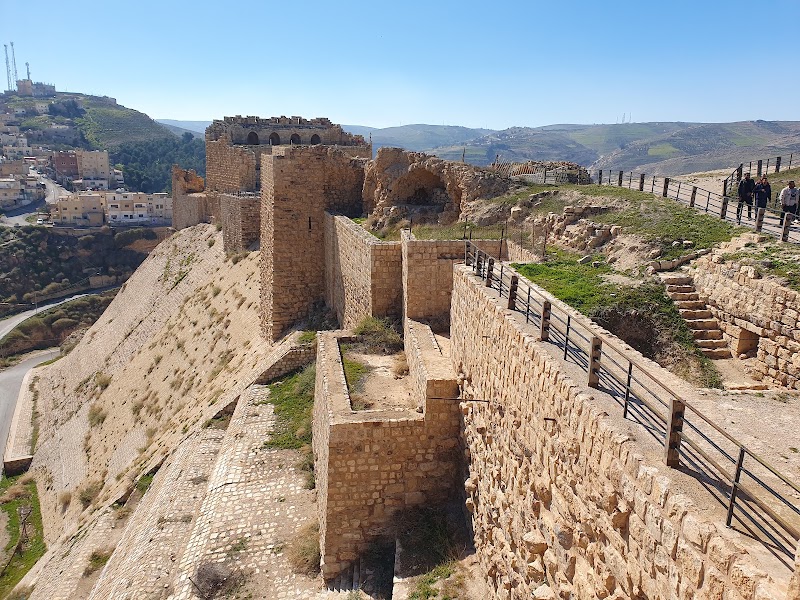
Kerak Castle: Layers of History Above Karak
A spacious Crusader stronghold with deep chambers, broad views and enough passageways for a two- to three-hour visit.
Jordan
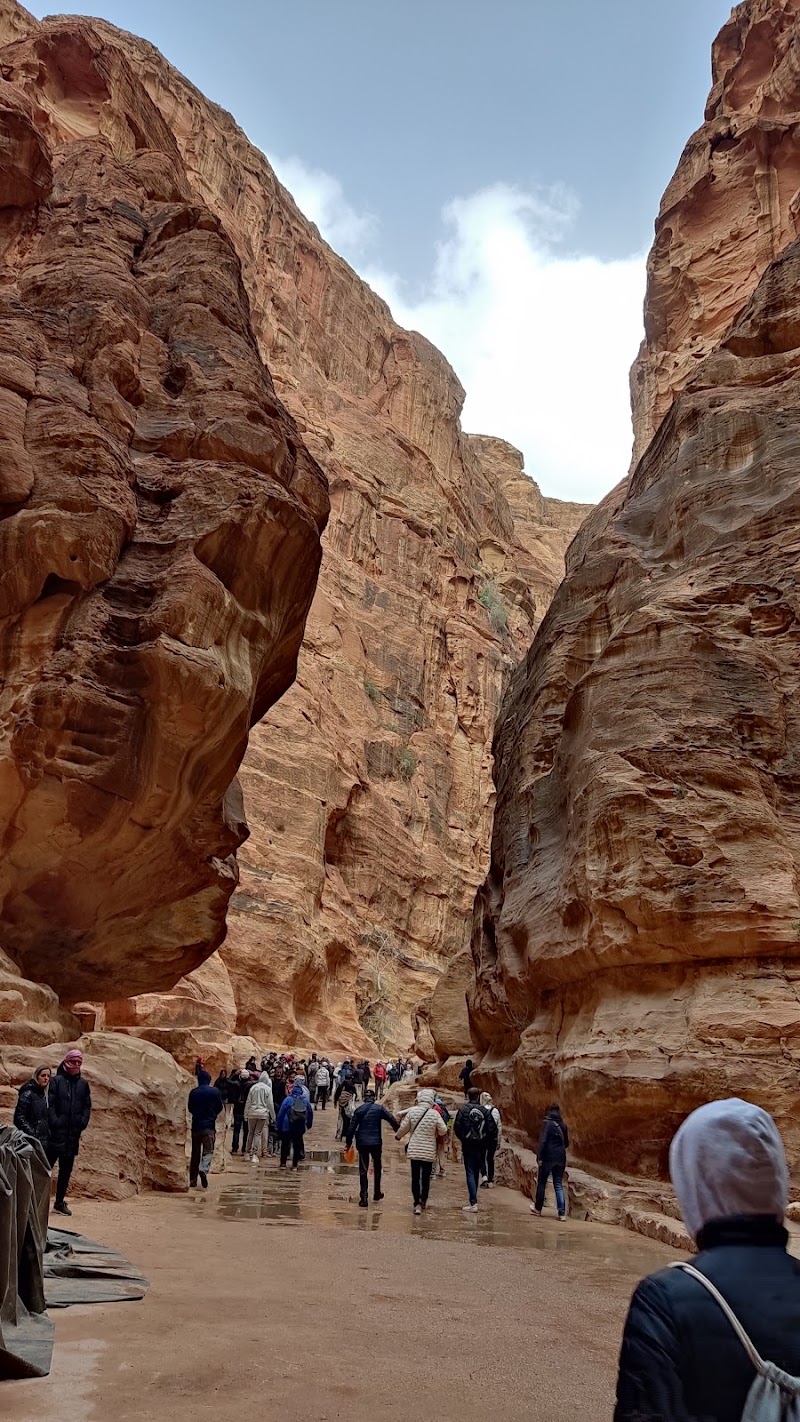
Al-Khubtha Trail: Petra’s Treasury Viewpoint Hike
A demanding, well-signed climb above Petra rewards walkers with an exceptional elevated view of the Treasury and the Theater.
Jordan · Wadi Rum Village
Khazali Canyon: Ancient Inscriptions in Wadi Rum
A short walk into sandstone walls reveals ancient inscriptions, petroglyphs and one of Wadi Rum’s most atmospheric stops.