Great Sphinx of Giza: History on a Monumental Scale
Public reviews portray the Great Sphinx as an imposing, mysterious landmark made even more memorable by its setting beside the Giza pyramids.

More photos
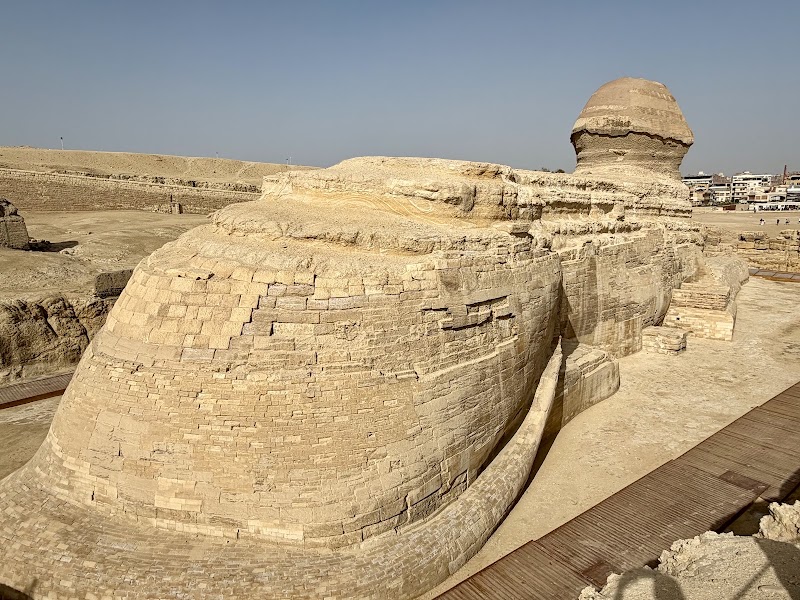
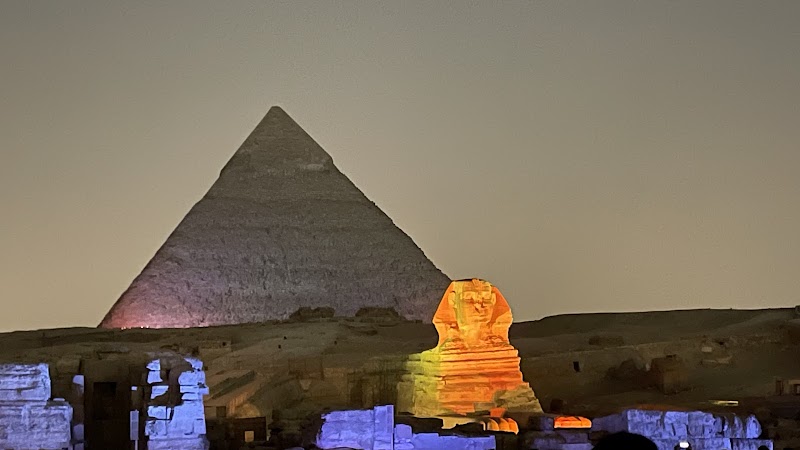
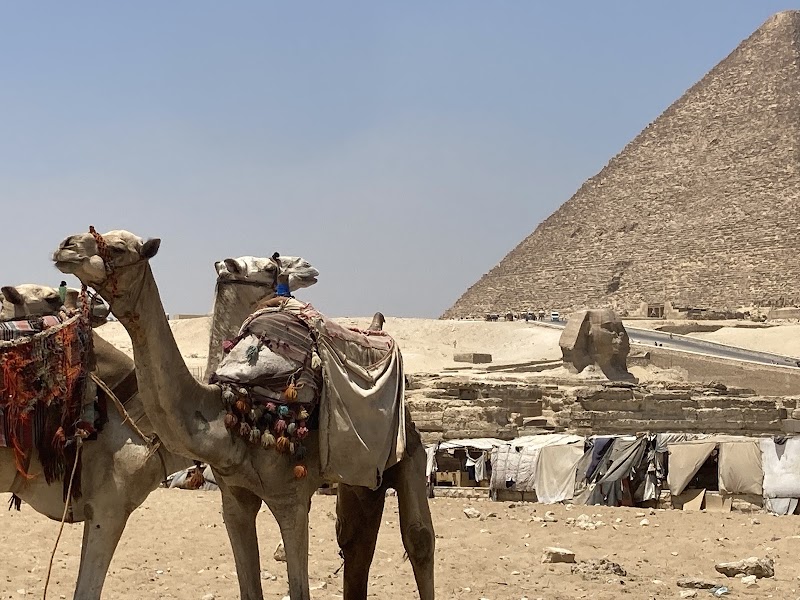
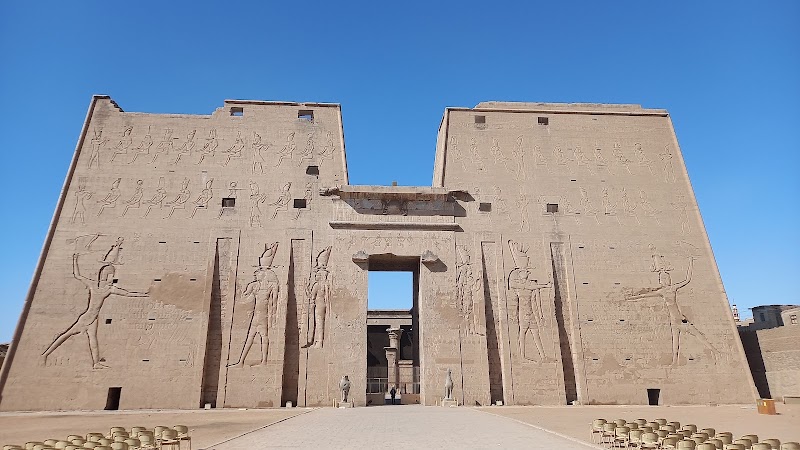

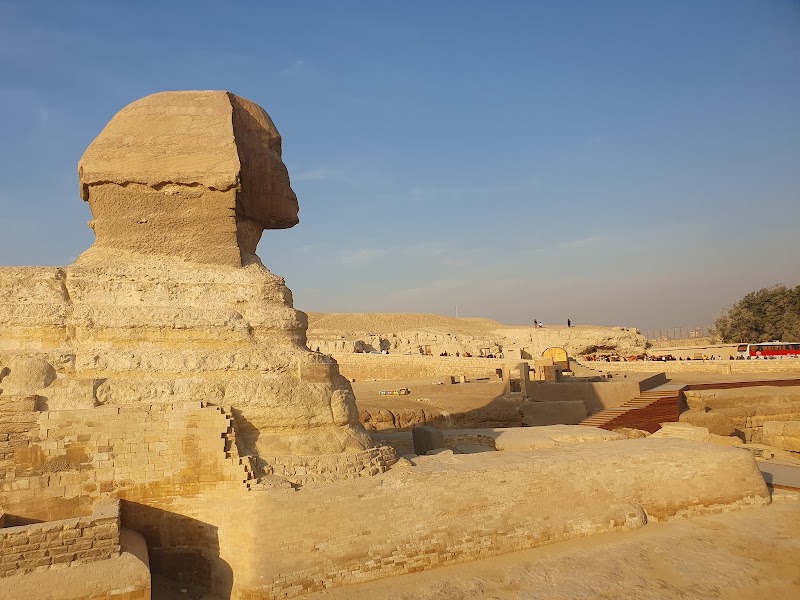
Photos published by travelers on Google, not AI generated.
What stands out
- Monumental limestone sculpture
- Views with the pyramids behind it
- Approach through the ancient temple complex
- Ancient Egyptian symbolism
- Stories surrounding the missing nose
Don't miss
What comes up most in public reviews
- Walk through the ancient temple complex
- See the Sphinx against the pyramids
- Learn about its lion and human symbolism
- Ask about the missing nose
- Explore the nearby chamber and mummification history
Worth the trip?
Why it stands out
The Great Sphinx of Giza has a Google rating of 4.7 from 25943 reviews. Across the available comments, travellers keep returning to the same reaction: its scale, its history and the disbelief of finally standing in front of it. Several found it more impressive than they had expected. Massive, majestic and surreal are recurring descriptions, especially when reviewers recall their first unobstructed view.
Carved from limestone, the Sphinx pairs a lion’s body with a human head. Public reviews link this form to ancient Egyptian ideas about royal power and wisdom. Its outline may be familiar long before a visit, yet reviewers say the effect changes on site. There, the sculpture sits against the pyramids and the open expanse of the Giza Plateau.
The approach and setting
One account focuses on the approach through the ancient temple complex near the pyramid of Khafre. The Sphinx does not appear in a single reveal. It comes into view gradually, lending the walk a ceremonial quality and making the route feel like part of the experience rather than just the way to a photo stop.
The other monuments matter too. Reviewers repeatedly note the pyramids in the background, where the reclining Sphinx contrasts with the vast stone structures behind it. Its position on the Giza Plateau, west of the Nile, also places the sculpture inside a much broader archaeological landscape. It never feels isolated.
A weekday morning features in one especially enthusiastic account. The supplied reviews do not provide enough comparison to name a definitive quiet period or ideal season. Still, an earlier visit may work for travellers who want more time to take in the approach and the setting.
History adds depth
The strongest reviews look past the monument’s appearance. Travellers recommend learning about the Sphinx’s importance in Egyptian culture, the symbolism behind its human and lion features, and the enduring questions around its damaged nose. For some reviewers, those details turn a famous silhouette into a fuller encounter with ancient Egyptian history.
One visitor also singles out the nearby chamber and its connection with the mummification process, describing it as a fascinating element of the wider visit. Descriptions of individual structures can vary, so interpretation from an informed guide or reliable site material may help separate the Sphinx itself from the associated temple complex.
Overall verdict
Public response is overwhelmingly enthusiastic. The appeal comes from monumental sculpture, ancient symbolism and a pyramid backdrop recognised around the world. There is a personal pull as well. One reviewer remembers the childhood missing-nose joke in Asterix & Obelix, then calls the real encounter a highlight of Giza.
There is little practical criticism in the supplied reviews, and no consistent problems with maintenance or access are identified. Instead, the comments point towards a visit with enough time for the temple approach, close observation and historical context. For travellers exploring Giza, the Great Sphinx is more than an extra stop beside the pyramids. It is one of the plateau’s defining sights.
Ask anything
Looking for somewhere else?
Keep exploring
More from Egypt
Egypt
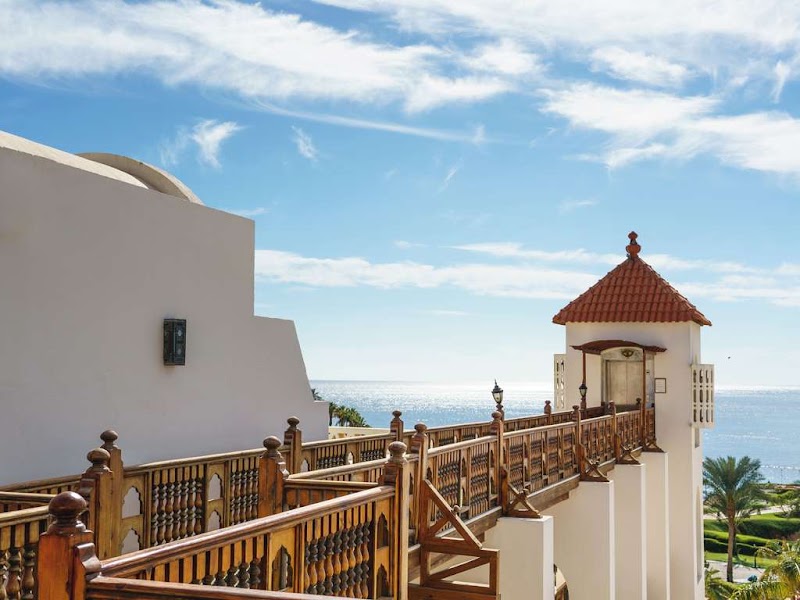
Mövenpick Resort Sharm el Sheikh: Views and Warm Service
Strong public feedback highlights sweeping views, attentive service, varied food and a well-regarded kids club at this Sharm el Sheikh resort.
Egypt
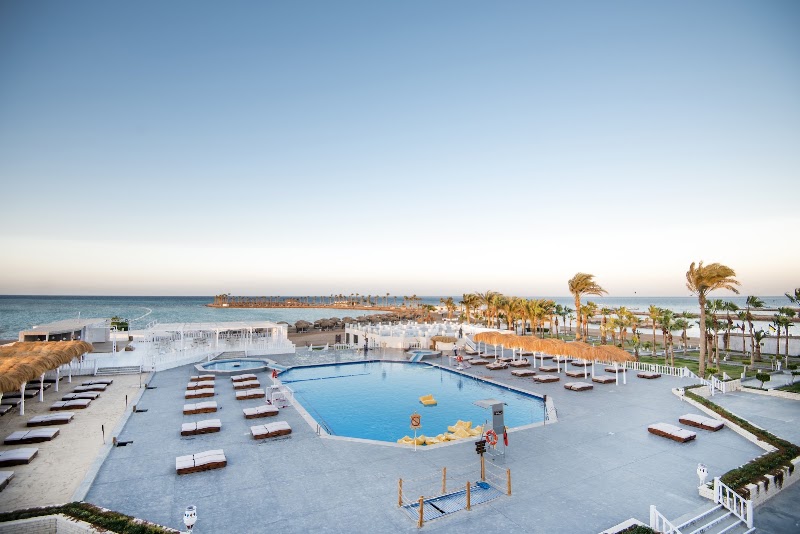
Meraki Resort Adults Only: Lively Beach Time in Hurghada
A sociable adults-only resort where varied dining, clean beaches and nightly entertainment earn consistently enthusiastic feedback.

Egypt
Novotel Sharm El Sheikh: Sociable beachside stays
Strong public feedback for friendly staff, lively activities and clear-water beach time makes this Sharm El Sheikh hotel especially appealing to families.
Egypt
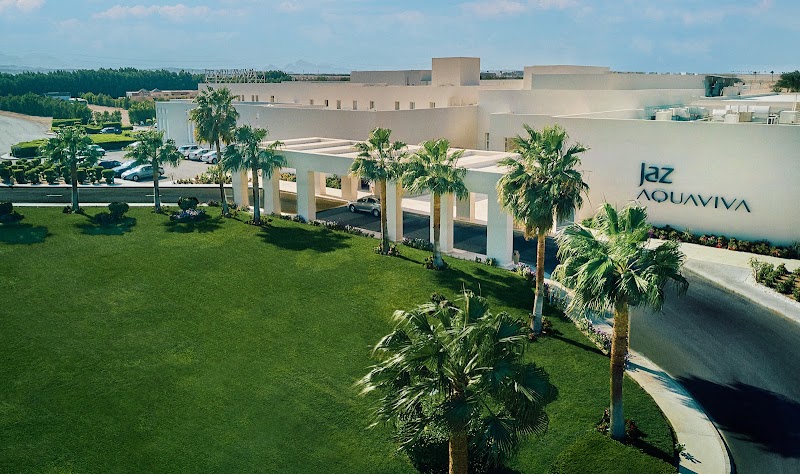
JAZ Aquaviva review: family-focused fun in Egypt
Strong service, a large aquapark and energetic entertainment make JAZ Aquaviva a compelling family resort, though it lacks direct sea access.