Grand Master’s Palace: Valletta’s seat of power
Ornate state rooms, working presidential offices and an extensive armoury make this one of Valletta’s most rewarding historical landmarks.
More photos

Photos published by travelers on Google, not AI generated.
What stands out
- Ornate state rooms
- Palace Armoury collection
- Artwork, frescoes and decorative floors
- Working presidential offices
- English and Maltese armoury labels
Worth knowing
- Bags may need to be left in entrance lockers
- Expect security checks
- Some halls have limited interpretation
Don't miss
What comes up most in public reviews
- The Palace Armoury
- The state rooms
- The Presidential Office areas
- The frescoes and decorative flooring
Worth the trip?
Why it stands out
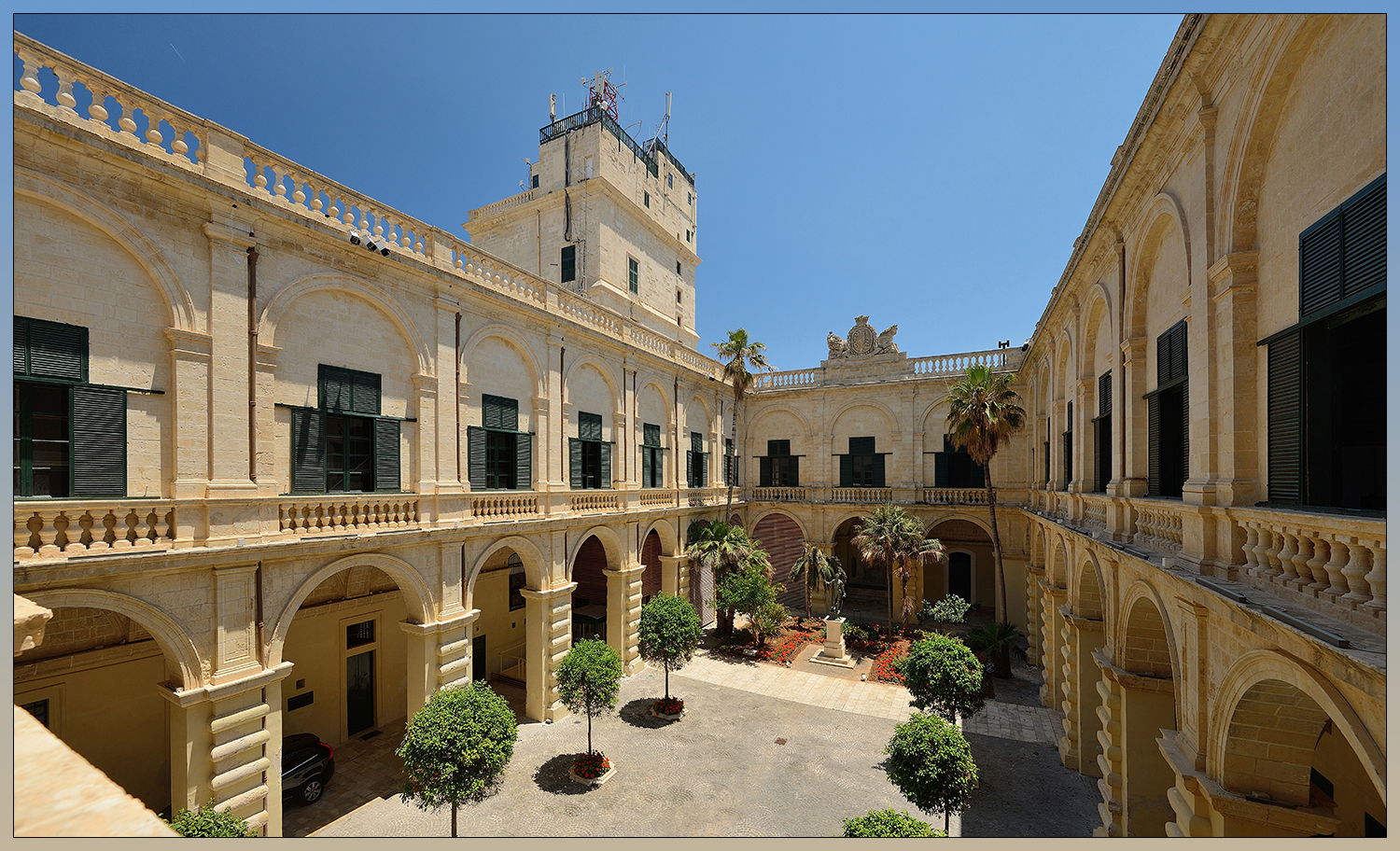
The Grand Master’s Palace is one of the clearest introductions to Malta’s political and military history. Public feedback is strongly positive, reflected in its Google rating of 4.5 from 3200 reviews. Travellers repeatedly praise the quantity of material on display, the richly decorated interiors and the sense that the building remains connected to Malta’s public life rather than functioning solely as a museum.
Its significance comes from its association with the Grand Masters of the Order of St John and its continuing use for presidential offices. Reviewers find that combination especially compelling. The rooms evoke earlier centuries, while security procedures and active offices underline the palace’s present-day role. For visitors already exploring Valletta’s fortifications, churches and ceremonial spaces, the palace supplies valuable historical context.
Inside the palace
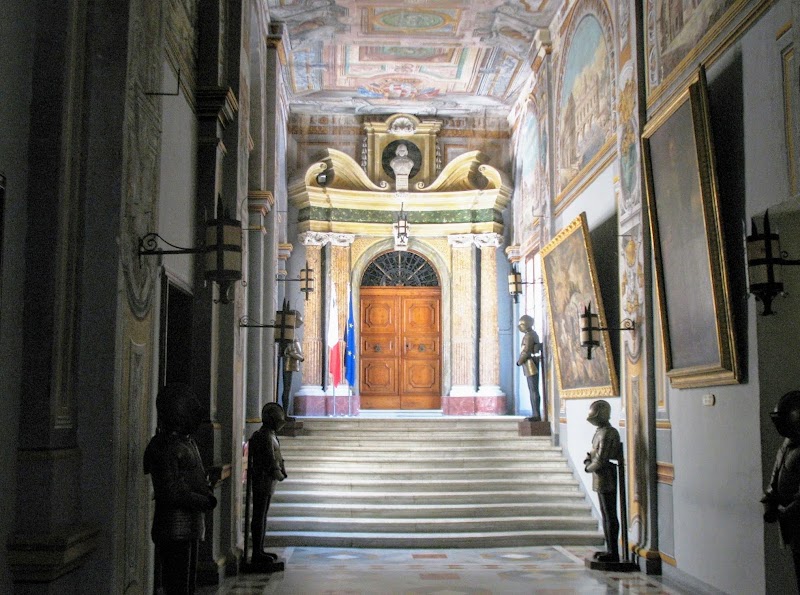
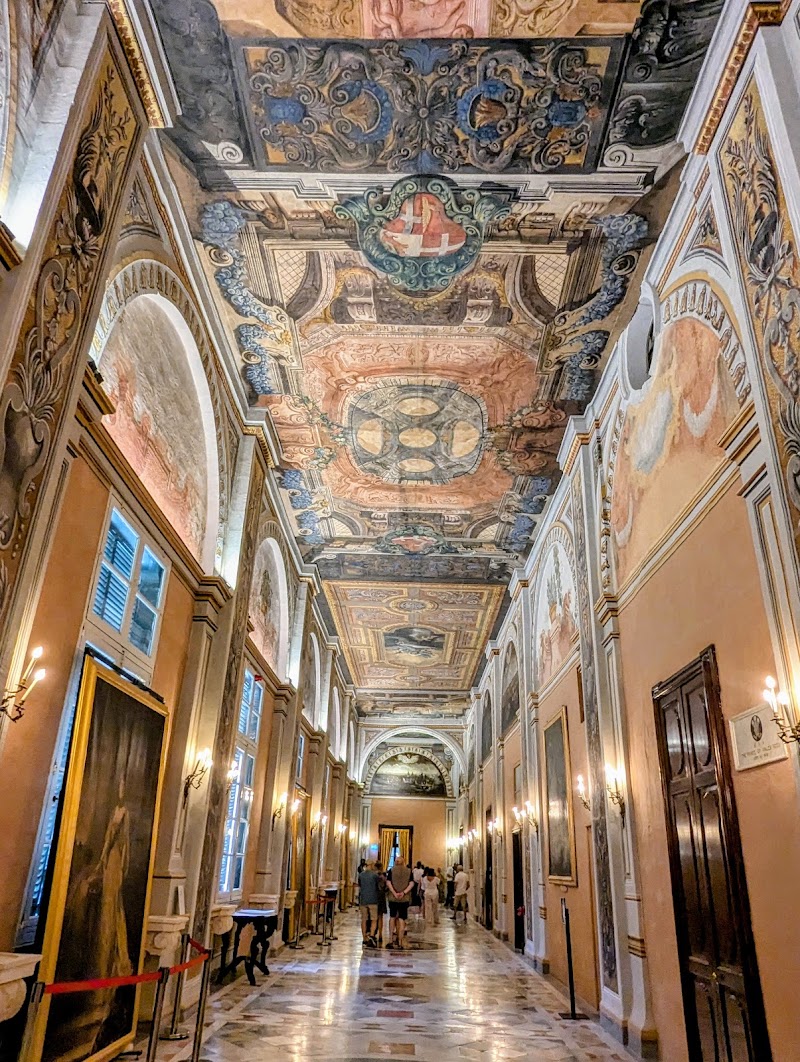
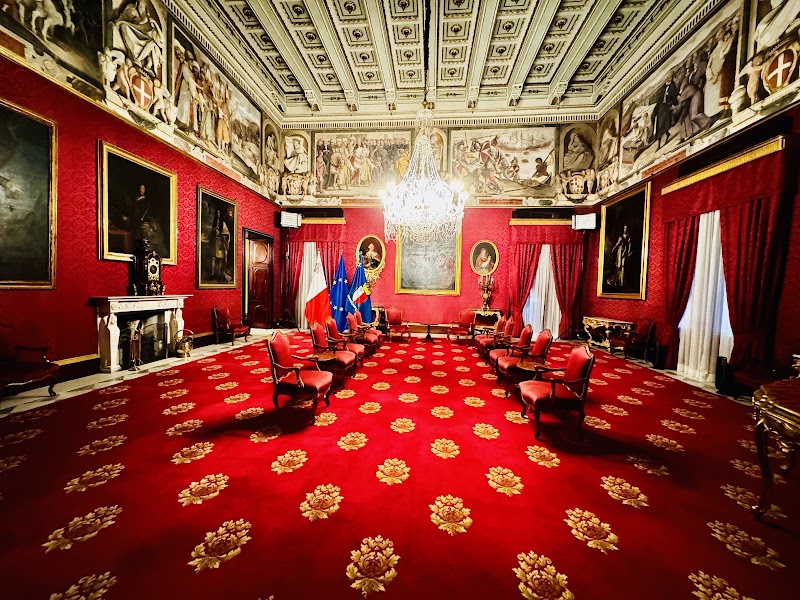
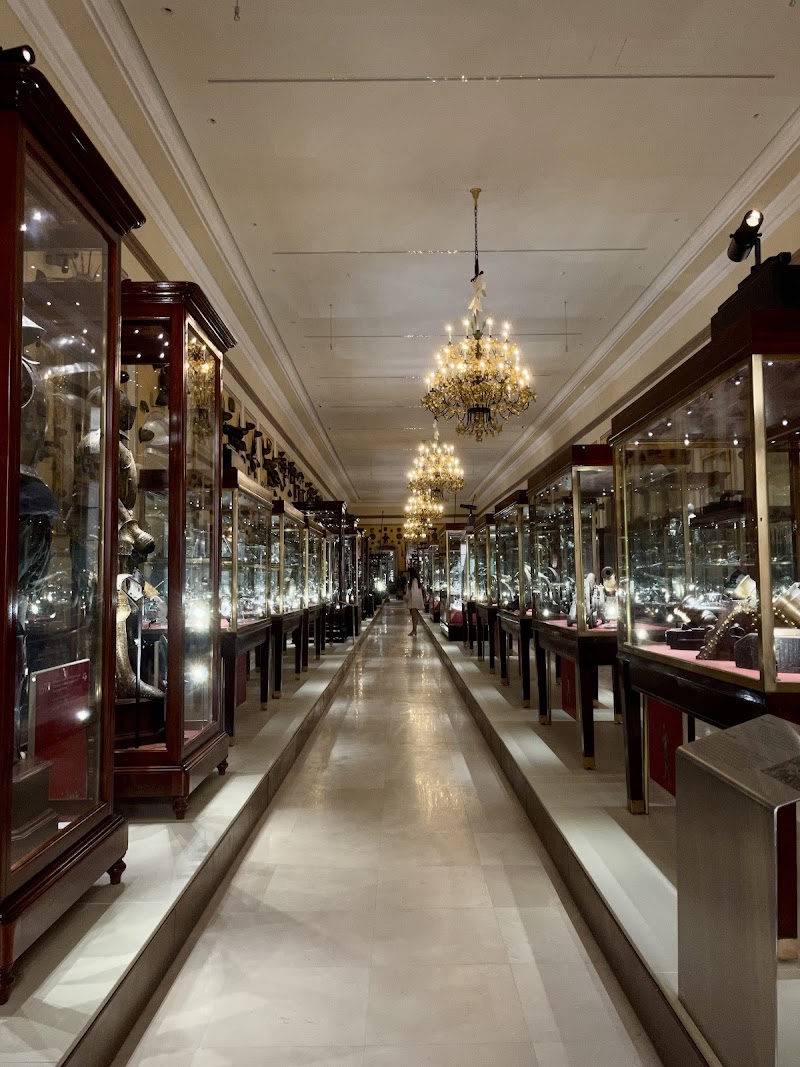
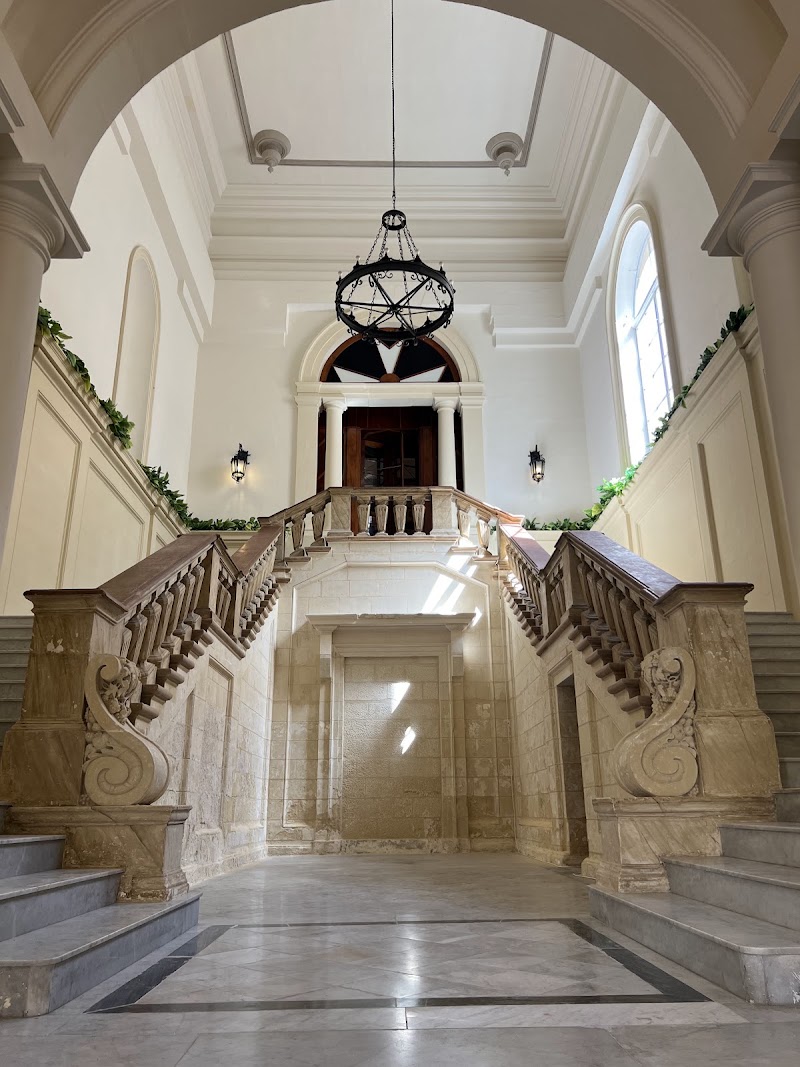
The state rooms attract consistent admiration for their architecture and decoration. Reviews single out the artwork, frescoes, floors and formal halls, describing interiors that make the palace’s former ceremonial role easier to imagine. The route is generally considered straightforward to follow, and the exhibits cover different periods of Malta’s past without becoming difficult to navigate.
Interpretation appears uneven, however. Some travellers report useful, accessible historical information, while another notes that the halls have relatively few descriptions. The visual impact is therefore a major part of the experience. Those seeking detailed context may get more from reading about the Order of St John and Malta’s political history before entering.
The opportunity to see spaces associated with the Presidential Office also receives attention. Access can be shaped by the fact that parts of the palace remain in official use, and visitors should expect a more controlled environment than at a conventional historic house.
The Palace Armoury
The Palace Armoury emerges as the strongest recurring highlight. Reviewers praise its extensive collection of suits of armour, weapons and other military artefacts, often describing the pieces as well preserved and clearly presented. Displays are labelled in English and Maltese, according to public feedback, making this section easier to interpret than some of the formal halls.
Even travellers primarily drawn by the architecture tend to regard the armoury as a substantial attraction in its own right. Rows of armour and weaponry help explain the military culture of the Knights of St John, adding tangible detail to the broader palace story. It is worth allowing enough time for this collection rather than treating it as a brief add-on to the state rooms.
Practical verdict
The palace suits history enthusiasts, architecture admirers and first-time Valletta visitors particularly well. It can comfortably form the centrepiece of half a day in the capital, with the surrounding streets providing further landmarks to explore afterward.
Reviews indicate that bags and rucksacks may have to be left in secure lockers at the entrance. Security scrutiny should also be expected because of the building’s ongoing official function. These procedures may slow entry slightly, but public feedback generally describes the visitor route as easy to follow. Overall, the combination of ceremonial interiors, living political significance and an exceptional armoury makes the Grand Master’s Palace a high-priority Valletta landmark.
Ask anything
Looking for somewhere else?
Keep exploring around Il-Belt Valletta
More from Malta
Malta · Xagħra
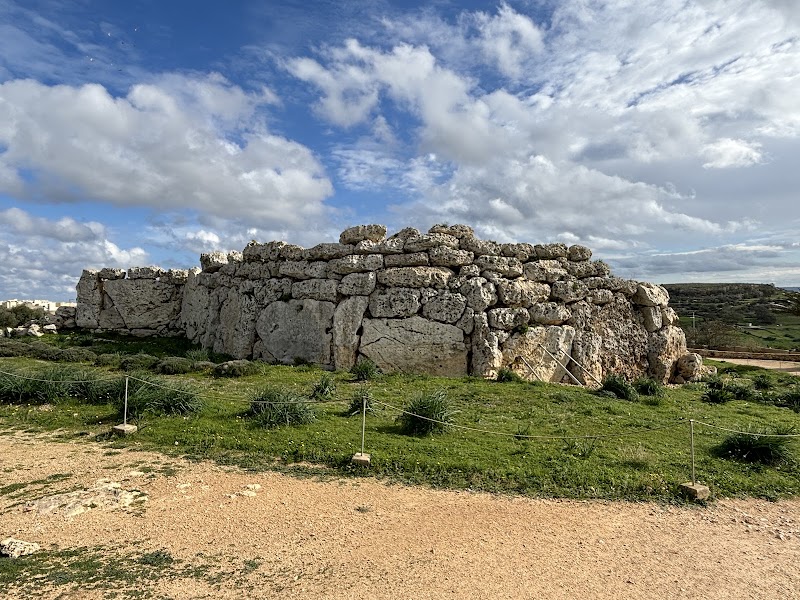
Ruiny Świątyni: Gozo’s monumental Ġgantija ruins
Massive prehistoric stonework and a clear visitor centre make this Xagħra landmark one of Gozo’s most compelling historical stops.
Malta · St. Paul's Bay
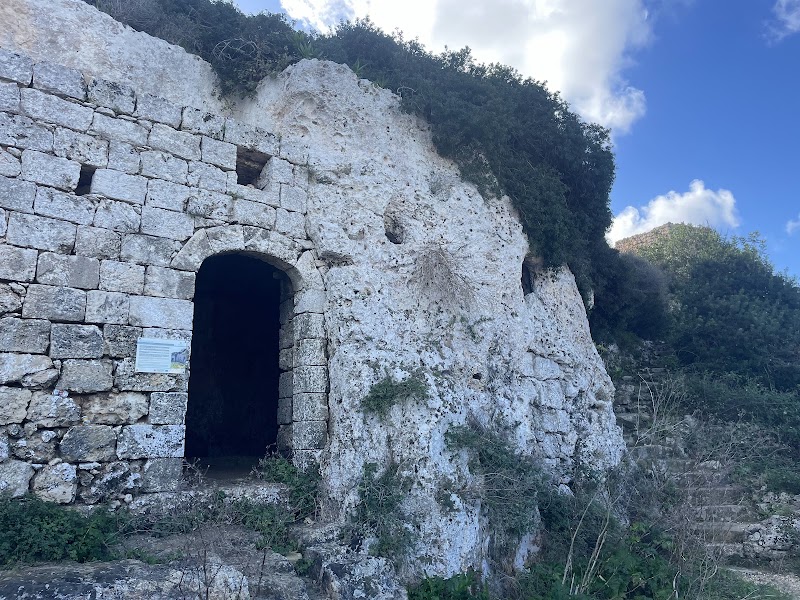
Roman Baths: Ancient Remains Beside Malta’s Cart Ruts
These remarkably intact baths reward careful-footed visitors with ancient structures, nearby cart ruts and an atmospheric approach.
Malta · Mdina
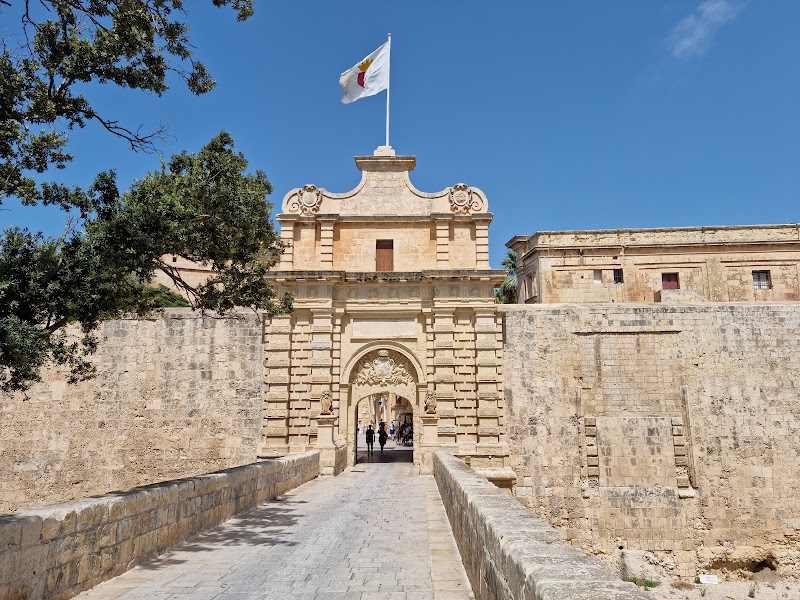
Mdina Gate: A Grand Entrance to Malta’s Silent City
Mdina’s monumental gateway sets the scene for medieval streets, historic architecture and one of Malta’s most atmospheric walks.
Malta · Valletta
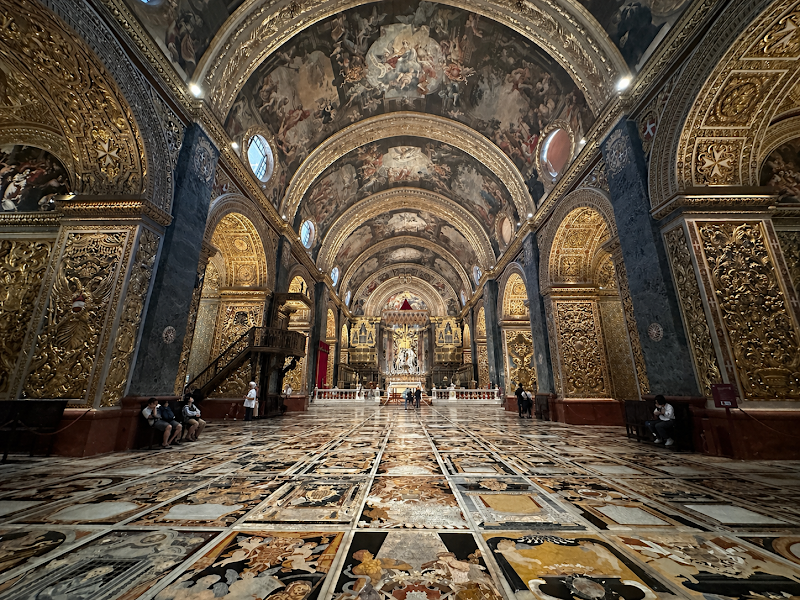
St John’s Co-Cathedral Museum: Valletta’s Baroque showpiece
Behind a restrained façade, this Valletta landmark delivers lavish Baroque decoration, Knights of Malta history and a major Caravaggio masterpiece.