Gol Stave Church: Medieval Craftsmanship in Oslo
Set within Oslo’s open-air folk museum, Gol Stave Church earns praise for its dark timber architecture, preserved interior and guided tours.

More photos
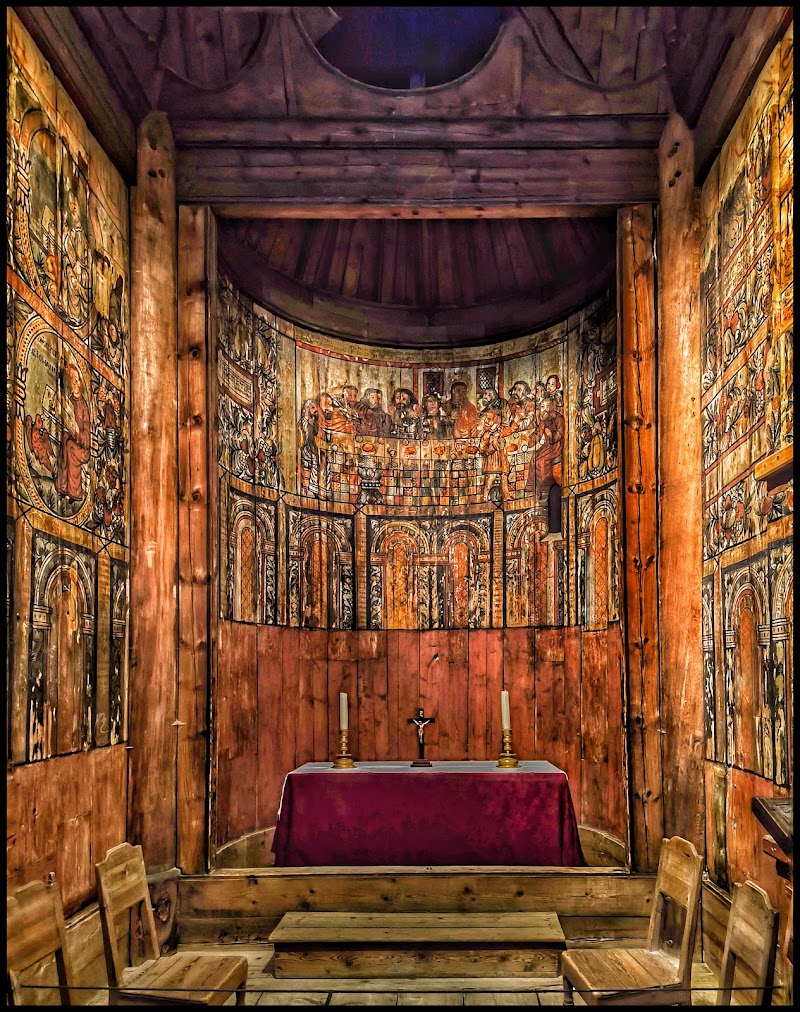
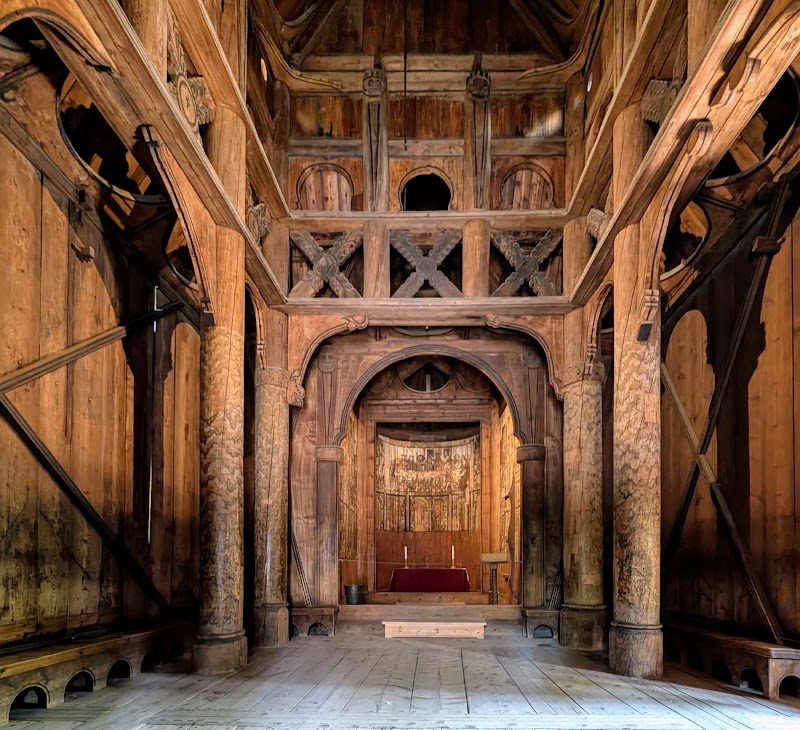
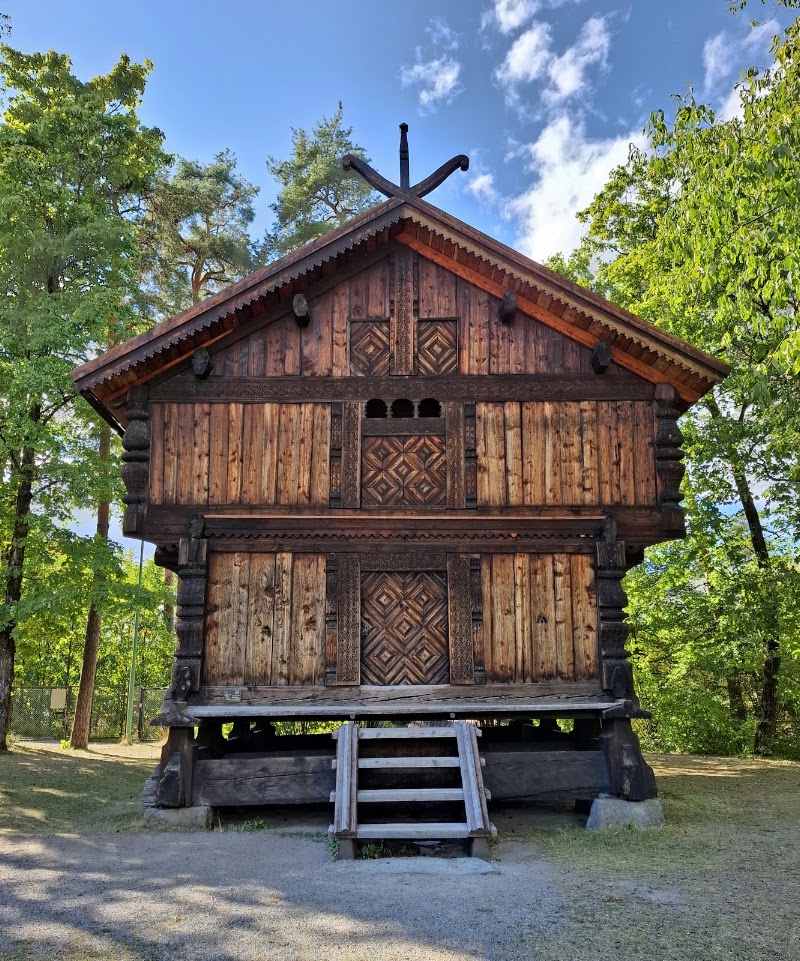

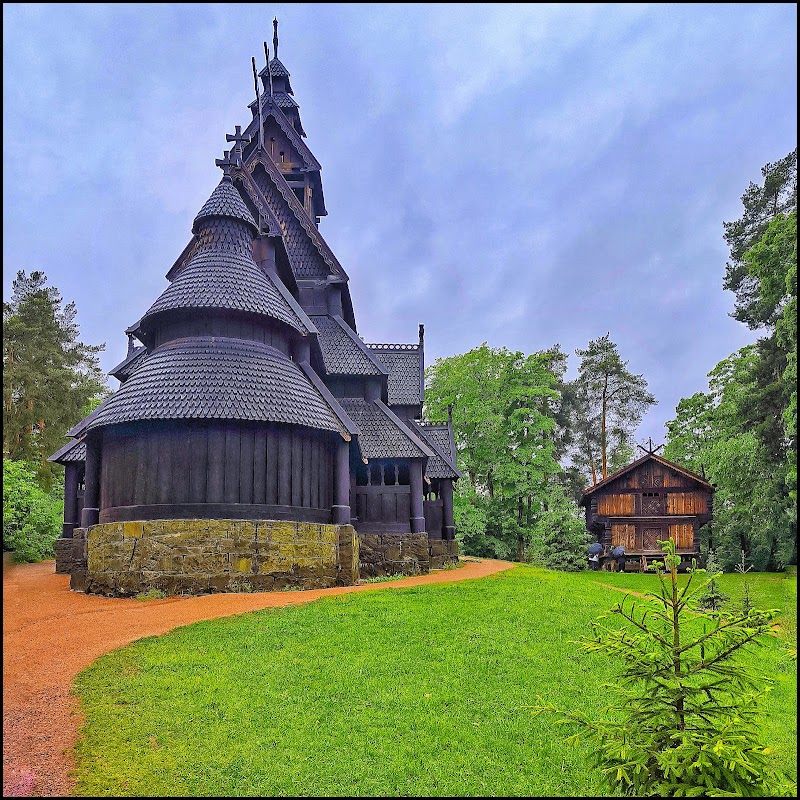
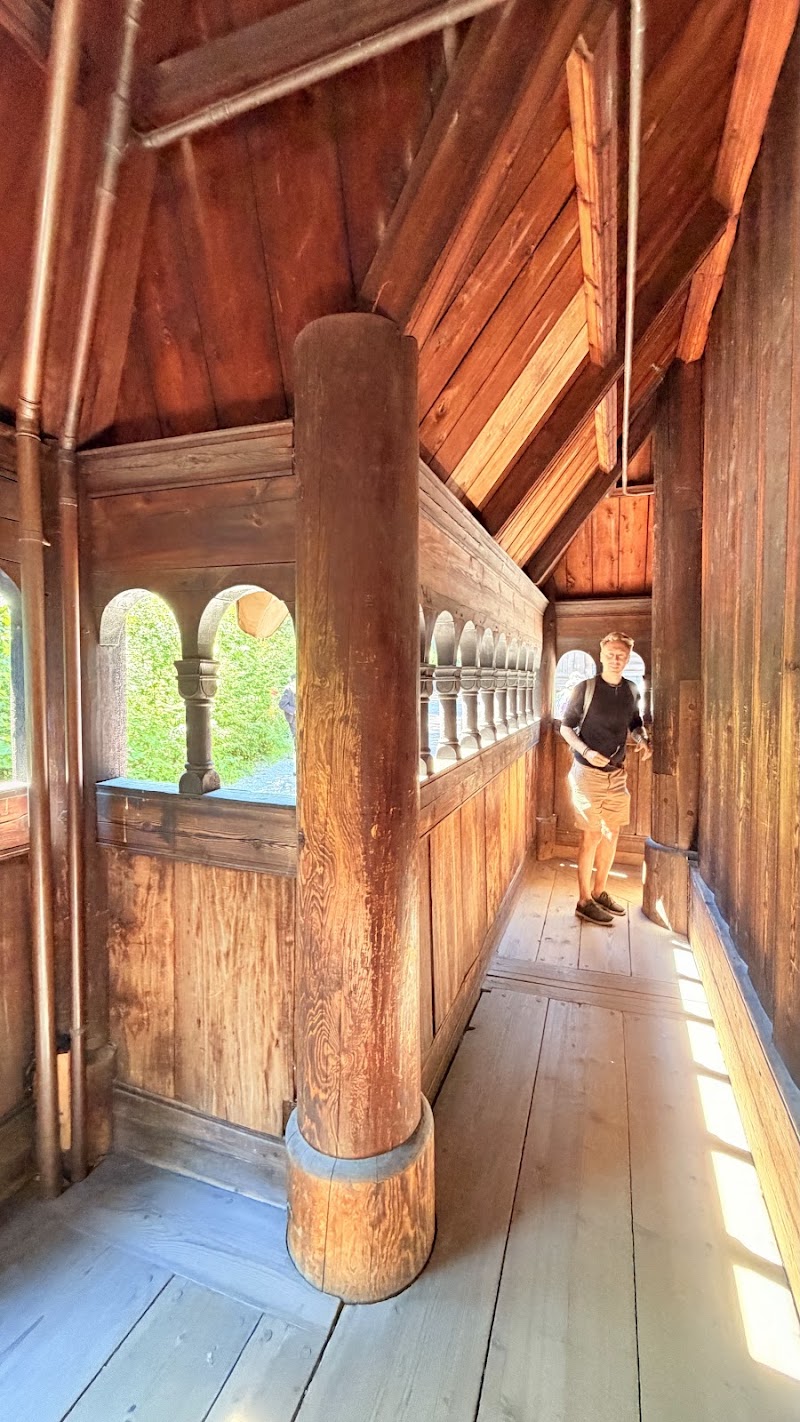
Photos published by travelers on Google, not AI generated.
What stands out
- Layered old Norse timber architecture
- Well-preserved historic interior
- Ancient runic inscriptions
- Hilltop setting among historic buildings
- Atmospheric smoke-scented wood
Worth knowing
- Museum grounds may be icy in winter
- Tour schedules may vary
Don't miss
What comes up most in public reviews
- Join the guided church tour if available
- Ask guides about the runic inscriptions
- Step inside to examine the preserved timber interior
- View the church from the surrounding museum grounds
Worth the trip?
Why it stands out
Gol Stave Church is one of the most consistently praised sights at Oslo’s open-air folk museum. Its Google rating of 4.8 from 3,399 reviews reflects strong enthusiasm for both the building and its setting among preserved historic structures. Travellers regularly describe the church as a museum highlight rather than a minor stop between larger exhibits.
The first impression comes from its steep roofs, layered timber construction and elevated position overlooking the museum grounds. Reviews frequently focus on the craftsmanship, calling attention to the old Norse architectural character and the care taken to preserve the structure. Even visitors with limited prior interest in church history appear to find the building visually memorable.
Inside the church
The interior provides much of the atmosphere. Public reviews mention the smell of smoke absorbed across generations, an evocative detail that reinforces the age and former use of the building. The dark wood, enclosed space and surviving marks reward slower observation, particularly when compared with a quick exterior photograph.
Several reviewers recommend joining the guided tour when it is offered. One account describes a guide pointing out ancient runic inscriptions that were difficult to notice without explanation. The same review reports that the tour was free, although visitors should confirm the current schedule and arrangements with the museum. Knowledgeable guides are also praised elsewhere in feedback about the broader museum experience.
The church is described in reviews as dating from the 1200s, with restoration work in the 1880s and a later move to its present museum setting. That layered history helps explain why interpretation is valuable. Without context, visitors may admire the structure but miss details connected to its construction, relocation and interior markings.
Setting and atmosphere
Gol Stave Church sits on a hill within a park of historic buildings, so the approach forms part of the experience. The surrounding open-air museum gives the church useful context and makes it easy to combine with other preserved structures. Reviews praise the wider collection and the effort involved in maintaining the buildings.
Season changes the mood considerably. Snow gives the dark timber a dramatic backdrop, and one reviewer found the wintry atmosphere distinctive. The same account mentions icy weather, however, so winter visitors may face slippery ground. Summer is likely the more straightforward choice for exploring the outdoor site, while snowy conditions create a starker and more atmospheric view.
Editorial verdict
Synthesized review patterns place Gol Stave Church among the strongest reasons to visit the folk museum. Its appeal combines architecture, craftsmanship and a tangible sense of age, while guided interpretation can reveal features that casual visitors might overlook. The main mistake would be treating it only as an exterior photo stop. Time inside, ideally with a tour, adds depth to the visit.
The church works best as part of a half-day exploration of the museum rather than as an isolated landmark. Visitors interested in medieval architecture, preservation or historic religious buildings are likely to find it especially rewarding.
Ask anything
Looking for somewhere else?
Keep exploring around Oslo
More from Norway
Norway
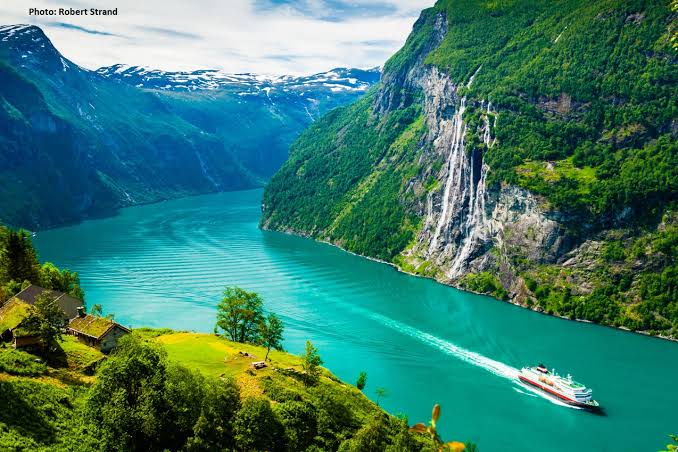
Geirangerfjord: Big Scenery Beyond the Busy Village
Boat cruises, cliffside waterfalls and high-road viewpoints make Geirangerfjord a standout, though crowds can temper the experience.
Norway · Myrdal
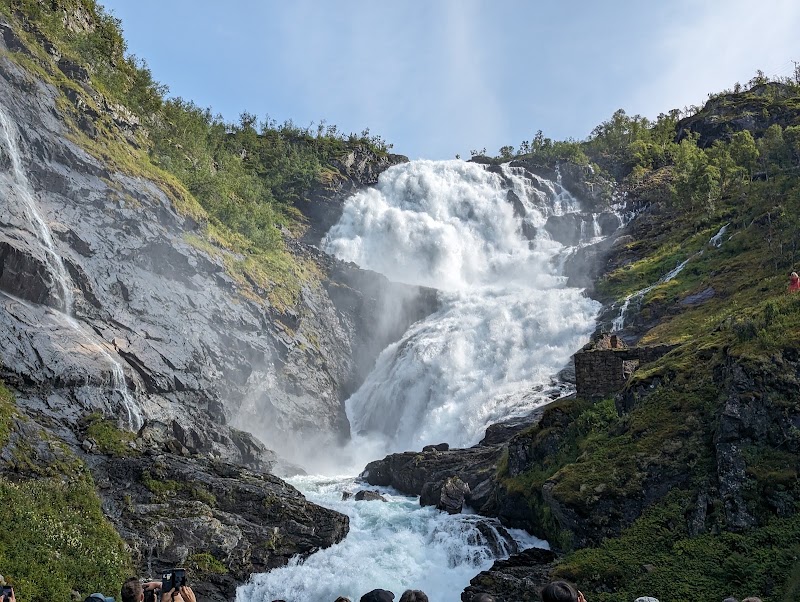
Kjosfossen: A Thunderous Stop on the Flåm Railway
This powerful, spray-soaked waterfall delivers one of the Flåm Railway’s most dramatic moments, albeit during a very short platform stop.
Norway · Tjøme
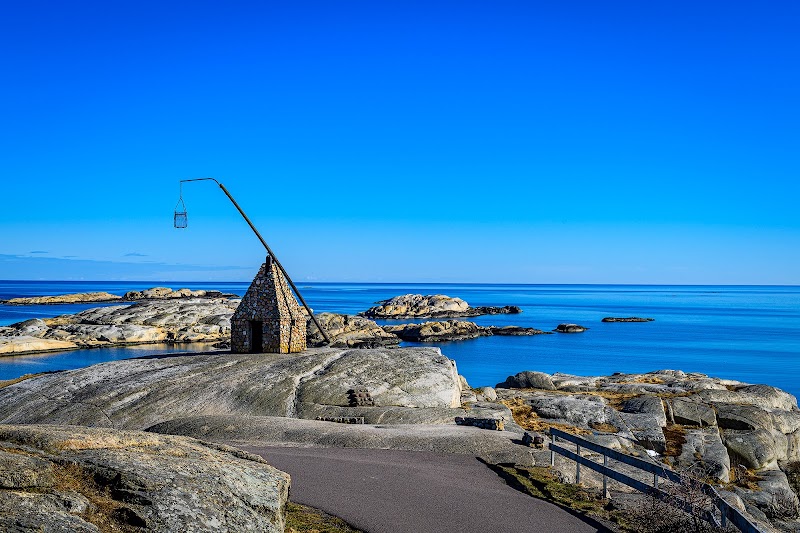
World’s End: sea views and rock walks on Tjøme
Verdens Ende pairs panoramic coastal scenery with rocky walks, swimming spots and its distinctive tilting lighthouse.
Norway · Borgund
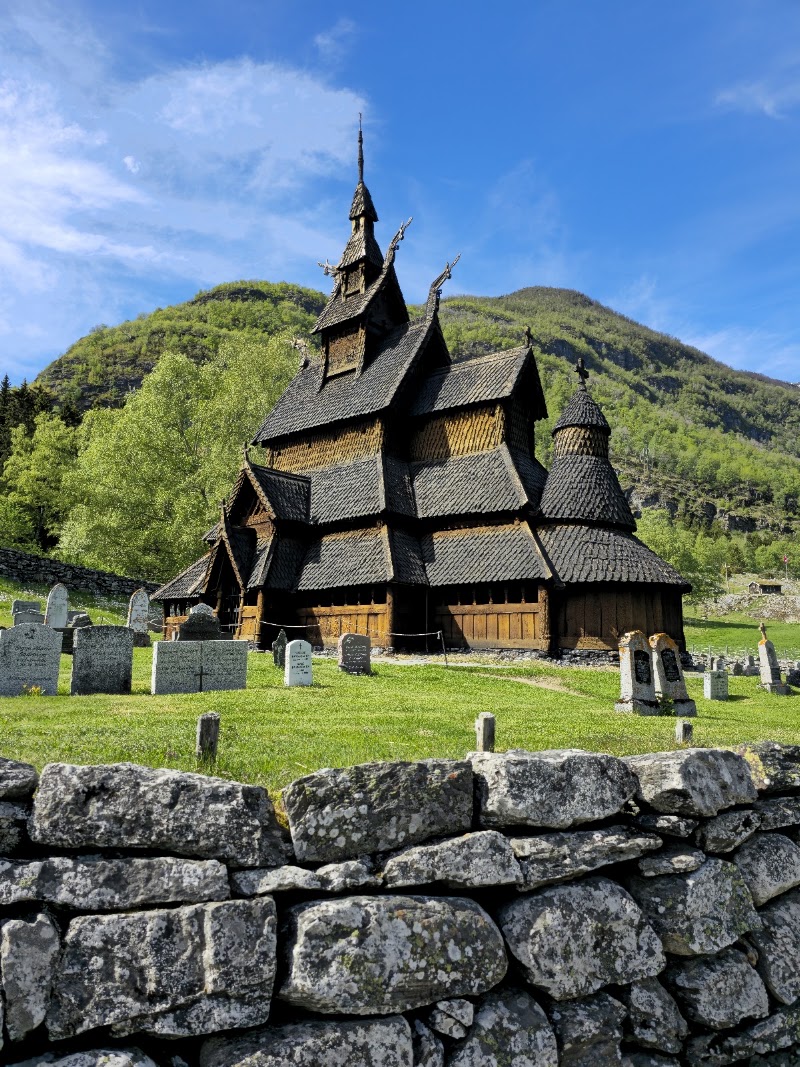
Borgund Stave Church: Medieval Craftsmanship in Lærdal
Borgund Stave Church pairs striking medieval wooden architecture with a useful visitor centre and access to the scenic Vindhellavegen trail.