Göktürk history at Khoshoo Tsaidam
A compact museum near Kharkhorin preserves the Orkhon Inscriptions and major artefacts from the early history of the Turkic peoples.

More photos
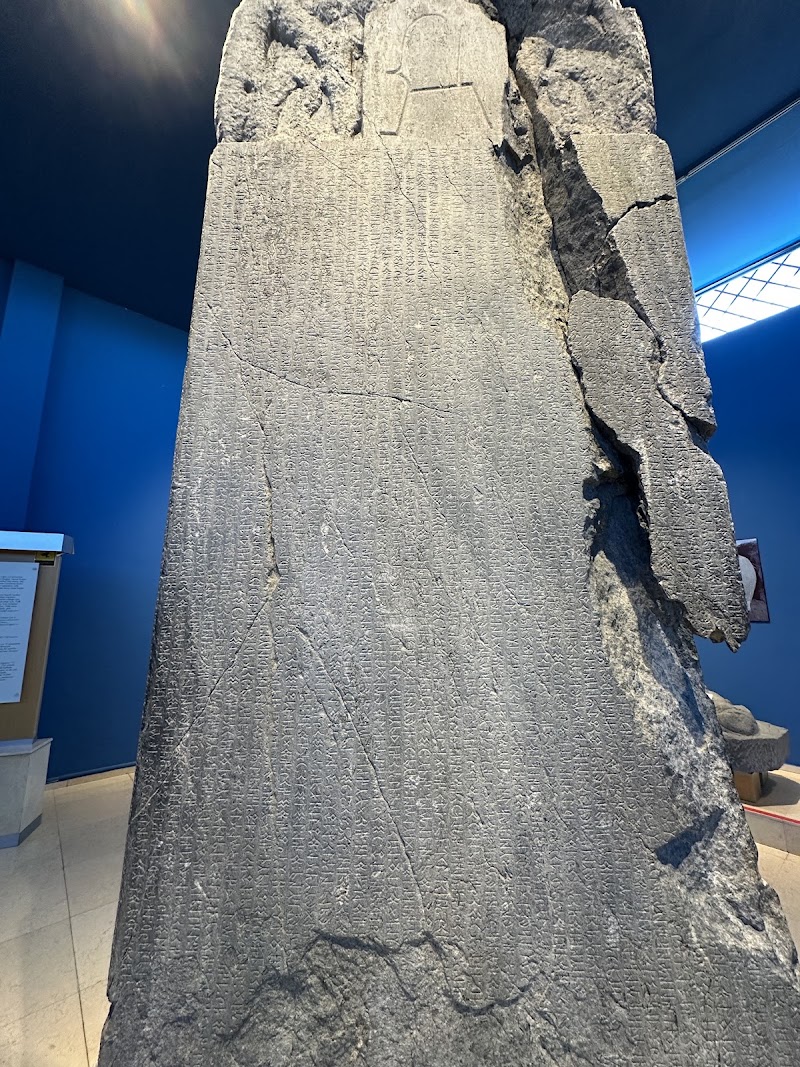
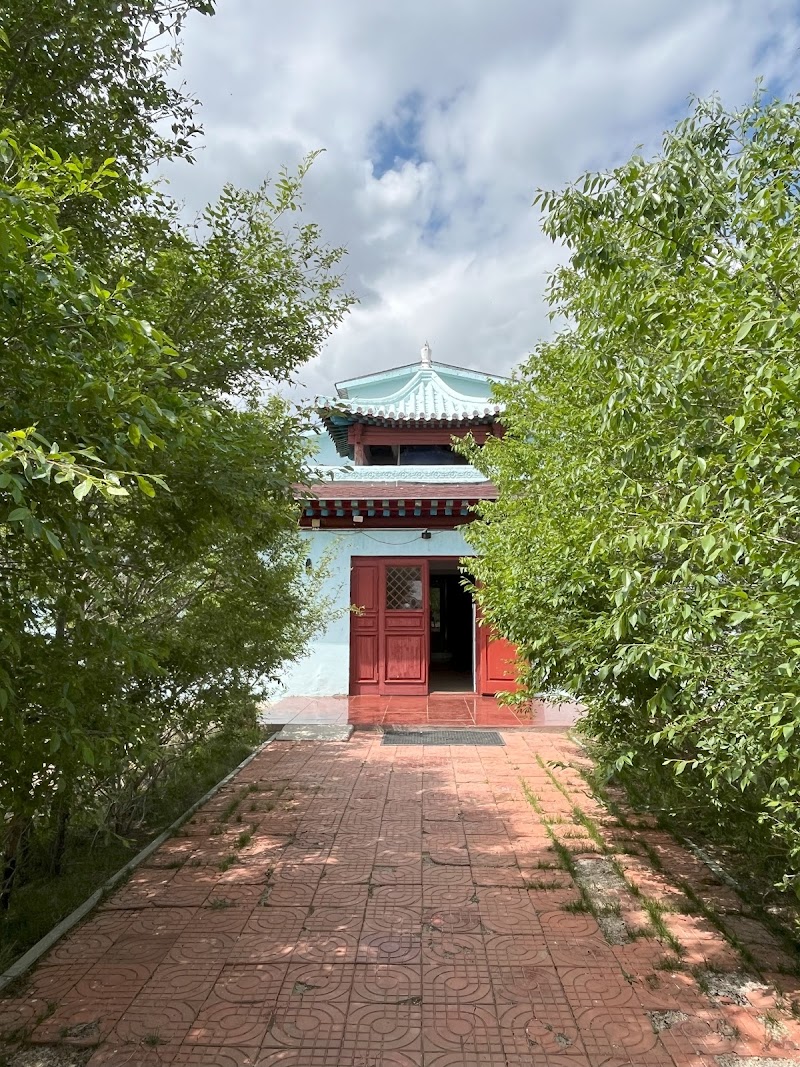


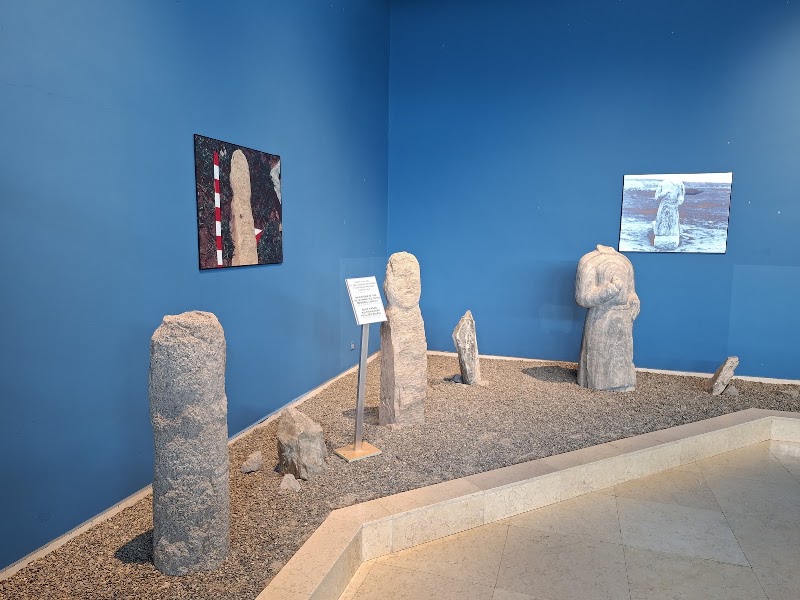
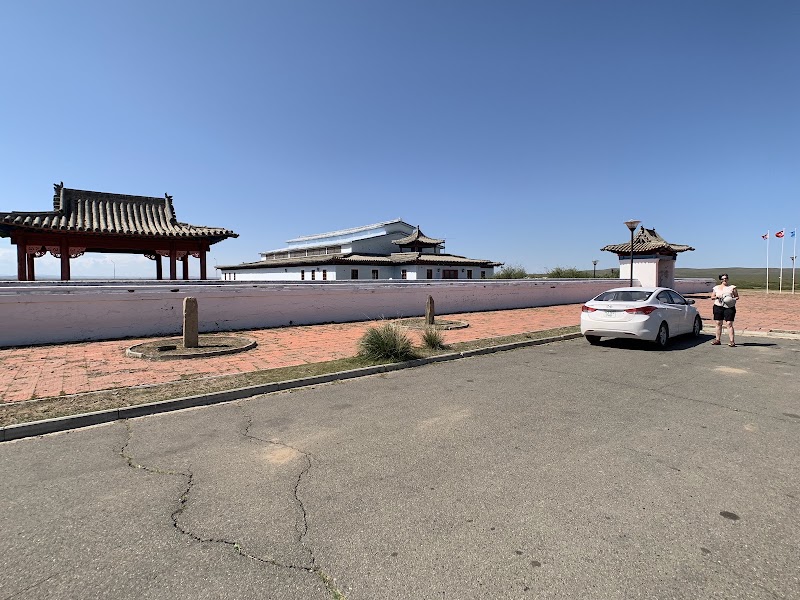
Photos published by travelers on Google, not AI generated.
What stands out
- The Orkhon Inscriptions
- Bilge Khagan and Kül Tigin steles
- Early Turkic history and artefacts
- Paved-road access from Kharkhorin
Worth knowing
- Museum is far from Ulaanbaatar
- Compact collection
- Photography restrictions and mixed staff reports
Don't miss
What comes up most in public reviews
- See the Orkhon Inscriptions
- Examine the Bilge Khagan stele
- Look for the Kül Tigin stele
- Ask research staff about the pre-Chinggis empires
Worth the trip?
Why it matters
The Göktürk Museum at Khoshoo Tsaidam, also described by reviewers as the Orkhon Inscriptions Museum, holds exceptional importance for anyone interested in Mongolian, Central Asian or Turkic history. Its defining exhibits are the Orkhon Inscriptions, early written records associated with the Göktürks and repeatedly described by visitors as powerful symbols of Turkish history and identity.
Public reviews often dwell on the emotional weight of seeing these monuments in their original regional context. The steles connected with Bilge Khagan and Kül Tigin attract particular attention. Several travellers consider the collection significant enough to command a prominent place in a major European or American museum, making its remote setting part of the experience.
The site also helps explain the empires that shaped this region before Chinggis Khan. That broader context is one reason history enthusiasts tend to rate it highly. The museum has a Google rating of 4.5 from 136 reviews.
What the visit is like
This is a compact museum rather than an extensive national collection. Visitors should expect focused displays centred on the inscriptions, excavated material and the beginnings of recorded Turkic history. Those with a strong interest in the subject may spend longer examining the artefacts and interpretation, while casual visitors could find the museum relatively small.
The quality of the collection is the clearest point of agreement across reviews. Words such as “interesting,” “informative” and “world class” recur in descriptions of the material. Some visitors also praise the research staff for helping explain the site and its historical setting.
Experiences with service are less consistent. One review describes helpful research staff, while another reports unfriendly supervision and excessive attention to the photography rules. Photography appears to be restricted unless visitors obtain the relevant package, so it is sensible to clarify the current policy before taking out a camera or phone.
Getting there
Location confusion is a recurring issue in public listings and reviews. The museum is not close to Ulaanbaatar. One reviewer places it about 45 kilometres north of Kharkhorin and reports that the approach is on a good paved road. Travellers planning an Orkhon Valley itinerary should verify the map pin and route rather than relying on reviews that may concern a different place.
Its isolated position can make the museum feel unexpectedly ambitious, but it also connects the inscriptions to the landscape in which they were created and discovered. It works best as a deliberate historical stop from Kharkhorin, not as an assumed attraction within the capital.
Editorial verdict
The museum’s modest scale and mixed reports about management prevent it from being an effortless recommendation for every traveller. For visitors interested in early Turkic states, written language or pre-Chinggis regional history, however, the importance of the inscriptions outweighs those shortcomings.
The strongest approach is to arrive with some background knowledge, allow time to read the interpretation and ask available research staff for context. Visitors primarily seeking a large, polished museum may be underwhelmed. Those drawn to rare primary evidence and historically charged artefacts are more likely to consider the journey worthwhile.
Ask anything
Looking for somewhere else?
Keep exploring
More from Mongolia
Mongolia
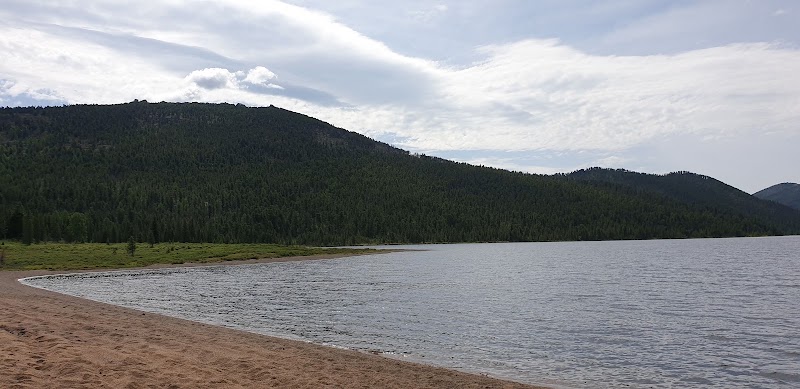
Khan Khentii: Mountains, Forests and Nomadic Landscapes
Public reviews portray Khan Khentii as a tranquil expanse of green valleys, forests and mountains suited to slow outdoor exploration.
Mongolia · Dalanzadgad
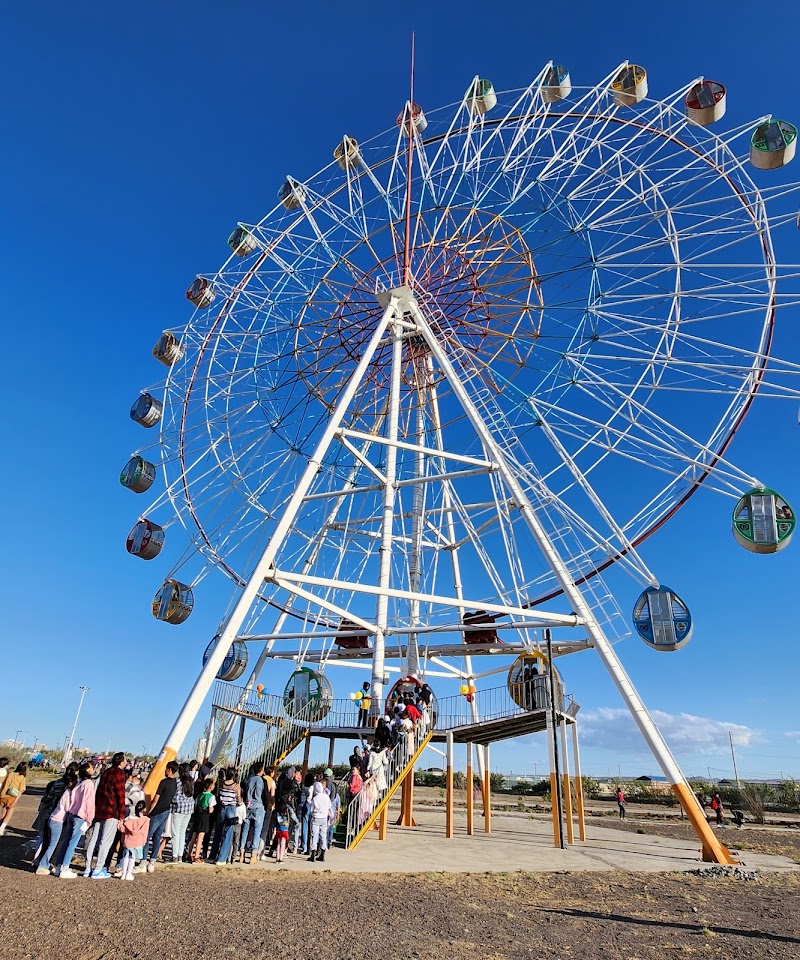
Ömnögovi Aimag Culture & Recreation Center review
Dalanzadgad’s dinosaur-themed recreation park offers a short, family-friendly stop, though ageing sculptures and faulty animatronics temper expectations.
Mongolia · Ulaanbaatar
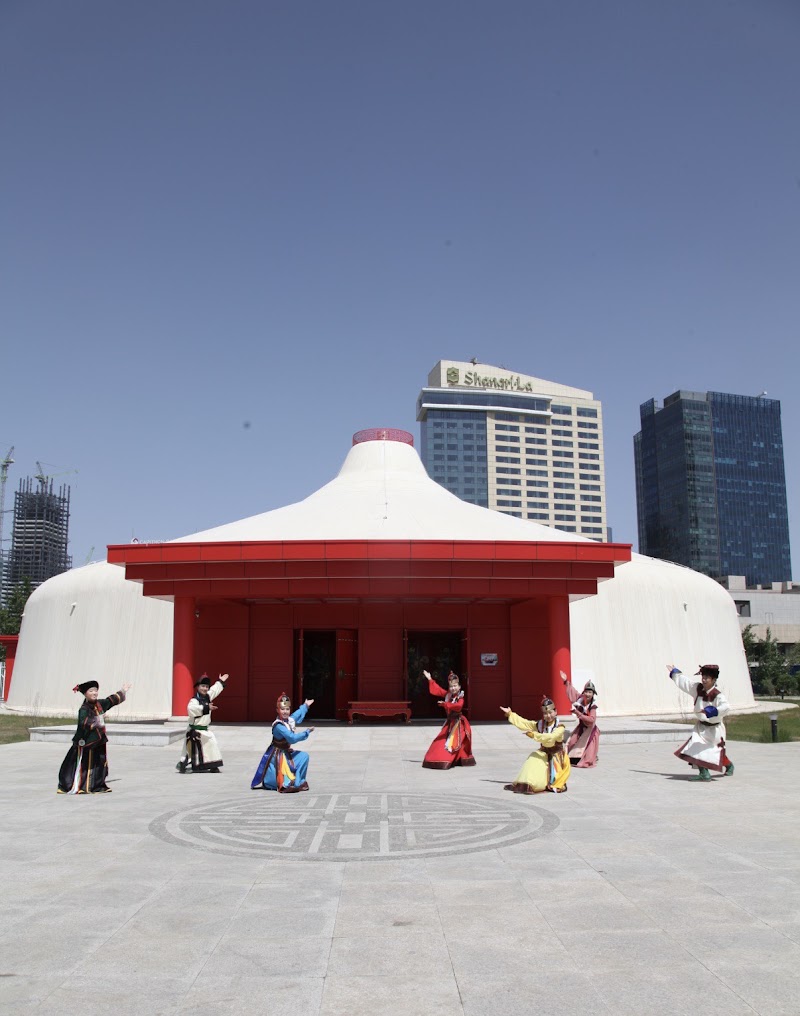
Tumen-Ekh packs Mongolian performance into one vivid hour
Throat singing, horsehead fiddle, dance and contortion make this compact Ulaanbaatar folklore show a strong cultural introduction.
Mongolia · Ulaanbaatar
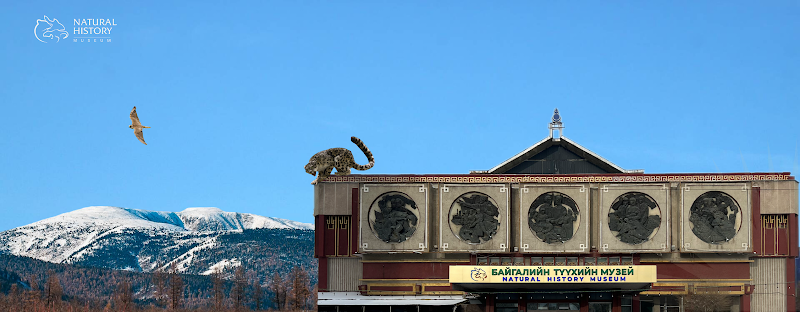
Dinosaurs and deep time in central Ulaanbaatar
Mongolia’s natural history collection stands out for dinosaur fossils and meteorites, though some displays feel dated or lack English text.