Goethe-Schiller-Denkmal: Weimar’s Literary Landmark
This bronze monument outside the German National Theatre anchors Weimar’s cultural centre and makes a concise stop on a city walking route.

More photos
Photos published by travelers on Google, not AI generated.
What stands out
- Bronze Goethe and Schiller figures
- Setting outside the German National Theatre
- Pretty central square
- Nearby restaurants and city views
- Strong link to Weimar’s cultural history
Don't miss
What comes up most in public reviews
- Compare the figures’ equal height
- See the German National Theatre
- Visit Goethe and Schiller rooms in the palace
- Look for the Orthodox Chapel
- Relax in the square
Worth the trip?
Why visit
The Goethe-Schiller-Denkmal is one of Weimar’s defining sights. The bronze figures of Johann Wolfgang von Goethe and Friedrich Schiller stand together outside the German National Theatre, facing the square that many public reviews describe as the centre of the city. Google reviewers give the landmark 4.6 from 2,588 reviews, with repeated praise for its setting, cultural importance and easy place in a wider visit to Weimar.
The monument is more than a statue stop. It represents two of the city’s most recognisable literary figures, and the surrounding area connects directly with Weimar’s broader history. Reviews place it within a city shaped by Goethe, Schiller, Herder, Bach, Liszt, Cranach and the Bauhaus. That context gives the visit weight, even though the monument itself can be seen quickly.
What visitors notice
A detail mentioned in the reviews is the figures’ equal height. Schiller was naturally taller, but Goethe requested that the statues be made the same height. It is a small point that adds character to the usual photograph and gives visitors something specific to look for.
The square also receives consistent approval. Reviewers call it pretty and suitable for sitting, relaxing and taking in the surrounding views. Restaurants are mentioned nearby, making the monument an easy pause during a walk rather than a detached attraction requiring a separate excursion. One reviewer describes walking there from the train station, suggesting that it fits comfortably into an arrival-day itinerary for visitors exploring central Weimar on foot.
Building it into a Weimar visit
The monument works best as an anchor for a larger cultural circuit. The German National Theatre is directly behind it, while reviews also point visitors towards the palace and its rooms dedicated to Goethe and Schiller. The Orthodox Chapel is another nearby sight mentioned in the wider list of Weimar attractions. These places help explain why the statue remains such a prominent city symbol.
A short stop can cover the monument, the square and photographs. Travellers with more time can use it as a starting point for exploring Weimar’s literary and artistic history. The public feedback does not identify a specific visiting hour as superior. One review says the square retains its charm in summer, winter, spring and autumn, so the attraction is suitable across the year.
Practical verdict
The Goethe-Schiller-Denkmal suits first-time visitors, literature enthusiasts and travellers building a compact walking itinerary. It does not require a long visit, but it rewards attention to its setting and the story behind the paired figures. The main value lies in the combination of monument, theatre, square and cultural surroundings.
It is a straightforward stop with strong public approval. Visitors should allow extra time for the nearby sights rather than treating the statue as the whole experience. For anyone exploring Weimar’s historic centre, this is an essential reference point.
Plan the rest of the trip
Ask anything
Looking for somewhere else?
Keep exploring around Weimar
More from Germany
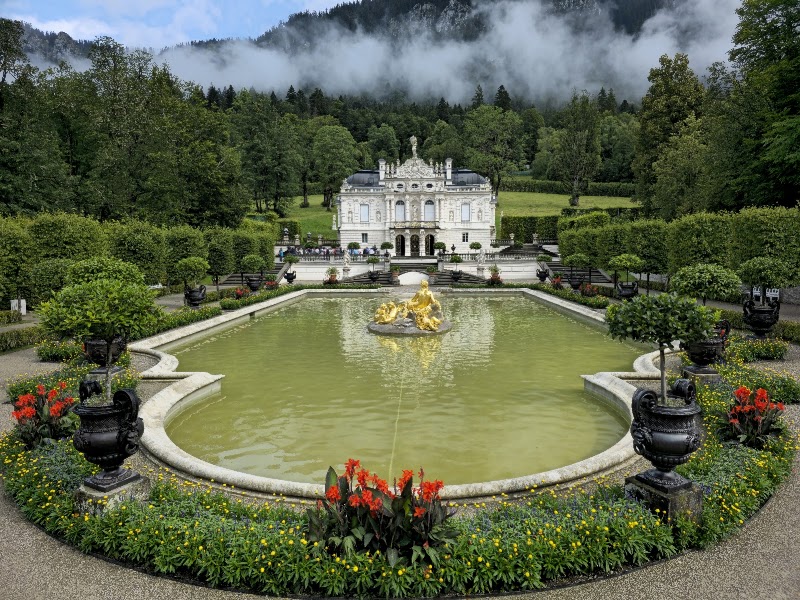
Germany · Ettal
Linderhof Palace: Ornate Rooms and Mountain Gardens
Linderhof Palace pairs richly decorated interiors with landscaped grounds, fountains and mountain scenery near Ettal in southern Germany.
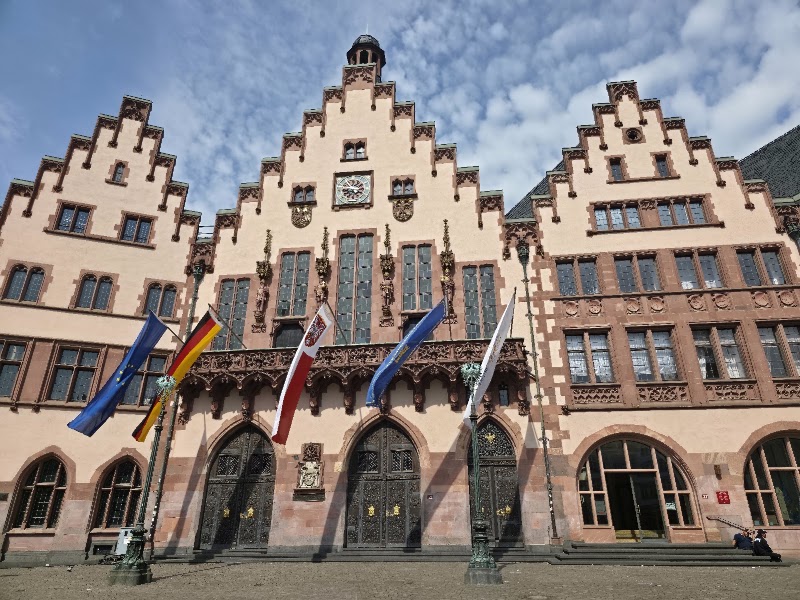
Germany · Frankfurt am Main
Römerberg: Frankfurt’s Historic Square in the City Centre
Römerberg gives visitors a compact, atmospheric look at Frankfurt’s historic heart, with half-timbered façades, a cobblestone square and the Römer.
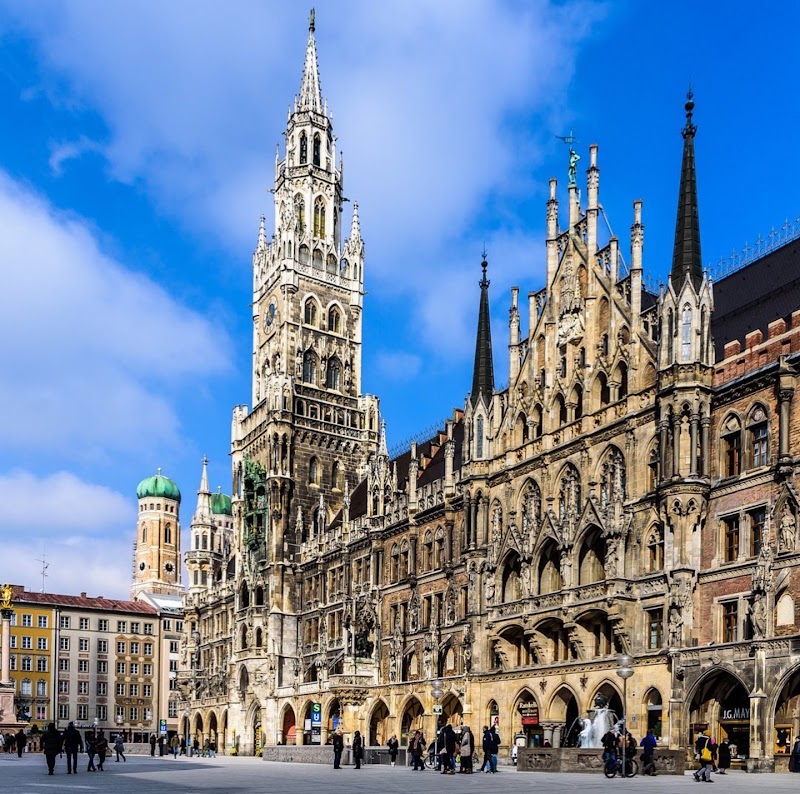
Germany · München
Marienplatz, Munich’s Historic Civic Stage
Munich’s central square brings together the New Town Hall, the Glockenspiel and a steady flow of visitors, shops and places to eat.
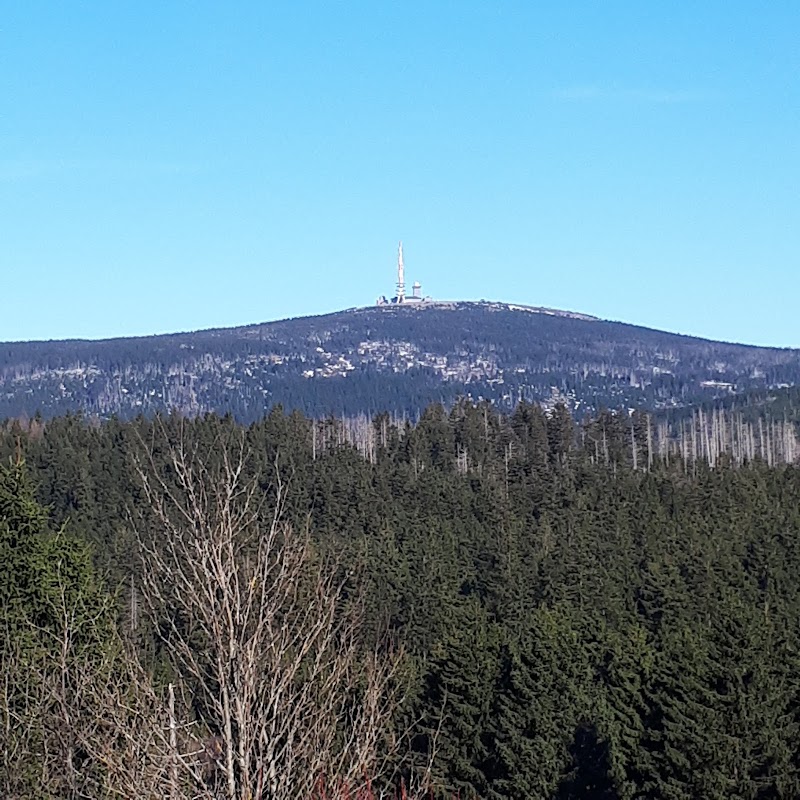
Germany · Oberharz am Brocken
Harz: Scenic Hiking and Mountain Views in Oberharz am Brocken
Public reviews describe the Harz as a relaxing outdoor area with family-friendly hikes, historic buildings and memorable mountain views, alongside serious forest damage.