Gobustan National Park Museum: Rock Art and Deep Time
A modern museum introduces Gobustan’s prehistoric carvings before an atmospheric walk through its stark, rock-strewn landscape.
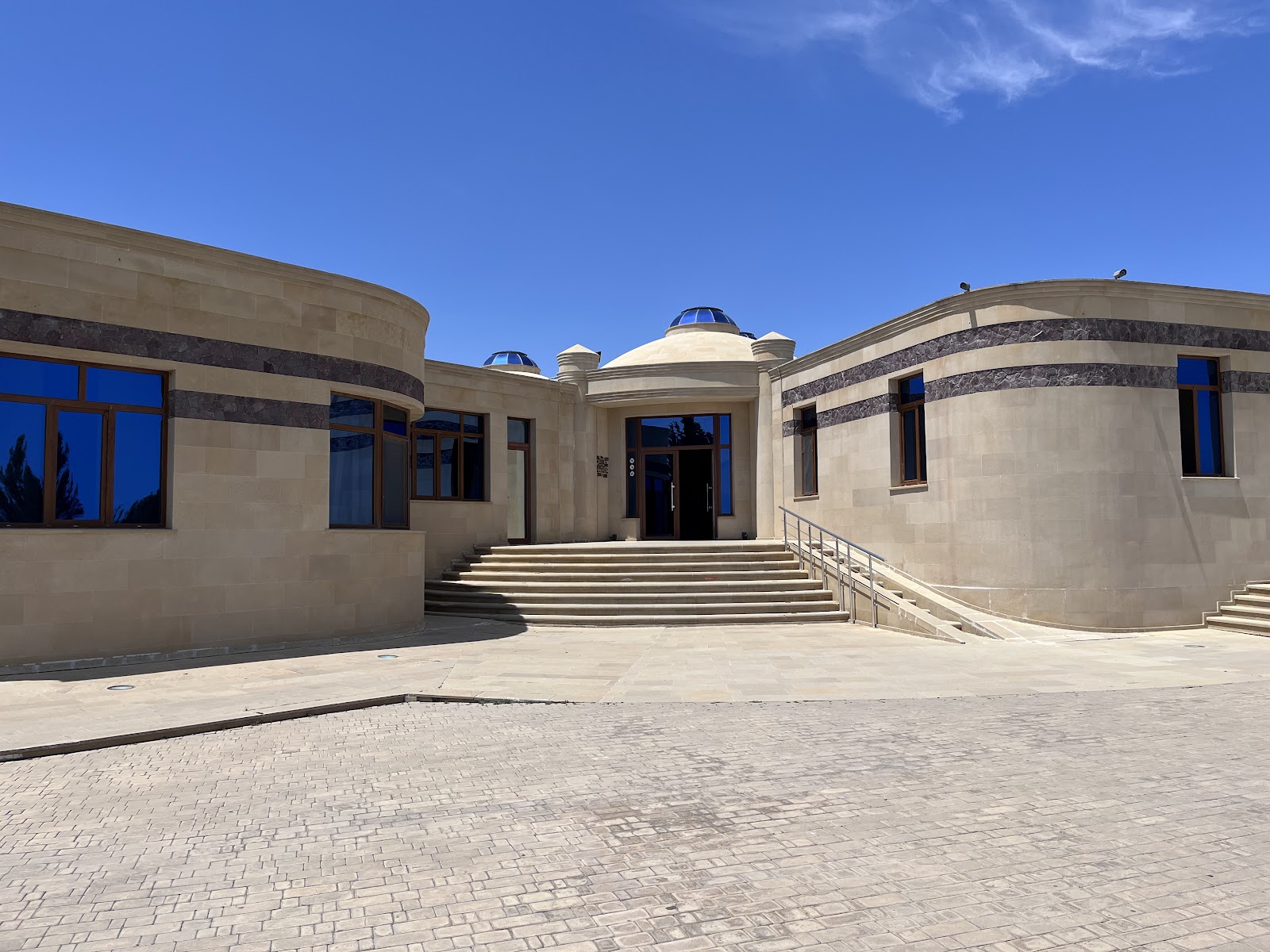
More photos


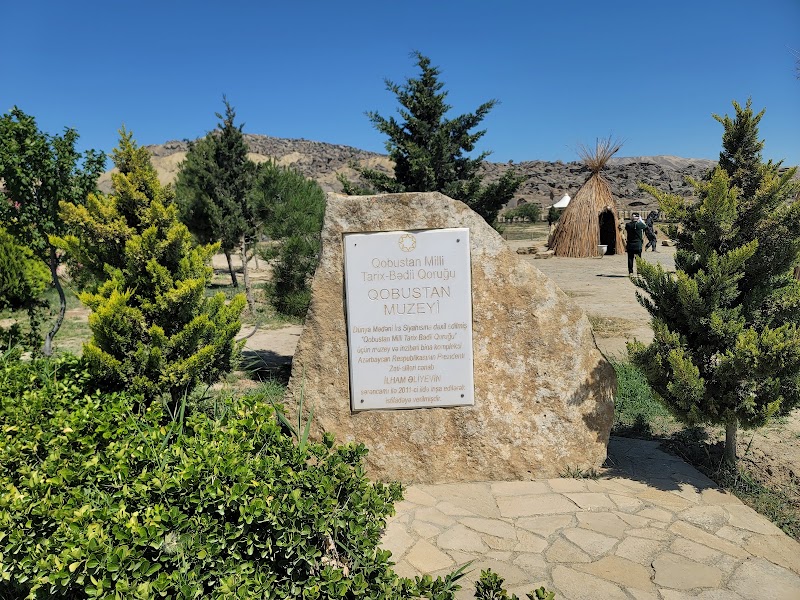

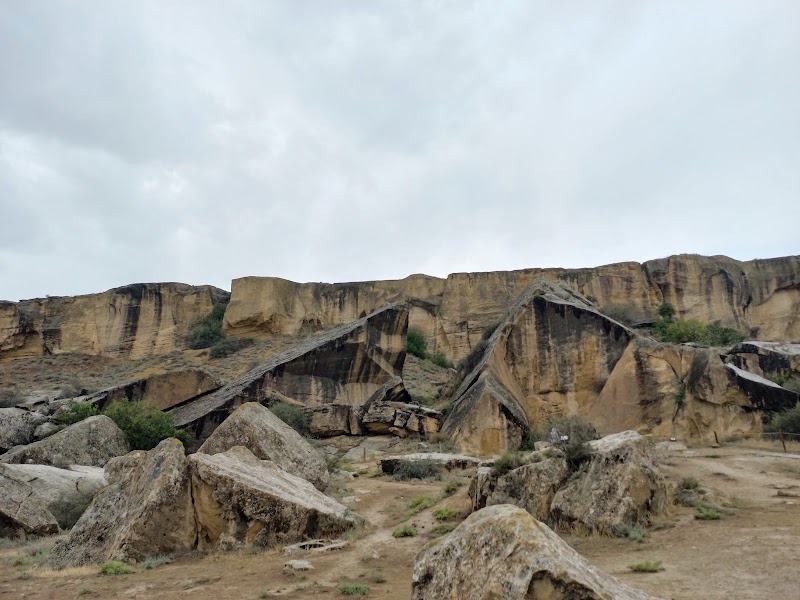
Photos published by travelers on Google, not AI generated.
What stands out
- Ancient petroglyphs in their original setting
- Modern museum introduction to prehistory
- Open, rocky plateau and expansive views
- Geology and Paleolithic-era displays
Worth knowing
- The open plateau can feel windy and exposed
Don't miss
What comes up most in public reviews
- Museum exhibits on geology and prehistory
- Petroglyphs depicting hunters, boats and rituals
- Outdoor rock-art walk
Worth the trip?
Why Gobustan stands out
Gobustan National Park Museum pairs an accessible indoor introduction with an outdoor landscape that reviewers repeatedly describe as powerful, open and otherworldly. Its main draw is the collection of ancient petroglyphs scattered among natural rock formations, including depictions of hunters, boats and ritual scenes. Rather than appearing in a conventional gallery, the carvings remain part of the terrain in which they were created.
That setting shapes much of the visitor response. Public reviews dwell on the scale of the plateau, its silence and the sense of moving far beyond modern Baku. The combination of exposed stone, broad views and traces of prehistoric life gives the site an atmosphere that a museum building alone could not reproduce. Gobustan holds a Google rating of 4.4 from 1589 reviews, reflecting strong enthusiasm for both its archaeological importance and its landscape.
The museum experience
The museum provides context before the rock-art walk. Reviewers describe it as small, modern and well designed, with material covering Azerbaijan’s geology as well as the Paleolithic and Neolithic eras. The displays help explain how communities lived in the region and why the carvings matter.
One detailed review highlights interactive touchscreens, multimedia exhibits, 3D videos and a 3D cinema. These features appear particularly useful for visitors who want more than a quick look at the rocks, bringing prehistoric environments and human activity into clearer focus. Other reviews praise the museum more generally as a place to study the country’s geological and ancient past.
The indoor section is therefore more than a waiting room for the main archaeological site. It gives structure to what follows, helping visitors recognize subjects and themes in carvings that might otherwise be easy to pass over.
Petroglyphs and plateau views
Outside, the experience becomes less about display cases and more about place. Reviews frequently mention the petroglyphs, rocky surroundings and expansive views. Walking through the park reveals carvings in their original setting, where natural stone formations, wind and open ground reinforce the passage of time.
The rock art itself receives the strongest praise. Visitors single out images linked to hunting, boats and communal rituals, while broader comments emphasize the impression of human presence surviving across millennia. The carvings are not described as visually monumental. Their effect comes from their age, location and relationship with the surrounding terrain.
Some reviewers also mention a natural stone garden near the museum, while another notes distant mud volcanoes as part of the wider scenery. Together, these elements make Gobustan as much a landscape visit as a conventional museum stop.
Planning the visit
The museum and nearby outdoor rock-art area are commonly treated as one combined visit. The museum makes the most logical first stop, followed by the petroglyph trail and time to take in the views. Allowing half a day gives both components room without reducing the outdoor site to a rushed photo stop.
The plateau is described as open, stark and windy, so the outdoor portion may feel exposed. Reviews do not establish a consistently preferred season or time of day, but they do suggest that the landscape is central to the experience. Visitors interested in archaeology, geology and early human history are likely to get the most from Gobustan, particularly when the museum displays are used to interpret the carvings outside.
Ask anything
Looking for somewhere else?
Keep exploring around Baku
More from Azerbaijan
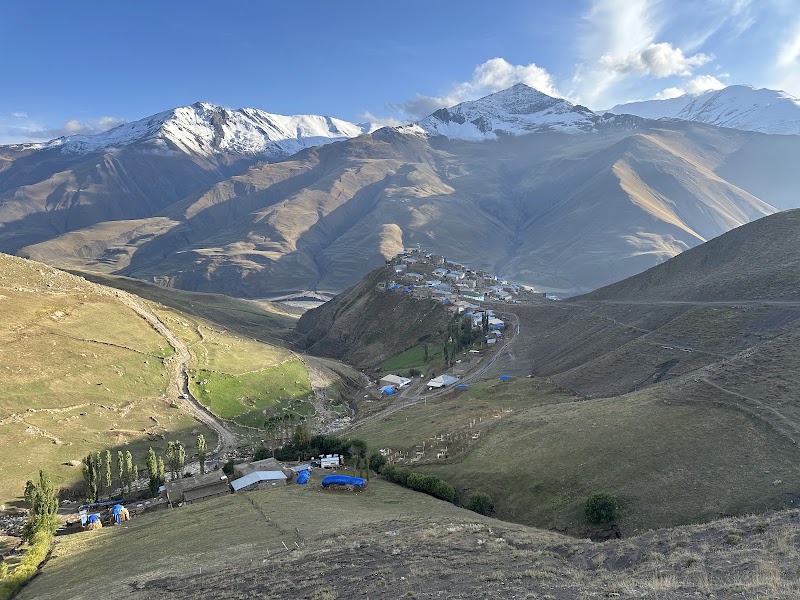
Azerbaijan · Khinaliq
Khinaliq Viewpoint: High-Mountain Scenery and Village Life
Khinaliq pairs far-reaching mountain views with hiking terrain and an unpolished village experience reached largely by asphalt road.
Azerbaijan · Bakı
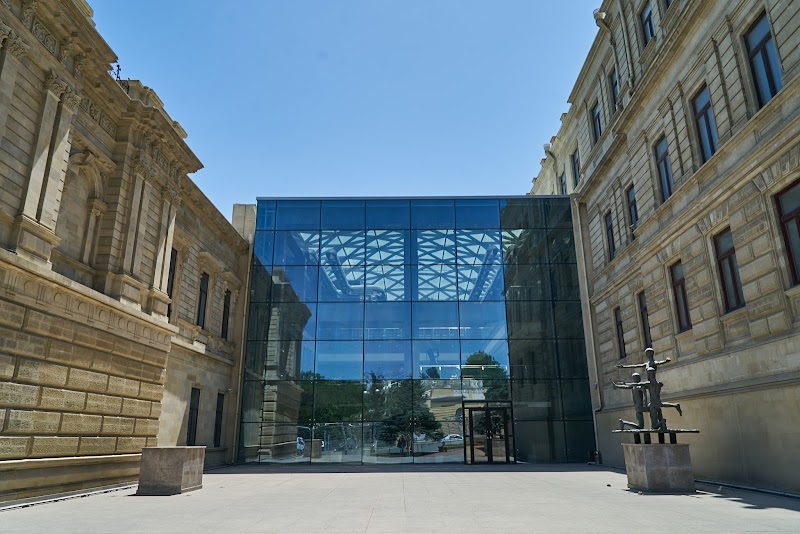
Azerbaijan State Museum of Art: Collection and Visitor Guide
A spacious Bakı museum with memorable painting halls, a central location and mixed feedback about staff interactions.
Azerbaijan · Baku
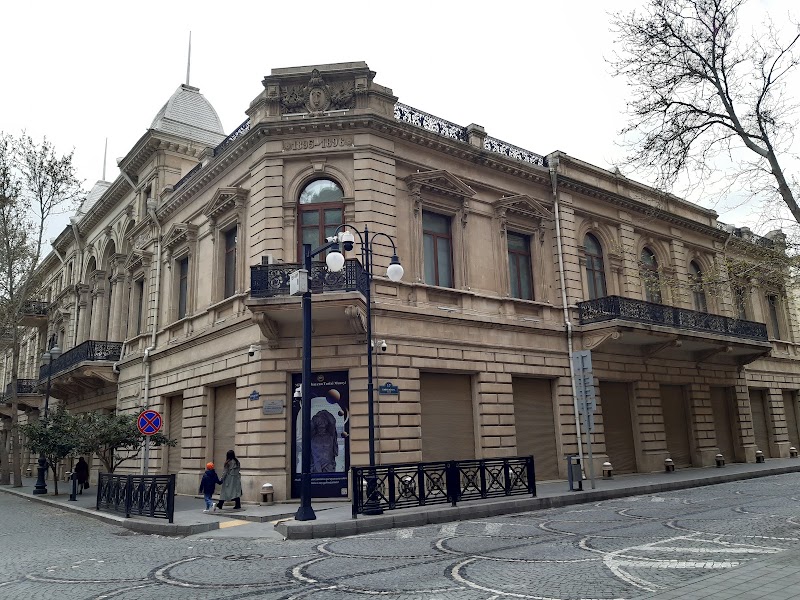
National Museum of History of Azerbaijan: Visitor Guide
Baku’s national history museum pairs a wide-ranging regional timeline with the grand interiors of a historic mansion.
Azerbaijan · Baku
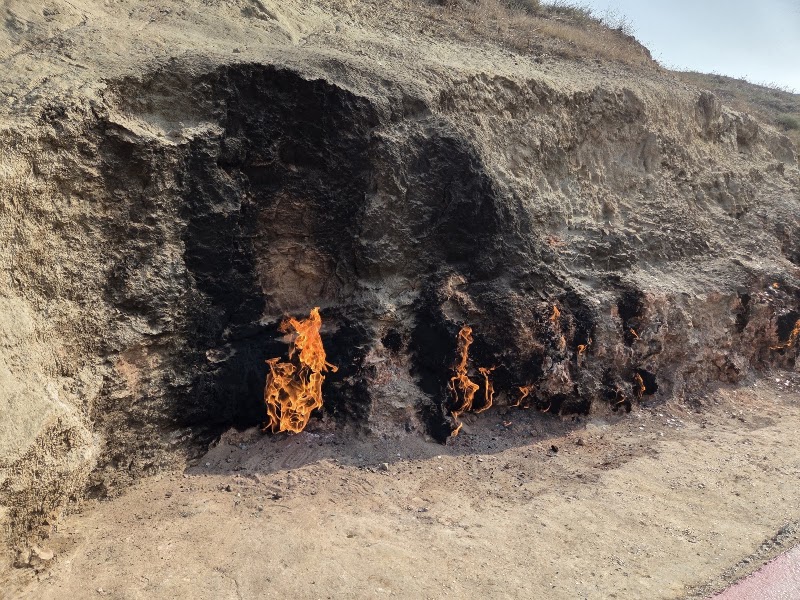
Yanar Dağ: Baku’s Continuously Burning Hillside
Natural-gas flames make Yanar Dağ a distinctive Baku stop, though reviews are divided over whether the relatively brief experience offers enough value.