Gjergj Kastrioti National Museum in Krujë
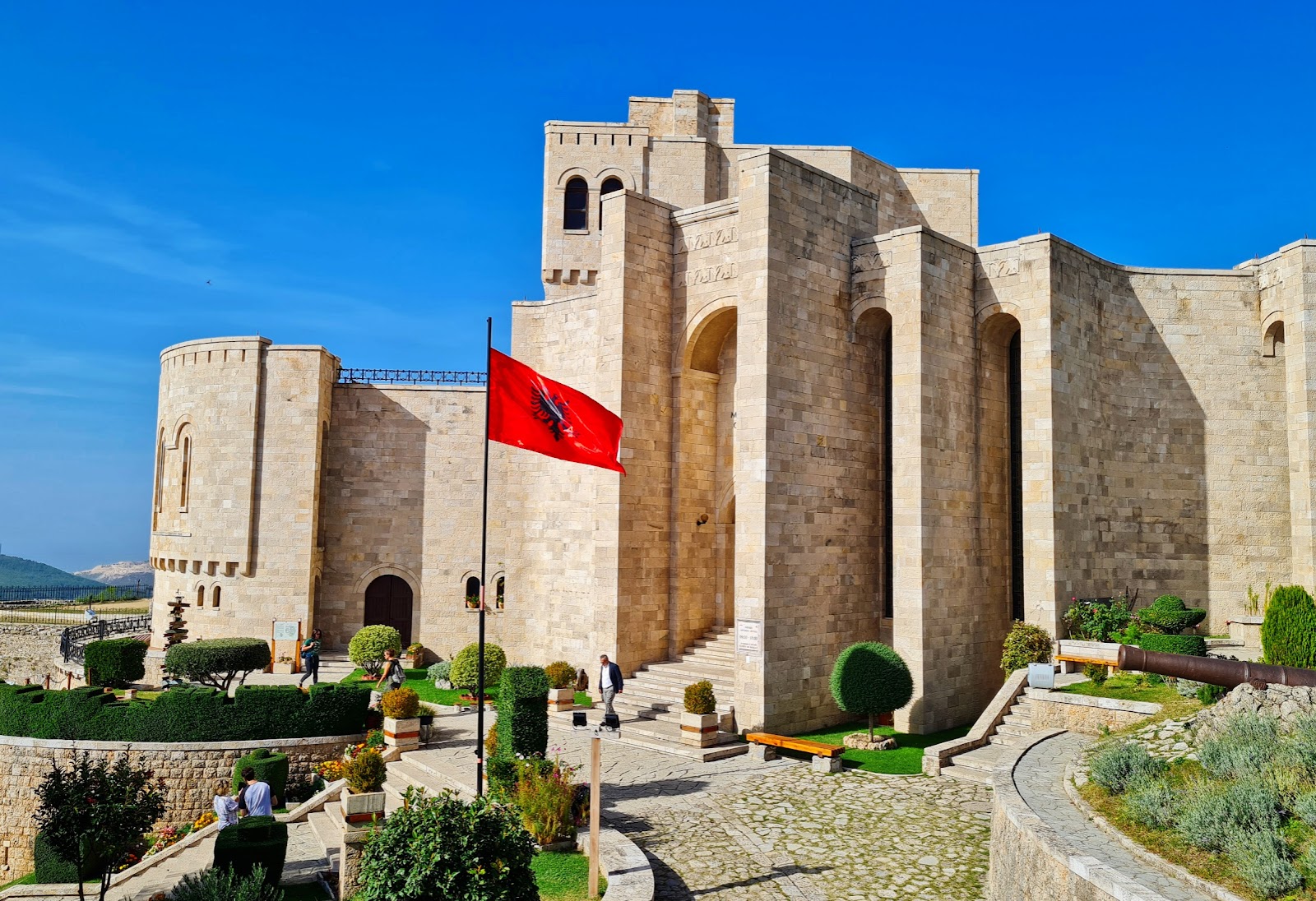
This compact castle museum pairs Albania’s Skanderbeg story with historic exhibits and broad views across Krujë and the surrounding countryside.
More photos
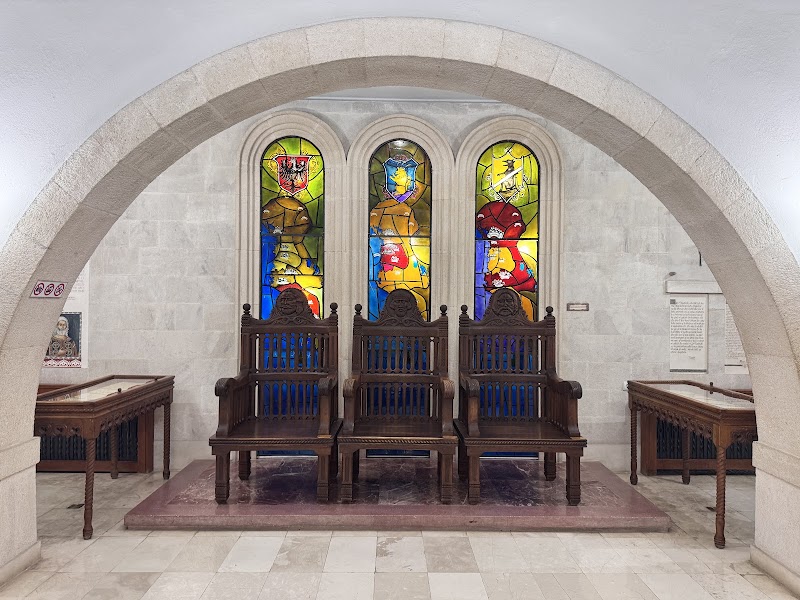
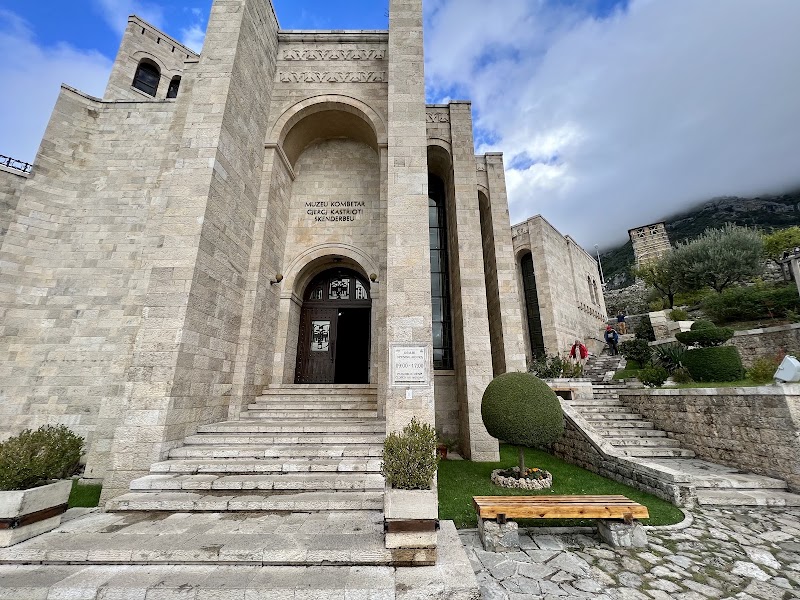
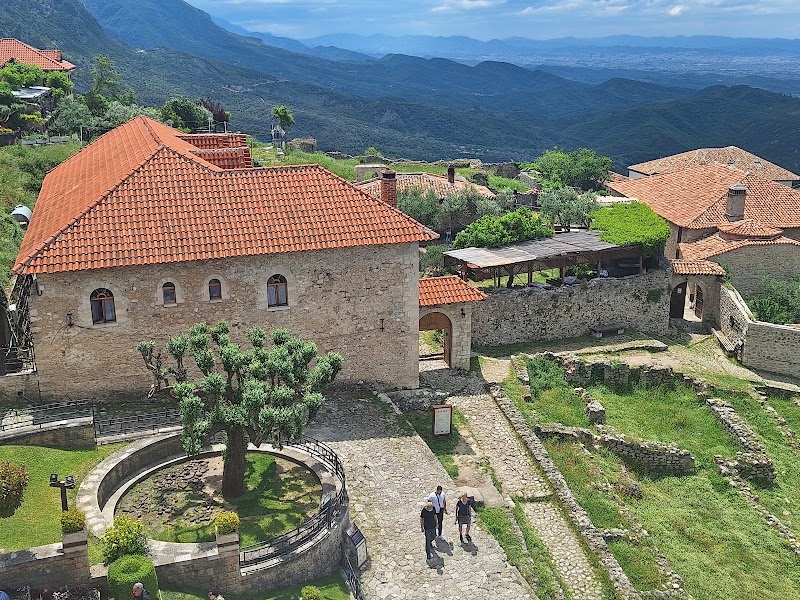
Photos published by travelers on Google, not AI generated.
What stands out
- Skanderbeg-focused historical displays
- Murals, sculptures, weapons and manuscripts
- Panoramic castle and countryside views
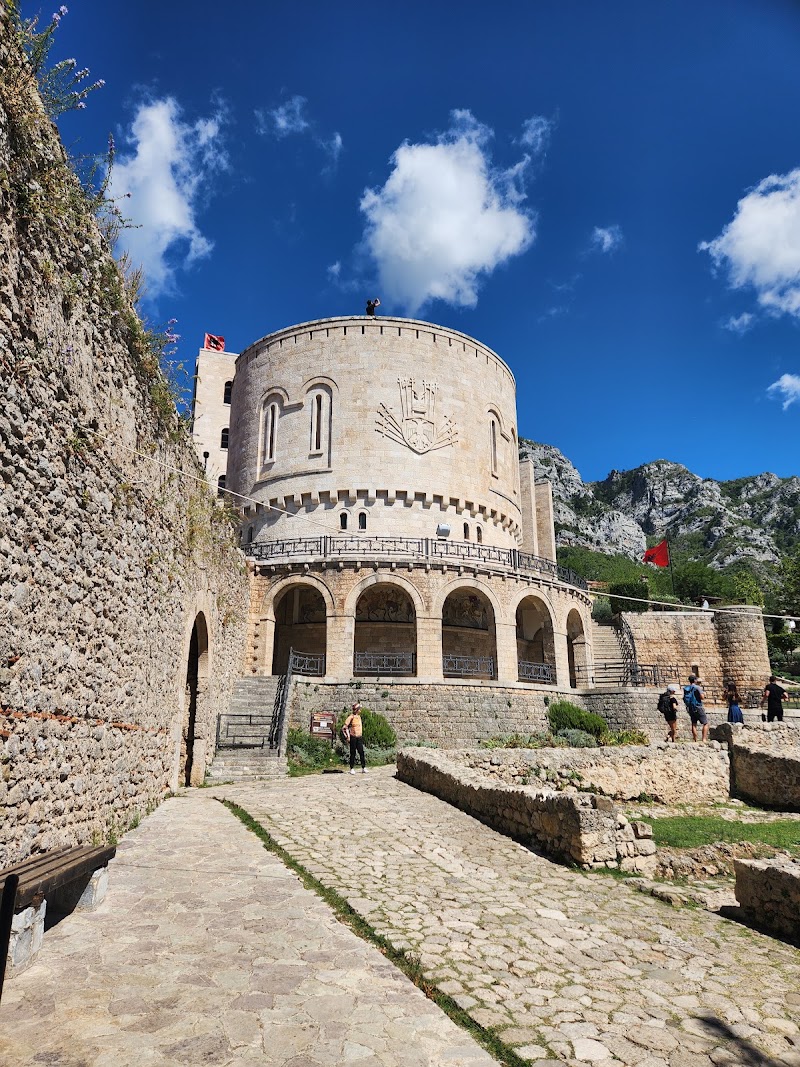
- Multi-floor museum within Krujë Castle
Worth knowing
- Much of the written interpretation is in Albanian
- Winter interiors may be very cold
- Eastern-style restrooms reported
Don't miss
What comes up most in public reviews
- Download the free guide
- Visit the upper outdoor viewing area
- See the weapons and manuscripts
- Walk the grounds inside the castle walls
Worth the trip?
Why it stands out
The Gjergj Kastrioti National Museum is the principal museum stop within Krujë Castle, focusing on the life and legacy of Albania’s national hero, Skanderbeg. Public feedback is notably positive: it holds a Google rating of 4.6 from 1909 reviews. Travellers repeatedly describe the visit as both informative and a source of Albanian pride, with the castle setting adding weight to the historical narrative.
Reviews suggest a compact museum rather than an exhaustive national collection. Even so, visitors often find that its sequence of rooms delivers a clear introduction to Skanderbeg and the conflicts that shaped his reputation. One returning visitor also found the museum updated compared with an earlier visit, praising the presentation and the prominence of Albanian-language interpretation.
What visitors can expect
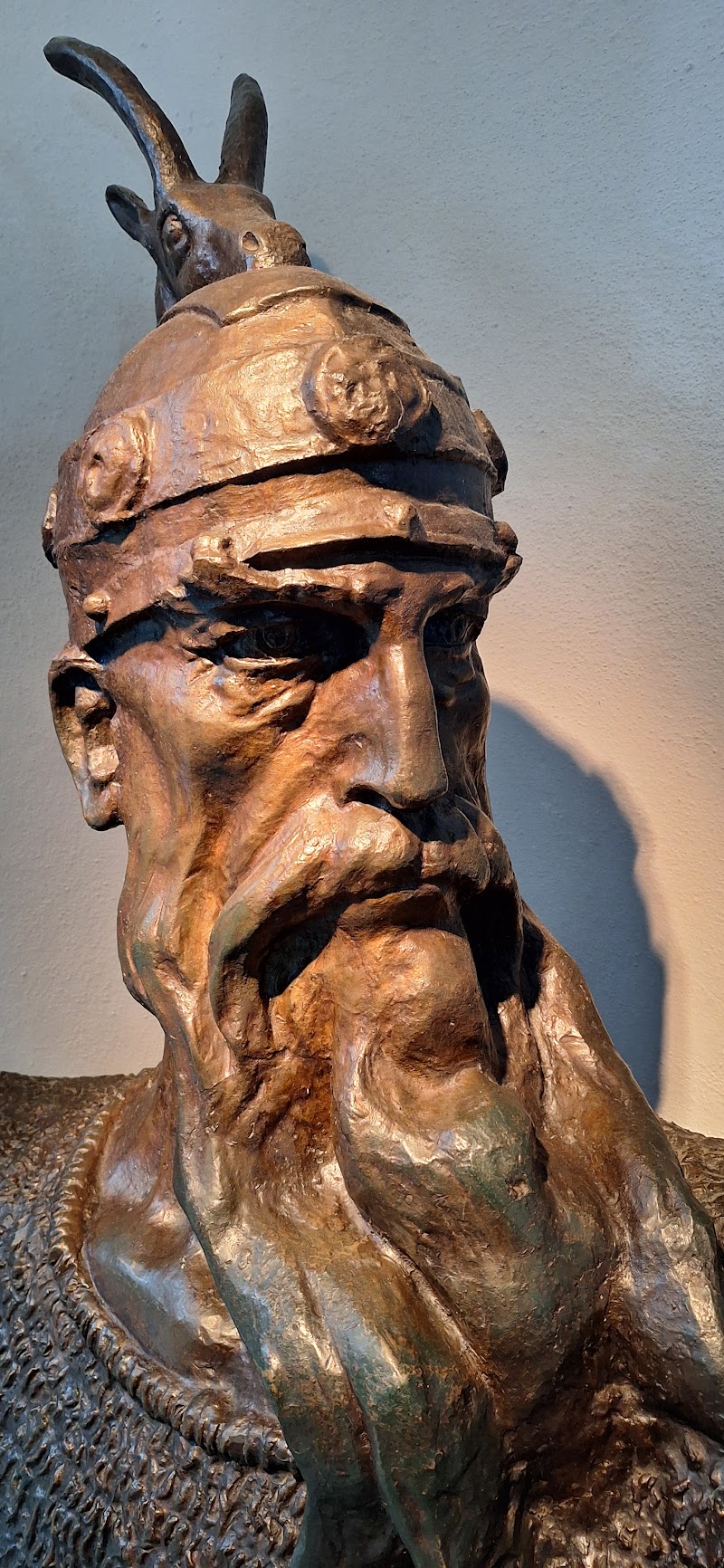
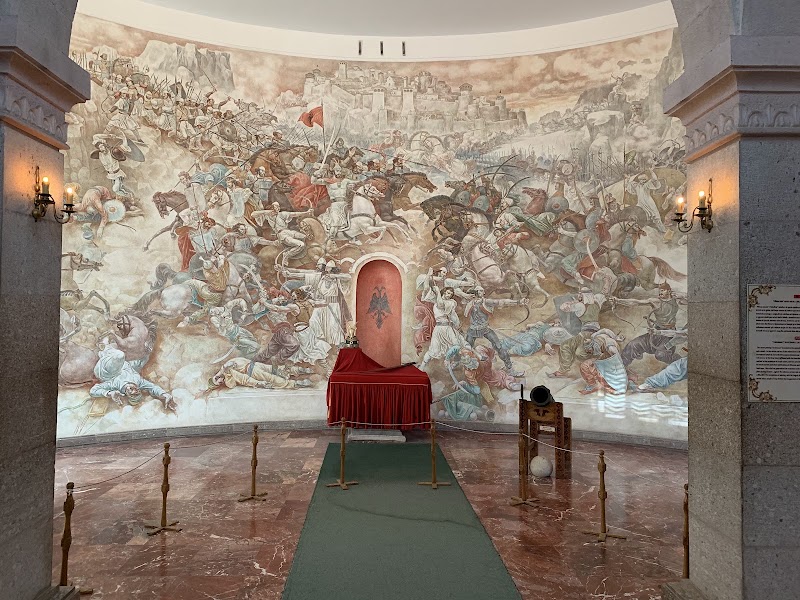
The displays extend across several floors and include murals, sculptures, artefacts, weapons and manuscripts. Reviewers praise the flow between spaces, while the imposing architecture and historical imagery give the museum a more dramatic character than its modest size might suggest. Those who arrive with some prior knowledge of Skanderbeg tend to find the collection easier to place in context.
Language provision is mixed. Some descriptions are available in English, but reviewers report that much of the written interpretation is in Albanian. A free guide is therefore worth downloading before or during the visit. This appears particularly useful for international travellers who want more than a quick visual tour.
Most visitors should allow at least an hour. The collection is manageable without rushing, though those reading the guide closely may stay longer. It works well as part of a broader visit to Krujë Castle rather than as an isolated stop.
Views and atmosphere
The museum’s upper outdoor area and the grounds within the castle walls receive recurring praise. From these vantage points, visitors can look over the castle, Krujë and the surrounding countryside and mountains. The views provide a natural pause after the indoor displays and are among the most consistently mentioned features in public reviews.
Conditions can vary with the season. A January visitor reported that the museum felt extremely cold inside, despite considering the experience worthwhile. Travellers visiting in winter may want to dress for an unheated historic interior rather than assume the galleries will be comfortably warm.
Practical verdict
This is a strong choice for travellers interested in Albanian history, national identity and castle architecture. The museum is small enough to fit into a half-day exploration of Krujë, yet substantial enough to reward visitors who use the guide and spend time with the exhibits. The main limitations are incomplete English interpretation, cold winter interiors and eastern-style restrooms noted by one reviewer.
Overall, public ratings and reviews present the museum as an essential part of a Krujë visit. Its strongest combination is the focused Skanderbeg narrative, memorable visual displays and panoramic setting inside the castle complex.
Ask anything
Looking for somewhere else?
Keep exploring around Krujë
More from Albania
Albania
Himara Old Town: Castle Ruins and Sweeping Coastal Views
Above modern Himarë, this inhabited old village combines weathered fortifications, historic churches, mountain scenery and broad views of the coast.
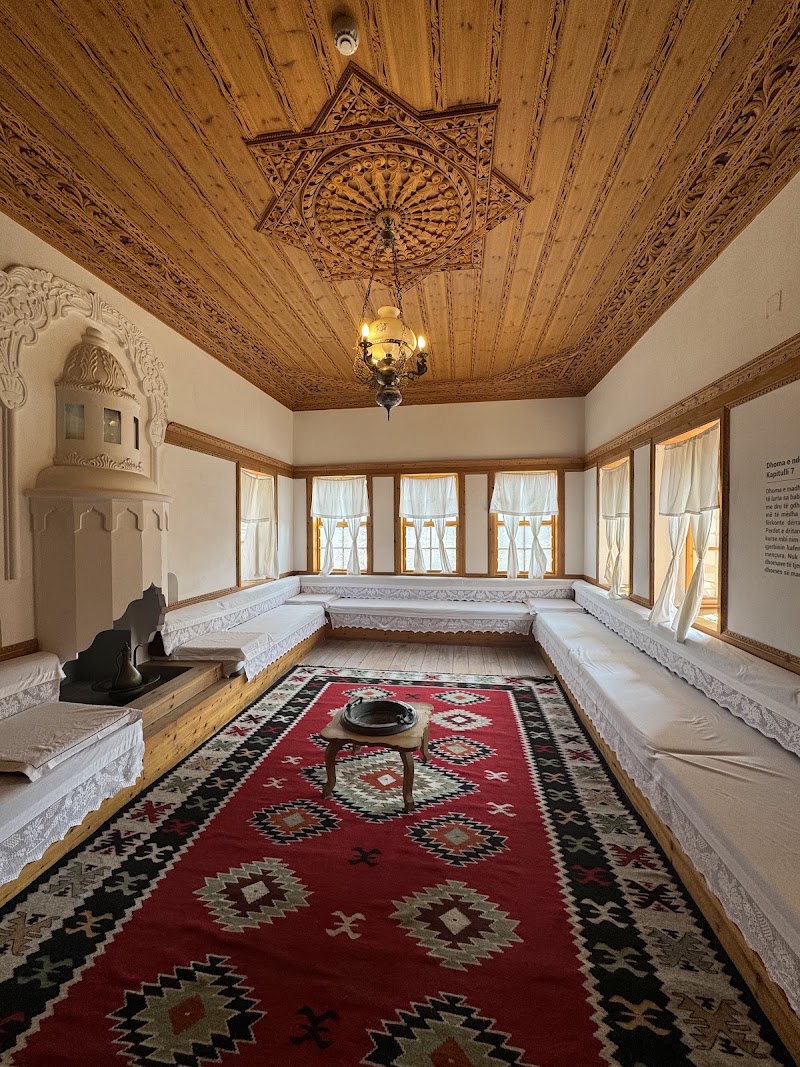
Albania · Gjirokastër
Ismail Kadare’s House: Stylish, Sparse and Divisive
This reconstructed Gjirokastër house offers a reflective introduction to Kadare’s childhood, though reviews question its depth and modern restoration.
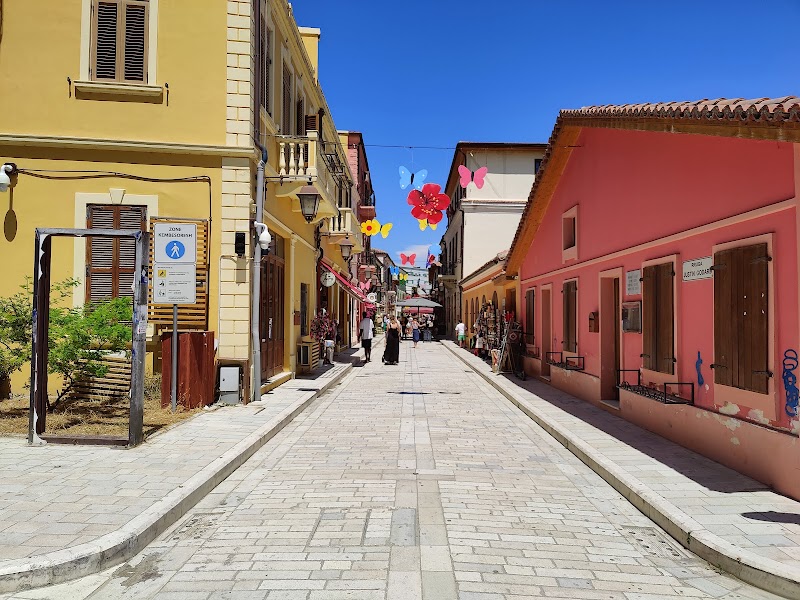
Albania · Vlora
Vlora Old Town: A Compact Quarter for a Leisurely Stroll
Restored façades, pedestrian lanes, cafés and nearby monuments make this small historic quarter a pleasant, if brief, Vlora stop.

Albania · Pojan
Apollonia Archaeological Park: ruins, views and quiet
Ancient ruins, a well-regarded museum and a peaceful hilltop setting make Apollonia one of Albania’s most rewarding historical stops.