Gidan Makama Museum: Kano’s history through art and objects
Public reviews praise this Kano museum for its broad historical collections, detailed interpretation and guides, though power cuts can affect comfort.
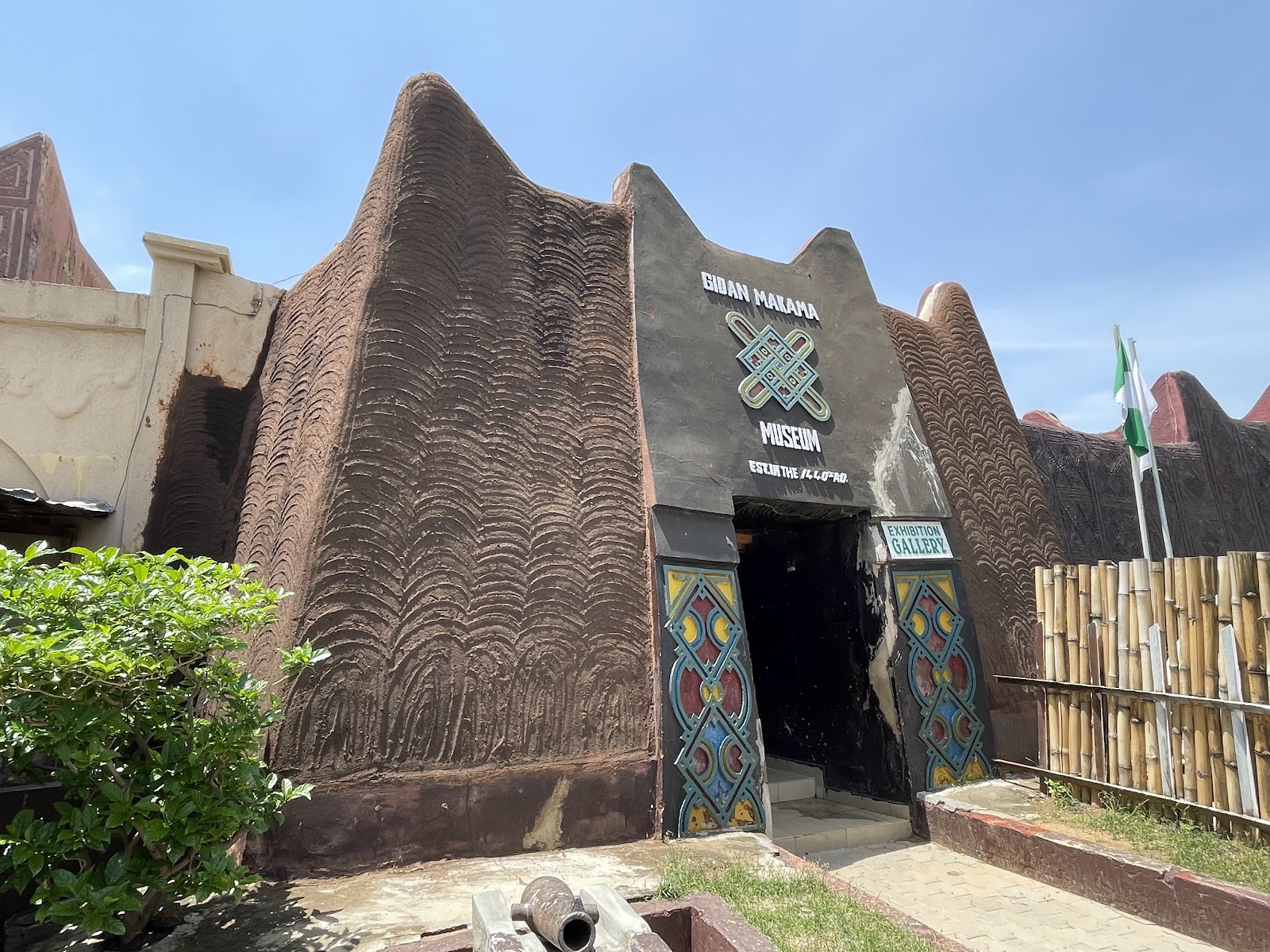
More photos
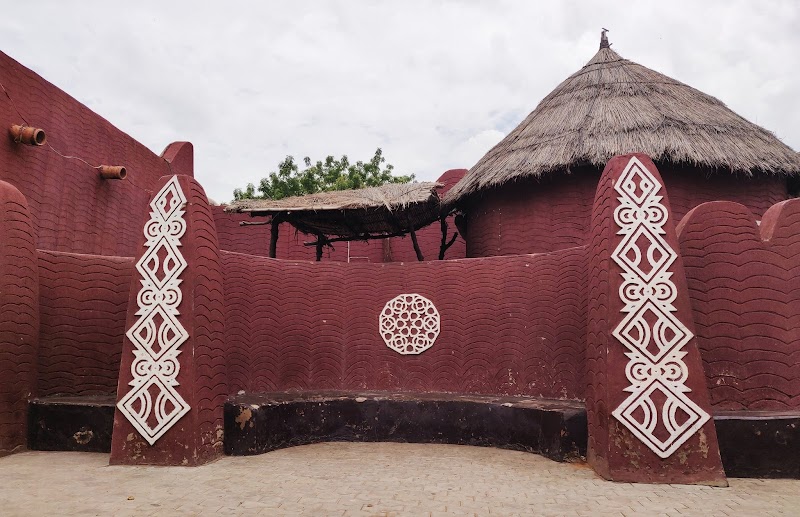
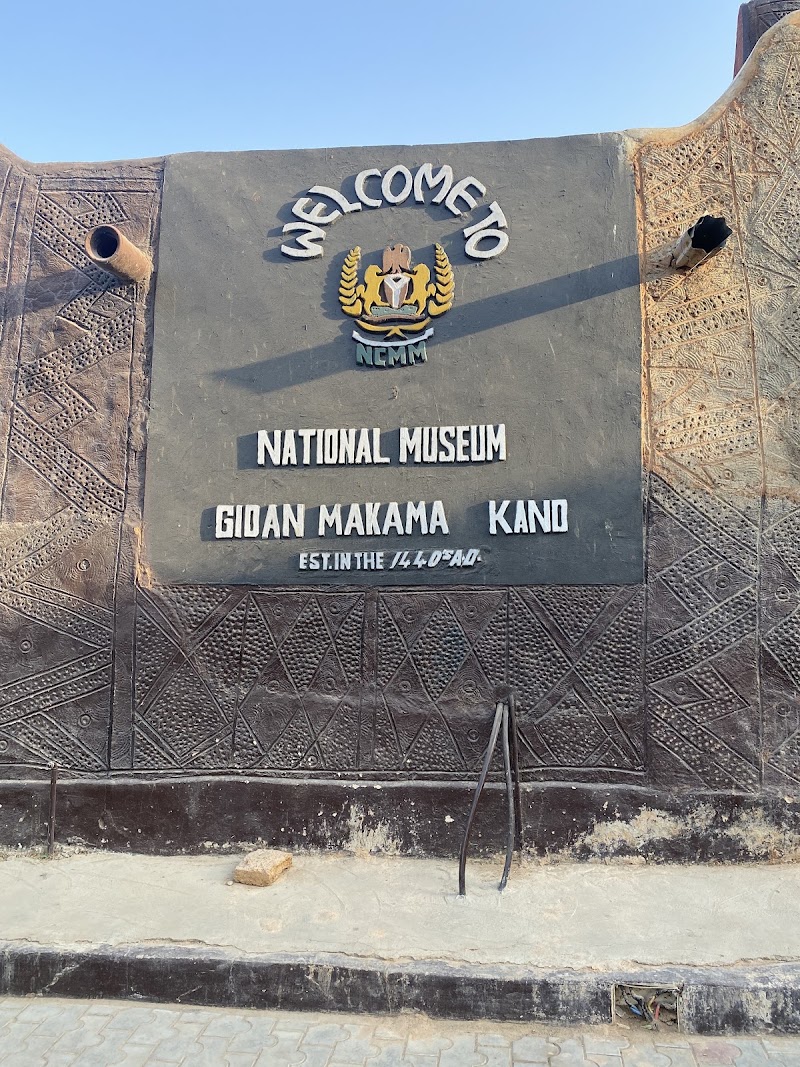
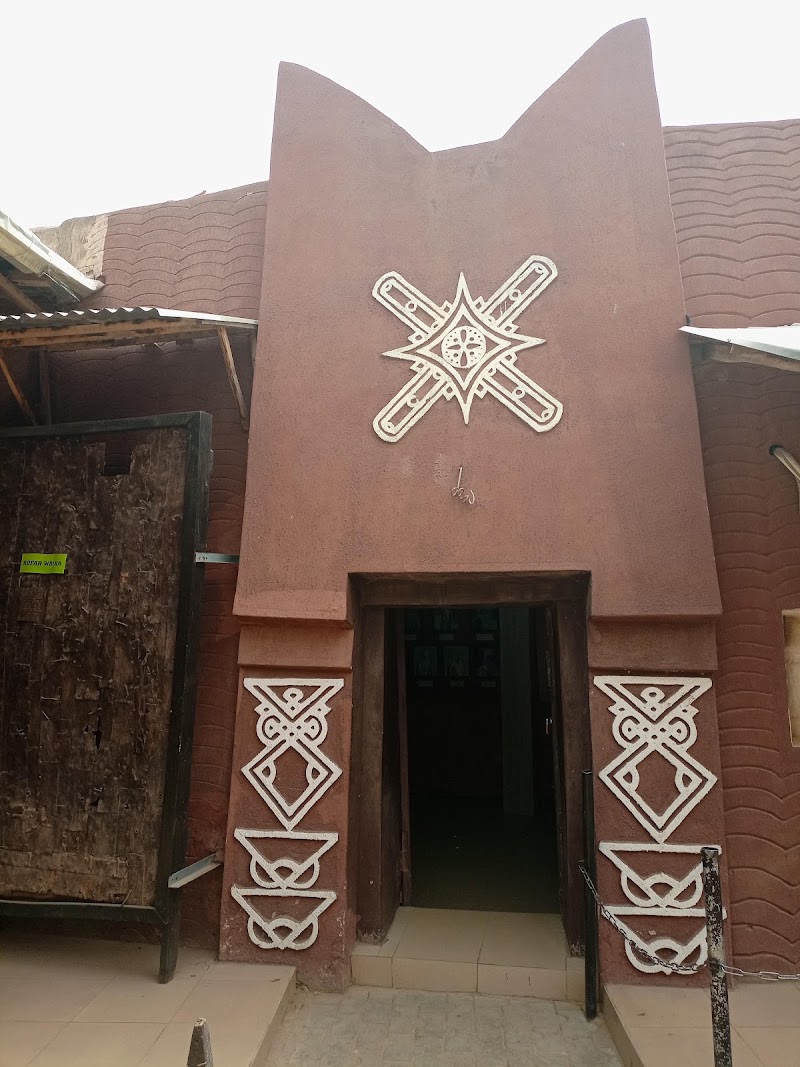


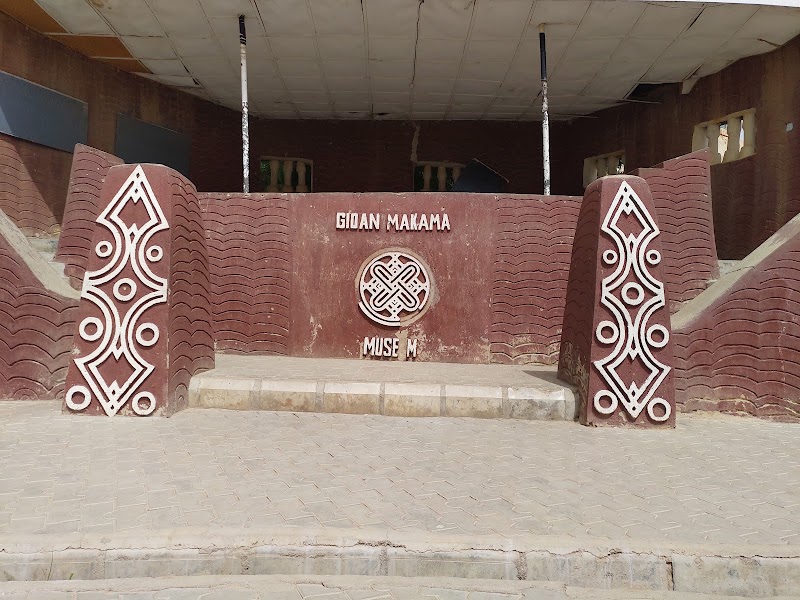
Photos published by travelers on Google, not AI generated.
What stands out
- Pre-colonial history of Kano
- Craft, art and artifact collections
- Clear and detailed explanations
- Knowledgeable museum guides
- Pictorial historical references
Worth knowing
- Heat when air conditioning is unavailable
- Dark gallery areas during power cuts
- Variable electricity supply
Don't miss
What comes up most in public reviews
- Join a guided museum tour
- Explore the craft, art and artifact collections
- Study the pictorial history of Kano
- Ask about Kano before colonization
Worth the trip?
A strong introduction to Kano’s past
Gidan Makama Museum earns a Google rating of 4.2 from 679 reviews, with public feedback repeatedly presenting it as one of Kano’s most worthwhile historical attractions. Visitors particularly value the museum’s account of the ancient city and its people, including life and culture before the colonial period. The experience is frequently described as educational rather than simply decorative, leaving reviewers with a clearer sense of Kano’s place in Nigerian history.
The setting appears to reward visitors who arrive ready to read, listen and spend time with the displays. Reviews mention pictorial references and substantial historical explanations, which help connect individual objects to the wider story of Kano. Several visitors say the museum encouraged them to learn more afterward, a good indication that its interpretation provides context rather than treating the collection as a series of isolated exhibits.
Collections with breadth and historical context
Crafts, art and historical artifacts form the core of the visit. Reviewers highlight both the number of items and the variety on display, with one account noting objects represented as dating back to the 15th century. The strongest recurring theme is not any single exhibit but the combined portrait of Kano’s heritage created by the collections.
Public feedback also praises the clarity and detail of the explanations. Visitors report that the material is easy to follow, even when it covers long periods of history. Pictorial displays add another layer, helping to make political, social and cultural developments more accessible. For travellers unfamiliar with northern Nigerian history, the museum can therefore function as a useful foundation for understanding the city beyond its contemporary streets.
Guides add depth to the experience
Guided interpretation is one of the museum’s most consistently praised features. Multiple reviews compliment the guides and suggest that their explanations turn a general walk through the galleries into a more coherent historical narrative. A guide can help identify connections between artifacts, crafts, images and the broader development of Kano.
This makes the museum particularly suitable for history enthusiasts, students and culturally curious visitors who prefer explanation alongside visual displays. Those seeking a deeper visit should consider joining a guided tour and asking about pre-colonial Kano, the age and purpose of significant objects, and the stories represented in the pictorial material.
Power and comfort can be inconsistent
The main reservations concern electricity and indoor comfort. Some reviewers encountered failed air conditioning and noticeable heat, while another reported that parts of the museum became dark during a power cut. The comments do not establish whether these are constant problems, but they indicate that conditions can vary with the power supply.
Even with those limitations, the overall public verdict remains positive. Reviewers repeatedly describe the museum as worthwhile, informative and rich in material. Its appeal rests on historical substance, varied collections and strong human interpretation rather than polished visitor infrastructure. Allowing half a day gives enough scope for the displays and a guided explanation without rushing the historical detail.
Ask anything
Looking for somewhere else?
Keep exploring around Kano
More from Nigeria
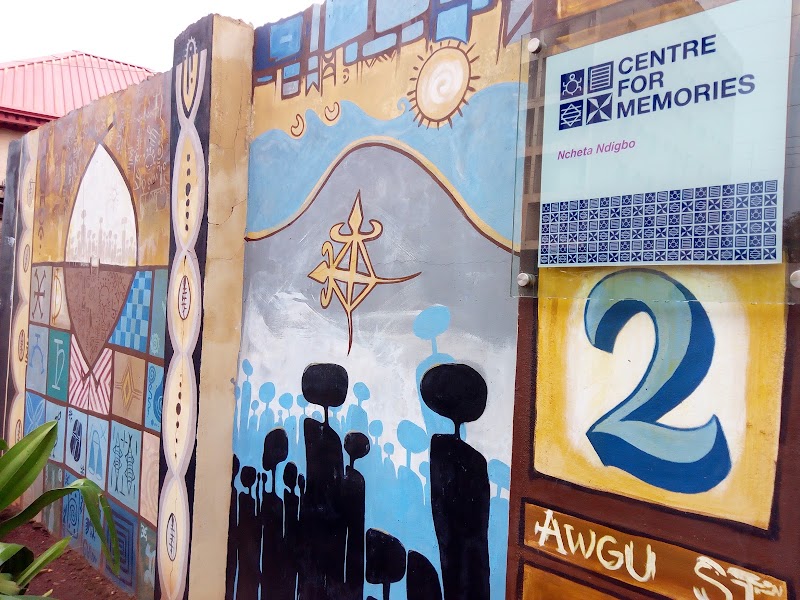
Nigeria · Enugu
Centre For Memories: Igbo History and Culture in Enugu
Public reviews praise this Enugu museum for its thoughtful presentation of Igbo history, traditions, art and survival stories.
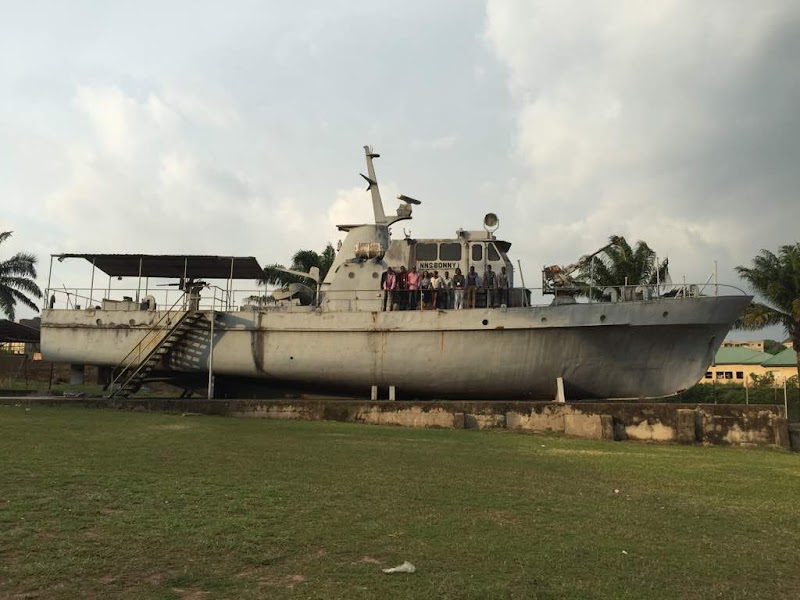
Nigeria · Umuahia
National War Museum, Umuahia: History and Wartime Relics
Public reviews praise the Nigerian Civil War collection and informed interpretation, while repeatedly raising concerns about upkeep and photography rules.
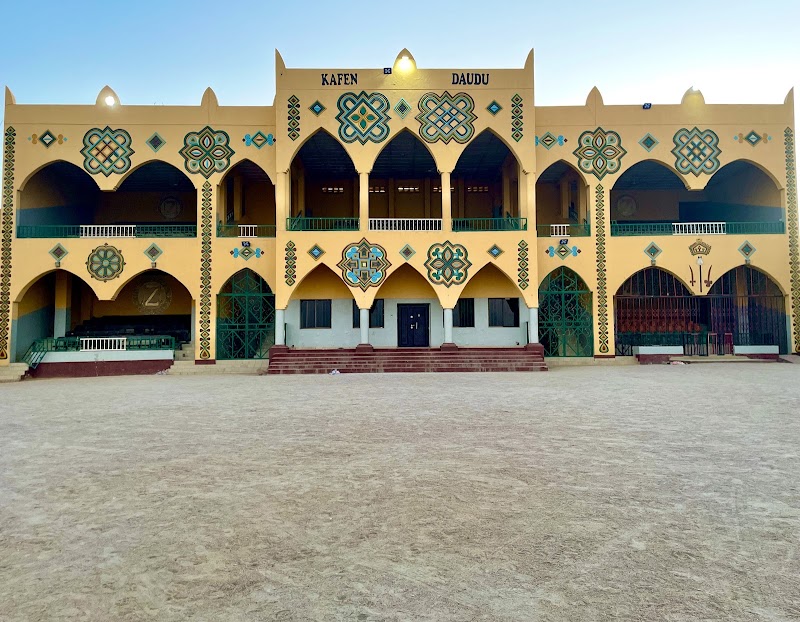
Nigeria · Zaria City
Zazzau Emir's Palace: Living History in Zaria City
Traditional architecture, royal history and welcoming palace staff make this Zaria landmark a compelling stop for culture-focused travellers.
Nigeria · Kaduna
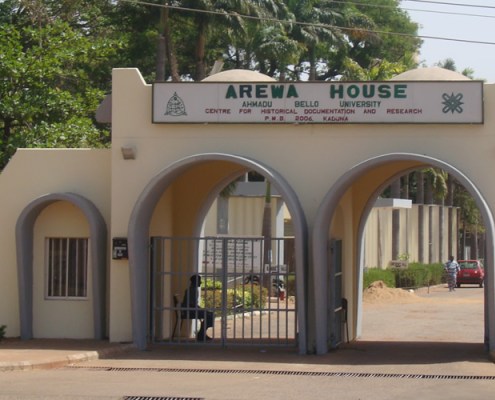
AREWA House: Northern Nigerian history in Kaduna
A museum and research centre where cultural galleries, archives and the former home of Sir Ahmadu Bello bring Northern Nigeria’s history into focus.