Ġgantija Archaeological Park: Ancient History on Gozo
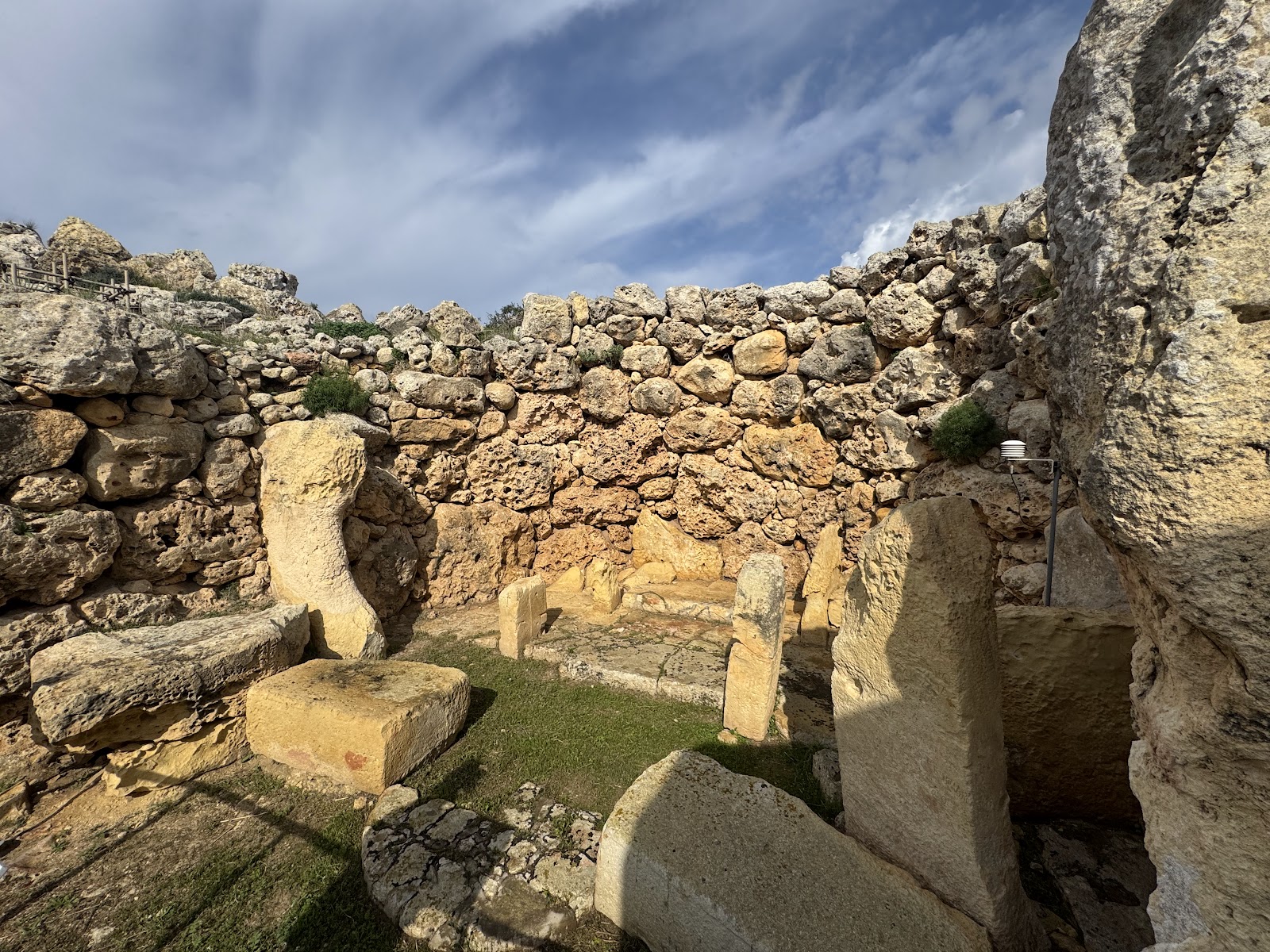
Gozo’s prehistoric temple complex pairs a compact modern exhibition with two open-air structures that reward historical curiosity more than casual sightseeing.
More photos
Photos published by travelers on Google, not AI generated.
What stands out
- Two prehistoric open-air temples
- Modern visitor centre
- Pottery, art and figurine displays
- Accessible walkways through the structures
- Short introductory film
Worth knowing
- Ruins can be difficult to interpret
- Plants and weeds may obscure the stones
- Compact exhibition may feel limited
Don't miss
What comes up most in public reviews
- Visitor-centre archaeological artefacts
- The two open-air temple structures
Worth the trip?
What the reviews suggest
Public feedback presents Ġgantija Archaeological Park as an important but visually understated landmark. It has a Google rating of 4.4 from 9799 reviews, although the sample comments reveal a clear divide between archaeology enthusiasts and visitors expecting a more immediately dramatic ruin.
The principal appeal is age and historical context. Reviewers repeatedly note that the temple structures predate Stonehenge and Egypt’s pyramids, while the enormous limestone blocks and folklore about giants give the site its distinctive identity. For travellers interested in ancient societies, construction techniques and archaeological discoveries, that context can make the surviving stones feel remarkable. Others struggle to picture the original temples and leave underwhelmed.
Start with the visitor centre
The visitor centre is one of the most consistently appreciated parts of the experience. Reviews describe it as modern and well presented, with displays of objects discovered in the area. Pottery, pieces of art and characteristic prehistoric figurines help establish what life and ritual activity around the temples may have involved.
A short film also introduces the site before visitors continue outside. This sequence matters because the open-air remains can be difficult to interpret without background. Families may find the displays accessible for children, and the exhibition is compact enough to cover without museum fatigue. Travellers who usually skim archaeological collections may still benefit from pausing here before approaching the stones.
The open-air temples
Outside, visitors encounter two temple structures linked by walkways that allow closer access through parts of the complex. The scale of the limestone blocks is a highlight, particularly when considered alongside the site’s prehistoric origins. The walkways are also praised for making the structures straightforward to explore.
The main criticism concerns presentation and legibility. Several reviewers say the ruins resemble scattered or piled stones rather than clearly defined buildings. Plants and weeds growing among the masonry can further obscure the shapes, while some surrounding areas appear barren. Anyone arriving for monumental architecture, extensive reconstruction or a large exhibition may therefore find the visit limited.
That contrast explains much of the mixed reaction. Ġgantija works best when visitors engage with the interpretation and use it to imagine what is no longer standing. Without that preparation, the outdoor section can feel slight.
Who will enjoy it
The park is best suited to ancient-history followers, archaeology enthusiasts and travellers building a broader cultural itinerary around Gozo. It is less reliable for groups whose interest lies mainly in photogenic ruins or elaborate museum displays. The exhibition is not large, and the overall visit is better treated as a focused historical stop than a full-day attraction.
Reviewers visiting Victoria as well as Ġgantija recommend checking whether the Gozo Combo ticket suits their plans. For everyone else, the strongest approach is simple: begin with the film and artefacts, then carry that context onto the walkways and through the two open-air temples.
Plan the rest of the trip
Ask anything
Looking for somewhere else?
Keep exploring around Ix-Xagħra
More from Malta
Malta · Valletta
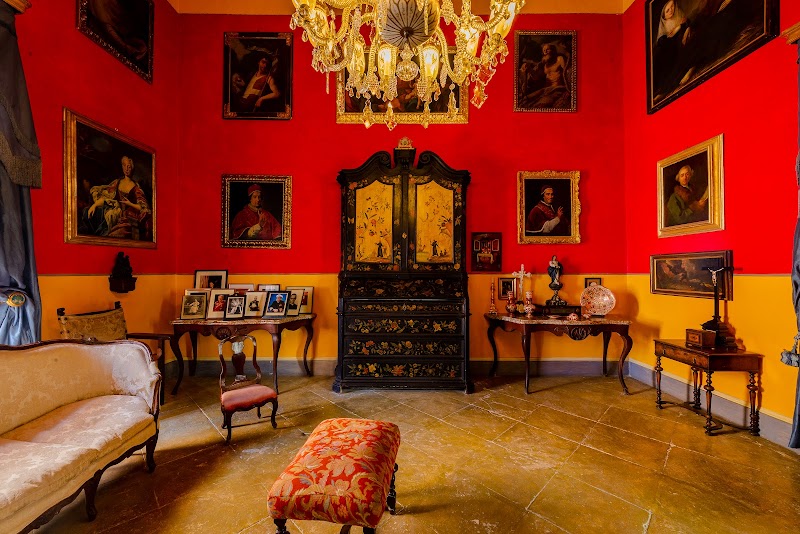
Casa Rocca Piccola: A Lived-In Window on Valletta’s Past
Public reviews highlight Casa Rocca Piccola’s intimate look at Maltese aristocratic life, historic interiors and wartime shelter.
Malta · Floriana
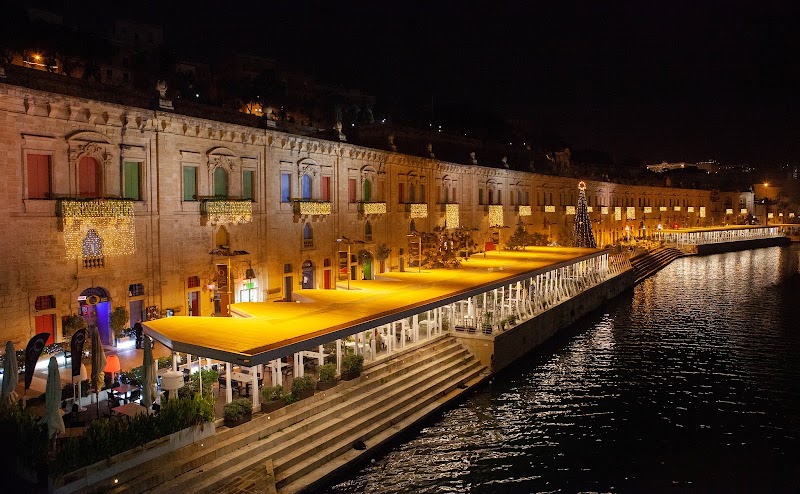
The Valletta Waterfront: A Calm Harbour Walk Near Valletta
The Valletta Waterfront pairs a peaceful harbour promenade with historic architecture, dining and easy access to Valletta’s sights.
Malta · Il-Mellieħa
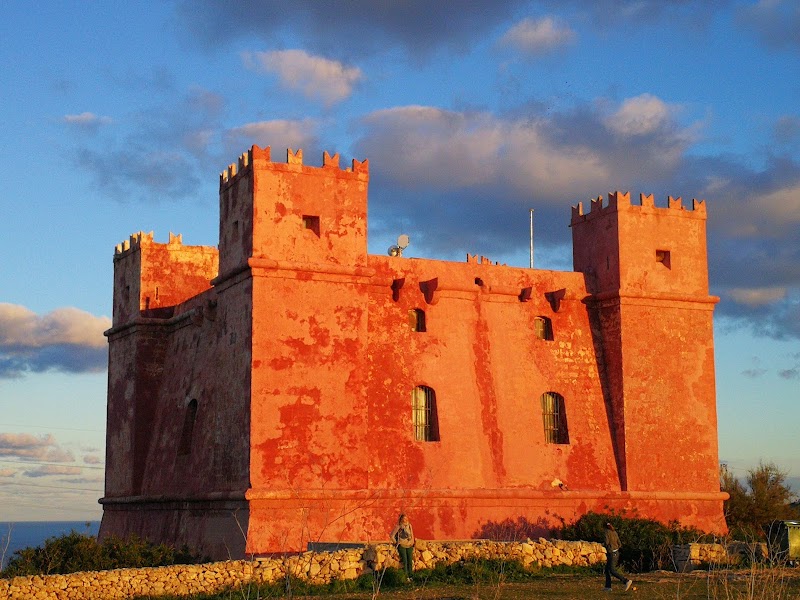
The Red Tower: Malta’s Landmark for Views and History
St. Agatha’s Tower draws visitors for its vivid red walls, restored character and broad views across northern Malta.

Malta · Mosta
Mosta Rotunda: Malta’s Dome and Wartime Story
Public reviews single out Mosta Rotunda for its immense dome, rooftop views, audio guide and extraordinary Second World War history.